If you drive a Jeep Wrangler, choosing the right tire size is important for both performance and safety. Two popular tire sizes are 265/70R17 and 255/75R17. While the numbers might look similar, these tires offer different benefits and drawbacks. In this guide, you’ll see how they compare across 17 key factors. Whether you drive on highways or tackle tough trails, you’ll find clear answers to help you pick the best tire for your Jeep.
1. Tire Width
The 265/70R17 is wider (265mm) than the 255/75R17 (255mm). Wider tires give your Jeep a bigger footprint on the road, which improves grip. However, they can also cause more road noise and use more fuel.
2. Aspect Ratio
Aspect ratio is the tire height compared to its width. The 70 in 265/70R17 means the height is 70% of 265mm, while 75 in 255/75R17 means 75% of 255mm. This makes the 255/75R17 slightly taller, which can help cushion bumps.
3. Overall Diameter
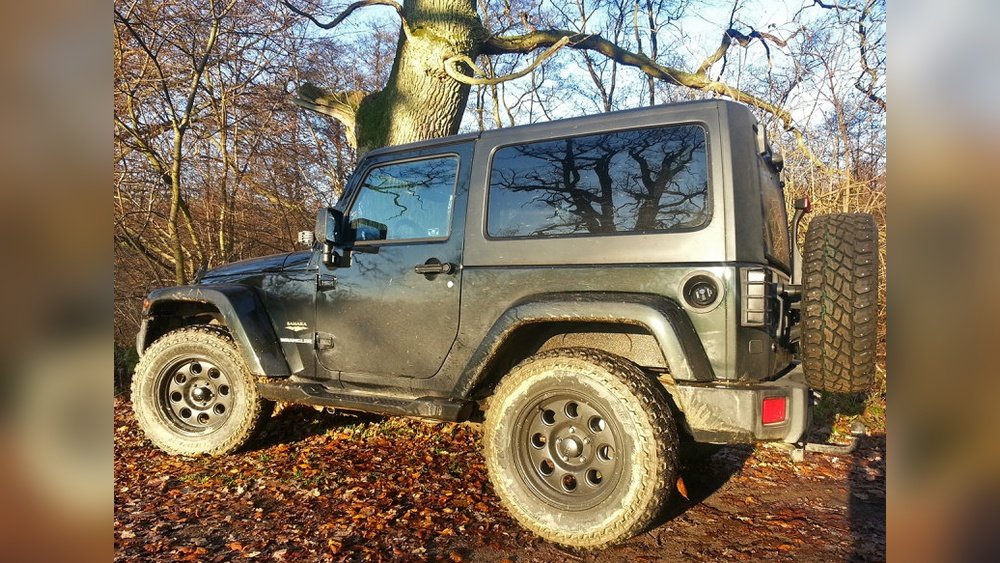
The overall diameter affects ground clearance and speedometer accuracy. The 255/75R17 is about 32.1 inches, while the 265/70R17 is about 31.6 inches. A taller tire can help avoid scraping rocks but may change your speed reading.
4. Load Capacity
Both sizes offer good load capacity, but the exact number depends on the tire brand and model. Generally, 265/70R17 tires support slightly higher loads due to their width.
5. Fuel Efficiency
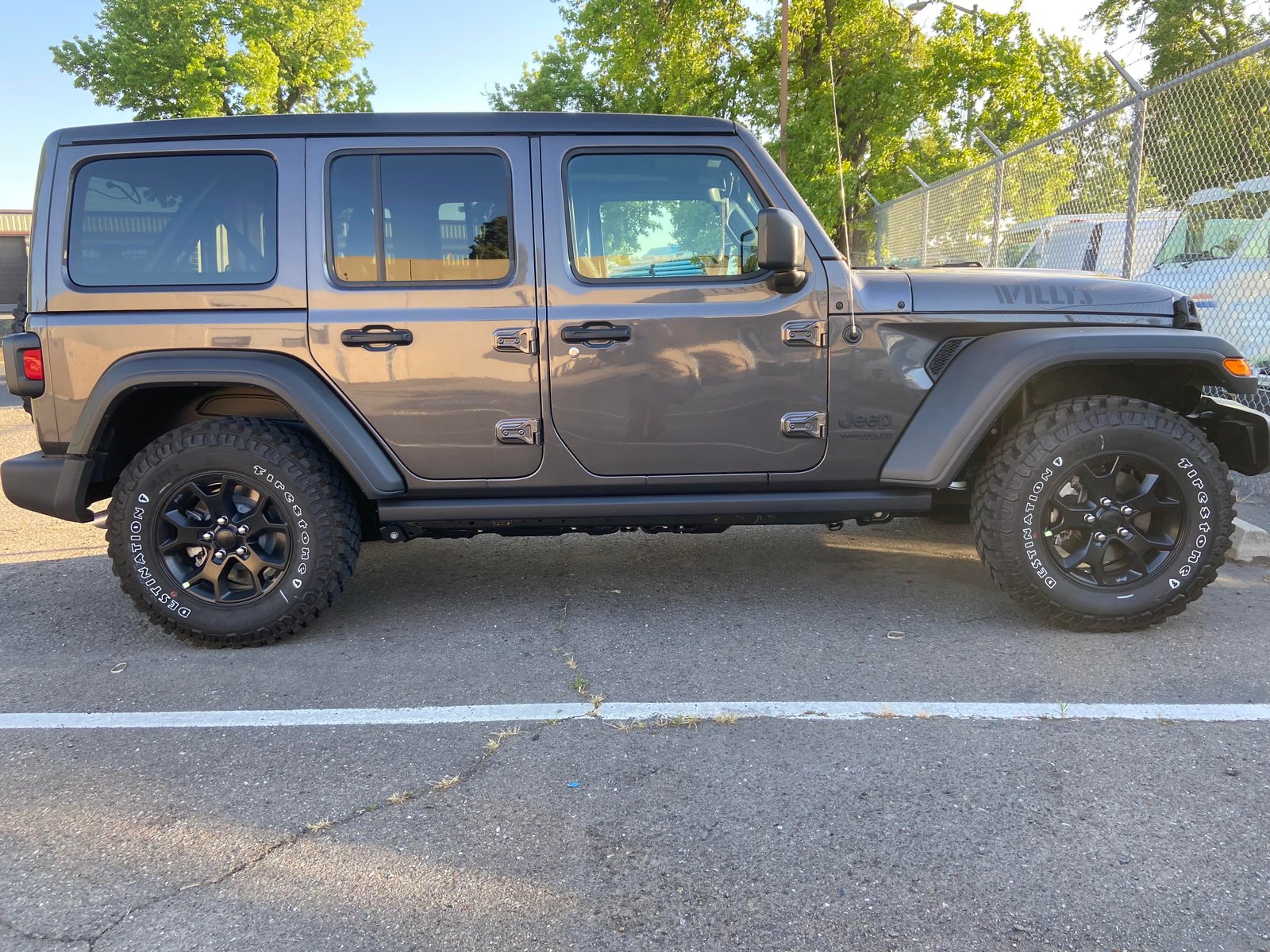
Narrower tires like 255/75R17 usually offer better fuel efficiency because they have less rolling resistance. If you drive long distances or care about gas mileage, this can make a difference.
6. Tread Options
Both sizes come in various tread designs. However, 265/70R17 is more common, so you’ll find more choices for mud, snow, or all-terrain patterns.
7. Price
The 255/75R17 often costs less because it’s a standard size for Jeep Wranglers. Wider 265/70R17 tires can be more expensive, especially for specialty treads.
8. Ride Comfort
A higher aspect ratio (like 75) usually means a smoother ride. 255/75R17 tires absorb bumps better, which is helpful on rough roads.
9. Steering Response
Wider tires like 265/70R17 can feel heavier to steer. If you prefer light, easy handling, the 255/75R17 may suit you better.
10. Wheel Well Fit
Jeep Wranglers are built for 255/75R17 as a factory size. Upgrading to 265/70R17 may require checking for rubbing or adjusting suspension parts.
11. Off-road Performance
Both sizes are good for off-roading. The 255/75R17 offers slightly more clearance, but the 265/70R17 gives better grip on loose surfaces. For deep mud or sand, wider tires often perform better.
12. Snow Handling
Narrower tires like 255/75R17 can dig through snow, while wider 265/70R17 tires float on top. If you drive in deep snow, narrower tires are usually preferred.
13. Road Noise
Wider tires create more road noise. If you want a quieter cabin, the 255/75R17 is usually the better choice.
14. Speedometer Impact
Changing tire size can affect your speedometer reading. The 255/75R17 is taller, so your speed may show lower than actual. You may need to recalibrate your speedometer.
15. Tire Availability
The 265/70R17 is a common SUV and truck size, so you’ll find it in more brands. However, 255/75R17 is used by Jeep as a factory standard, making it easy to find.
16. Appearance
Wider tires like 265/70R17 give your Jeep a more aggressive look. If style matters, this size stands out more.
17. Resale Value
Jeep owners often prefer factory sizes like 255/75R17 when buying used. Using non-standard sizes can lower resale value if buyers worry about compatibility.
Here’s a quick comparison of key specs:
| Feature | 265/70R17 | 255/75R17 |
|---|---|---|
| Width | 265mm | 255mm |
| Height (Aspect Ratio) | 70% | 75% |
| Diameter | 31.6 in | 32.1 in |
| Price Range | $170–$320 | $150–$280 |
Practical Insights For Jeep Owners
Many drivers miss two important details:
- Tire pressure must be adjusted when changing sizes. Using the factory pressure can cause uneven wear or poor handling.
- If you switch to 265/70R17, your spare tire may not match. This can be a problem if you get a flat.
Also, check your insurance policy. Some companies require you to use factory tire sizes for coverage.
Real-world Example
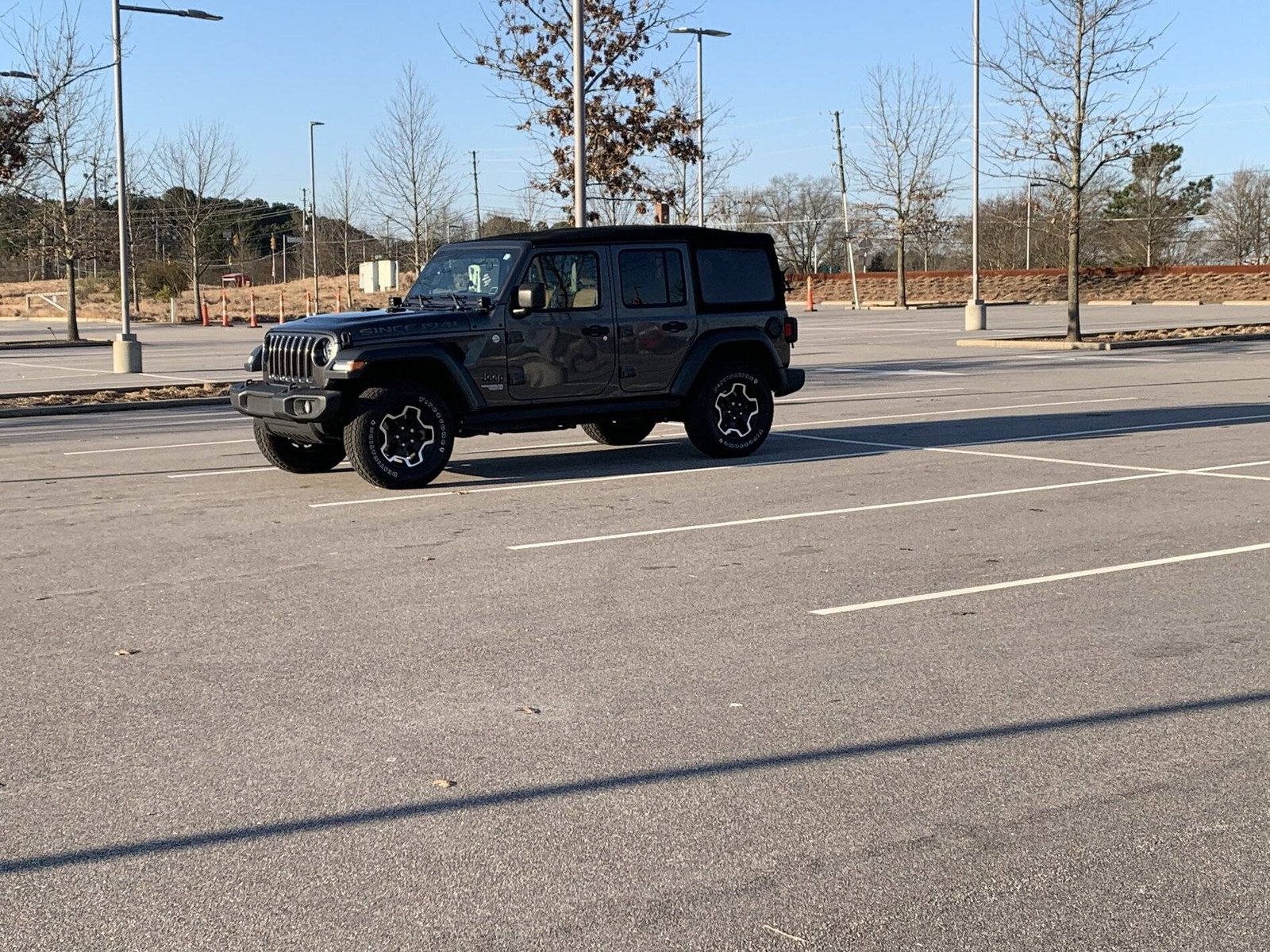
A Jeep Wrangler owner in Colorado switched from 255/75R17 to 265/70R17 for better off-road grip. He noticed improved traction on rocky trails but had to recalibrate his speedometer and adjust his fender flares to avoid rubbing.
Data Table: Off-road Comparison
| Tire Size | Grip Rating | Clearance | Comfort |
|---|---|---|---|
| 265/70R17 | 8/10 | 7/10 | 7/10 |
| 255/75R17 | 7/10 | 8/10 | 8/10 |

Making The Right Choice
Ask yourself:
- Do you want better off-road grip or smoother highway driving?
- Does appearance matter?
- Will you need to recalibrate your speedometer?
- Is factory compatibility important for resale or insurance?
If you drive mostly on highways, 255/75R17 is a smart, hassle-free choice. For tough trails, 265/70R17 may be worth the upgrade, but check for fit issues.
You can learn more about tire sizing on Wikipedia.
Frequently Asked Questions
What Does The R17 Mean In Tire Sizes?
R17 means the tire fits a 17-inch rim. Both 265/70R17 and 255/75R17 are made for 17-inch wheels.
Will Changing Tire Size Affect My Jeep’s Warranty?
In most cases, using non-standard tire sizes can affect your warranty if it causes damage. Always check with your dealer before changing.
Is It Safe To Mix Tire Sizes?
Mixing sizes (front and rear) is not recommended. It can cause handling problems and increase wear.
Can I Use My Factory Spare With New Tires?
If your spare is 255/75R17 and you switch to 265/70R17, the sizes won’t match. This can cause issues if you drive with the spare.
How Do I Recalibrate My Speedometer?
When you change tire size, a mechanic can recalibrate your speedometer. Many Jeep owners use handheld devices or visit their dealer.
Choosing between 265/70R17 and 255/75R17 for your Jeep Wrangler is about balancing performance, comfort, and practical needs. With these 17 factors, you can confidently pick the tire that fits your adventure.