The Jeep Wagoneer is more than just an SUV. It’s a symbol of American luxury and ruggedness, blending comfort with off-road power. But many car buyers and fans often ask: Who actually makes the Jeep Wagoneer?
The answer is simple on the surface, yet the story behind its production is rich with history, global connections, and modern industry trends.
Let’s look closely at who makes the Jeep Wagoneer, how it’s built, and what sets it apart in today’s car market.
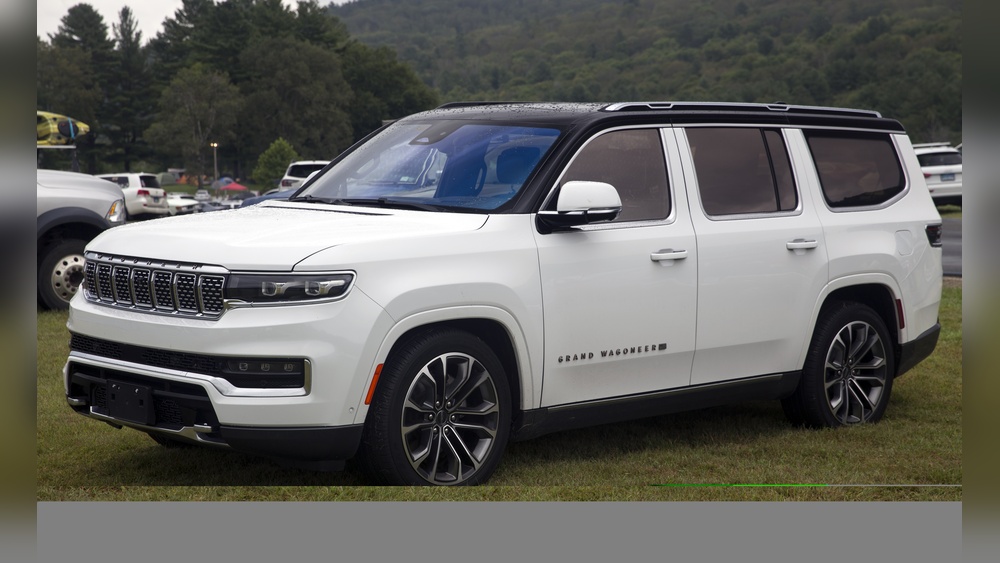
The Company Behind Jeep Wagoneer
The Jeep Wagoneer is produced by Stellantis North America, which was formerly known as Fiat Chrysler Automobiles (FCA). Stellantis was formed in 2021 after a merger between FCA and PSA Group, creating one of the world’s largest carmakers.
Key facts about Stellantis and Jeep:
- Stellantis owns the Jeep brand, including Wagoneer and Grand Wagoneer.
- Jeep’s headquarters are in Auburn Hills, Michigan.
- Wagoneer models are developed and engineered in the United States.
- Production takes place in Warren, Michigan, at the Warren Truck Assembly Plant.
This American base is important. Many buyers choose Wagoneer because of its “made in USA” reputation, which signals quality and classic design.
Where Is The Jeep Wagoneer Built?
The main production site for the Jeep Wagoneer is the Warren Truck Assembly Plant in Michigan. This factory has a long history of building large vehicles, and it was recently upgraded for Wagoneer production.
| Model | Assembly Location | Country |
|---|---|---|
| Wagoneer | Warren Truck Assembly | USA |
| Grand Wagoneer | Warren Truck Assembly | USA |
Why Warren, Michigan matters:
- The plant is close to Jeep’s engineering and design teams.
- Over $1.5 billion was invested to modernize the plant for Wagoneer.
- It provides thousands of American jobs, supporting local communities.
Some buyers might be surprised to learn that not all Jeep vehicles are built in the U.S. For example, certain Jeep Cherokee and Compass models are made in Mexico or Italy. However, Wagoneer models are strictly US-built.
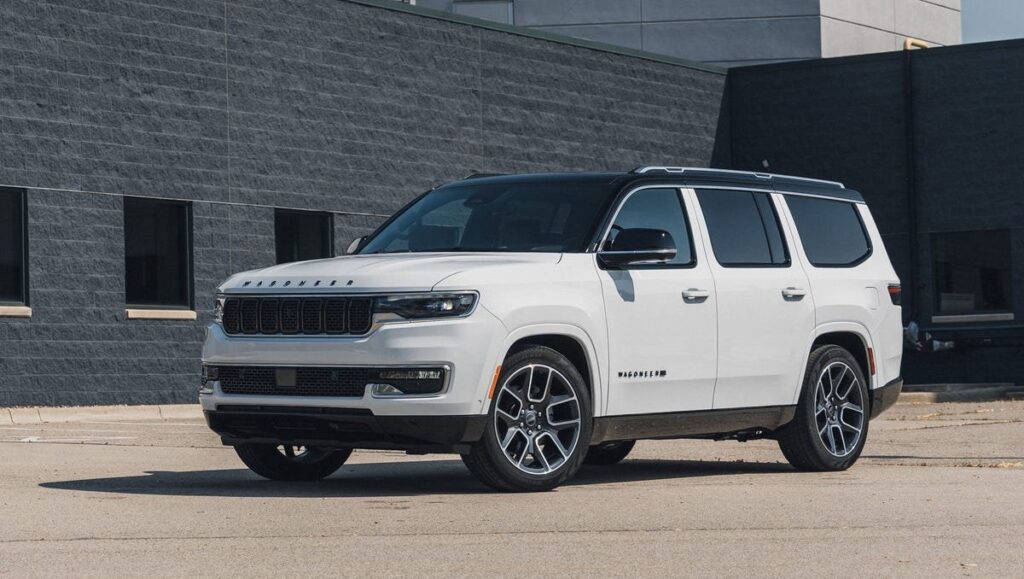
How The Jeep Wagoneer Is Made
Building the Jeep Wagoneer involves advanced technology and traditional craftsmanship. The Warren Truck Plant uses robotic assembly lines along with skilled workers.
Main steps in Wagoneer production:
- Stamping: Large steel panels are shaped for body parts.
- Welding: Robots and workers weld the body panels together.
- Painting: The body is painted in a dust-free environment for a smooth finish.
- Assembly: Engines, interiors, and electronics are installed.
- Quality Control: Each vehicle goes through strict inspections before shipping.
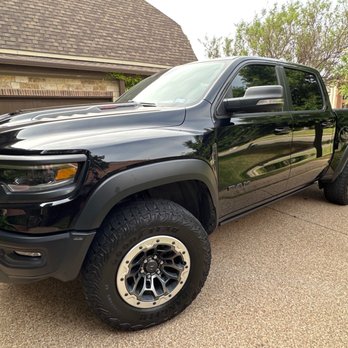
A non-obvious insight: Jeep Wagoneer shares its platform with the Ram 1500 pickup, but every Wagoneer gets a unique body, interior, and suspension. This allows it to combine truck strength with SUV luxury.
Who Designs And Engineers The Wagoneer?
The Jeep design team and Stellantis engineers in Michigan create the Wagoneer. Their goal is to mix classic Jeep cues, like the seven-slot grille, with modern luxury.
Design highlights:
- Premium materials such as real wood and leather
- Advanced tech, including up to 75 inches of total screen space inside
- Room for up to eight passengers
Another detail many overlook: The Wagoneer’s body-on-frame construction makes it more rugged than many luxury SUVs that use a “unibody” setup. This means better towing and off-road ability, which are core Jeep values.
Jeep Wagoneer Vs. Other Large SUVs
Many buyers compare the Jeep Wagoneer to other full-size SUVs like the Chevrolet Tahoe, Ford Expedition, and GMC Yukon. Here’s a quick comparison:
| Model | Horsepower | Max Towing (lbs) | Assembled in |
|---|---|---|---|
| Jeep Wagoneer | 392–510 | 10,000 | USA |
| Chevrolet Tahoe | 277–420 | 8,400 | USA |
| Ford Expedition | 380–440 | 9,300 | USA |
The Wagoneer stands out for its high towing capacity, strong engines, and rich interior. It’s also one of the few in its class built on a true truck frame.
The Wagoneer Legacy And Modern Comeback
The original Jeep Wagoneer debuted in 1963 and was one of the first luxury SUVs. Production stopped in 1991, but its reputation grew over time. In 2021, Jeep brought back the Wagoneer and Grand Wagoneer as modern, premium SUVs.
This return wasn’t just about nostalgia. Jeep wanted to offer a true American luxury SUV that could compete with the best.
The new Wagoneer features advanced safety tech, powerful engines, and the latest infotainment systems.
Unique facts about the new Wagoneer:
- Built with more U.S.-sourced parts than most rivals
- Offers both V8 and new turbocharged inline-six engines
- Includes advanced driver assistance like hands-free driving (on select trims)

Why “Who Makes The Jeep Wagoneer” Matters
Knowing who makes the Jeep Wagoneer helps buyers understand quality, reliability, and heritage. Here’s why it’s important:
- Brand trust: Jeep and Stellantis have a long history in SUVs.
- Manufacturing location: Built in the USA means higher quality control and local jobs.
- Design philosophy: American engineering focuses on strength, space, and comfort.
Many buyers miss a key point: The Wagoneer is designed to last, with a focus on both family comfort and work duties. It’s not just a luxury vehicle; it’s built for real-world challenges.
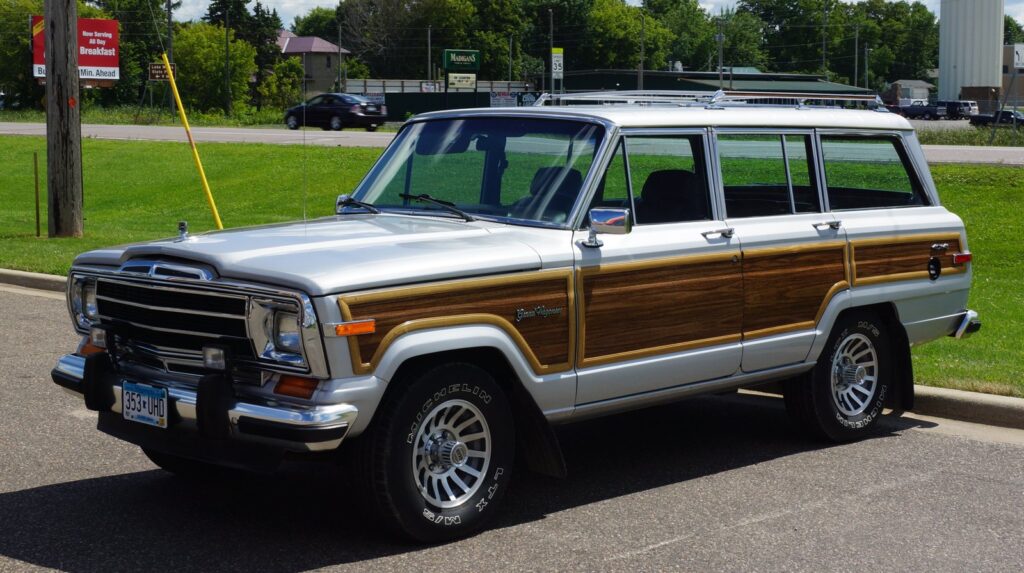
For those who want more details on Stellantis and Jeep’s history, visit the official Jeep Wagoneer Wikipedia page.
Frequently Asked Questions
Who Manufactures The Jeep Wagoneer?
The Jeep Wagoneer is manufactured by Stellantis North America, the parent company of Jeep. It is built at the Warren Truck Assembly Plant in Michigan, USA.
Is The Jeep Wagoneer Made In America?
Yes, all Jeep Wagoneer and Grand Wagoneer models are assembled in Warren, Michigan. Most of their components are also sourced from U.S. suppliers.
What Makes The Wagoneer Different From Other Jeeps?
The Wagoneer is larger, more luxurious, and offers more power than most other Jeep models. It’s designed for families who want comfort and technology, but still need off-road and towing abilities.
Does The Wagoneer Use The Same Parts As The Ram 1500?
The Wagoneer and Ram 1500 share a basic frame platform, but the Wagoneer gets unique body panels, suspension, and luxury features. This means it feels very different from a pickup truck inside.
Who Should Buy The Jeep Wagoneer?
The Wagoneer is ideal for buyers wanting a luxury American SUV with serious power, space, and towing. It’s great for large families, road trips, or anyone who values both comfort and utility.
The Jeep Wagoneer shows how American design and modern technology can come together to create something special. If you want a large SUV with a proud heritage and strong performance, the Wagoneer is worth a close look.
















I have a 2022 Jeep Wagoneer. I’m happy with the performance. My issue is with the Sun Visors. Both the driver side and the passenger side fall down because of a small plastic insert that wears out, but to fix the problem you have to buy the entire Sun visor, at a cost of approximately $1500 for both instead of just selling the plastic insert. Why?
Hey George, thanks for sharing this — it’s a more common complaint than people realize, and you’re right to be annoyed. That little plastic retention clip inside the visor arm wears out or snaps, and because the visor is sold as a sealed assembly (motor, wiring for auto-dimming on some trims, fabric, the works), Jeep prices it as one unit rather than breaking out the individual parts. It keeps their parts catalog simpler and protects the assembly from warranty claims on mismatched components, but it’s rough on your wallet when the actual failure is a five-cent piece of plastic.
A couple of things worth trying before you spend $1,500:
1. Check aftermarket and salvage yards. Visors from a wrecked Wagoneer at a place like LKQ or Row52 run a fraction of dealer cost, and the clip issue is usually the only thing wrong with them.
2. Search eBay or RockAuto for the visor clip specifically — some people have found the little tension clip sold separately by aftermarket suppliers, or you can 3D print a replacement if you know anyone with a printer (a few designs are floating around Wagoneer forums).
3. Some owners have had luck gluing or epoxying the worn tab back into shape rather than replacing it outright — not a permanent fix, but it buys time.
If you find a specific part number or vendor that sells just the clip, drop it back here — I know other owners are hunting for the same fix, and it’d help the next person who lands on this thread.