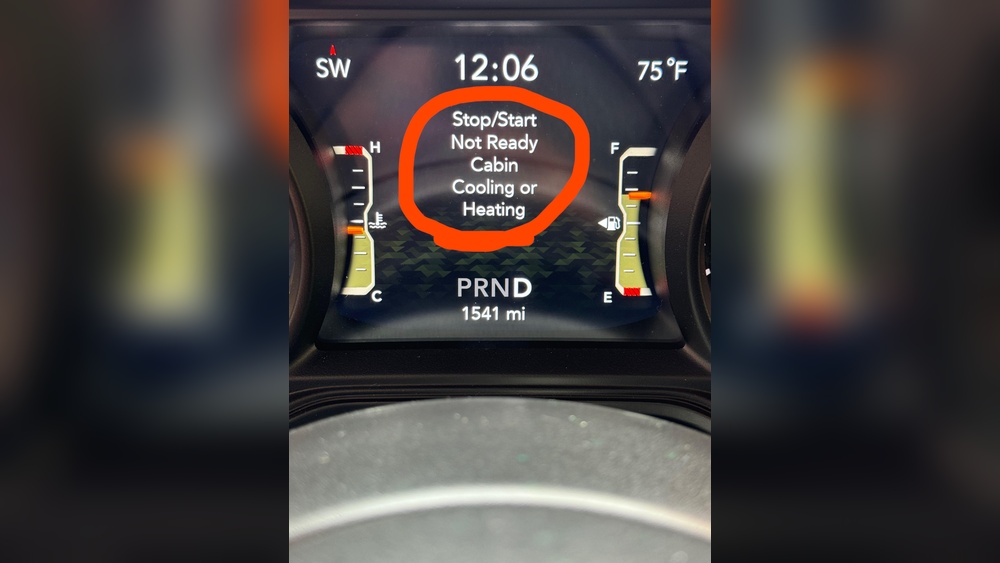
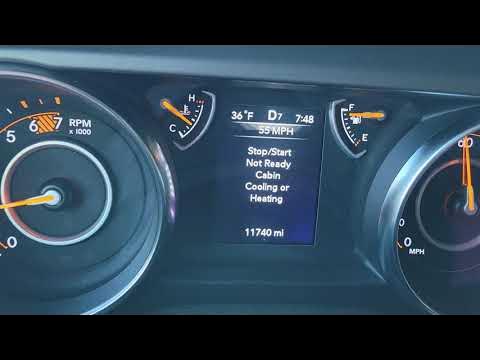
If you’ve ever seen the message “Stopstart Not Ready Cabin Cooling Or Heating” on your car’s dashboard, you might be confused. This warning pops up in modern vehicles with start-stop systems—technology that saves fuel by shutting off the engine when you stop. But when cabin cooling or heating is needed, the system sometimes stays off. Let’s break down why this happens, what it means, and how to handle it.
What Is Stopstart And Why Is It Used?
The stop-start system is designed to cut the engine at traffic lights or in heavy traffic. When you lift your foot off the brake, the engine restarts. This can improve fuel economy by up to 8%, according to the US Department of Energy. It also reduces emissions, which is better for the environment.
But these systems are smart. They don’t shut off the engine if certain conditions aren’t right. One key condition is cabin cooling or heating. If your car’s climate control is working hard, the engine stays running so you stay comfortable.
Why Does The “not Ready Cabin Cooling Or Heating” Message Appear?
This warning means the car’s stop-start system won’t activate because it needs to keep the cabin cool or warm. Here’s what’s happening:
- The climate control is set to a low (cooling) or high (heating) temperature.
- The car senses that shutting off the engine will impact comfort.
- The system overrides stop-start to keep the air conditioner or heater working.
It’s not a fault. It’s a normal behavior designed to keep you comfortable. If you adjust the cabin temperature, the message may disappear.
Common Scenarios For This Warning
- Hot summer days: If you set the AC to maximum, the engine stays on so the compressor keeps cooling.
- Cold winter mornings: If you set the heater to high, the engine needs to run for warm air.
- Defrost mode: The system stays on to keep the windshield clear.

How Cabin Cooling And Heating Affect Stopstart
Let’s see how climate control and stop-start interact. The cabin’s temperature, humidity, and airflow all matter. Here’s a quick comparison:
| Scenario | Engine Status | Stopstart Message |
|---|---|---|
| AC set to low temp | Stays ON | Not Ready Cabin Cooling |
| Heater set to high temp | Stays ON | Not Ready Cabin Heating |
| Moderate cabin temp | Turns OFF | No message |
On hybrid cars, the electric motor sometimes powers the AC or heater without the engine. But most cars rely on the engine for climate control, so stop-start stays off.
What Can You Do About The Warning?
You don’t need to worry if you see this message. Your car is protecting your comfort. But if you want the stop-start system to work, try these steps:
- Adjust cabin temperature: Set the AC or heater to a less extreme temperature.
- Turn off climate control: If you can tolerate it, switch off the AC or heater.
- Switch modes: Avoid defrost mode unless needed.
Here’s a comparison of what happens when you adjust settings:
| Setting | Stopstart Activation | Cabin Comfort |
|---|---|---|
| Max AC/Heat | No | High |
| Moderate AC/Heat | Yes | Medium |
| AC/Heat Off | Yes | Low |
It’s important to note that every car model may behave a bit differently. Check your owner’s manual for specifics.
Technical Details Most Drivers Miss
Many people think stop-start is only about saving fuel. But battery health and temperature sensors play a big role. If your car’s battery is weak, or if the temperature sensors detect discomfort, the system stays off.
Another overlooked detail: humidity. If the car senses high humidity, it may keep the engine running to prevent window fogging.
Common Mistakes And Misunderstandings
- Assuming a fault: The warning is normal. It’s not a technical error.
- Ignoring the battery: A weak battery can also cause the system to stay off.
- Missing manual override: Some cars allow you to disable stop-start manually.
- Not checking settings: Extreme climate settings block stop-start.
Real-world Examples
In a 2023 survey, drivers of Ford, BMW, and Toyota models reported seeing this warning most on days above 90°F or below 40°F. Many noticed that even after repairs, the message returned—because the system was working as designed.
On forums, users often ask why their stop-start isn’t working. The answer is usually cabin cooling or heating demand, not a system error.
Comparing Stopstart Systems Across Brands
Different brands handle stop-start and cabin comfort in unique ways. Here’s a simple comparison:
| Brand | Climate Control Impact | Manual Override |
|---|---|---|
| Ford | High | Yes |
| BMW | Medium | Yes |
| Toyota | High | No |
| Honda | Medium | Yes |
Some brands let you turn off stop-start with a button. Others don’t. Always check your model’s manual.
Tips For Maximizing Stopstart Efficiency
- Keep battery healthy: Regular checks help the system work smoothly.
- Use moderate climate settings: Extreme temperatures block stop-start.
- Avoid short trips: The system works best on longer drives.
- Check for software updates: Some manufacturers improve stop-start via updates.
If you’re interested in the science behind start-stop technology, you can read more at Wikipedia.
Frequently Asked Questions
Why Does My Stop-start System Stay Off With The Ac On?
The system needs the engine running for maximum cooling. If the AC is set too low, stop-start stays off.
Is The “not Ready Cabin Cooling Or Heating” Message A Fault?
No, it’s a normal system behavior. It protects your comfort and safety.
Can I Override The Stop-start System?
On many cars, yes. Look for a stop-start disable button on your dashboard.
Does Stop-start Work In Hybrids?
Yes, but hybrids use electric motors for climate control, so the engine can stay off more often.
Will Stop-start Affect My Battery?
A healthy battery is important. Weak batteries can cause stop-start failures or frequent warnings.
Modern cars are always balancing efficiency and comfort. If you see “Stopstart Not Ready Cabin Cooling Or Heating,” it means your car is thinking about your needs. Understanding how the system works helps you get the most from your vehicle—without worrying about unnecessary warnings.