If you’re seeing a PO442 code on your Jeep, you might be wondering what it means and how it affects your ride. This code points to a small leak in your vehicle’s EVAP (Evaporative Emission Control) system, which helps keep harmful fuel vapors from escaping into the air.
While it may sound technical, understanding what causes this issue and how to fix it can save you time, money, and stress.
You’ll discover the common reasons behind the PO442 code, simple steps to diagnose the problem, and practical tips to get your Jeep back on the road smoothly.
Keep reading to learn how to tackle this issue before it becomes a bigger headache for you and your Jeep.
What P0442 Code Means
The P0442 code signals a small leak in the EVAP system of your Jeep. EVAP stands for Evaporative Emission Control System.
This system stops fuel vapors from escaping into the air.
When the P0442 code appears, it means the system detected a tiny leak. This leak lets fuel vapors escape, which can harm the environment.
It also turns on the Check Engine Light.
This code does not usually affect how your Jeep drives. But it can cause your vehicle to fail emissions tests.
Fixing the leak keeps your Jeep running cleaner and safer.
The Gas Cap (most Common)
A loose or damaged gas cap often causes the P0442 code. The gas cap seals the fuel system and stops vapors from escaping.
If it is not tight or worn out, vapors can leak out.
Check the gas cap for cracks or wear. Tighten it properly after filling up.
Replace it if it looks damaged or old.
Cracked Or Damaged Evap Hoses
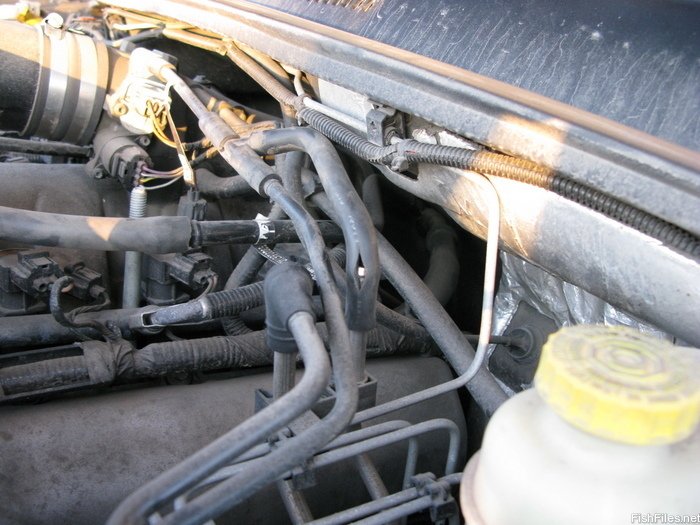
EVAP hoses carry fuel vapors to the charcoal canister. These hoses can crack or dry out over time.
Cracks let vapors escape and trigger the P0442 code.
Inspect hoses near the fuel tank and charcoal canister for damage. Replace any cracked or loose hoses to fix leaks.
Faulty Purge Valve Or Vent Valve
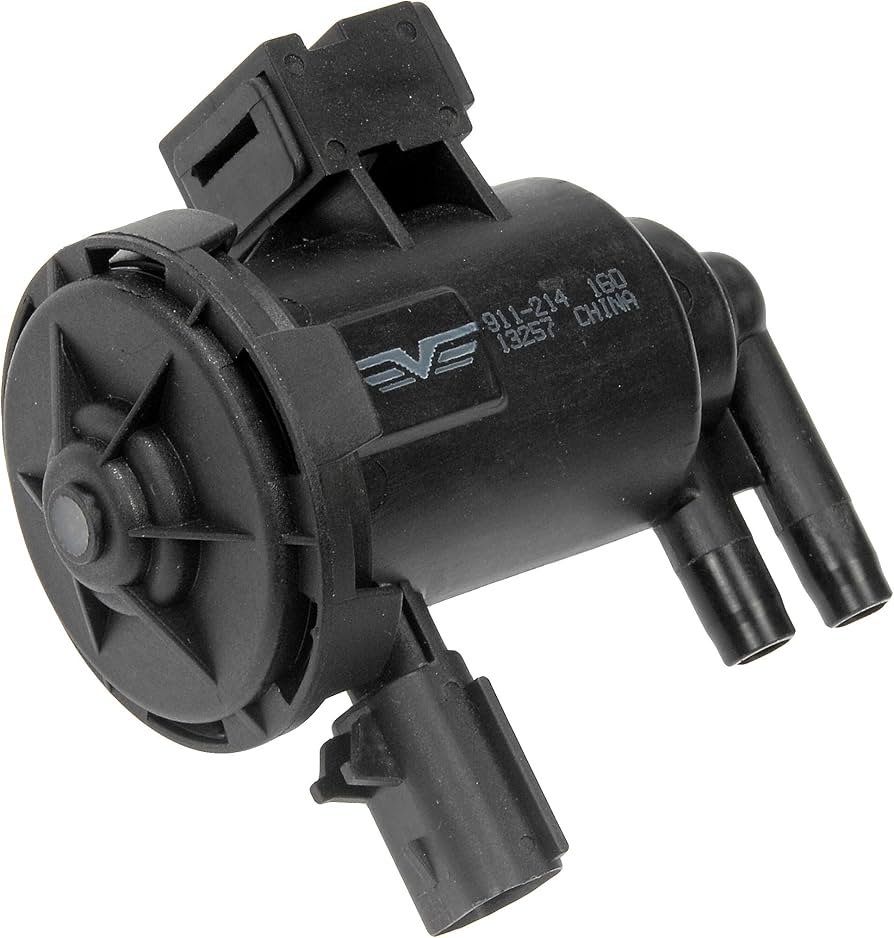
The purge valve controls vapor flow to the engine. The vent valve releases pressure in the system.
If either valve sticks, it can cause leaks.
Test these valves for proper opening and closing. Replace any valve that is stuck or faulty.
Charcoal Canister Leak
The charcoal canister traps fuel vapors before they reach the engine. Off-road driving can damage the canister with debris. Age can also cause cracks.
Look for cracks or damage on the canister. Replace it if you find leaks to fix the problem.
How Mechanics Diagnose It
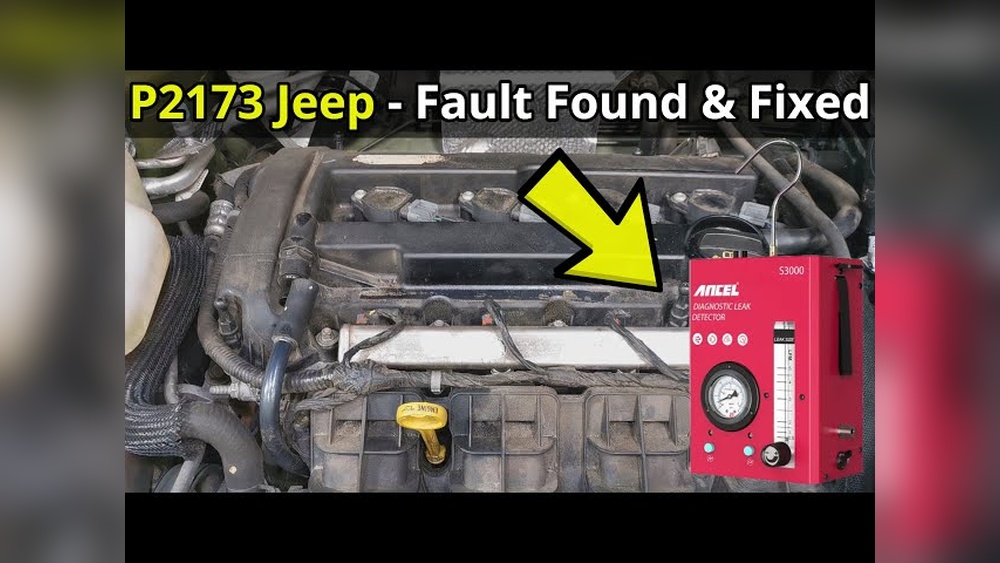
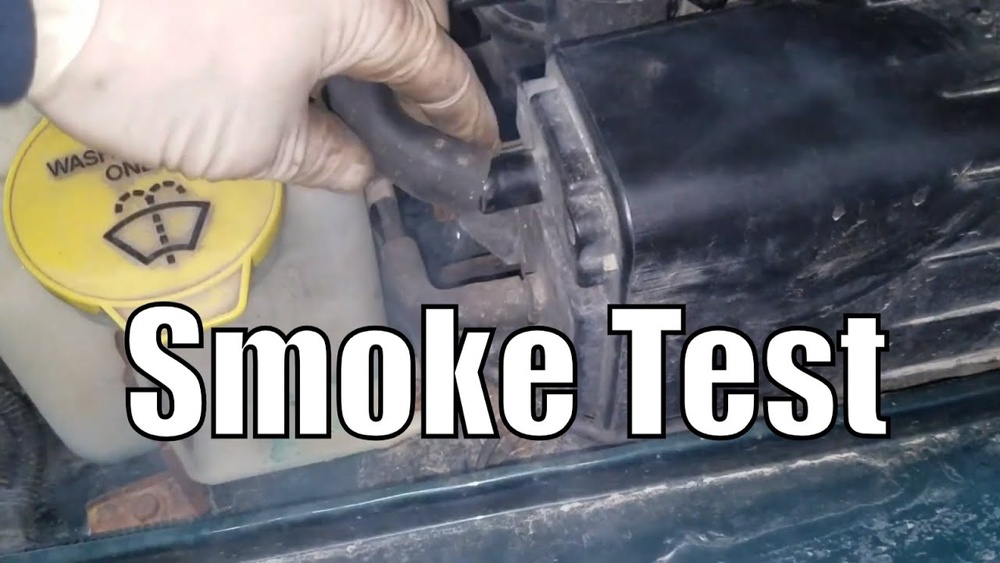
Mechanics use a smoke machine to find small EVAP leaks. They pump smoke into the system and watch for escaping smoke.
This reveals hidden leaks invisible to the eye.
After finding the leak, they repair or replace the faulty part. This clears the P0442 code and stops vapor loss.
Common Causes
A loose or damaged gas cap often triggers the PO442 code on Jeep models. Cracked EVAP hoses and faulty purge or vent valves also cause fuel vapor leaks.
Aging charcoal canisters may develop cracks, leading to the same issue.
Gas Cap Issues
A loose or damaged gas cap often causes the P0442 Jeep code. The gas cap seals the fuel tank and prevents vapor leaks.
Over time, the cap may wear out or fail to tighten properly. This failure allows fuel vapors to escape, triggering the error code.
Checking and tightening the gas cap is the simplest fix for this problem.
Cracked Evap Hoses
EVAP hoses carry fuel vapors from the tank to the engine. These hoses can crack or dry out due to age or heat.
Cracks let vapors leak into the air instead of being captured. Jeep models often have issues with rubber hoses near the charcoal canister or fuel tank.
Inspecting and replacing cracked hoses stops vapor leaks and clears the code.
Faulty Purge Or Vent Valve
The purge and vent valves control vapor flow inside the EVAP system. These small solenoids open and close as needed.
When one gets stuck or fails, vapors cannot move correctly. This causes pressure build-up and error codes like P0442.
Testing and replacing faulty valves restores proper vapor flow.
Damaged Charcoal Canister
The charcoal canister stores fuel vapors before sending them to the engine. It can crack from road debris or age, especially on off-road Jeeps.
A damaged canister leaks vapors and triggers the P0442 code. Visual inspection and replacement of the canister fix this issue and prevent further leaks.
Symptoms To Watch For
Identifying the symptoms of a P0442 code on your Jeep helps prevent bigger problems. This code means there is a small leak in the EVAP system.
The EVAP system controls fuel vapors to reduce pollution.
Small leaks often do not affect driving much but cause the Check Engine Light to turn on. Ignoring these signs can lead to failed emissions tests and wasted fuel.
Check Engine Light Illumination
The most common symptom is the Check Engine Light turning on. This light signals that the car’s computer found a problem.
It may not blink, but it stays lit.
Fuel Smell Around The Vehicle
A faint smell of gasoline near your Jeep can indicate an EVAP leak. This smell is more noticeable after refueling or when parked. It means fuel vapors are escaping.
Difficulty Starting The Engine
Sometimes, a small EVAP leak causes trouble starting your Jeep. The engine may crank longer or struggle to catch.
This happens because the fuel system pressure is off.
Decreased Fuel Efficiency
A P0442 code can lead to lower gas mileage. The leak lets fuel vapors escape instead of burning inside the engine.
You may notice filling the tank more often.
Unusual Engine Performance
Your Jeep might run rough or stall occasionally. These issues come from improper air-fuel mixture due to the EVAP leak. The engine may hesitate during acceleration.
Diy Inspection Steps
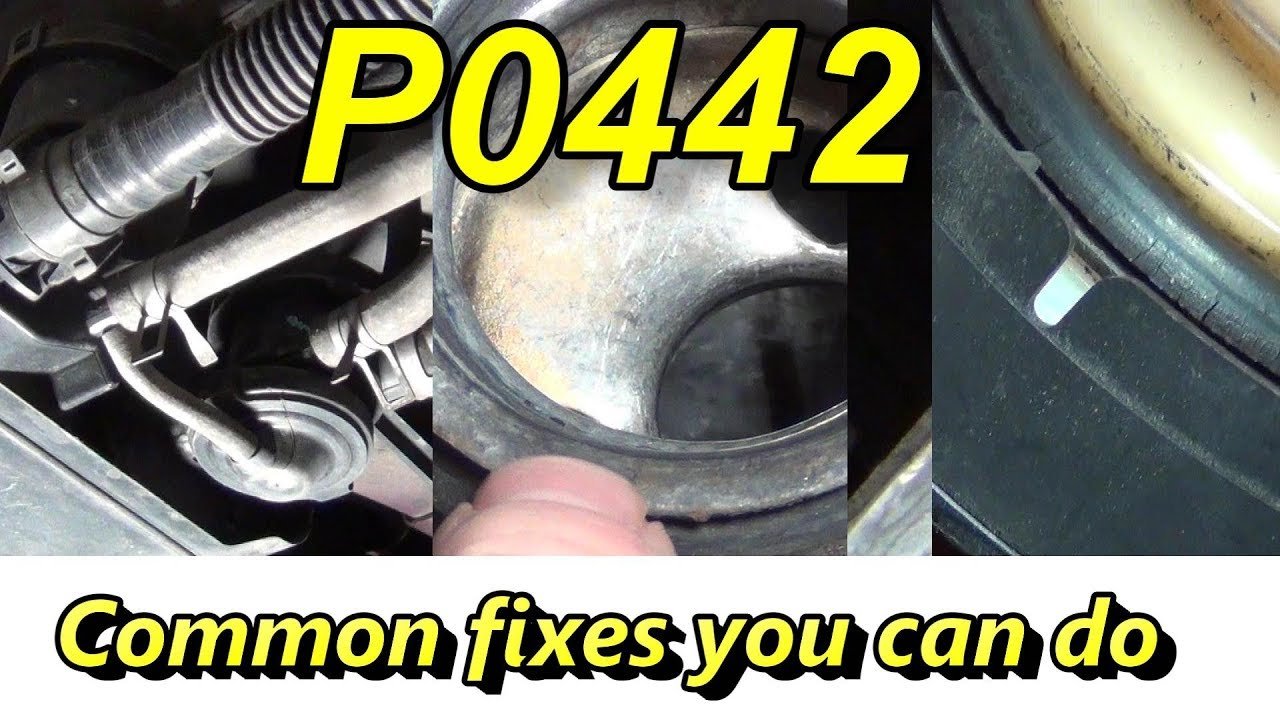
Performing a DIY inspection on your Jeep for the P0442 code can save time and money. This code often points to a small leak in the EVAP system, which controls fuel vapor emissions.
The inspection includes simple checks that anyone can do with basic tools. Follow these steps carefully to spot common issues early.
Check Gas Cap Seal
Start by examining the gas cap. Look for cracks or worn rubber seals.
A loose or damaged gas cap often causes the P0442 code. Tighten the cap until it clicks firmly.
Replace it if the seal looks old or cracked. A good seal prevents fuel vapors from escaping.
Inspect Hoses And Connections
Next, check all EVAP hoses and connections. These hoses can dry out, crack, or come loose over time.
Focus on the lines near the charcoal canister and fuel tank. Gently squeeze the hoses to feel for brittleness.
Replace any cracked or damaged hoses. Make sure all connections fit tightly without gaps.
Test Purge And Vent Valves
Finally, test the purge and vent valves. These valves control the flow of vapors in the system.
They can get stuck open or closed, causing leaks. Listen for clicking sounds when the engine runs, indicating valve movement.
Use a multimeter to check electrical resistance if possible. Replace any valve that does not respond or shows damage.
Using Smoke Testing
Using smoke testing is a reliable method to find leaks in a PO442 Jeep. This technique helps locate tiny holes that cause problems in the vehicle’s evaporative emission system.
Smoke testing is simple, effective, and saves time during diagnosis.
How Smoke Machines Work
Smoke machines push special smoke into the Jeep’s EVAP system. The smoke moves through the hoses and parts like fuel vapors do.
When there is a leak, smoke escapes and becomes visible. This shows exactly where the problem is.
The smoke used is safe and will not harm the engine or the environment. Mechanics connect the machine to the EVAP test port to start the process.
It quickly reveals leaks that are hard to find by sight.
Hidden leaks often cause error codes like PO442, but are tough to see. Smoke testing makes these leaks easy to spot.
The escaping smoke points to cracks, loose fittings, or damaged hoses.
This method helps find leaks near the fuel tank, charcoal canister, or purge valves. It also detects leaks in hard-to-reach places under the Jeep.
Fixing these leaks improves vehicle performance and stops the check engine light.
Repair And Replacement Tips
The PO442 code on a Jeep signals a small leak in the EVAP system. Repairing it quickly prevents bigger issues and keeps your vehicle running clean.
This section guides you through basic repair and replacement tips. Each step helps you fix or replace key parts of the system.
Replacing Gas Cap
A loose or damaged gas cap often causes the PO442 code. Remove the old cap and inspect it for cracks or worn seals.
Replace it with a new, tight-fitting gas cap. This simple fix stops vapor leaks and turns off the check engine light.
Fixing Or Replacing Hoses
EVAP hoses can crack or dry out over time. Check all hoses near the charcoal canister and fuel tank for splits or loose connections.
Replace any damaged hoses with new ones to ensure a tight seal. Secure all connections firmly to prevent leaks.
Servicing Purge And Vent Valves
Purge and vent valves control fuel vapor flow. Dirt or wear can cause them to stick or fail.
Test each valve for proper operation by applying power or vacuum. Clean or replace faulty valves to restore correct vapor routing and clear the error code.
Charcoal Canister Repair
The charcoal canister traps fuel vapors but can crack from road debris or age. Inspect the canister for damage or leaks.
Replace a cracked or broken canister with an OEM part. Proper canister function ensures the EVAP system works efficiently and emissions stay low.
Preventing Future Leaks
Preventing future leaks in your Po442 Jeep keeps your vehicle running smoothly. Small leaks can cause big problems over time.
Stopping leaks early saves you time and money. Focus on simple steps to keep your Jeep leak-free.
Regular Maintenance
Check your gas cap often. A loose or worn gas cap causes many leaks.
Replace it if the seal looks damaged. Inspect EVAP hoses for cracks or dry spots.
Replace any hoses that look weak or old. Clean the charcoal canister area to prevent debris buildup.
Test the purge valve and vent valve regularly. Faulty valves let vapors escape and cause leaks.
Avoiding Off-road Damage
Off-road driving can hurt your Jeep’s EVAP system. Rocks and debris can crack the charcoal canister.
Avoid driving over sharp objects or rough terrain. Use skid plates to protect the fuel tank and lines.
Check your Jeep after off-road trips for any damage. Fix small problems before they turn into leaks.
Gentle driving extends the life of your EVAP system parts.
When To See A Mechanic
The PO442 code signals a small leak in your Jeep’s EVAP system. This system controls fuel vapors and keeps emissions low.
A tiny leak can trigger the check engine light. It may not affect driving at first, but ignoring it can cause bigger problems.
Knowing when to visit a mechanic helps avoid costly repairs later. Some issues are easy to fix, but others need expert tools.
A mechanic can find hidden leaks and fix parts properly. Watch for signs that mean it’s time to get help.
Persistent Check Engine Light
If the check engine light stays on after tightening the gas cap, see a mechanic. The light means the EVAP system detected a leak.
A quick visit can prevent engine damage and failed emissions tests.
Failed Emissions Test
A PO442 code often causes your Jeep to fail emissions testing. A mechanic can locate and repair the leak.
Fixing the EVAP system helps your Jeep pass the test and stay street legal.
Fuel Smell Around The Vehicle
A noticeable fuel smell near your Jeep can mean a cracked EVAP hose or canister. This leak lets fuel vapors escape.
A mechanic can find the source and replace damaged parts to keep the fuel system sealed.
Difficulty Starting Or Rough Idle
Leaks in the EVAP system can cause rough idling or trouble starting the engine. These symptoms show the fuel vapor flow is off.
A mechanic can diagnose and fix the problem to restore smooth driving.
Visible Damage Or Wear On Evap Components
Check your Jeep’s EVAP hoses and gas cap for cracks or wear. Dry or damaged parts often cause the PO442 code.
A mechanic can replace faulty parts to stop leaks and improve system function.
Conclusion
The PO442 code signals a small EVAP system leak in your Jeep. This leak often triggers the Check Engine Light and may cause emissions test failure.
Common causes include a loose gas cap, cracked EVAP hoses, or faulty valves. Simple checks like tightening the gas cap can fix the issue.
For hidden leaks, mechanics use smoke tests to find the exact problem. Regular inspection helps keep your Jeep running clean and smooth.
Stay attentive to these signs to avoid bigger repairs later.