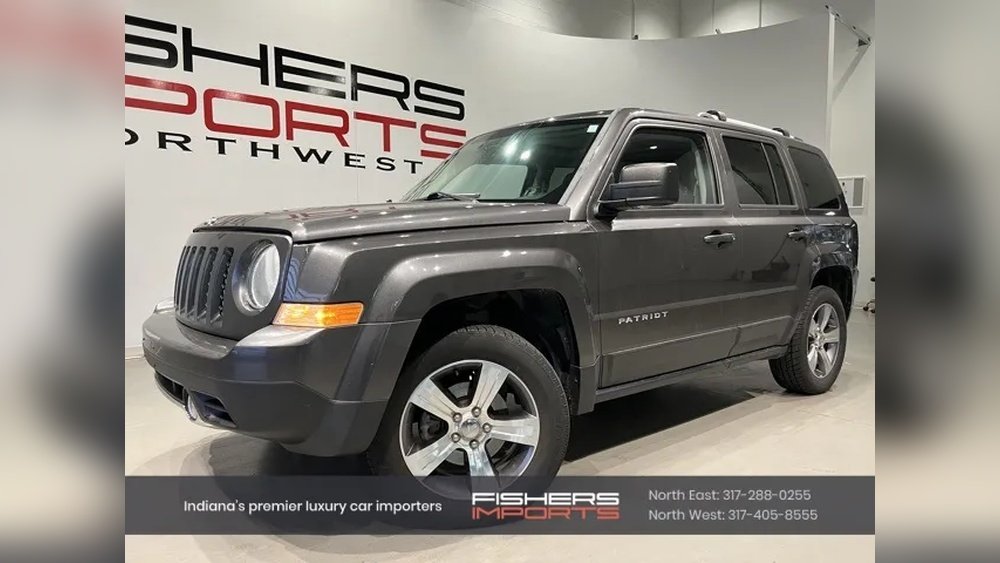
The story of Jeep is filled with innovation, war history, and bold business moves. But one question often comes up: When did AMC buy Jeep?
The answer connects to a turning point for both Jeep and the American Motors Corporation (AMC). Let’s explore when this happened, why it mattered, and how it shaped Jeep’s future.
Jeep’s Early History Before Amc
The Jeep brand was born during World War II. In 1941, the U.S. military needed a rugged, light vehicle for all kinds of terrain. Willys-Overland won the contract and made the original military Jeep, called the Willys MB.
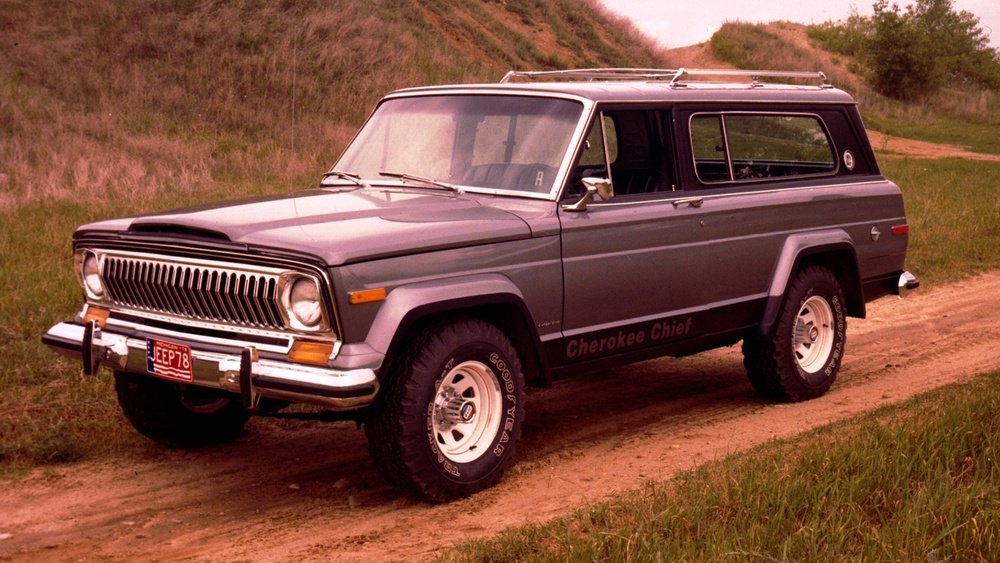
After the war, Willys-Overland started selling Jeeps to the public. These vehicles became famous for their off-road power. Willys focused mainly on utility vehicles, trucks, and station wagons. In 1953, Kaiser Motors bought Willys-Overland and changed the company’s name to Kaiser-Jeep in 1963.
Amc’s Purchase Of Jeep
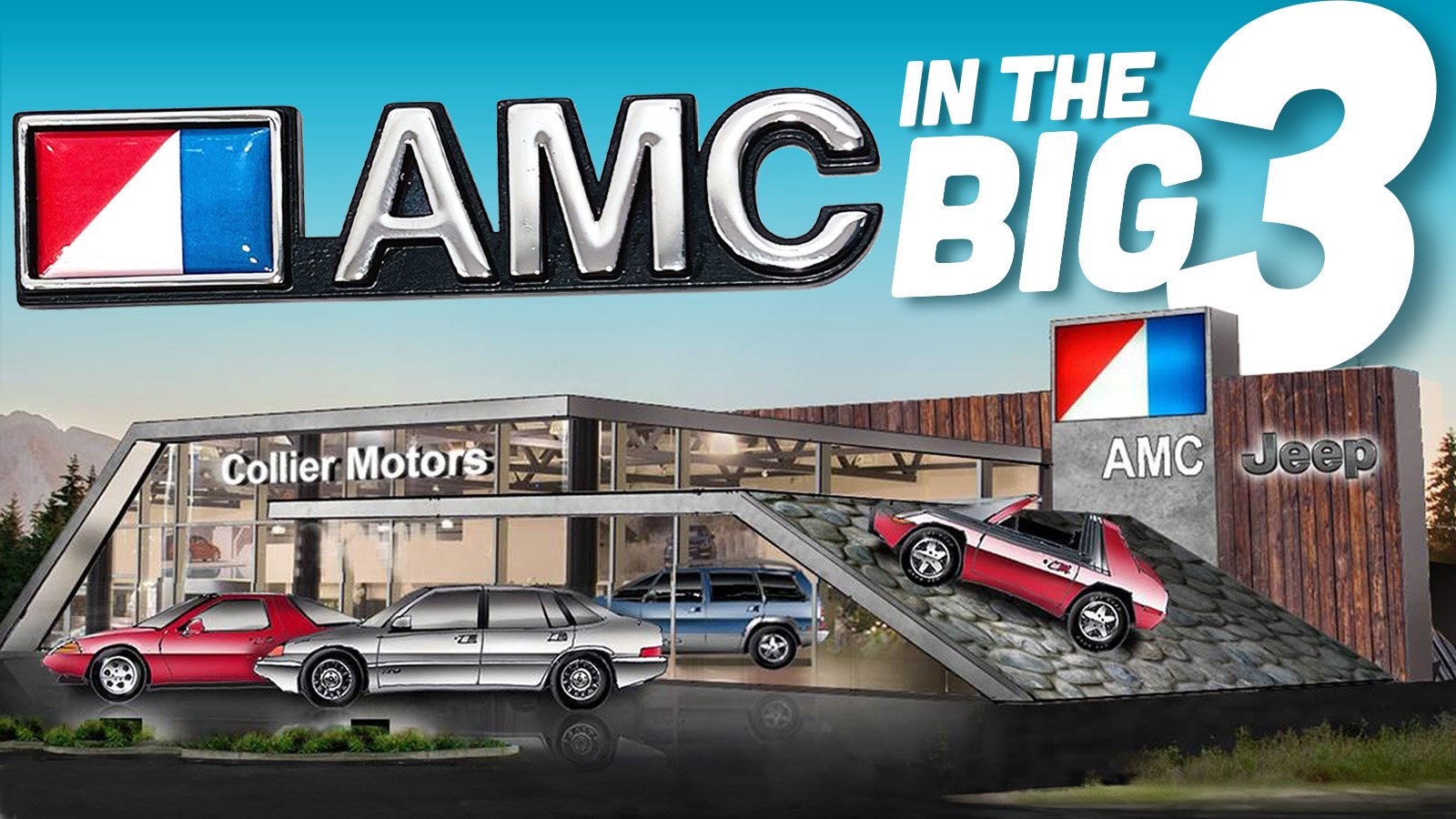
The big change came in 1970. That year, American Motors Corporation (AMC) bought the Jeep brand from Kaiser-Jeep. This deal was valued at around $70 million, which was a big investment for AMC at the time.
| Year | Event | Company |
|---|---|---|
| 1941 | Jeep Created | Willys-Overland |
| 1953 | Willys bought | Kaiser Motors |
| 1970 | Jeep bought | AMC |
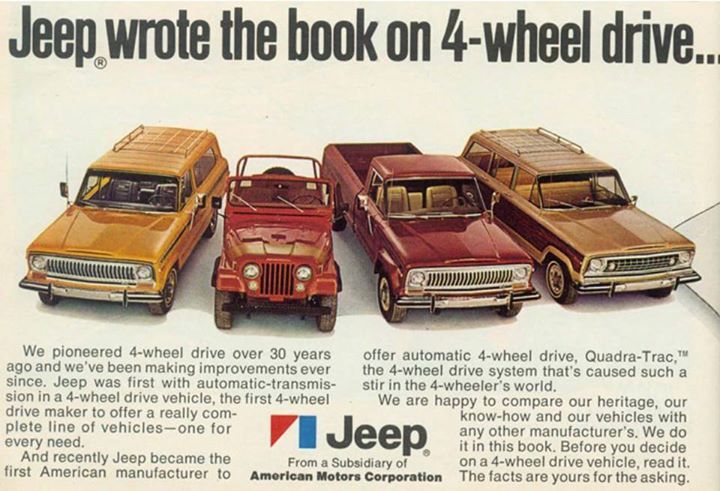
This purchase was not just about the Jeep name. AMC also got Jeep factories, vehicle designs, and a loyal customer base. The deal included the popular Jeep Wagoneer and Jeep CJ lines, which would become important for AMC’s growth.
Why Did Amc Want Jeep?
AMC was searching for a way to stand out in a tough car market. By the late 1960s, AMC was smaller than rivals like GM and Ford.
Most of AMC’s cars were sedans and compacts, but the market was changing.
There were three main reasons AMC wanted Jeep:
- Unique Product Line: Jeep made off-road vehicles, which few competitors offered.
- Strong Brand Loyalty: Jeep had a fan base among both civilians and the military.
- Profit Potential: The SUV market was just starting to grow, and AMC saw a chance to lead.
By acquiring Jeep, AMC hoped to boost its image and sales.
How Amc Changed Jeep
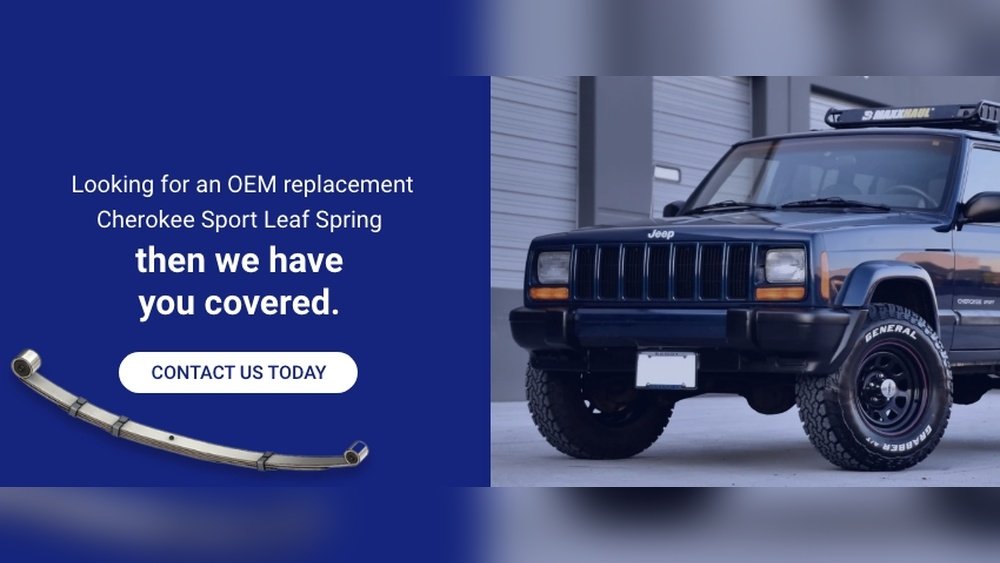
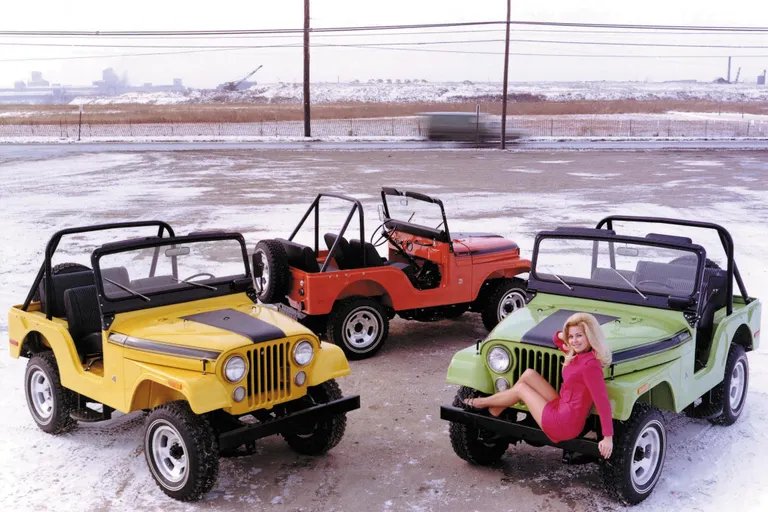
Once AMC took over, several changes happened. They improved Jeep’s designs and released new models. For example, the Jeep Cherokee (launched in 1974) was a direct result of AMC’s influence. This model helped create the modern SUV category.
AMC invested in better engines, improved safety, and more comfort features. The company also began to market Jeeps to families, not just outdoor fans.
Here’s a look at how Jeep’s lineup changed after AMC’s purchase:
| Model | Pre-AMC (Before 1970) | Post-AMC (After 1970) |
|---|---|---|
| Jeep CJ | Basic 4×4 | Improved comfort and engines |
| Wagoneer | Luxury off-roader (early) | First true SUV; more family features |
| Cherokee | Not offered | Launched in 1974 |
One non-obvious effect was AMC’s focus on four-wheel drive. They made it standard on more models, which set Jeep apart from many other brands.
The Lasting Impact Of Amc’s Ownership
AMC owned Jeep from 1970 until 1987. During this time, Jeep’s image grew stronger.
The vehicles became known not only for off-road ability but also for comfort and innovation.
However, AMC had its own financial troubles. In 1987, Chrysler Corporation bought AMC mainly to get the valuable Jeep brand. Still, the AMC years were key in shaping modern Jeep.
| Company | Years Owned Jeep | Key Achievement |
|---|---|---|
| Kaiser Motors | 1953-1970 | Expanded civilian Jeep sales |
| AMC | 1970-1987 | Launched Cherokee, grew SUV market |
| Chrysler | 1987-present | Global Jeep growth |
Many car experts say that without AMC, Jeep might not have survived. AMC’s risk-taking helped Jeep become a leader in the SUV market.
Two Insights Beginners Miss
Many people think Jeep was always part of big companies, but Jeep started with small, independent makers like Willys and Kaiser. Another thing beginners miss is that AMC’s investment in SUV design set the stage for the SUV boom in the 1990s. Without AMC’s bold moves in the 1970s, modern SUVs might look very different today.
Why The 1970 Amc Purchase Still Matters
The 1970 AMC buyout was a major turning point for both companies. AMC gained a valuable product line and changed direction. Jeep got the resources and vision needed to expand.
This move proved that a smart purchase could change the future of a brand. Jeep’s strong image today still traces back to decisions made in the 1970s.
If you want to learn more about this turning point, you can visit the Jeep Wikipedia page for extra details.
Frequently Asked Questions
When Did Amc Buy Jeep?
AMC bought Jeep in 1970 from Kaiser-Jeep, gaining full control of the brand, factories, and vehicle designs.
Why Was The Amc Purchase Important For Jeep?
AMC brought new investment and design ideas. This helped Jeep update its vehicles and reach new customers, especially families and SUV fans.
What Models Did Amc Develop For Jeep?
AMC launched the Jeep Cherokee in 1974 and improved other models like the CJ and Wagoneer, making them more comfortable and modern.
Did Amc Keep Jeep’s Off-road Focus?
Yes, AMC kept four-wheel drive as a key feature and made it standard on more models, which helped Jeep stand out from other brands.
Who Owns Jeep Today?
After AMC, Chrysler bought Jeep in 1987. Today, Jeep is part of Stellantis, a global car group formed in 2021.
The story of AMC buying Jeep is a lesson in smart business moves and bold vision. Knowing this history helps explain why Jeep remains so popular in the world of SUVs and off-road vehicles.