Have you ever noticed that little glowing check engine light on your Jeep’s dashboard and wondered what it really means? That simple warning can feel confusing or even alarming.
But understanding why your Jeep’s check engine light is on is the first step to keeping your vehicle running smoothly and avoiding costly repairs down the road.
You’ll discover the common reasons this light appears, what it signals about your Jeep’s health, and simple ways you can diagnose the problem yourself.
Don’t ignore that warning read on to take control of your Jeep’s check engine light and keep your ride safe and reliable.
Check Engine Light Basics
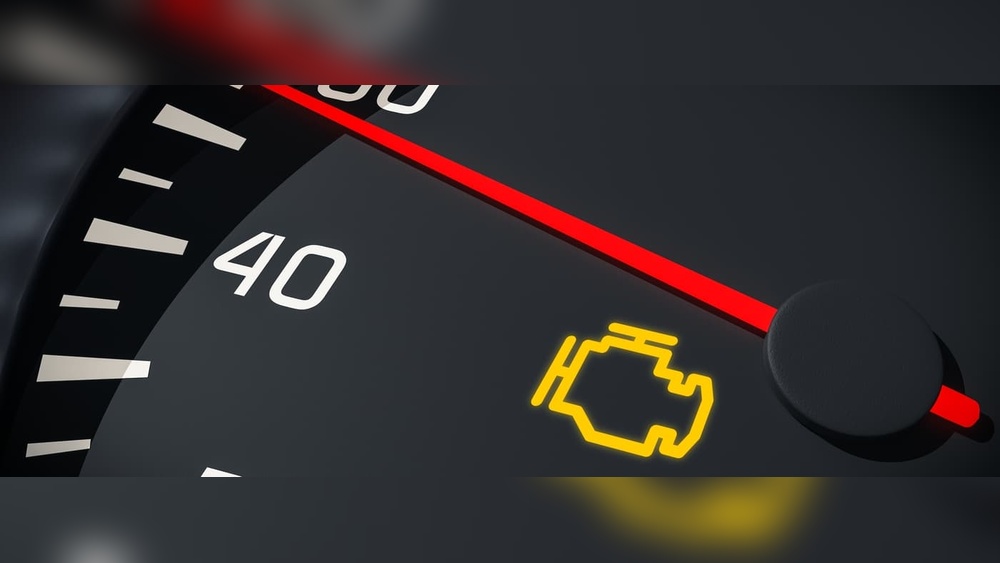
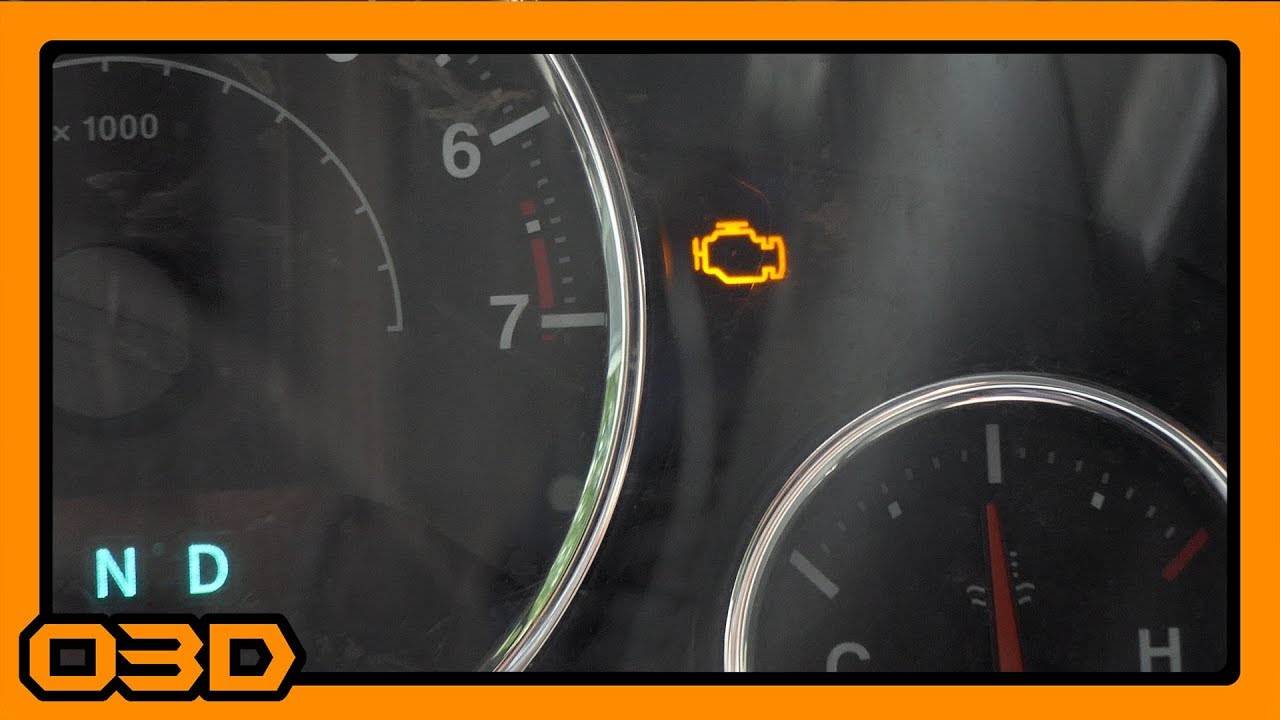
The check engine light on a Jeep warns of potential engine or system problems. It is part of the vehicle’s onboard diagnostic system (OBD-II).
This system watches the engine, emissions, and transmission systems for any faults.
When the light turns on, it means the system found an issue that needs attention. Understanding the basics helps Jeep owners respond correctly and avoid costly repairs.
What The Light Means
The check engine light signals a detected problem in the engine or related systems. It can mean something small like a loose gas cap or a bigger issue like engine misfires.
The light does not show the exact problem but indicates the need for a diagnostic check.
This warning helps protect the vehicle by alerting the driver early. Ignoring the light can cause more damage and higher repair costs later.
Severity Levels
The check engine light can show different levels of urgency. A steady light means a minor problem that should be checked soon.
It usually does not require immediate stopping but needs timely service.
A flashing light is more serious. It often means a severe engine misfire that can damage the catalytic converter.
In this case, stop driving and get the vehicle inspected immediately.
Knowing these levels helps Jeep owners decide how quickly to seek repairs. Acting fast can save money and keep the Jeep running smoothly.
Common Causes
The check engine light on your Jeep can turn on for various reasons. It alerts you that something in the engine or emissions system is not working right.
Knowing common causes helps you understand what might be wrong and what to check first.
Some issues are simple to fix, while others need a mechanic’s help. Here are frequent causes that trigger the check engine light on a Jeep.
Loose Gas Cap
A loose or missing gas cap often causes the check engine light. Fuel vapors escape and the system detects a leak.
Tightening or replacing the gas cap usually fixes this issue quickly.
Failing Catalytic Converter
The catalytic converter helps reduce harmful emissions. When it fails, engine performance drops.
The check engine light comes on to warn about increased emissions and poor fuel economy.
Bad Spark Plugs Or Wires
Worn spark plugs or damaged wires cause engine misfires. You may feel rough idling or slow acceleration.
The light alerts you to replace these parts to restore smooth running.
Faulty Mass Airflow Sensor
This sensor measures air entering the engine. A faulty sensor gives wrong data, causing poor fuel efficiency.
The check engine light signals a need to clean or replace the sensor.
Other Possible Triggers
The check engine light on your Jeep can turn on for many reasons. Some causes are easy to fix, while others need a mechanic’s help.
Apart from common issues, several other triggers can also cause this warning light to appear. Understanding these helps you act quickly and avoid bigger problems.
Low Oil Or Oil Quality Issues
Low oil levels can cause the check engine light to come on. Oil keeps the engine parts running smoothly.
When oil is low or dirty, the engine can overheat or get damaged. Poor oil quality affects engine performance and triggers the warning light.
Regularly check oil level and change oil on time. This simple step keeps the engine healthy and the light off.
Sensor Malfunctions
Jeep engines use many sensors to monitor performance. These sensors send data to the onboard computer.
A faulty sensor can send wrong signals, causing the check engine light to turn on. Common sensors that fail include oxygen sensors, MAF sensors, and coolant temperature sensors.
Sensor problems can cause poor fuel economy and rough running. Replacing bad sensors often fixes the issue quickly.
Engine Misfires
Engine misfires happen when the fuel-air mix in the cylinders does not burn properly. This causes rough running and loss of power.
Misfires often trigger the check engine light. They may happen due to bad spark plugs, faulty ignition coils, or clogged fuel injectors.
Misfires can harm the engine if not fixed. Checking and replacing worn parts can solve this problem.
Self-diagnosing Trouble Codes
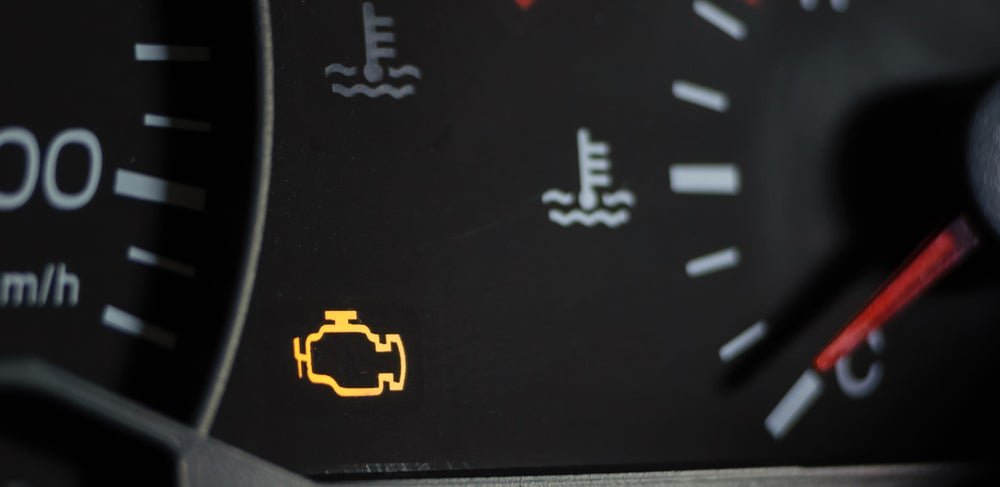
The check engine light on a Jeep signals the onboard computer found a problem. This system can self-diagnose issues using trouble codes.
These codes help identify what part or system needs attention.
Self-diagnosing trouble codes give drivers a way to understand problems without special tools. It saves time and money by showing the likely cause of the warning light.
Jeep models use a simple method to retrieve these codes.
Using Ignition Key Method
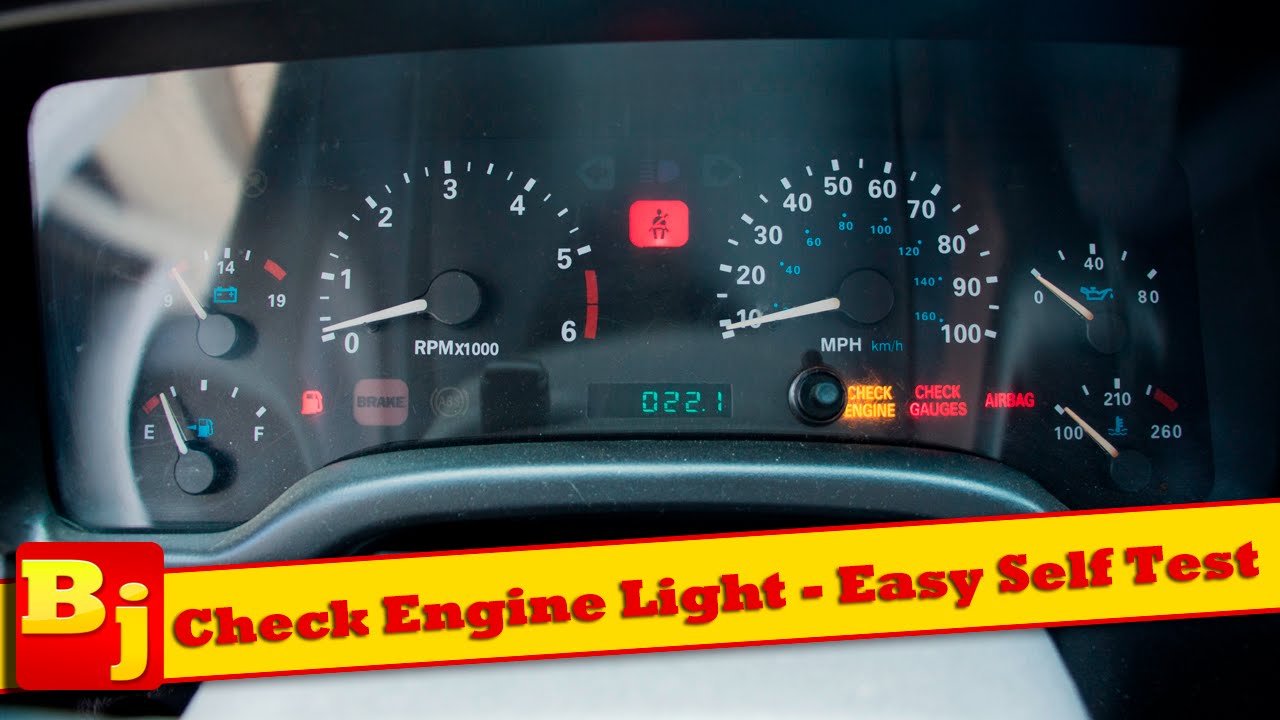
This method uses the ignition key to read trouble codes without tools. Insert the key and turn it from OFF to ON three times quickly.
End with the key in the ON position, but do not start the engine.
The check engine light will flash a series of numbers. These flashes show the trouble codes stored in the Jeep’s computer.
Count the flashes carefully; each number is a code digit. A pause separates each code.
Reading Codes Without A Scanner
Jeep owners can read codes without an OBD-II scanner. The ignition key method shows codes through the check engine light itself. This process works on older Jeep models without advanced diagnostic tools.
After reading the codes, write them down. Use the Jeep manual or online resources to understand what each code means.
This helps decide if the issue needs a mechanic or simple fixes.
Quick Fixes
The check engine light on your Jeep can signal many issues. Some problems are simple and easy to fix at home.
Quick fixes often solve the problem without costly repairs. These fixes focus on common causes that trigger the warning light.
Here are some easy steps to try first.
Tightening Or Replacing Gas Cap
A loose or damaged gas cap often causes the check engine light. Fuel vapors can escape, which trips the system.
Start by tightening the gas cap until it clicks. If the light stays on, replace the gas cap with a new one.
This fix is simple and costs very little.
Replacing Spark Plugs And Wires
Worn spark plugs or bad wires can cause engine misfires. Misfires make the engine run rough and trigger the light.
Check the spark plugs for dirt or damage. Replace old plugs and wires with new ones to restore smooth engine performance.
This fix improves fuel efficiency and reduces emissions.
Cleaning Or Replacing Maf Sensor
The Mass Airflow (MAF) sensor measures air entering the engine. A dirty or faulty MAF sensor sends wrong data to the computer.
This causes poor engine running and the warning light to come on. Remove the sensor and clean it with special MAF cleaner.
If cleaning does not help, replace the sensor to fix the issue.
When To See A Mechanic
The check engine light on your Jeep signals a problem detected by its computer system. Determining when to see a mechanic is crucial to avoid costly repairs.
Some issues need immediate attention, while others can wait for a scheduled visit. Understanding the urgency helps keep your Jeep safe and running smoothly.
Identifying Urgent Issues
A flashing check engine light means a serious problem. It often signals engine misfires that can cause damage.
Stop driving and have your Jeep checked right away. A steady light usually means a less urgent issue.
Still, it requires prompt inspection to prevent worsening problems. Strange noises, loss of power, or smoke are signs to see a mechanic immediately.
Finding Certified Jeep Technicians
Certified Jeep technicians have the training to diagnose and fix your vehicle correctly. They use the right tools and genuine parts. Visit a Jeep dealership or authorized service center for expert care. Check online reviews and ratings to find trusted mechanics nearby. Proper service helps maintain your Jeep’s performance and warranty.
Preventive Maintenance Tips
Preventive maintenance helps keep your Jeep running smoothly. It lowers the chance of the check engine light coming on.
Simple steps can stop small issues from becoming big problems. Follow these tips regularly for a healthy engine and fewer surprises.
Regular Oil Changes
Change your Jeep’s oil on schedule. Fresh oil keeps engine parts lubricated and cool.
Old oil can cause engine wear and reduce fuel efficiency. Use the right oil type recommended in your owner’s manual.
Regular oil changes help prevent engine damage and improve performance.
Routine Engine Inspections
Check your engine often for leaks or unusual noises. Look for loose or broken parts under the hood.
Inspect belts and hoses for cracks or wear. Early detection of problems saves money and avoids breakdowns.
Take your Jeep to a mechanic for a full engine check yearly.
Keeping Sensors Clean
Sensors tell your Jeep’s computer how the engine is running. Dirt or grime can make sensors give wrong readings.
Clean sensors carefully using proper tools or products. Dirty sensors can cause the check engine light to turn on.
Regular cleaning keeps sensors working well and your engine happy.
Frequently Asked Questions
Can I Drive My Jeep With The Engine Light On?
You can drive your Jeep briefly with the engine light on. Schedule a diagnostic check soon to prevent damage. Avoid long drives until fixed.
Why Would My Check Engine Light Come On On My Jeep?
Your Jeep's check engine light indicates the onboard computer detected engine, emission, or transmission issues. Common causes include a loose gas cap, faulty spark plugs, failing catalytic converter, or a bad mass airflow sensor.
Address the warning promptly to avoid costly repairs.
Can Low Oil Cause A Check Engine Light?
Yes, low oil can trigger the check engine light. It signals the engine’s lubrication issue, risking damage if ignored.
Can I Drive $1000 Miles With The Check Engine Light On?
Driving 1,000 miles with the check engine light on risks severe damage. Get a diagnostic check immediately to avoid costly repairs.
Conclusion
The check engine light on your Jeep warns of possible engine or emission issues. Do not ignore this signal.
Early attention can prevent costly repairs later. Simple causes like a loose gas cap may trigger it.
Diagnosing the problem quickly keeps your Jeep running smoothly.
Use local service centers for proper inspection and repair. Stay alert to keep your Jeep safe and reliable on the road.