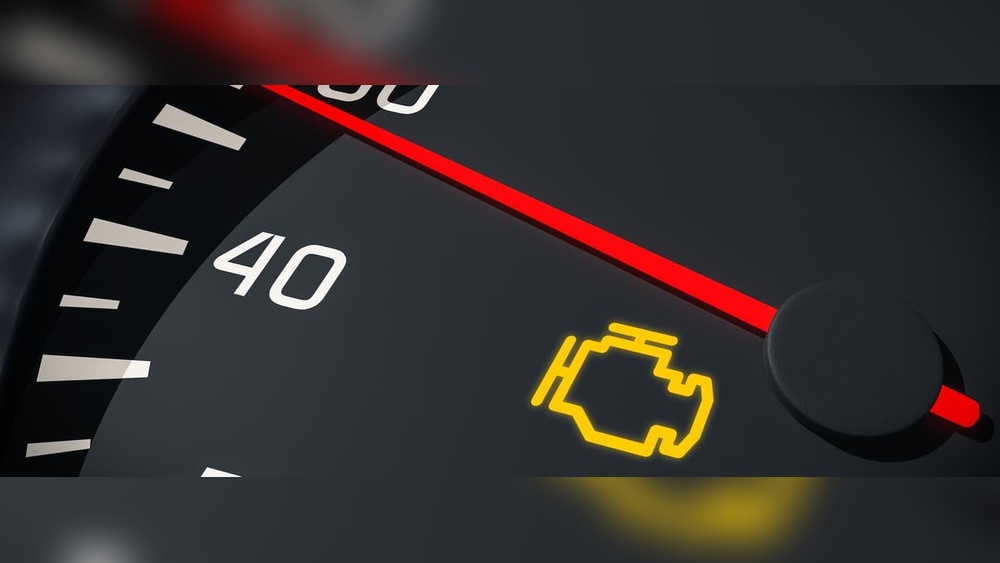
If you’re driving your Jeep and suddenly see the check engine light come on, it can be confusing and a bit worrying. What does this warning really mean for your vehicle?
Is it something you can ignore, or do you need to act fast? Knowing what triggers the check engine light on your Jeep helps you understand what’s going on under the hood and what steps you should take next.
You’ll learn the most common reasons why this light appears, how to quickly check the issue yourself, and why ignoring it could lead to costly repairs.
Keep reading to stay ahead of problems and keep your Jeep running smoothly.
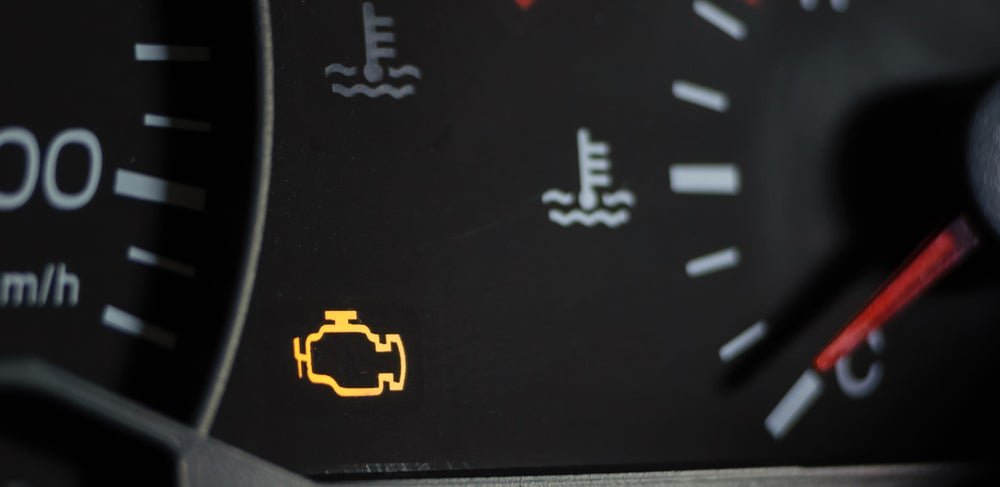
Check Engine Light Basics
The check engine light on your Jeep signals a problem detected by the car’s computer. This warning can point to many issues.
Some are simple to fix. Others need professional help.
Understanding common causes helps you act quickly and avoid costly repairs.
Below are frequent reasons why this light turns on. Each affects your Jeep’s performance or emissions.
Check each carefully to know what might be wrong.
Loose Gas Cap
A loose or missing gas cap is the top cause of the check engine light. Fuel vapors can leak out if the cap is not sealed properly.
This triggers the system to warn you. Tighten the cap firmly.
Replace it if cracked or damaged. This simple fix may turn off the light.
Failing Catalytic Converter
The catalytic converter reduces harmful emissions from the exhaust. When it fails, your Jeep will run poorly.
You may notice less power and worse fuel efficiency. The check engine light will come on to signal this issue.
Ignoring it can cause more damage over time.
Bad Spark Plugs Or Wires
Worn spark plugs or faulty wires cause engine misfires. The engine may run rough or stall.
This condition triggers the check engine light. Replacing old plugs and wires can restore smooth performance. Regular maintenance helps avoid this problem.
Faulty Mass Airflow Sensor
The mass airflow sensor measures the air entering the engine. If it malfunctions, the engine runs poorly.
This sensor error causes the check engine light to come on. Cleaning or replacing the sensor often solves the issue. It helps keep your Jeep running efficiently.
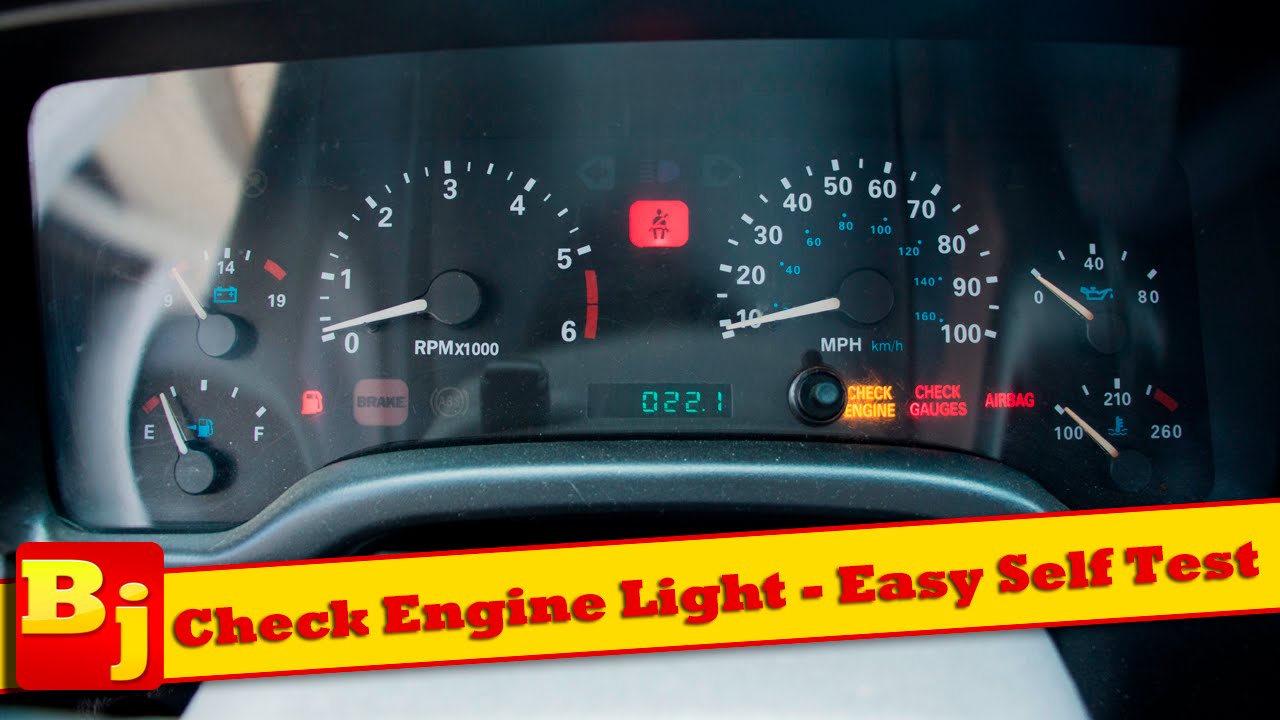
Common Causes
The check engine light on your Jeep signals the onboard computer has found a problem. It could relate to the engine, emissions, or transmission system.
Before rushing to the mechanic, try self-diagnosing the issue. This can save time and money.
Self-diagnosis helps identify trouble codes stored in your Jeep’s system. These codes explain what triggers the check engine light.
Two easy methods exist to read these codes without special tools.
Using The Ignition Key Method
This method uses your Jeep’s ignition key to retrieve trouble codes. First, insert the key into the ignition.
Then turn the key from OFF to ON three times quickly, stopping in the ON position. Do not start the engine.
The check engine light will flash a series of blinks. Each blink represents a number in the trouble code.
For example, two blinks followed by three blinks means code 23. Count the blinks carefully to record the code.
Write down all codes shown. These codes help identify the exact problem your Jeep faces.
This method works well for older Jeep models without a scanner.
Reading Trouble Codes Without A Scanner
Newer Jeep models use the OBD-II system to store trouble codes. Without a scanner, you can still access these codes using the ignition key method described above.
The codes flash through the check engine light.
If you have a smartphone, some apps can read these codes wirelessly with a simple adapter. This allows easy access to trouble codes anytime.
Knowing the codes helps you decide if a mechanic visit is needed.
Self-diagnosis gives insight into your Jeep’s health. It helps prevent small issues from becoming costly repairs.
Self-diagnosis Steps
The check engine light on a Jeep can turn on for several reasons. Some problems are easy to fix at home.
These quick fixes often save time and money. They help you avoid bigger issues later.
Start with these simple steps before visiting a mechanic.
Tightening Or Replacing The Gas Cap
A loose or damaged gas cap can cause the check engine light. Fuel vapors may leak, triggering the warning.
Turn off the engine and check the gas cap. Tighten it by turning clockwise until it clicks.
If the cap is cracked or worn, replace it with a new one. This fix usually clears the light after a few drives.
Replacing Spark Plugs And Wires
Bad spark plugs or wires cause engine misfires and rough running. The check engine light often appears in this case.
Remove old plugs carefully and check for wear or deposits. Replace with new spark plugs designed for your Jeep model.
Also, inspect the spark plug wires for cracks or damage. Replacing these parts improves engine performance and may turn off the warning light.
Cleaning Or Replacing The Maf Sensor
The Mass Airflow (MAF) sensor measures air entering the engine. Dirt or damage affects its reading, causing the engine light to come on.
Locate the MAF sensor near the air filter box. Remove it gently and clean with MAF sensor cleaner spray.
Do not use other cleaners that may harm the sensor. If cleaning does not help, replace the sensor.
This fix can improve fuel efficiency and engine smoothness.
Addressing Catalytic Converter Issues
The catalytic converter reduces harmful emissions. A failing converter triggers the check engine light and lowers performance.
Signs include poor acceleration and strange smells. Inspect the converter for damage or clogging.
Minor blockages might clear after driving at highway speeds. Severe problems require a replacement, which a mechanic should handle.
Fixing the catalytic converter helps your Jeep run cleaner and pass emissions tests.
Quick Fixes
The check engine light on your Jeep signals a problem your vehicle detects. Some issues may be minor, but others need expert care.
Knowing when to seek professional help protects your Jeep and your wallet. Avoid guessing and act swiftly to keep your Jeep in good shape.
Using Jeep Dealer Locator
Find nearby Jeep dealers easily with the Jeep Dealer Locator tool. It shows authorized service centers close to your location.
Choose a dealer for trusted service and genuine parts. This tool saves time and ensures your Jeep gets proper care.
Certified Technician Services
Certified technicians understand Jeep vehicles inside and out. They use special tools to diagnose and fix problems accurately.
Rely on their training for safe and effective repairs. Certified service maintains your Jeep’s warranty and performance.
Avoiding Costly Repairs
Ignoring the check engine light can lead to bigger problems. Small issues can turn into expensive repairs quickly.
Getting professional help early saves money and stress. Protect your Jeep by fixing issues before they worsen.
When To Seek Professional Help
Driving with the check engine light on in your Jeep can feel worrying. This light means the car’s computer found a problem.
Sometimes the problem is small, other times it is serious. Knowing how to drive safely and what risks to expect helps protect your Jeep and yourself.
Risks Of Ignoring The Light
Ignoring the check engine light can cause major damage. A small issue can grow into a costly repair.
The engine could overheat or stall without warning. Emissions may increase, harming the environment.
Your Jeep’s fuel efficiency may drop, costing more money. Some problems might cause unsafe driving conditions.
Ignoring the light risks leaving you stranded on the road.
Safe Driving Tips
Drive gently with the check engine light on. Avoid hard acceleration and high speeds.
Keep an eye on the temperature gauge. If the engine heats up, stop driving immediately.
Reduce your driving to essential trips only. Have your Jeep checked by a mechanic as soon as possible.
Use a diagnostic tool or visit a service center. Early attention can prevent bigger problems later.
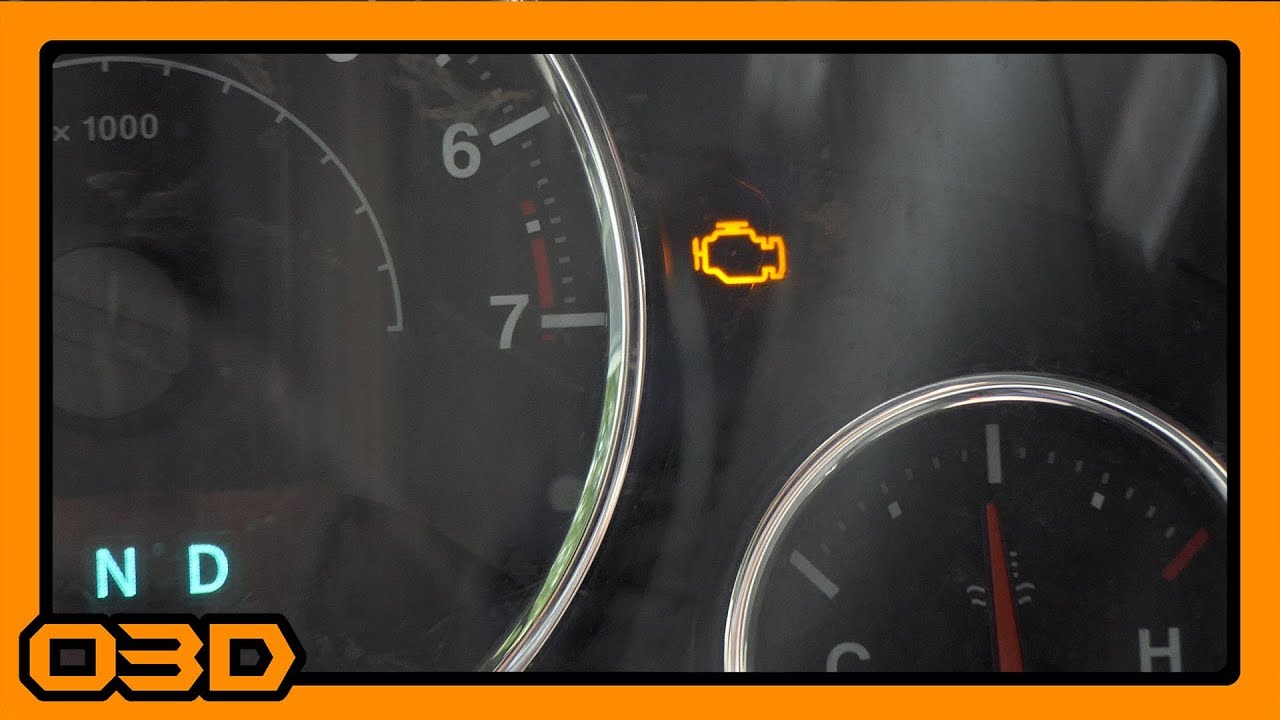
Driving With The Light On
Keeping your Jeep running smoothly means paying attention to basic maintenance. Regular care helps prevent the check engine light from turning on.
It also extends the life of your vehicle. Follow these simple maintenance tips to avoid common engine problems and costly repairs.
Regular Oil Changes
Change the engine oil and filter at the recommended intervals. Fresh oil keeps the engine parts lubricated and cool.
Dirty oil can cause engine wear and trigger the check engine light. Always use the oil grade suggested in your Jeep’s manual.
This simple step protects your engine and improves fuel efficiency.
Routine Engine Checks
Inspect your engine regularly for leaks, cracks, or loose parts. Check belts and hoses for wear or damage.
A cracked hose or loose connection can cause engine errors. Listen for unusual noises or rough idling.
Early detection of issues helps prevent the check engine light from coming on.
Sensor Maintenance
Sensors monitor your engine’s performance and emissions. Keep sensors clean and free of dirt or oil buildup.
Faulty sensors often cause the check engine light to activate. If a sensor fails, replace it promptly to maintain proper engine function.
Clean sensors help your Jeep run efficiently and reduce emissions.
Frequently Asked Questions
Can I Drive My Jeep With The Engine Light On?
Driving your Jeep with the engine light on is risky. Schedule a diagnostic check promptly to prevent costly damage.
Why Would My Check Engine Light Come On On My Jeep?
Your Jeep’s check engine light signals the onboard computer detected engine, emissions, or transmission issues. Common causes include a loose gas cap, faulty spark plugs, a bad catalytic converter, or a malfunctioning mass airflow sensor.
Address the warning promptly to avoid costly repairs.
Can Low Oil Cause A Check Engine Light?
Low oil levels can trigger the check engine light by causing engine stress or sensor warnings. Always check oil regularly.
Can I Drive $1000 Miles With The Check Engine Light On?
Driving 1,000 miles with the check engine light on risks severe damage. Get a diagnostic check immediately to avoid costly repairs.
Conclusion
The check engine light on your Jeep warns you of possible engine or emission problems. Ignoring it can lead to bigger, costly repairs.
Start by checking simple issues like a loose gas cap. Use easy self-diagnosis steps to find trouble codes.
Visit a trusted mechanic for a full inspection if needed. Stay alert and act quickly to keep your Jeep running smoothly and safely.