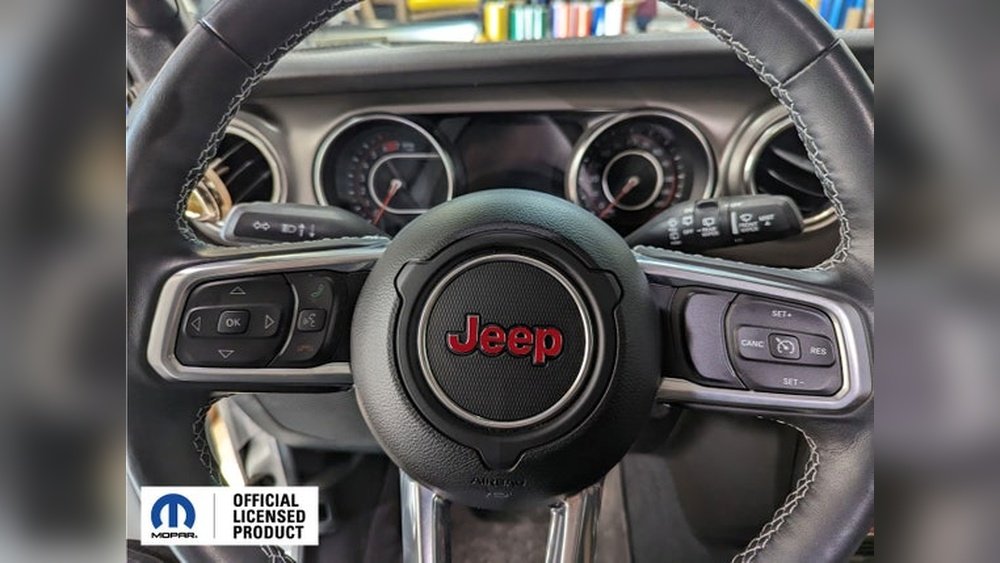
When you own a Jeep Liberty, you may come across the phrase Type 35 in manuals, battery guides, or online forums. This term can confuse even experienced drivers.
So, what does Type 35 mean? In the world of automotive care, it refers to a specific battery group size.
Choosing the right battery is crucial for your Jeep Liberty’s performance, reliability, and safety. This article breaks down everything you need to know about Type 35 on Jeep Liberty, covering all 35 important battery group characteristics, practical examples, and comparisons to help you make confident decisions.

Understanding Type 35 On Jeep Liberty
The Type 35 label is linked to the Battery Council International (BCI) standards. It defines battery size, terminal placement, capacity, and other factors. For Jeep Liberty, this group is a common fit, but knowing the details helps avoid mistakes.
35 Key Characteristics Of Type 35 Battery
Here are the 35 most important properties and features you should know about Type 35 batteries for Jeep Liberty:
1. Physical Size
Type 35 batteries typically measure about 9. 1” x 6.
9” x 8. 9” (L x W x H). This fits the Jeep Liberty’s battery tray.
2. Terminal Location
They have top post terminals, making connections easy and secure.
3. Polarity
Most Type 35 batteries have positive terminal on the right, matching the Liberty’s wiring.
4. Cold Cranking Amps (cca)
Usually rated between 620–750 CCA, suitable for starting in cold weather.
5. Reserve Capacity (rc)
Average RC is 110–130 minutes, ensuring power if the alternator fails.
6. Amp-hour (ah) Rating
Typically 48–60 AH, balancing power and size.
7. Voltage
Standard 12V, compatible with Jeep Liberty’s electrical system.
8. Weight
Most weigh 36–45 lbs, easy for one person to handle.
9. Construction
Usually lead-acid, but AGM options exist for better vibration resistance.
10. Brand Compatibility
Major brands like Interstate, DieHard, and Optima offer Type 35 batteries.
11. Warranty
Average warranty is 2–3 years, though some premium models offer up to 5 years.
12. Price Range
Costs range from $120–$220 depending on brand and features.
13. Maintenance Needs
Most are maintenance-free, no need to add water.
14. Cycle Life
Can last 300–500 cycles, depending on usage.
15. Heat Tolerance
Built to handle high engine bay temperatures.
16. Vibration Resistance
AGM Type 35 batteries resist vibration better, ideal for off-road use.
17. Charging Profile
Standard 14–14.8V charging is optimal.
18. Shelf Life
Can hold charge for 6–12 months if unused.
19. Replacement Frequency
Most owners replace every 4–5 years.
20. Recycling
Fully recyclable; stores accept old batteries for proper disposal.
21. Terminal Protection
Many models feature anti-corrosion covers.
22. Compatibility With Accessories
Supports extra lights, winches, and audio systems.
23. Installation Ease
Fits easily in Liberty’s battery compartment.
24. Oem Approval
Matches Jeep’s original equipment manufacturer specs.
25. Availability
Widely available at auto stores and online.
26. Charging Time
Full recharge takes about 4–6 hours with standard chargers.
27. Depth Of Discharge
Most can handle up to 50% discharge without damage.
28. Safety Features
Includes flame arrestors and sealed casings.
29. Performance In Cold Climates
Works reliably in temperatures down to -20°F.
30. Performance In Hot Climates
Functions well up to 120°F.
31. Terminal Size
Standard SAE post size for easy hookup.
32. Labeling And Markings
Clear BCI Group 35 labeling for identification.
33. Replacement Process
Simple swap with basic tools.
34. Battery Tester Compatibility
Works with standard testers for diagnostics.
35. Aftermarket Support
Strong aftermarket support for upgrades and accessories.
Comparing Type 35 With Other Battery Types
Many Jeep Liberty owners wonder if other battery types might work better. Here’s a quick comparison:
| Battery Group | Size (inches) | CCA | Fits Jeep Liberty |
|---|---|---|---|
| 35 | 9.1 x 6.9 x 8.9 | 620–750 | Yes |
| 34 | 10.2 x 6.8 x 7.9 | 690–800 | Sometimes |
| 24 | 10.3 x 6.8 x 8.9 | 600–800 | No |
Common Mistakes When Choosing Type 35
Many beginners overlook these points:
- Buying wrong polarity: A reversed terminal can cause electrical problems.
- Ignoring CCA rating: Low CCA may leave you stranded in winter.
- Not checking fit: Batteries that are too large or small won’t secure properly.
Real-world Example
A 2012 Jeep Liberty owner replaced their old battery with a Type 35 AGM. They noticed improved cold starts and better support for their upgraded stereo system.
This shows the importance of matching the right battery group.
Battery Life And Performance Data
Battery life depends on climate and driving habits. Here’s some average data:
| Climate | Average Battery Life | Performance Notes |
|---|---|---|
| Cold | 5 years | Stable starts, slow discharge |
| Hot | 3–4 years | Faster wear, frequent checks needed |
| Moderate | 4–5 years | Balanced performance |
Tips For Maximizing Battery Life
- Clean terminals every 6 months
- Avoid deep discharges
- Check for secure fit after installation
- Test battery yearly with a diagnostic tool
Frequently Asked Questions