If you’ve ever noticed a lightning bolt symbol flashing on your Jeep’s dashboard and wondered what it means, you’re not alone. This small icon can cause a lot of confusion and even worry.
But understanding what that lightning bolt represents is important for keeping your Jeep running smoothly and avoiding bigger problems down the road. You’ll learn exactly what the lightning bolt means, why it appears, and what steps you should take the moment it shows up.
Keep reading to protect your Jeep and drive with confidence!
Lightning Bolt Symbol On Jeep
The lightning bolt symbol on a Jeep often causes concern among drivers. This icon is more than just a design, it signals specific vehicle conditions.
Understanding what it means helps Jeep owners react quickly and correctly. It usually relates to the vehicle’s electronic throttle control system.
When this symbol appears, it often means the Jeep is in a reduced power mode. This mode helps protect the engine and transmission from potential damage.
Drivers may notice decreased acceleration and other performance changes. The lightning bolt warns that a system needs attention or repair.
Appearance And Location
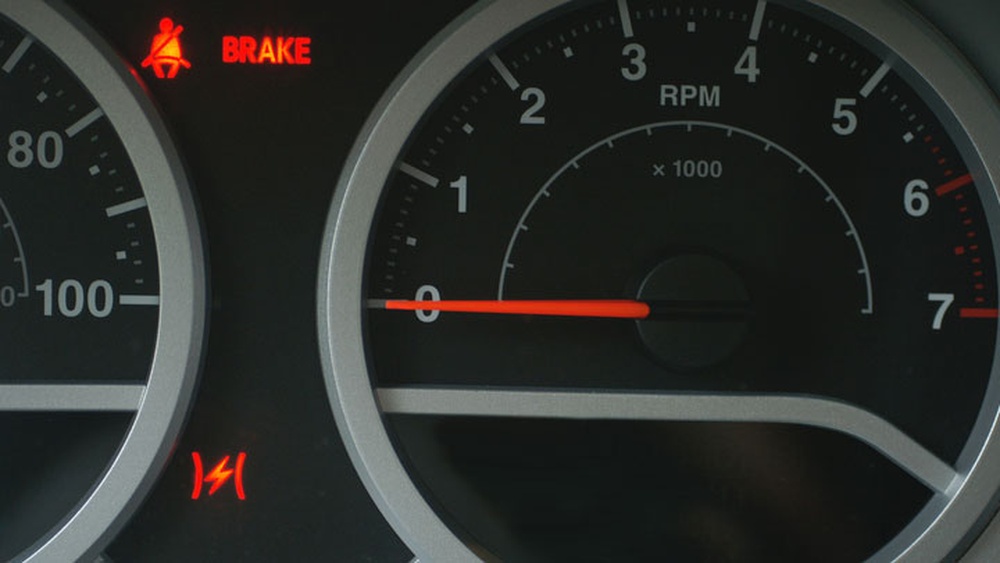
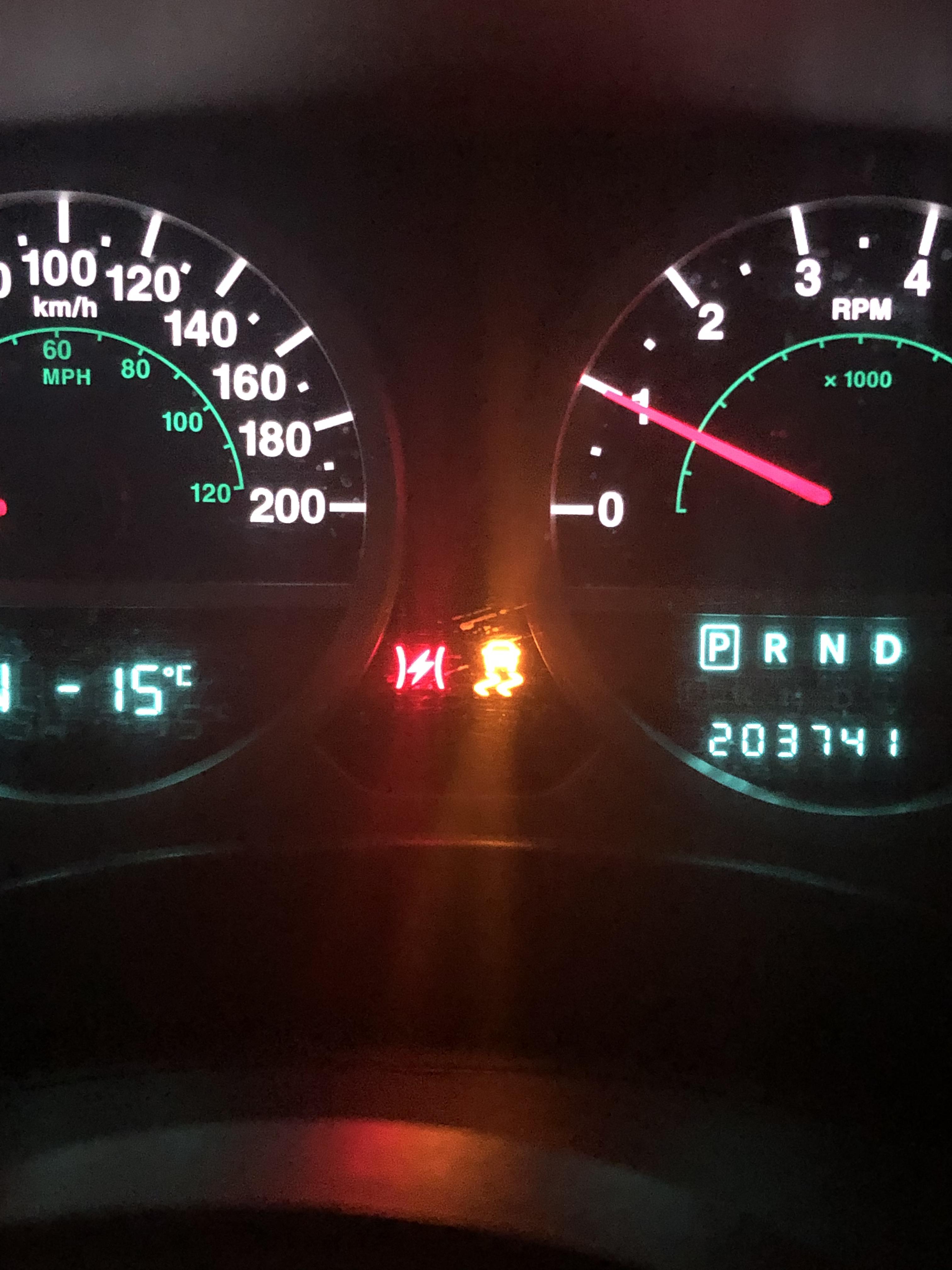
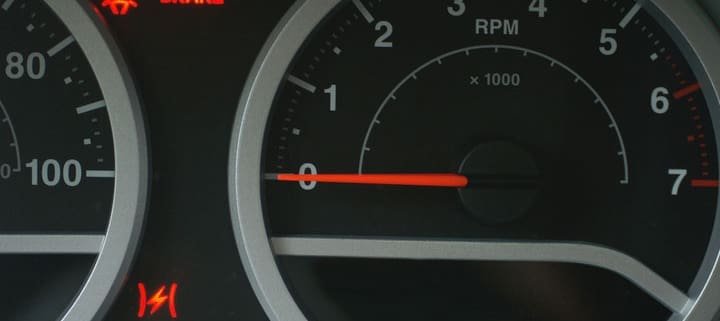
The lightning bolt symbol looks like a sharp, zigzag line. It is usually displayed in bright yellow or red on the dashboard.
The icon often lights up near the speedometer or tachometer. It may appear alongside other warning lights.
This symbol is designed to catch the driver’s eye quickly.
Common Models Displaying The Symbol
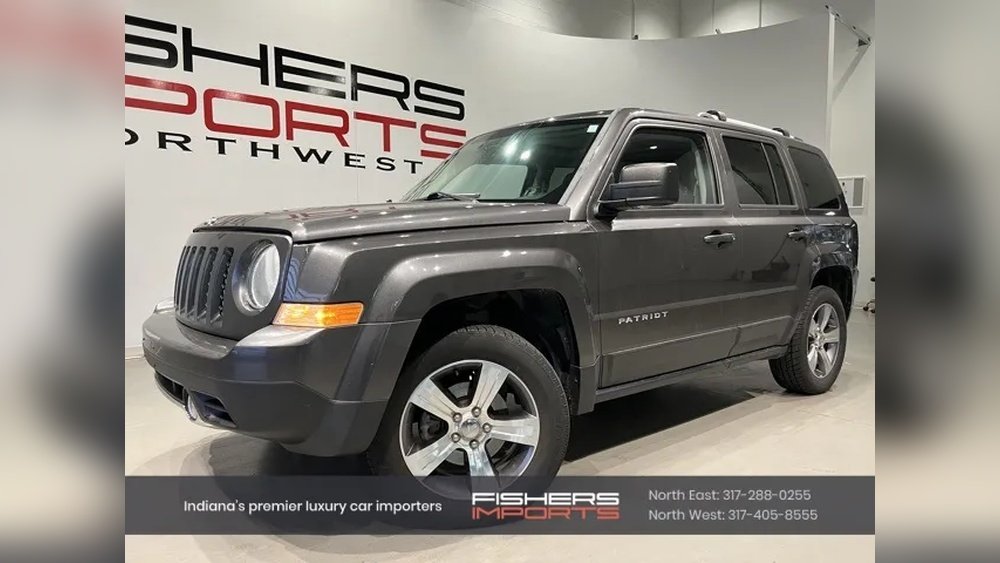
Several Jeep models show the lightning bolt symbol when issues arise. The Jeep Wrangler and Cherokee are common examples. Jeep Grand Cherokee models also use this indicator. This symbol appears in both older and newer Jeep vehicles. It signals a problem with the electronic throttle control system or related parts.

Meaning Behind The Lightning Bolt
A lightning bolt on a Jeep dashboard signals an issue with the Electronic Throttle Control system. It often means the vehicle is in low power or limp mode to protect the engine.
Checking engine fluids or restarting the car may help temporarily clear the warning.
The lightning bolt symbol on a Jeep’s dashboard signals a problem. It usually relates to the vehicle’s throttle system.
This icon warns drivers about electronic issues that affect engine power. The symbol aims to alert you early, helping avoid bigger problems.
Jeep models, like many Chrysler vehicles, use this light to show the Electronic Throttle Control system needs attention. This system controls how the engine responds when you press the gas pedal.
If the system detects a fault, it triggers the lightning bolt light. Understanding this warning helps keep your Jeep running safely and smoothly.
Electronic Throttle Control Issues
The Electronic Throttle Control (ETC) manages air flow to the engine. It replaces the old mechanical link between the gas pedal and the throttle.
When the ETC has a fault, the lightning bolt light appears. Common causes include sensor failure, wiring problems, or a dirty throttle body.
These issues can disrupt how the engine receives air and fuel.
When the ETC fails, the Jeep’s computer limits engine power to prevent damage. You may notice rough idling or hesitation during acceleration.
The system’s goal is to protect the engine and keep you safe. Ignoring this warning can lead to more serious engine or transmission problems.
Low Power And Limp Home Mode
The lightning bolt also signals that the Jeep has entered limp home mode. This mode reduces engine power to protect key components.
It allows you to drive slowly to a repair shop without causing further damage. Engine performance drops, and acceleration feels weak.
Limp mode helps avoid a complete breakdown but is not meant for long drives. You should get your Jeep checked as soon as possible.
Repairing the throttle control or related parts usually clears the warning light. Staying aware of this signal can save time and money on repairs.
Common Causes For The Warning
The lightning bolt symbol on a Jeep’s dashboard signals an issue that limits engine power. This warning often appears to protect the engine and transmission from damage.
Understanding the common causes helps Jeep owners act quickly. Below are the main reasons this warning might show up.
Throttle Body Malfunction
The throttle body controls air flow to the engine. When it malfunctions, the engine may lose power.
Dirt or carbon buildup can block the throttle body. Sensors inside may fail or send wrong signals.
This causes the Jeep to enter limp mode, showing the lightning bolt.
Low Coolant Levels
Coolant keeps the engine from overheating. Low coolant triggers the warning light.
Leaks or evaporation can cause coolant levels to drop. The engine may overheat if not fixed soon.
Checking the coolant reservoir regularly helps prevent this problem.
Coolant Temperature Sensor Failure
The coolant temperature sensor tells the engine control unit how hot the engine is. A faulty sensor gives incorrect temperature readings.
This confuses the engine management system. The Jeep may limit power to avoid engine damage. Replacing the sensor fixes this issue.
Impact On Jeep Performance
The lightning bolt symbol on a Jeep’s dashboard signals changes in vehicle performance. This warning often affects how the engine and traction systems behave.
Understanding these impacts helps Jeep owners react wisely and maintain safety.
Reduced Engine Power
The lightning bolt means the engine runs in a limited power mode. This mode protects the engine from damage.
The Jeep might feel slower or less responsive. Acceleration can be weaker, making driving uphill or merging harder.
This reduced power helps avoid bigger engine problems.
Rough Idle And Stalling Risks
The warning can cause the engine to idle roughly. The Jeep might shake or sound uneven at a stop.
There is a risk of the engine stalling unexpectedly. Stalling can be dangerous in traffic or on hills.
Drivers should be prepared for sudden changes in engine behavior.
Traction Control Interactions
The lightning bolt can affect the traction control system. Traction control helps keep the Jeep stable on slippery roads.
When the warning is active, traction control may not work properly. This can lead to reduced grip and stability.
Drivers should take extra caution on wet or icy surfaces.
Immediate Actions For Drivers
The lightning bolt symbol on your Jeep signals a problem with the electronic throttle control system. It means the vehicle may enter low power or limp mode to protect itself.
Taking quick action helps prevent further damage and keeps you safe on the road.
Follow these immediate steps to address the warning light. They can help you manage the issue before it worsens or requires costly repairs.
System Reset Procedures
First, find a safe place to pull over. Turn off the engine completely.
Wait for about 30 seconds to 1 minute. Restart the Jeep and see if the lightning bolt light goes off.
This reset can clear temporary glitches in the electronic system. If the light stays on, move to the next steps.
Checking Engine Fluids
Open the hood and inspect the coolant level. Low coolant often triggers the warning.
Add coolant if the level is below the minimum mark. Also, check the engine oil and brake fluid levels.
Proper fluid levels keep the engine running smoothly. Use the correct type of fluids as recommended in your owner’s manual.
When To Seek Professional Help
If the warning light remains on after a reset and fluid check, visit a certified mechanic. The issue may involve the throttle body, sensors, or wiring.
Driving with a faulty electronic throttle can cause engine damage. Professionals can run diagnostics to find and fix the exact cause.
Do not ignore persistent warning lights to avoid costly repairs later.
Repair And Maintenance Options
The lightning bolt on your Jeep’s dashboard signals a problem with the electronic throttle control system. This warning means the vehicle may enter low power or limp home mode.
Addressing this issue quickly helps avoid further damage and keeps your Jeep running smoothly.
Several repair and maintenance options fix the underlying causes of this warning. Regular checks and timely repairs ensure your Jeep’s performance stays strong.
The main focus is on the throttle body and coolant system, which often trigger this alert.
Throttle Body Cleaning And Replacement
The throttle body controls air flow to the engine. Dirt and grime can build up, causing poor performance and the lightning bolt warning.
Cleaning the throttle body removes these deposits and improves airflow. In some cases, replacement is needed if damage or wear is severe.
Proper throttle body function restores smooth acceleration and engine response.
Coolant System Inspection
Low coolant or a faulty temperature sensor can also cause the warning light. Checking coolant levels is a simple first step.
Inspect hoses, radiator, and sensors for leaks or damage. Replacing a bad coolant sensor or topping off the fluid often resolves the issue.
A healthy coolant system prevents engine overheating and protects vital parts.
Cost Estimates For Repairs
Cleaning a throttle body usually costs between $100 and $200. Replacing the throttle body can range from $300 to $600, depending on the Jeep model.
Coolant system repairs vary widely, from $50 for a sensor fix to $300 for more extensive work. Prices depend on labor rates and parts availability.
Early diagnosis lowers repair costs and avoids breakdowns.
Preventive Measures For Jeep Owners
Preventive measures keep your Jeep running safely and smoothly. Paying attention to simple tasks can avoid serious problems linked to the lightning bolt warning.
This symbol often points to issues with the electronic throttle control or low power mode. Taking steps early helps maintain Jeep performance and safety on the road.
Regular Fluid Checks
Check your Jeep’s fluids regularly to avoid engine trouble. Engine coolant is key; low levels can trigger the lightning bolt warning.
Look at the coolant reservoir and top it up if needed. Also, check engine oil and brake fluid.
Clean and full fluids keep your Jeep’s systems working well.
Scheduled Maintenance Tips
Follow the Jeep maintenance schedule in the owner’s manual. Regular service visits include throttle body inspection and cleaning.
Replace worn parts early to prevent warning lights. Service appointments keep sensors and controls functioning properly.
Staying on schedule reduces the risk of limp mode activation.
Monitoring Dashboard Warnings
Watch your dashboard for any warning lights, especially the lightning bolt. Don’t ignore this sign; it signals a possible throttle control issue.
Respond quickly by checking the vehicle or visiting a mechanic. Early attention prevents bigger repairs and keeps your Jeep safe to drive.
Myths And Misconceptions
The lightning bolt symbol on a Jeep dashboard often causes confusion. Many drivers do not understand its true meaning.
This confusion leads to myths and misconceptions about vehicle health and safety. Knowing the facts helps Jeep owners respond correctly to this warning.
Confusing The Lightning Bolt With Other Warnings
Some drivers mistake the lightning bolt for a battery warning light. They assume it signals a dead battery or charging issue.
The lightning bolt actually relates to the Electronic Throttle Control system. It warns of reduced engine power or electronic throttle problems.
Mixing these warnings can lead to improper reactions or delayed repairs.
Misunderstanding Limp Mode
The lightning bolt often indicates the vehicle is in limp mode. Limp mode limits engine power to protect the engine from damage.
Many drivers think limp mode means the car is unsafe to drive. In reality, limp mode allows the Jeep to reach a service center safely.
Misunderstanding this feature may cause panic or unnecessary towing.
Conclusion
The lightning bolt on your Jeep signals an issue with the throttle control. It warns you that the vehicle may reduce power to protect the engine.
Don’t ignore this sign; check your fluids and consider a quick system reset. If the light stays on, visit a mechanic for a proper diagnosis.
Understanding this symbol helps keep your Jeep running safely and smoothly. Stay alert, and take action when the lightning bolt appears.