Choosing the right coolant for your Jeep Wrangler keeps your engine safe, especially during hot summers and freezing winters. But with so many Jeep models like JK, JL, TJ, and XJ, owners often get confused about which coolant to use.
This guide explains which coolant works for your Wrangler, why it matters, and how to avoid costly mistakes.
Why Coolant Type Matters For Your Jeep Wrangler
Coolant, or antifreeze, does more than prevent overheating. It also protects metal parts from rust and keeps seals working well. The wrong coolant can cause leaks, corrosion, or even major engine damage.
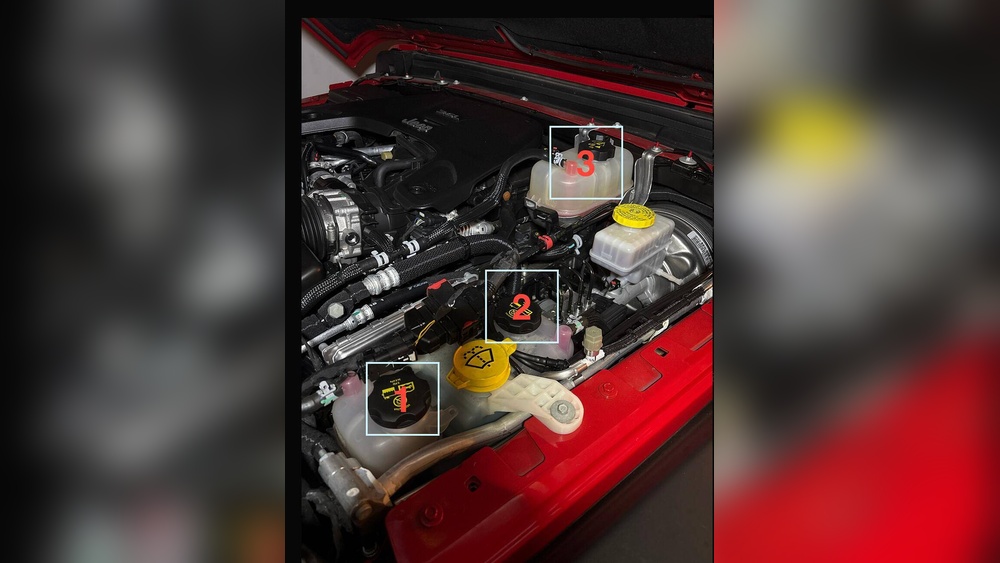
Jeep Wranglers are built tough, but using the correct coolant is essential for long-term reliability.
Understanding Jeep Wrangler Generations And Engines
Different Wrangler generations use different engines and cooling systems. That’s why coolant requirements change over the years.
| Generation | Model Years | Common Engines | Recommended Coolant Type |
|---|---|---|---|
| TJ | 1997–2006 | 4.0L I6, 2.4L I4 | Green (IAT) |
| JK | 2007–2018 | 3.6L V6, 3.8L V6 | HOAT (Orange/Purple) |
| JL | 2018–present | 2.0L Turbo, 3.6L V6, 3.0L Diesel | OAT (Purple) |
| XJ | 1984–2001 | 4.0L I6, 2.5L I4 | Green (IAT) |
What Do Coolant Types Mean?
- IAT (Inorganic Additive Technology): Old-style, green coolant. Used in older Jeeps (XJ, early TJ).
- HOAT (Hybrid Organic Acid Technology): Orange or yellow. Used in JK models.
- OAT (Organic Acid Technology): Purple or pink. Found in newer JL Wranglers.
How To Find The Right Coolant For Your Jeep
Finding the correct coolant depends on your Wrangler’s year, engine, and trim. Here’s a quick way to check:
- Open your hood and find the coolant reservoir label.
- Check your owner’s manual for specs.
- If unsure, use the Mopar coolant recommended for your year and engine.
Compatibility Tips
- Never mix different coolant types (like HOAT and OAT).
- If you must switch types, flush the entire cooling system first.
- Some aftermarket brands claim “universal” fit, but always double-check with Jeep specs.
Common Wrangler Coolants Compared
Let’s see how popular coolant types for Wrangler models compare:
| Coolant Type | Color | Service Life | Models Used |
|---|---|---|---|
| IAT | Green | 2 years/30,000 miles | TJ, XJ |
| HOAT | Orange/Yellow | 5 years/100,000 miles | JK |
| OAT | Purple/Pink | 10 years/150,000 miles | JL |
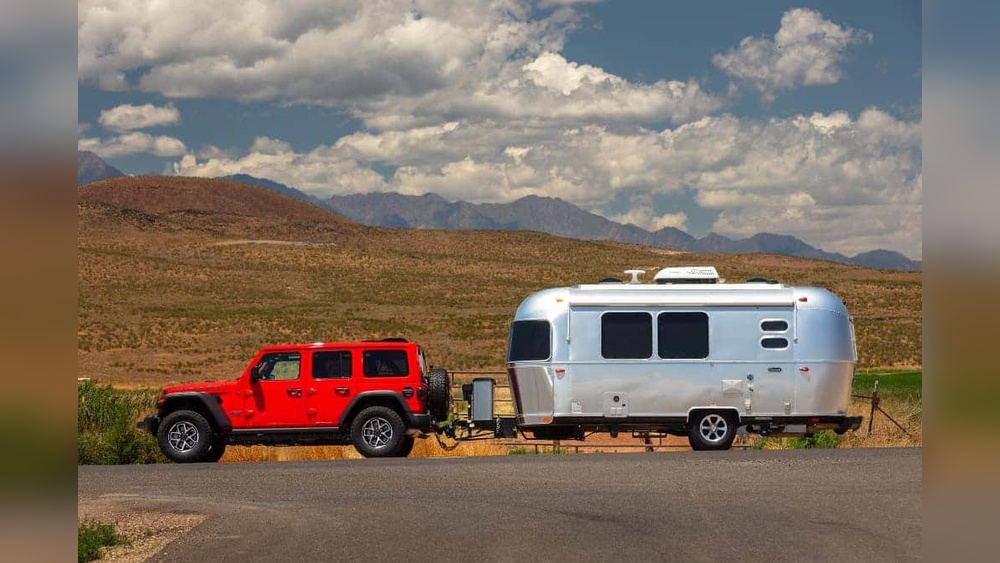
Non-obvious tip: If your Jeep is modified for towing, off-roading, or has an aftermarket radiator, always stick to the factory-recommended coolant. Mixing types or using cheap “universal” options can void warranties and harm the cooling system.
What You’ll Need To Change Your Coolant
Gather these before you start; having everything on hand keeps the job to under an hour:


How To Change Jeep Wrangler Coolant
Changing coolant is a simple way to keep your engine safe. Here are the basic steps:
- Wait for the engine to cool completely.
- Place a drain pan under the radiator.
- Open the drain plug and empty the old coolant.
- Close the plug, then refill with the recommended coolant and distilled water (50/50 mix).
- Start the engine and let it warm up to remove air pockets.
- Check levels again after a short drive.
If your Jeep has overheating symptoms like a hot temperature gauge, steam, or strange smells, don’t just top off coolant. These can signal leaks, a bad thermostat, or a failing water pump. In these cases, visit a trusted mechanic.
Buying Tips: What To Look For
When shopping for coolant, always check:
- Model year compatibility: JL, JK, TJ, and XJ Wranglers use different types.
- Coolant color: While not perfect, color is a quick clue. Green is for older Jeeps, orange for JK, purple for JL.
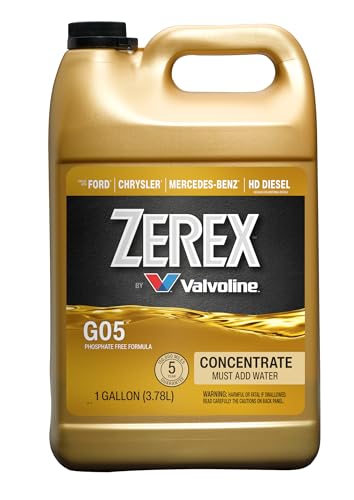
- OEM vs. aftermarket: Mopar brand is safest, but some high-quality aftermarket options (like Zerex G05 for HOAT) also work.
Never buy coolant just because it’s cheap or “universal. ” Wrong fluid can lead to repairs costing $300 $1,000.
Common Mistakes Jeep Owners Make
- Mixing coolant types. This causes sludge and can block cooling passages.
- Ignoring leaks. Even small leaks can lead to overheating.
- Forgetting regular changes. Old coolant loses its protective properties.
- Using tap water instead of distilled water. Minerals can clog your radiator.
Pro insight: After heavy off-roading or towing, check coolant levels more often. Mud and debris can damage cooling system parts faster than normal use.
Genuine Mopar Coolant Vs. Aftermarket Brands
Should you always use Mopar coolant for your Wrangler? For warranty purposes, Mopar is safest. However, top aftermarket brands meet or beat OEM specs.
| Brand | Coolant Type | Wrangler Models | Notes |
|---|---|---|---|
| Mopar | OAT, HOAT, IAT | All | Factory-approved |
| Zerex G05 | HOAT | JK | Meets Chrysler spec |
| Peak OET | OAT | JL | Good for newer models |
For more on keeping your cooling system in good shape, see our guide on how to tell if your radiator is leaking.
For more on Jeep cooling systems, check the Jeep Wrangler.
Which Coolant Does My 2012 Jeep Wrangler JK Need?
A 2012 Wrangler JK uses HOAT coolant (often orange or yellow). Mopar 10-Year/150,000 Mile Formula HOAT is the factory option.
Can I Mix Green And Orange Coolant In My Wrangler?
No. Mixing different coolant types can cause sludge and blockages. Always flush the system if switching types.
How Often Should I Change My Jeep’s Coolant?
For most Wranglers:
IAT (Green): Every 2 years/30,000 miles.
HOAT (Orange): Every 5 years/100,000 miles.
OAT (Purple): Every 10 years/150,000 miles.
What Are Signs Of Bad Coolant In My Wrangler?
Common symptoms include:
Sweet smell under the hood
Overheating engine
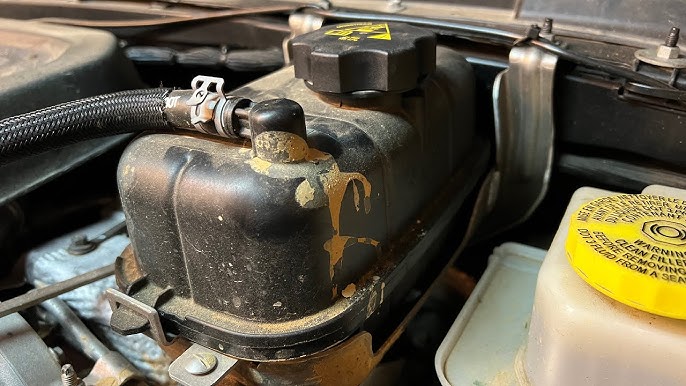
Rusty or cloudy coolant in the reservoir
Is Distilled Water Required For Mixing Coolant?
Yes. Always use distilled water to avoid mineral buildup, which can clog the radiator and heater core.
- Jeep Wrangler maintenance schedule
- Signs your radiator needs replacing
- How to flush your car’s cooling system
The right coolant keeps your Jeep Wrangler running strong. Always check your year and engine, use only compatible fluids, and don’t cut corners. Your Jeep will thank you with years of adventure.
Conclusion
Choosing the correct coolant for your Jeep Wrangler is one of the easiest ways to protect the engine and avoid expensive cooling system problems.
Always match the coolant to your Wrangler’s model year and engine, avoid mixing coolant types, and use distilled water when mixing concentrate. If your Jeep is overheating, losing coolant, or the fan is running loudly while idling, don’t ignore it.
Start by checking the coolant level when the engine is cold, then have the system inspected if the problem continues. A little care now can keep your Wrangler running cooler, safer, and ready for the road ahead.
Last update on 2026-11-25 / Affiliate links / Images from Amazon Product Advertising API
















Thanks for the quick, reliable answer to my question. I’m just a grandma trying to save some money that’s tight these days and certainly don’t want to cause any problems I can easily avoid. Thanks for the quick video too. I’ll take all the help I can get. I’m on my own here. Just bought my 2018 with 42,000 miles on her and I love it. I don’t love my temp guage rising while idling and the very loud fan noise. Everything I read or watch says check coolant first so thats what I’m doing. Hope it fixes the problem, if not, it’s off to the dealer and hopefully they treat me right. Glad I bought that warranty though bc you never know these days. Thanks again, safe travels everyone. Go America, I love this country. Let’s make her great again. We don’t all need to agree all the time but civil debate is a good thing that seems to have lost it’s way. Sorry for deviating from coolants but I feel it needs to be said. America is the best damn country in the world. We should be so proud of our America. Where else can you come from nothing and become successful and happy with some hard work and Love of God? Anyway, tx and be happy. 🇺🇸🇺🇸👋👍👍
Hi Clark, thanks so much for the kind words. I’m glad the guide helped, and congrats on the 2018 Wrangler.
You’re right to start with the coolant, but please only check the coolant level when the engine is completely cold. For a 2018 Wrangler, make sure the correct OAT coolant is used and don’t mix coolant types. If the temp rises while idling and the fan gets very loud even after the coolant level is correct, it’s worth having the dealer check it under warranty, especially for the thermostat, radiator, fan operation, or any air in the system.
Hope it’s an easy fix and you’re back to enjoying the Jeep soon. Safe travels!
From the service manual of my 2006 Wrangler TJ (4L I-6):
“Mopart Antifreeze/Coolant, 5 Year/100,000 Mile Formula (MS-9769), or the equivalent ethylene glycol base coolant with organic corrosion inhibitors (called HOAT, for Hybrid Organic Additive Technology) is recommended.”
It came with orange HOAT coolant, not the old green coolant.
Thanks for pointing that out, R Yoder — you’re right, and that’s a great catch. The 2006 Wrangler TJ (4.0L I-6) shipped with Mopar’s 5 Year/100,000 Mile HOAT (Hybrid Organic Additive Technology) coolant, MS-9769, not the older green IAT (conventional) coolant. Orange HOAT was Chrysler’s standard for that era before they moved to the yellow/gold OAT formula in later years.
If you’re topping off or doing a full flush, this is the correct spec: Genuine Mopar 68048953AC Antifreeze/Coolant, 5 Year/100,000 Mile MS-9769 — just remember it’s a concentrate, so mix 50/50 with distilled water.
We’ll update the post to reflect the correct coolant type and spec for the ’06 TJ. Appreciate you taking the time to check your service manual and share it — it helps other TJ owners avoid mixing coolant types, which can cause gelling/clogging issues in the cooling system.