Spotting a leaking radiator early can save you money, prevent damage, and help your car or home heating system run smoothly. Radiators play a crucial role in managing heat, whether in a vehicle engine or a building’s heating system.
Ignoring leaks can lead to overheating, engine failure, or water damage.
If you suspect your radiator is leaking, you need to act fast. Let’s explore practical ways to identify a radiator leak, what signs to watch for, and how to confirm your suspicions.

Common Signs Your Radiator Is Leaking
Some signs of a radiator leak are obvious, while others require a closer look. Here’s what to pay attention to:
- Visible puddles or drips: If you see coolant or water under your car or near the home radiator, this is a clear warning sign. The liquid may be green, orange, or pink, depending on the coolant type.
- Low coolant levels: A sudden drop in coolant is a strong indicator. If you’re topping up more often than usual, a leak is likely.
- Overheating: When coolant escapes, your engine or heating system can’t stay cool. You might notice the temperature gauge rising quickly.
- Steam or smoke: Steam coming from under the hood or from a radiator valve usually means coolant is escaping.
- Corrosion or rust: Leaking coolant can cause rust on the radiator’s exterior or on nearby metal parts.
- Sweet smell: Engine coolant often has a sweet, syrupy odor. If you notice this around your vehicle or radiator, check for leaks.
How To Check For Radiator Leaks
Identifying a leak takes a systematic approach. Here are the best steps to follow:
1. Let The System Cool Down
Never check a hot radiator. Hot coolant is under pressure and can cause burns.
Wait until the system is cool to touch before inspecting.
2. Inspect For Visible Leaks
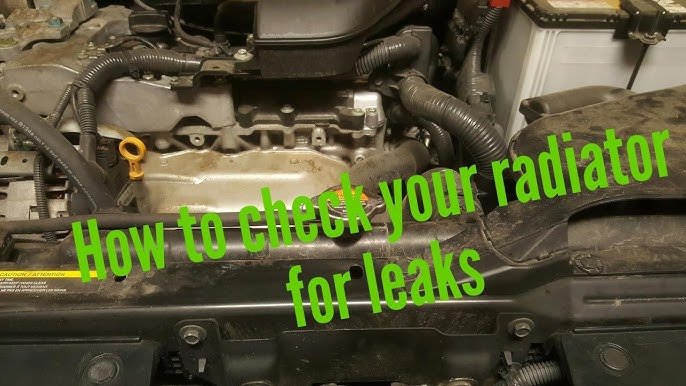
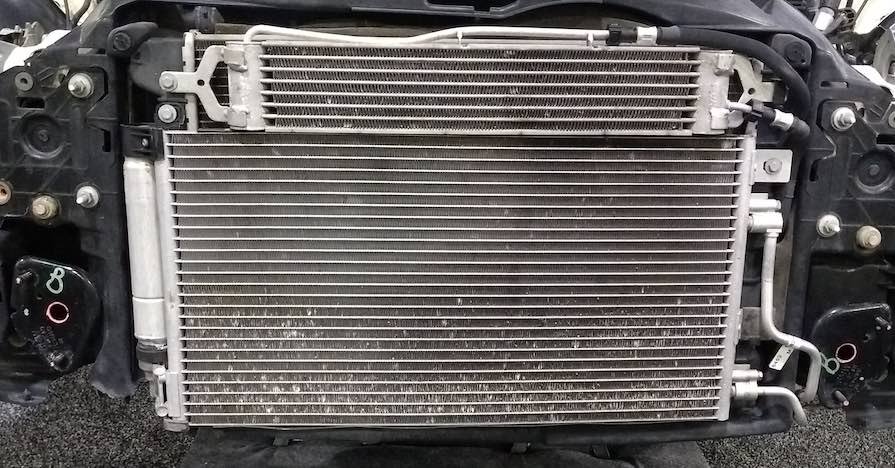
Look closely at the radiator, hoses, and connections. Check the area beneath for stains or wet spots.
In cars, inspect both the front and back of the radiator. In homes, look around valves and joints.
3. Check Coolant Levels
Open the coolant reservoir (never open a hot radiator cap) and check the level. If it’s low and you haven’t noticed a spill, a slow leak might be present.
4. Use Paper Towels Or Tissue
Place a paper towel under joints or suspected areas. Any moisture picked up will show up clearly, helping you pinpoint the location.
5. Pressure Test
A radiator pressure tester can help. This tool is available at auto parts stores and attaches to the radiator or coolant reservoir. It pressurizes the system so you can watch for leaks. Even a small drop in pressure is a clue.
6. Dye Test
Special UV dyes are available for coolant systems. Add the dye to your coolant, run the system, and inspect with a UV light.
Leaks will glow, making them easy to spot.
Types Of Radiator Leaks
Radiator leaks can occur in different places and for various reasons. Understanding where and why can help you find the source faster.
| Leak Location | Common Causes | Example |
|---|---|---|
| Core Tubes | Corrosion, physical damage | Tiny holes on the radiator fins |
| End Tanks | Cracks, faulty seals | Coolant dripping from plastic side tanks |
| Hoses | Wear, loose clamps | Wet spots at hose connections |
| Heater Core | Internal corrosion | Coolant on vehicle floor or foggy windows |
Comparing Coolant Leak Symptoms
Symptoms of a radiator leak can be confused with other problems. Here’s how radiator leaks compare with other common cooling issues:
| Symptom | Possible Cause | Is it a Leak? |
|---|---|---|
| Low coolant only | Leak, evaporation, faulty cap | Leak likely if frequent |
| Steam from engine | Leak, overheating, blocked radiator | Leak possible |
| Wet floor inside car | Heater core leak | Yes |
| White exhaust smoke | Blown head gasket | Not radiator leak |
Non-obvious Clues Most People Miss
Many beginners focus only on puddles, but two subtle clues often go unnoticed:
- Odd engine behavior: If your car’s engine starts to idle roughly or misfire, coolant might be leaking into the combustion chamber.
- Frequent need to top off coolant without visible leaks: Sometimes coolant evaporates through tiny cracks. These “micro-leaks” may only show up during pressure testing or with UV dye.
For home radiators, a sudden drop in heating efficiency without visible water may signal an internal leak or air entering the system.
What To Do If You Find A Leak
If you confirm a radiator leak, take these steps:
- Do not drive or operate the system if the leak is large. Running a car or heater with low coolant can cause severe damage.
- Top off coolant if you must move the vehicle, but monitor the temperature gauge closely.
- Mark the leak location with tape or a marker to help a mechanic or plumber find it quickly.
- Seek professional help for repairs, especially if the leak is large or hard to access. DIY sealants are a temporary fix at best.
- Monitor closely after repair to ensure the problem is solved.
Preventing Future Radiator Leaks
A few maintenance habits can reduce your risk:
- Inspect hoses and clamps every few months.
- Use the correct coolant for your system (check your manual).
- Flush the radiator and change coolant as recommended (usually every 2-5 years).
- Never ignore overheating or dashboard warning lights.
Frequently Asked Questions
What Is The Most Common Cause Of Radiator Leaks?
The most common cause is corrosion inside the radiator or hoses. Over time, coolant can become acidic and eat away at metal or rubber parts.
Can I Drive With A Leaking Radiator?
It is not safe to drive with a leaking radiator. Even a small leak can lead to engine overheating and expensive repairs. Only drive if necessary and refill coolant often.
How Much Does It Cost To Fix A Radiator Leak?
Repair costs vary. Simple hose replacements might cost $50-$150, while full radiator replacements can run $400 or more for cars. Home radiator repairs depend on the system and can be higher. For details, see Consumer Reports.
Are Radiator Stop-leak Products Effective?
Stop-leak products can offer a temporary solution for very small leaks. They are not recommended for large leaks or as a permanent fix. Overuse can clog your system.
How Often Should I Check My Radiator For Leaks?
Check your radiator at least twice a year or whenever you notice temperature changes, low coolant, or strange smells. Regular checks help catch problems early.
Finding and fixing radiator leaks quickly can save you from bigger problems down the road. Pay attention to small changes, use the right tools, and don’t hesitate to get professional help if you’re unsure.
Your car or home will thank you for it.



















