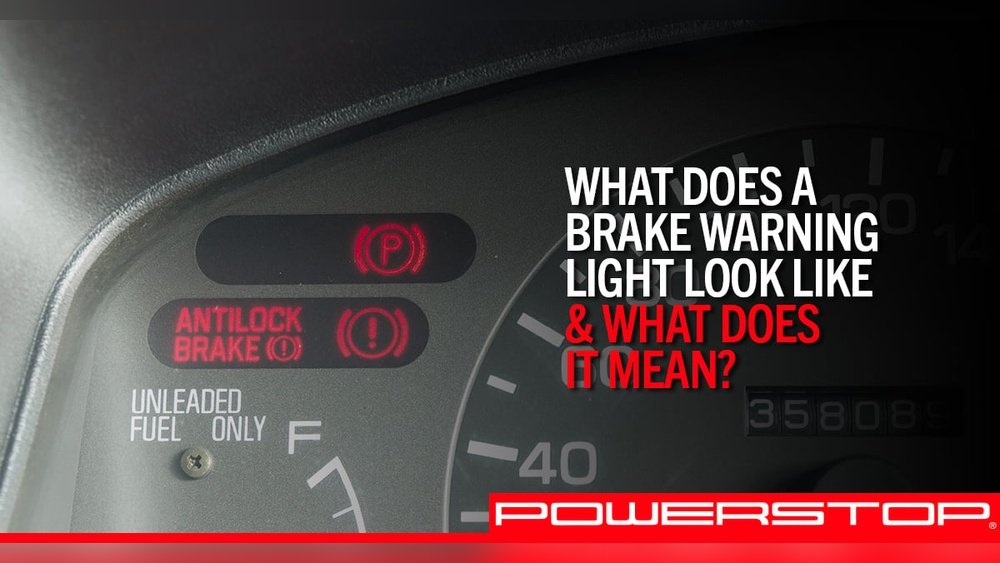
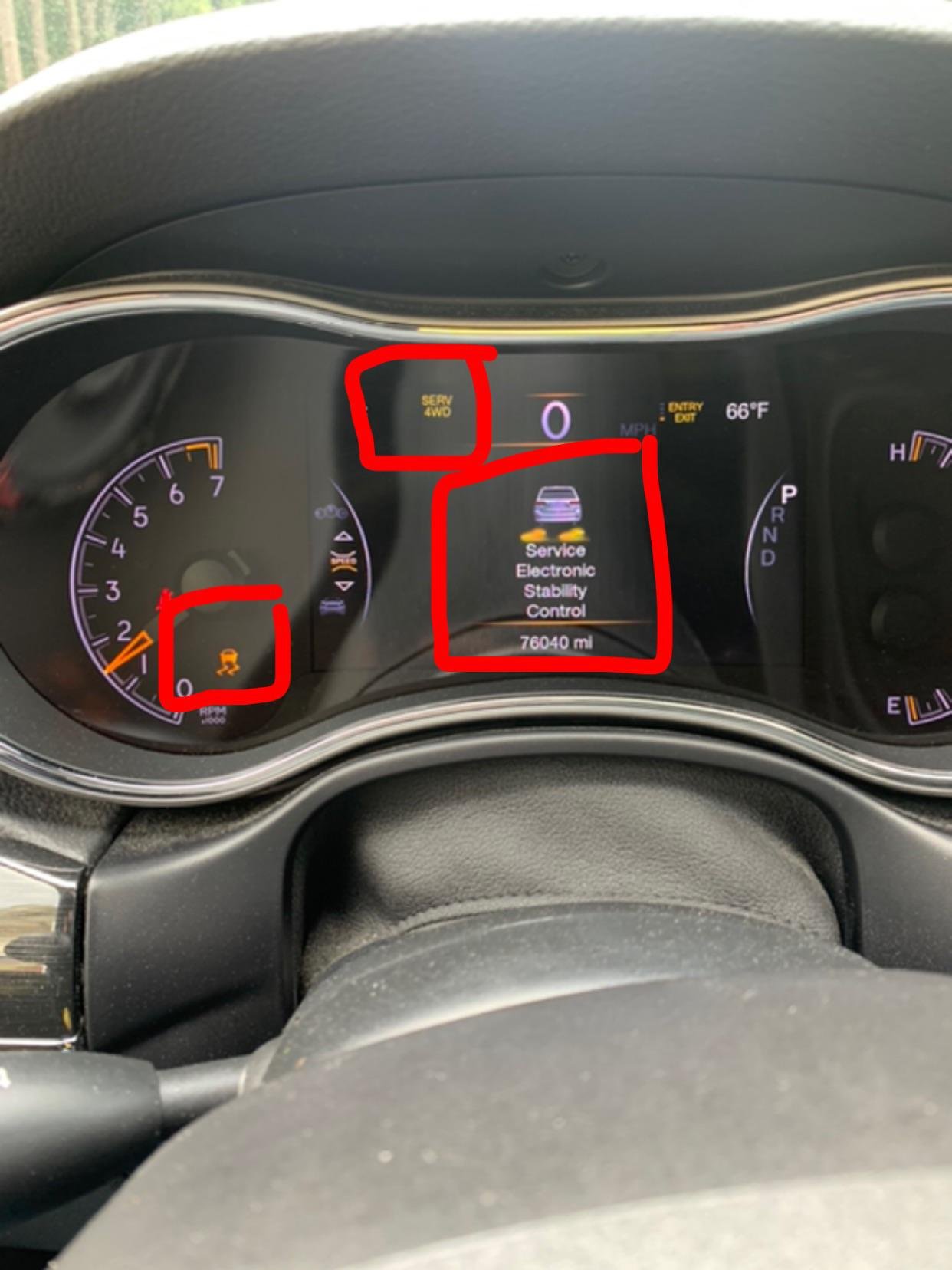
If you drive a Jeep Grand Cherokee, seeing the “Service Electronic Stability Control” warning on your dashboard can be confusing and worrying. You might wonder what it means, whether your vehicle is safe to drive, and how much it will cost to fix.
This warning is more than just a minor alert it signals that your vehicle’s stability system, which helps keep you safe on the road, might not be working properly.
You’ll discover what causes this message, why you shouldn’t ignore it, and what steps you can take to get your Jeep back to peak performance.
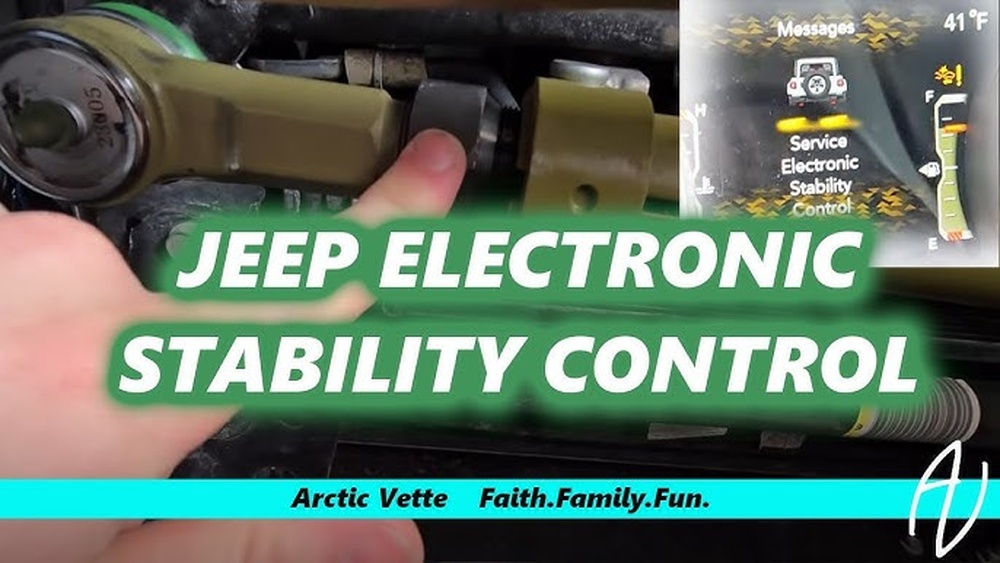
Keep reading to learn how to protect your safety and avoid costly repairs.

Esc System In Jeep Grand Cherokee
The Jeep Grand Cherokee features an Electronic Stability Control (ESC) system to improve driving safety. This system helps maintain vehicle control during challenging road conditions. It detects loss of traction and corrects it quickly. Understanding how ESC works can help Jeep owners appreciate its value.
The ESC system constantly monitors the vehicle’s movement and driver input. It acts automatically to keep the Jeep stable and on the intended path.
This technology is especially useful on slippery or uneven surfaces.
Role Of Electronic Stability Control
ESC helps prevent skidding and loss of control. It uses sensors to track wheel speed, steering angle, and lateral movement.
If it senses a potential skid, the system applies brakes to individual wheels. It may also reduce engine power to regain control.
This keeps the Jeep steady during sudden turns or slippery conditions.
How Esc Enhances Safety
ESC reduces the risk of accidents caused by loss of control. It improves vehicle stability in emergencies and bad weather.
The system reacts faster than a driver can, making split-second corrections. This lowers the chance of rollovers and collisions.
ESC gives drivers more confidence on wet or icy roads.
Common Esc Components
The ESC system includes sensors, a control module, and hydraulic brakes. Wheel speed sensors measure how fast each wheel spins.
The steering angle sensor checks the direction the driver wants to go. The control module processes data and decides when to act.
Brake actuators apply force to selected wheels for correction. These parts work together to keep the Jeep safe and stable.
Causes Of Esc Service Light
The Service Electronic Stability Control (ESC) light on a Jeep Grand Cherokee signals a problem with the stability system. This system helps keep your vehicle steady during sudden turns or slippery road conditions. Several common issues can trigger this warning light. Understanding these causes can help you address the problem quickly and safely.
Faulty Fuses And Relays
Fuses and relays protect the ESC system’s electrical parts. If a fuse blows or a relay fails, the ESC system may lose power.
This disruption causes the service light to come on. Checking and replacing faulty fuses or relays can restore proper function.
Steering Angle Sensor Issues
The steering angle sensor tells the ESC system the direction you want to go. If this sensor fails or sends wrong data, the ESC system cannot work correctly.
This triggers the service ESC light. Sensor recalibration or replacement is often needed.
Abs Sensor Failures
ABS sensors monitor wheel speed and help the ESC system control traction. When an ABS sensor breaks or gets dirty, it may send false signals.
The ESC system will detect this as a fault, lighting up the service warning. Cleaning or replacing ABS sensors usually fixes the issue.
Brake Light Switch Problems
The brake light switch signals when you press the brakes. The ESC system relies on this information to adjust braking force.
A faulty brake light switch can confuse the ESC system and cause the service light to activate. Testing and replacing the switch can solve this problem.
Diagnosing Esc Problems
Diagnosing problems with the Electronic Stability Control (ESC) system in a Jeep Grand Cherokee is important for safe driving. The ESC helps keep the vehicle stable during sudden turns or slippery conditions.
Identifying issues early prevents accidents and costly repairs. The diagnosis involves using tools, reading warning lights, and checking error codes.
Each step helps find the exact cause of the ESC problem.
Using Diagnostic Tools
Special diagnostic tools connect to the Jeep’s onboard computer. These tools read data from the ESC system and other sensors.
Mechanics use scanners to find faults that are not visible. The diagnostic device displays error codes and sensor readings.
This helps pinpoint if the ESC components are working correctly or need repair.
Interpreting Warning Lights
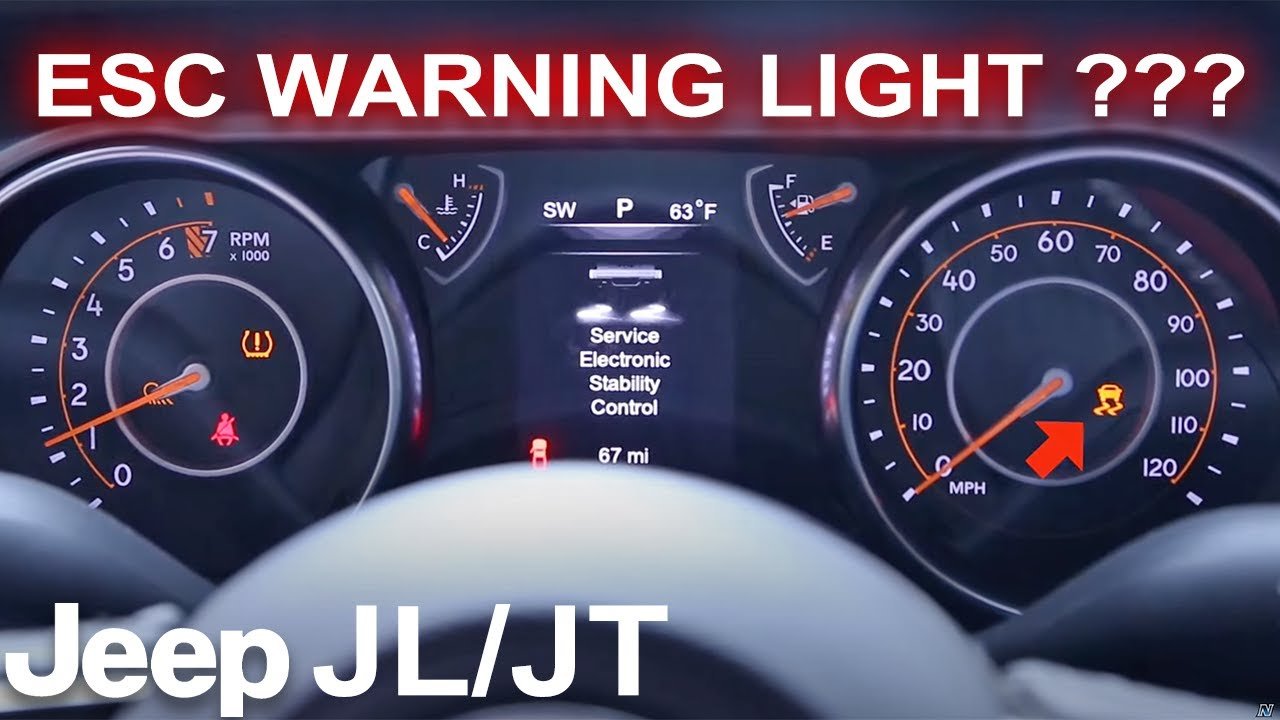
The Jeep Grand Cherokee dashboard shows warning lights related to ESC. A lit ESC or stability control light means the system detected a problem.
Sometimes the light flashes during sudden turns, which is normal. If the light stays on, the system may be disabled.
Drivers should avoid ignoring these warnings to maintain safety.
After reading the diagnostic tool, mechanics check ESC-related codes. These codes indicate specific issues such as sensor failure or wiring problems.
Common codes point to the steering angle sensor or ABS sensors. Understanding these codes guides the repair process.
Clearing codes after fixing the problem resets the ESC system.
Repairing Esc Issues
Repairing Electronic Stability Control (ESC) issues in a Jeep Grand Cherokee requires careful attention. The ESC system helps keep your vehicle stable during driving.
Faults in this system can lead to safety risks. Addressing ESC problems quickly is essential.
Several components can cause ESC errors. Common repairs include replacing sensors, fixing electrical parts, and resetting the ESC system.
Each step helps restore proper function and safety.
Replacing Faulty Sensors
The ESC system depends on sensors to monitor wheel speed and steering angle. Faulty sensors send wrong signals, triggering warning lights.
Replacing these sensors restores accurate data for the ESC. Technicians locate and remove the damaged sensors.
They then install new, compatible sensors. This repair often solves ESC malfunction warnings.
Fixing Electrical Components
Electrical faults may cause ESC system errors. Issues can arise from damaged wiring, blown fuses, or faulty control modules.
Inspecting the electrical system identifies broken parts. Repairing or replacing wires and fuses restores power flow.
Control modules may need reprogramming or swapping out. Proper electrical function is critical for ESC performance.
Resetting Esc System
After repairs, the ESC system requires a reset. Resetting clears error codes stored in the vehicle’s computer.
This step allows the ESC to recalibrate and work correctly. Technicians use diagnostic tools to perform the reset.
A successful reset turns off warning lights. It confirms the ESC system is ready to protect the vehicle again.
Cost To Fix Esc Service Light
The cost to fix the ESC service light on a Jeep Grand Cherokee varies by issue. The Electronic Stability Control (ESC) system helps keep your vehicle stable on slippery roads.
When the ESC service light turns on, it means the system needs attention. Repair costs depend on what part fails and the labor required.
Understanding typical expenses helps you prepare for the repair.
Typical Repair Expenses
Fixing the ESC service light can cost between $100 and $600. Simple problems like blown fuses or sensor resets are on the lower end.
More serious issues, like replacing the ABS module or steering angle sensor, increase costs. Diagnostic fees may add $50 to $100.
Always expect a range since repairs vary by Jeep model and year.
Parts Vs Labor Costs
Parts for the ESC system include sensors, fuses, and control modules. Sensor replacements usually cost $50 to $200.
Control modules can cost $300 or more. Labor charges depend on the mechanic’s hourly rate and job complexity.
Labor may range from $70 to $150 per hour. Some repairs take one hour; others may take several hours.
When To Consider Professional Help
Professional help is best if the ESC light stays on after resetting. Complex electronic faults need expert diagnostics.
Driving with a faulty ESC system is unsafe. Mechanics have the tools to find hidden problems.
They also ensure repairs meet safety standards. Avoid DIY fixes for ESC issues unless you have experience.
Driving With Esc Warning Light
The Electronic Stability Control (ESC) warning light in your Jeep Grand Cherokee alerts you to issues with the vehicle’s stability system. This system helps keep control during slippery or sudden turns.
Seeing this light can be concerning. Understanding when and how to drive with this warning is important for your safety and vehicle health.
Risks Of Ignoring Esc Alerts
Ignoring the ESC warning light increases risk on the road. The system may fail to correct skids or loss of control.
This can lead to accidents, especially in bad weather or emergency maneuvers. The vehicle might not respond well in sharp turns.
Ignoring the alert puts you, passengers, and others at danger. Repairing the ESC system quickly helps avoid costly damage later.
When It’s Safe To Drive
It might be safe to drive short distances if the ESC light just flickers. This can happen during system tests or minor glitches.
Avoid driving in risky conditions like rain or snow while the light is on. If the light stays on continuously, do not drive far.
Visit a mechanic as soon as possible to diagnose the problem. Using caution keeps you safer on the road.
Precautions To Take
Drive slowly and carefully when the ESC warning light is on. Avoid sharp turns and sudden braking.
Keep a good distance from other vehicles. Check your tires and brakes for any signs of trouble.
Schedule a service appointment quickly to fix the ESC issue. Don’t ignore other warning lights that may appear.
Safety depends on a fully working stability control system.
Preventive Maintenance Tips
Preventive maintenance helps keep the Electronic Stability Control (ESC) system in the Jeep Grand Cherokee working well. It reduces the chance of sudden failures and costly repairs.
Simple checks and regular care improve safety and driving comfort. Follow these easy tips to maintain the ESC system effectively.
Regular Sensor Checks
The ESC system depends on sensors to detect wheel speed and steering angle. Dirt, damage, or misalignment can cause sensor errors.
Inspect sensors often for dirt and debris. Clean them gently with a soft cloth.
Replace any sensors that show signs of wear or damage. Accurate sensors help the ESC system respond correctly.
Fuse And Relay Maintenance
Fuses and relays protect the ESC system’s electrical parts. A blown fuse or faulty relay can disable the system.
Check the fuse box regularly for any blown fuses. Test relays to ensure they work properly.
Replace any faulty components immediately. This keeps power flowing to the ESC system without interruption.
Software Updates
Vehicle manufacturers release software updates to improve ESC system performance. These updates fix bugs and enhance control algorithms.
Visit your dealership or service center to check for updates. Updating the software keeps the ESC system efficient and reliable.
Regular updates also help the system adapt to new road conditions.
Esc Recalls And Updates
The Electronic Stability Control (ESC) system in your Jeep Grand Cherokee helps maintain control during slippery or sudden maneuvers. Sometimes, the ESC system may have issues that require recalls or software updates.
These recalls and updates fix problems that could affect your safety on the road.
Understanding recalls and keeping your ESC system updated ensures your Jeep works properly. Below are key points about ESC recalls and how to manage them.
Notable Jeep Grand Cherokee Recalls
Jeep has issued several recalls related to the ESC system in the Grand Cherokee. Some recalls address faulty sensors that cause false warnings or loss of stability control.
Other recalls fix software glitches that prevent the ESC from activating correctly. These recalls focus on improving the safety and reliability of the vehicle’s stability system.
How To Check For Recalls
Checking for recalls on your Jeep Grand Cherokee is easy and free. Visit the official Jeep website or the National Highway Traffic Safety Administration (NHTSA) site.
Enter your vehicle identification number (VIN) to see active recalls. Dealers can also check recalls and perform any required repairs or updates at no cost.
Importance Of Timely Updates
Timely updates for the ESC system keep your vehicle safe and efficient. Ignoring recall notices or software updates can lead to malfunctioning ESC.
This increases the risk of losing control during emergencies. Prompt action protects you, your passengers, and other road users.
Frequently Asked Questions
What Does It Mean When My Jeep Says Service Electronic Stability Control?
“Service Electronic Stability Control” means your Jeep’s stability control system has a fault. It may limit traction assistance and requires prompt inspection.
How Much Does It Cost To Fix Service Electronic Stability Control?
Fixing the “Service Electronic Stability Control” light typically costs between $100 and $400. Costs vary by fault type and vehicle model.
Can I Drive With Service Electronic Stability Control?
Driving with a "Service Electronic Stability Control" light on is risky. It may disable stability features, increasing accident chances.
Get your vehicle checked promptly to ensure safety and proper function.
How To Fix Service Electronic Stability Control?
Check and replace faulty fuses, steering angle sensor, ABS sensors, or brake light switch. Use a diagnostic tool to identify issues.
Consult a mechanic if the Service ESC light stays on. Do not ignore the warning to ensure safe driving.
Conclusion
The Service Electronic Stability Control warning on your Jeep Grand Cherokee signals a system issue. Ignoring this light can risk your safety while driving.
Addressing the problem early helps maintain vehicle control and prevents bigger repairs. Check fuses, sensors, or seek a professional mechanic’s help.
Staying attentive to this warning keeps your Jeep safe on the road. Regular maintenance supports the stability control system’s proper function.
Keep your Jeep’s ESC system in good condition for reliable driving.