Driving your Jeep Grand Cherokee in snow can be a thrilling experience, but it also comes with real risks. Many people buy SUVs like the Grand Cherokee expecting them to be safe in winter, but proper technique matters as much as the vehicle itself.
If you’re new to snow driving or want to get more confident, this guide will help you handle snowy roads, avoid common mistakes, and use your Jeep’s features wisely.
Preparing Your Jeep Grand Cherokee For Snow
Before hitting snowy roads, make sure your Jeep is ready. Even the best 4×4 won’t help if you ignore basic preparation.
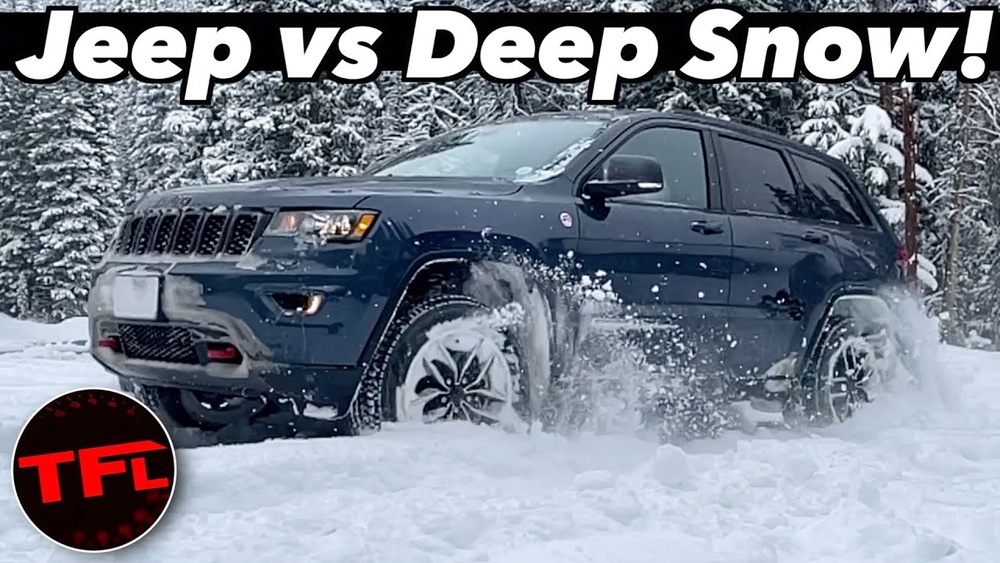
- Tire Check: Install winter tires if possible. All-season tires lose grip below 45°F, while winter tires stay flexible and grip ice better. Check tread depth—less than 4/32″ can be unsafe.
- Battery Health: Cold weather drains batteries faster. Test battery voltage and replace if weak.
- Fluid Levels: Use winter-grade windshield washer fluid and keep coolant topped up. Low fluid can freeze and damage your Jeep.
- Wiper Blades: Replace old blades. Snow buildup reduces visibility.
- Emergency Kit: Carry items like a shovel, blanket, flashlight, and traction aids.
Here’s a quick comparison of tire types for winter driving:
| Tire Type | Winter Performance | Recommended? |
|---|---|---|
| All-Season | Poor below 45°F | No |
| Winter Tire | Excellent grip | Yes |
| All-Terrain | Average | Only for mild snow |
Using Jeep Grand Cherokee Features For Snow
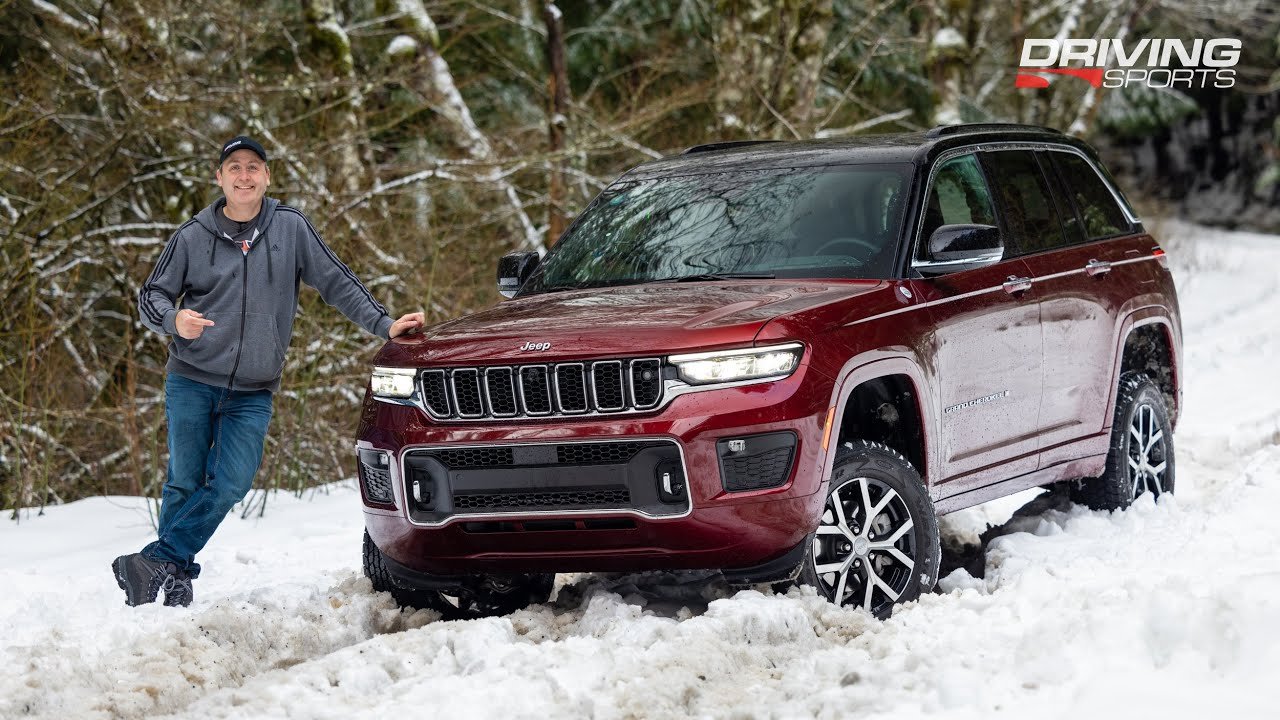
Your Grand Cherokee has several features designed for snowy conditions. Understanding how to use them can make a big difference.
Four-wheel Drive Modes
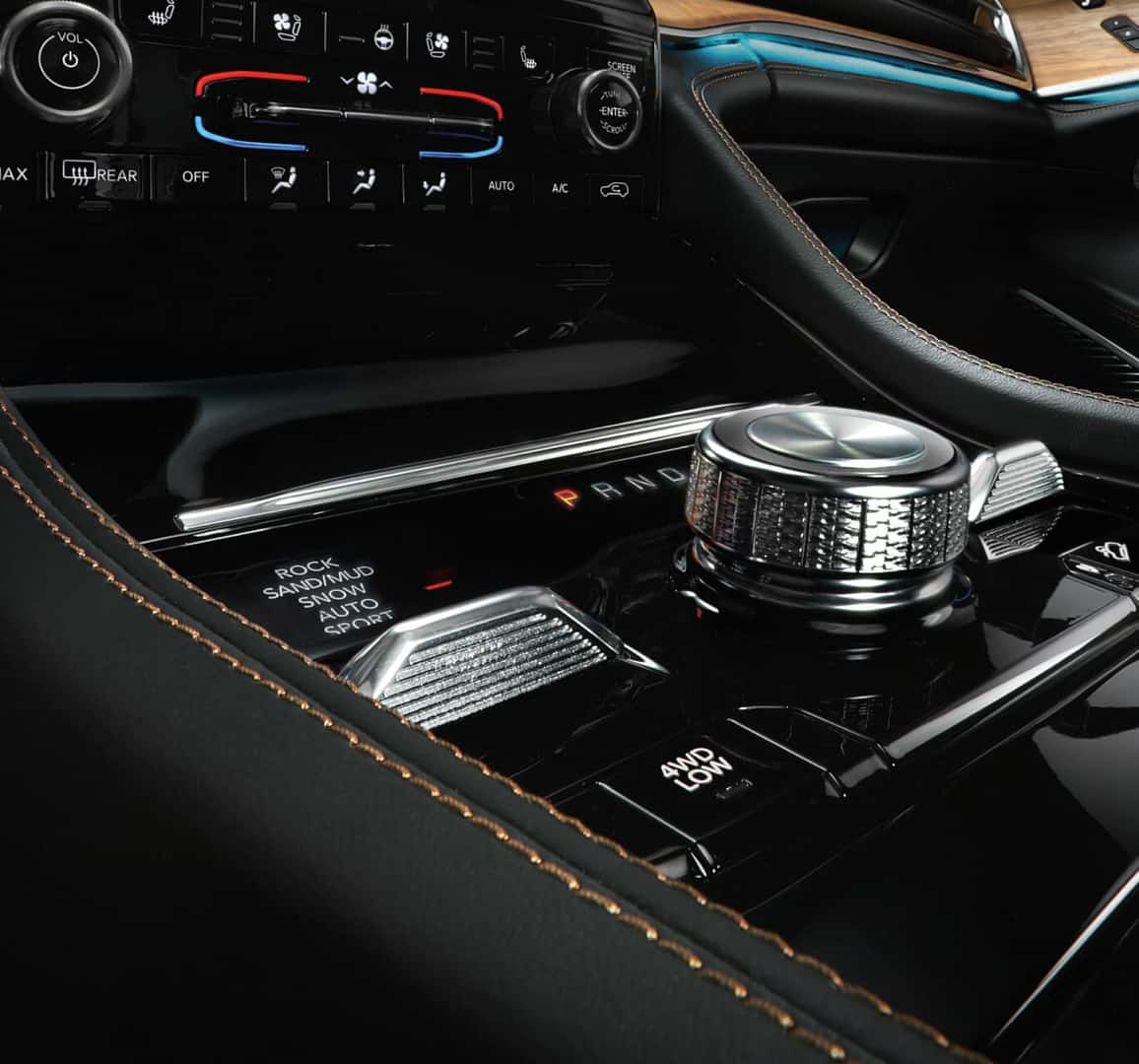
Most Grand Cherokees have Selec-Terrain or similar drive mode systems. For snow, select Snow Mode. This mode:
- Adjusts throttle response for smoother starts
- Distributes power to all wheels for better traction
- Changes transmission shift points for less wheel spin
Traction Control And Stability Assist
Keep traction control and stability control ON. These help prevent spinning and sliding, especially when accelerating or cornering. Turning them off is only useful if stuck and needing wheel spin.
Hill Descent And Assist
Hill Descent Control helps you descend snowy hills slowly and safely. Don’t try to brake hard let the system work for you.
| Feature | Purpose | When to Use |
|---|---|---|
| Snow Mode | Improves traction | Whenever snow or ice present |
| Traction Control | Prevents wheel spin | Always ON (except when stuck) |
| Hill Descent | Controls downhill speed | Steep, slippery slopes |
Driving Techniques For Snowy Roads
The right technique can turn a difficult drive into a safe journey. Don’t rely only on your Jeep’s technology your skills matter.
Smooth And Slow Movements
- Accelerate slowly. Sudden throttle causes wheel spin.
- Brake gently. Apply steady, light pressure to avoid skidding.
- Turn gradually. Sharp turns can make even 4x4s lose control.
Safe Following Distance
On snow and ice, stopping distances can be 3–10 times longer than dry pavement. Keep at least 6 seconds between you and the car ahead.
Downhill And Uphill Driving
When driving downhill, use low gears and Hill Descent Control. Uphill, maintain steady speed and avoid stopping.
If you lose momentum, reversing back down is safer than spinning tires.
Recovering From A Slide
If your Jeep starts to slide, steer gently in the direction you want to go, not against the slide. Avoid slamming the brakes—this often makes it worse.
Common Mistakes And How To Avoid Them
Even experienced drivers make mistakes in snow. Here are some to watch out for:
- Overconfidence: Believing 4WD means you’re immune to slipping is dangerous.
- Ignoring Tire Choice: All-wheel drive helps you go, but good tires help you stop.
- Fast Lane Changes: Changing lanes quickly can cause loss of control.
- Hard Braking: Even with ABS, braking hard on ice can cause skidding.
- Not Clearing Snow: Always clear snow from roof, hood, and windows. Flying snow can blind other drivers or yourself.
Many beginners forget to check tire pressure in winter. Cold air shrinks tires, sometimes dropping pressure by 3 5 PSI. Low pressure reduces grip and control.
Real-world Example
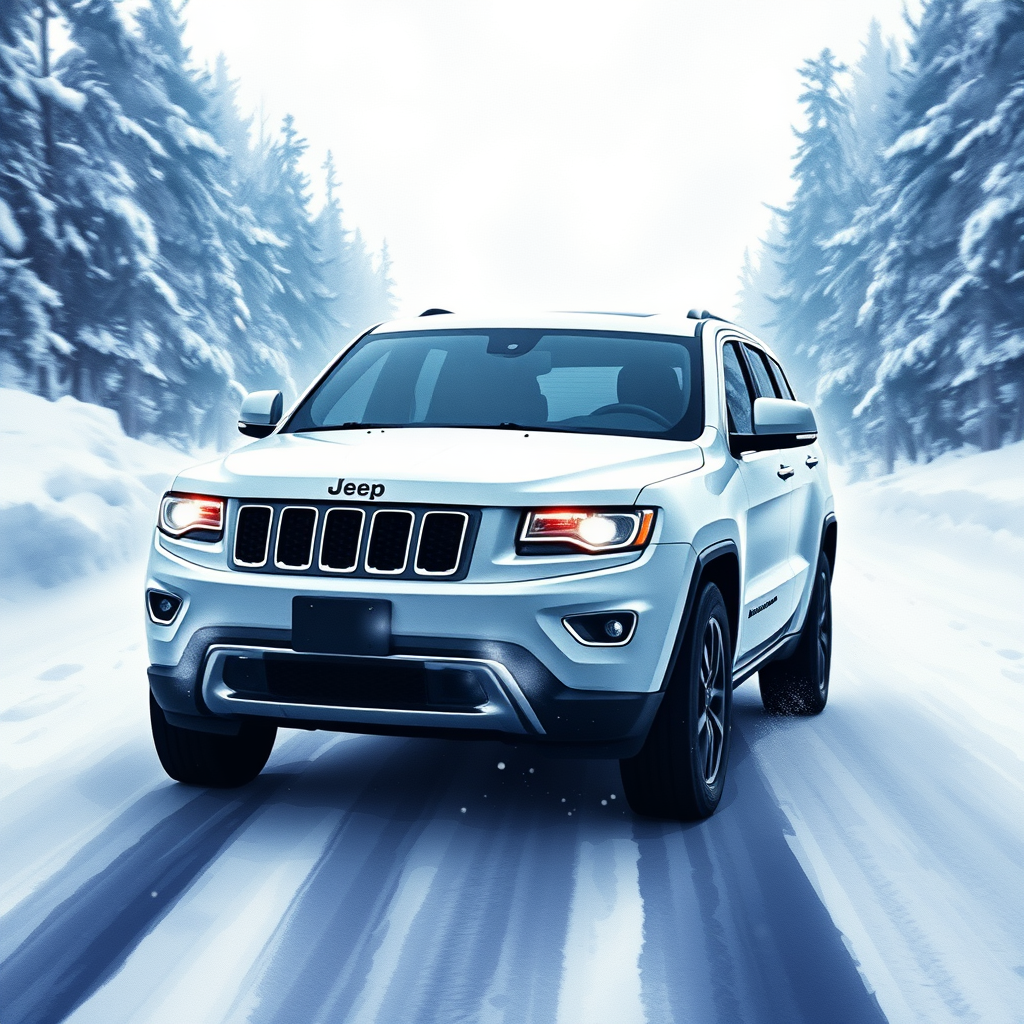
In Minnesota, a driver with a 2021 Jeep Grand Cherokee faced a sudden snowstorm. He used Snow Mode, kept a slow steady speed (under 30 mph), and avoided sudden moves. While other cars slid off the road, he maintained control—but only because he had winter tires and respected stopping distances. This shows that technology plus technique is key.
Quick Reference Table: What To Do Before, During, And After Snow Driving
| Stage | Actions |
|---|---|
| Before | Check tires, fluids, battery, pack emergency kit |
| During | Use Snow Mode, drive slowly, keep distance |
| After | Check for ice buildup, recharge battery, refuel |
Extra Tips For Safe Snow Driving
- Keep your gas tank at least half full to prevent fuel line freezing.
- Use low beams in snow storms—high beams can reflect light and reduce visibility.
- If stuck, avoid spinning wheels. Use traction mats or shovel to clear snow under the tires.
A non-obvious tip: Turn off your automatic wiper sensor when parked in snow. It can activate wipers, damaging them if frozen.
For more winter driving safety tips, check out the National Highway Traffic Safety Administration.
Frequently Asked Questions
Can I Drive My Jeep Grand Cherokee In Deep Snow?
Yes, but only up to about 8–10 inches safely. Deeper snow can block your radiator or cause you to get stuck. Use Snow Mode and avoid driving through unplowed drifts.
Does 4wd Guarantee Safe Driving In Snow?
No. 4WD helps with traction but does not improve braking or turning. Tire quality, speed, and technique matter as much as drivetrain.
Should I Turn Off Traction Control In Snow?
Keep it ON unless you’re stuck and need to rock the Jeep free. Turning it off may help wheels spin, but can reduce control.
How Often Should I Check Tire Pressure In Winter?
Check at least once a month. Cold temperatures lower pressure, which can affect handling and safety.
What’s The Ideal Speed For Snow Driving?
Stay below 30 mph unless roads are clear. Even with good tires and 4WD, higher speeds increase risk of losing control.
Driving your Jeep Grand Cherokee in snow can be safe and enjoyable with the right preparation, settings, and skills. Don’t rely only on the SUV’s reputation—treat winter with respect, and you’ll stay in control even when conditions get tough.