The Jeep Wrangler is famous for its rugged design, off-road ability, and loyal fan base. Whether you drive on city streets or rough trails, keeping your Wrangler’s engine at the right temperature is essential.
Many owners worry about overheating or low temperatures, but few truly understand what “normal” means for this unique vehicle. Let’s break down the facts, so you can drive with confidence and avoid problems down the road.
What Is Normal Operating Temperature For A Jeep Wrangler?
Every engine needs to run within a specific temperature range to work properly. For most Jeep Wrangler models, the normal operating temperature usually sits between 195°F and 220°F (about 90°C to 104°C). This range is common for both older models and newer ones with advanced cooling systems.
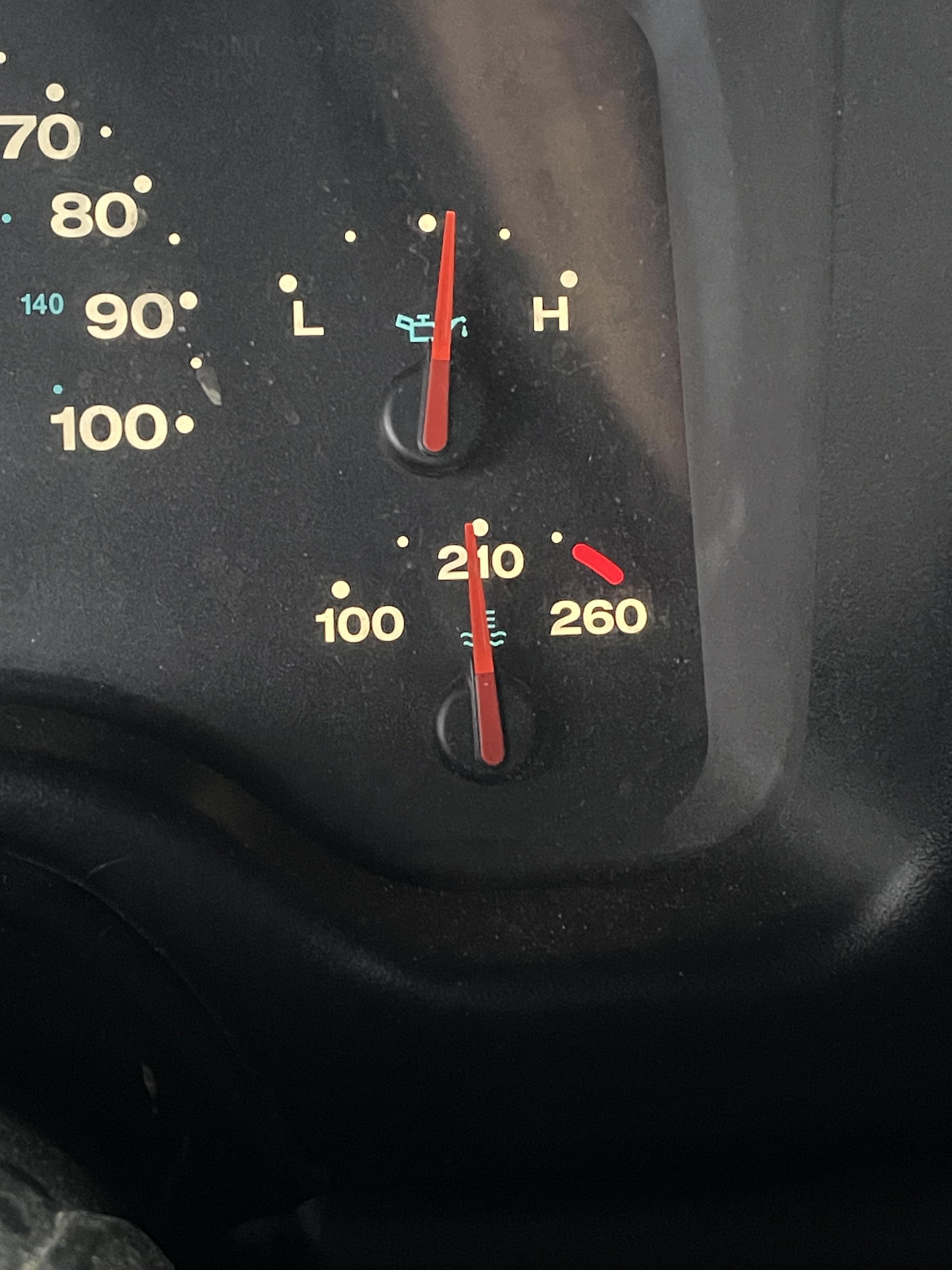
If you see your Wrangler’s gauge showing numbers above or below this, it’s time to pay attention. A cold engine can lead to poor performance and extra wear, while overheating can quickly damage key parts.
Why This Range Matters
The temperature range is not random. Jeep engineers designed it after years of testing. At these temperatures, the engine oil flows well, combustion is efficient, and emissions stay low. Most Wranglers have a thermostat set at 195°F, which means the cooling system starts working once the engine reaches this point.
If your Wrangler runs consistently outside this range, you could face issues like:
- Reduced power
- Low fuel efficiency
- Increased wear
- Possible engine damage
How The Wrangler Maintains Its Temperature
The cooling system is the hero here. It includes several parts:
- Radiator: Removes heat from coolant.
- Thermostat: Controls when coolant flows.
- Water pump: Moves coolant around the engine.
- Electric fans: Help cool air flow, especially when stopped.
These components work together to keep the engine at the right temperature. If any part fails, your Wrangler may overheat or run too cold.
Typical Operating Temperatures By Model Year
Here’s a quick comparison of normal operating temperatures for different Wrangler generations:
| Model Year | Engine Type | Normal Temperature |
|---|---|---|
| YJ (1987–1995) | 2.5L / 4.0L | 195°F–210°F |
| TJ (1997–2006) | 2.5L / 4.0L | 195°F–210°F |
| JK (2007–2018) | 3.6L / 3.8L | 200°F–220°F |
| JL (2018–present) | 2.0L / 3.6L / 6.4L | 200°F–220°F |
Note: Slight differences may exist based on climate, driving style, and after-market modifications.
Factors That Affect Engine Temperature
Several things can change your Wrangler’s temperature. Understanding them can help you spot trouble before it starts.
1. Ambient Temperature
Hot days push your cooling system harder. If you live in a warm region, expect higher engine readings, especially in summer traffic.
2. Driving Conditions
Stop-and-go driving, towing, or off-roading make the engine work more. These activities usually raise the temperature. Highway cruising, on the other hand, often keeps the temperature steady.
3. Cooling System Health
A dirty radiator, old coolant, or a weak water pump can all raise your Wrangler’s operating temperature. Regular maintenance is key.
4. Aftermarket Modifications
Larger tires, engine upgrades, or added weight can make the engine run hotter. Some owners add extra cooling fans or radiators to help.
5. Altitude
Higher elevations mean thinner air, which cools less efficiently. This can cause your engine temperature to rise, especially when climbing hills.
Signs Of Abnormal Engine Temperature
You don’t need to be a mechanic to spot trouble. Here’s what to watch for:
- Gauge Fluctuations: If your dashboard gauge moves quickly or stays above 220°F, investigate.
- Steam or Smell: Steam from the hood or a sweet smell (coolant) signals overheating.
- Warning Lights: Most Wranglers have a temperature warning light. Never ignore it.
- Performance Drops: Sluggish response, low power, or rough idling can mean temperature issues.
What To Do If Your Wrangler Overheats
If your Jeep’s temperature climbs above 220°F, act quickly:
- Pull Over Safely: Stop and turn off the engine.
- Let It Cool: Wait at least 30 minutes before opening the hood.
- Check Coolant Level: Low coolant is a common culprit.
- Inspect Belts and Hoses: Look for leaks or damage.
- Call for Help: If unsure, contact a mechanic.
Never drive an overheating Wrangler. Serious engine damage can happen in minutes.
Common Causes Of Overheating
Most overheating problems have a few main sources:
| Cause | Typical Symptom | Quick Fix |
|---|---|---|
| Low Coolant | Gauge spikes, heater blows cold | Refill coolant |
| Broken Thermostat | Slow warm-up, stuck temp | Replace thermostat |
| Radiator Blockage | Steam, uneven cooling | Flush radiator |
| Faulty Water Pump | Noise, leaks, overheating | Replace pump |
| Fan Failure | High temp at idle | Repair/replace fan |
How To Monitor Your Wrangler’s Temperature
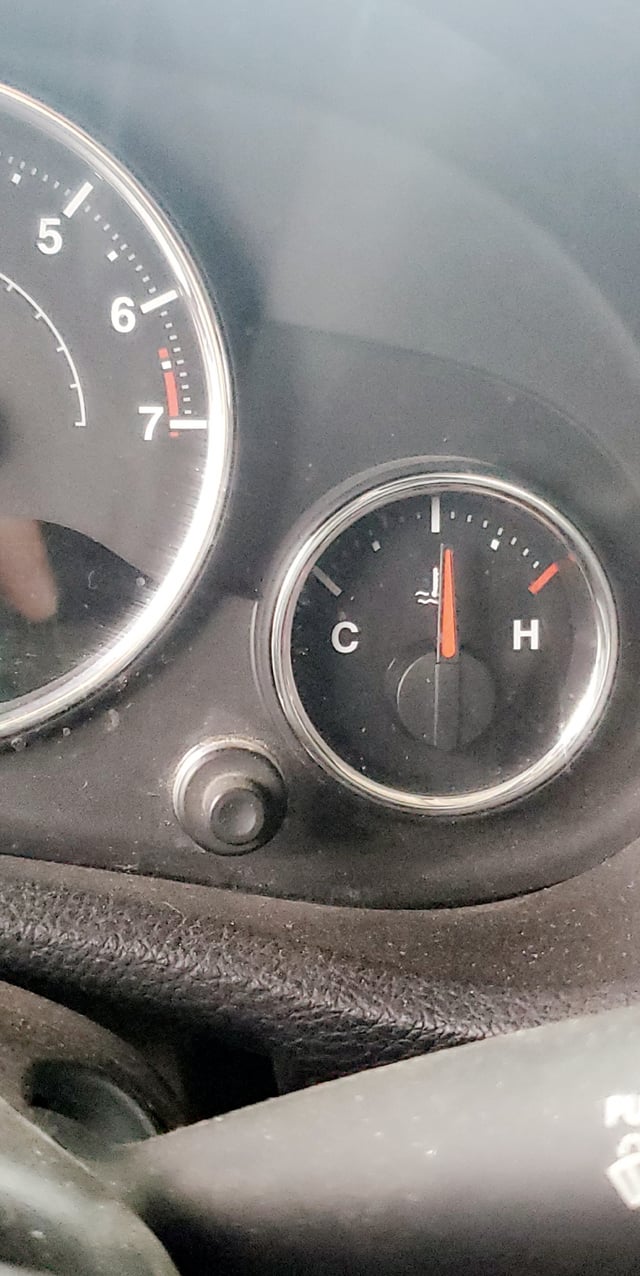
Modern Wranglers have digital gauges, but older models use analog dials. Both show the engine temperature in real time. Learn where your normal range sits — for most, the needle should hover just below the halfway mark.
Using An Obd-ii Scanner
For more detail, plug in an OBD-II scanner. It shows exact readings and stores error codes. These tools are inexpensive and easy to use, even for beginners.
Real Example
A 2015 Jeep Wrangler JK owner notices the gauge reading 218°F after driving uphill in summer. Using an OBD-II scanner, they confirm the temperature. Because the system returns to normal after cooling, it’s likely normal for that situation. But if the reading stays high, further inspection is needed.
Maintenance Tips To Keep Engine Temperature Normal
Routine care is the best way to avoid temperature trouble. Here’s what you should do:
- Check Coolant Regularly: Top up with the correct type. Most Wranglers use HOAT (Hybrid Organic Acid Technology) coolant.
- Flush the Radiator: Every 2–3 years, clean out old coolant and debris.
- Inspect Belts and Hoses: Look for cracks, leaks, or swelling.
- Replace the Thermostat: If your Wrangler is older than 5 years, consider changing it as preventive care.
- Clean Radiator Fins: Dirt and bugs can block airflow, raising temperature.
- Test the Electric Fans: Make sure they turn on when needed.
Non-obvious Insights
- Coolant Mix Matters: Using only water or the wrong mix can cause overheating and corrosion. Always use the recommended blend.
- Heater as Emergency Tool: If overheating, turn your heater to max. It pulls heat from the engine, buying time until you can stop safely.
How Long Should It Take To Reach Operating Temperature?
Most Wranglers reach normal temperature in 5–15 minutes of driving, depending on weather and engine size. If your Jeep warms up unusually fast or slow, it could signal a thermostat issue or coolant problem.
Is Running Slightly Above Normal Safe?
Occasional spikes — like when towing or climbing steep hills — are expected. As long as the temperature drops back to normal soon after, you’re safe. Constant high readings (above 220°F) need attention.
Comparing Wrangler Cooling Systems To Other Vehicles
How does the Wrangler compare to other SUVs and trucks? Here’s a quick look:
| Vehicle | Normal Range | Cooling System Features |
|---|---|---|
| Jeep Wrangler | 195°F–220°F | Heavy-duty radiator, electric fans |
| Ford Explorer | 190°F–210°F | Dual fans, standard radiator |
| Toyota 4Runner | 195°F–215°F | Large radiator, mechanical fan |
| Chevrolet Tahoe | 195°F–220°F | Extra cooling for towing |
Wrangler’s higher range suits its tough, off-road engine. It’s normal for these vehicles to run hotter than regular sedans.
When To Seek Professional Help
If you notice:
- Temperature stays above 220°F
- Warning lights on
- Coolant leaks
- Strong burning smell
Don’t wait. A certified mechanic can spot hidden issues and prevent expensive repairs. Many Jeep dealers offer free inspections for cooling systems.