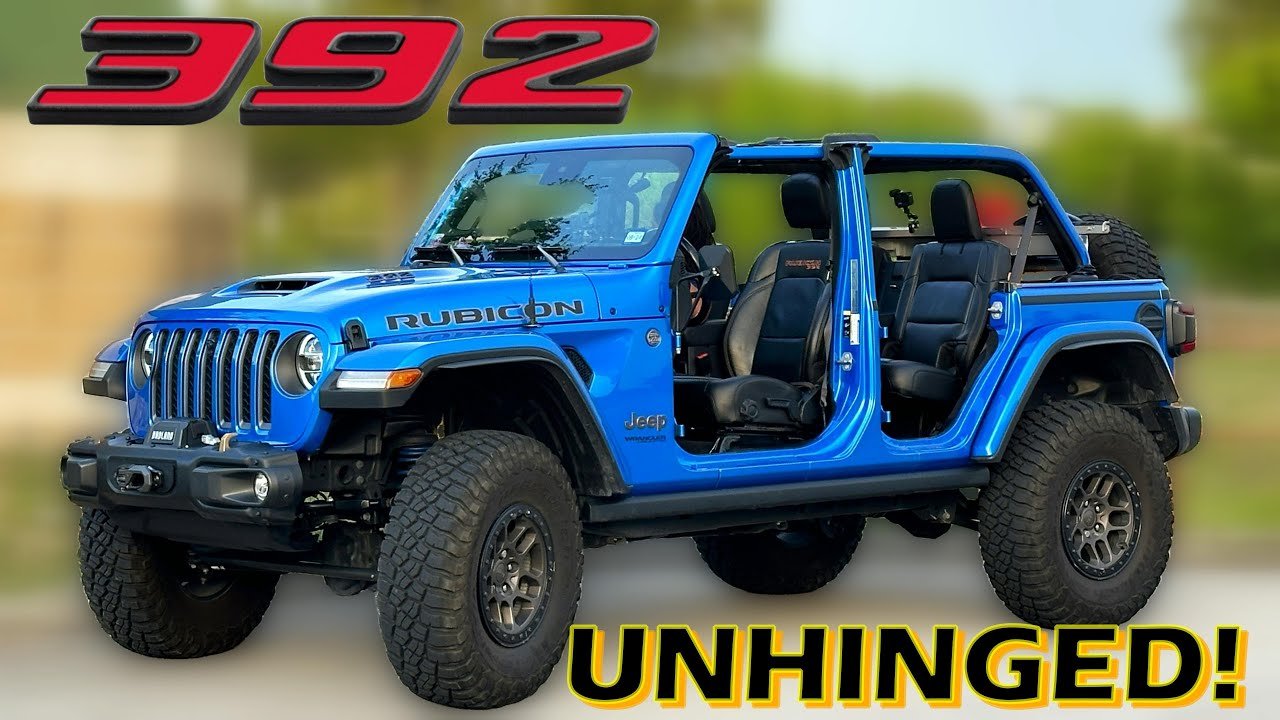
Taking off the doors and roof of a Jeep is more than a trend—it’s a symbol of freedom for many drivers. The wind, the open sky, and the raw connection with nature make this driving experience unique. But before you grab your tools, it’s important to understand the benefits, challenges, and safety aspects of driving a Jeep with no doors or roof. Let’s dig into what makes this setup exciting and what you need to know before heading out on the road.
The Appeal Of A Jeep With No Doors Or Roof
There’s a reason you often see Jeeps without doors or a roof on sunny days. This setup delivers a level of openness that few vehicles can match. You get a panoramic view, feel the breeze, and can even hear the sounds of nature better.
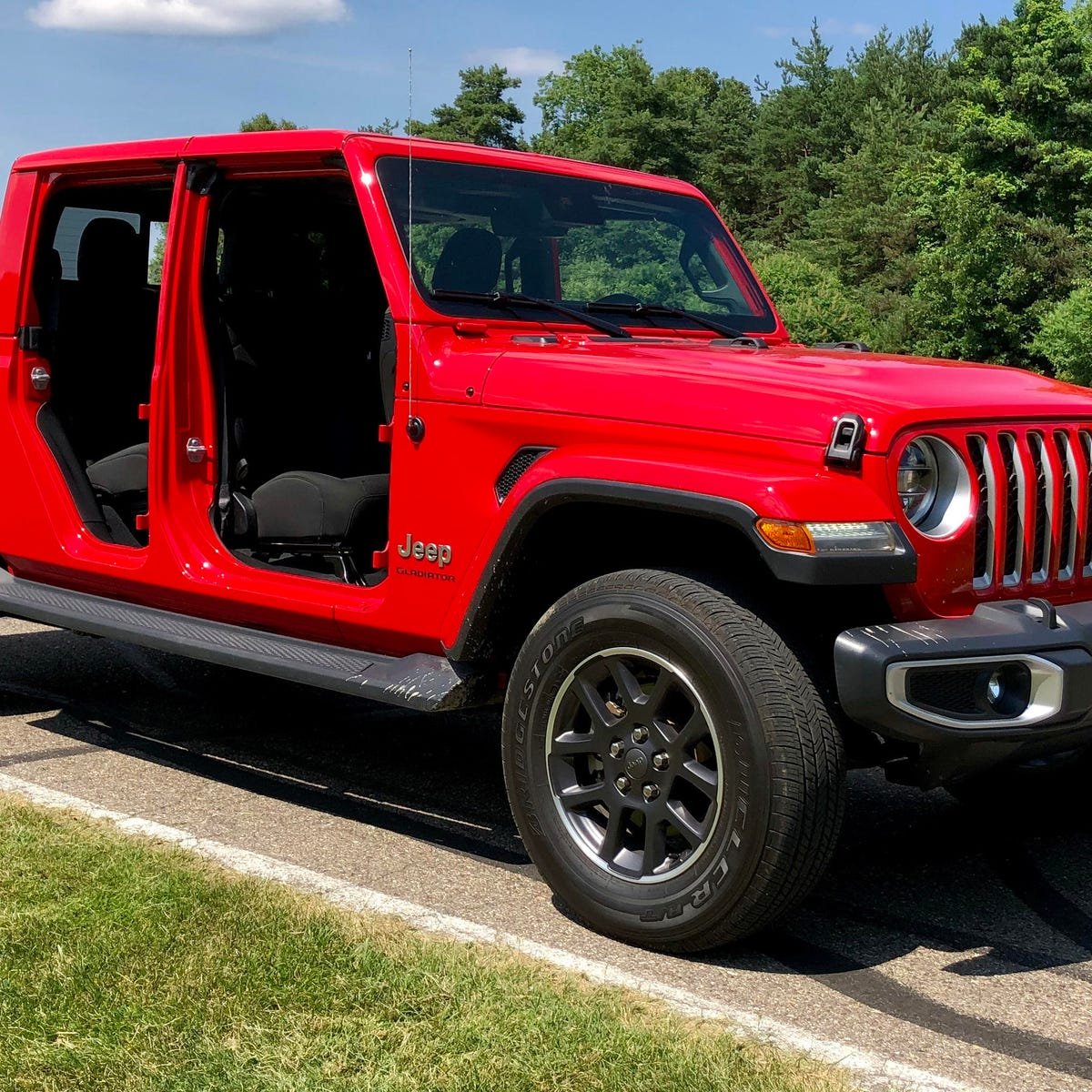
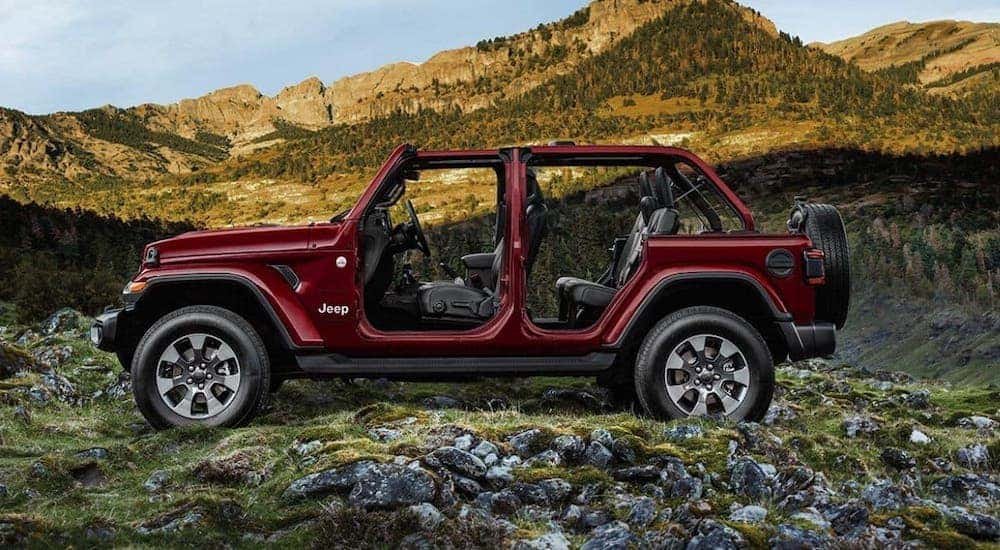
Many Jeep owners say driving without doors or a roof gives a sense of adventure. It’s perfect for beach trips, mountain trails, or just cruising around town. The Wrangler and Gladiator models are especially popular for this because they’re designed to be easily modified.
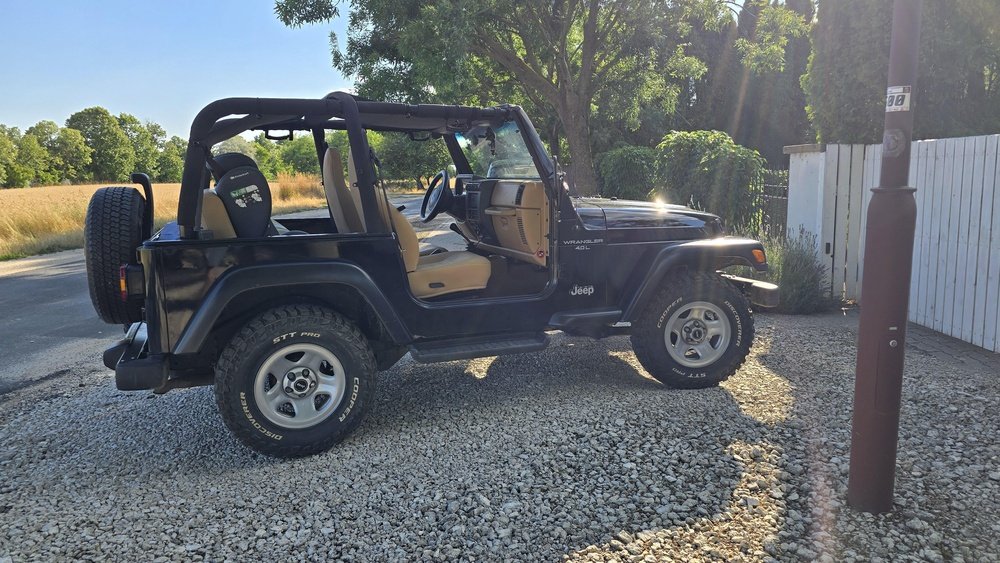
One non-obvious benefit: The absence of doors can actually help when off-roading. You can see obstacles near your wheels more clearly, making it easier to navigate tight trails.
Legal And Safety Considerations
Before you go doorless, check your local laws. In the US, regulations on driving a Jeep with no doors or roof vary by state. Some require side mirrors at all times; others may need additional safety gear.
Driving without doors reduces side-impact protection. Most Jeeps have strong frames, but doors add another layer of safety. Also, remember that airbags won’t protect you from everything, especially in a rollover.
Here’s a quick look at safety and legal requirements for common states:
| State | Side Mirrors Required? | Riding with No Doors Legal? |
|---|---|---|
| California | Yes, at least one | Yes |
| Florida | Yes, both sides | Yes |
| Texas | Yes, at least one | Yes |
| New York | Yes, both sides | Yes |
| Pennsylvania | Yes, both sides | Yes |
Always check your state’s Department of Motor Vehicles (DMV) website for the latest rules.
How To Remove Jeep Doors And Roof
Taking off the doors and roof is easier than many expect, especially on newer Jeep models. Here’s a basic step-by-step for most Wranglers:
- Roll down the windows (if present) to avoid damage.
- Unplug the wiring harness (usually under the dash for power locks/windows).
- Remove the door straps—these keep the door from swinging out too far.
- Unscrew the bolts at the door hinges using the Jeep tool kit.
- Lift the door off the hinges carefully.
- For the roof, release latches and remove bolts if needed. Hardtops are heavier and may need two people.
Some tips:
- Store doors and bolts in a safe place to avoid scratches.
- Use mirror relocation kits to stay legal.
- Always have a friend help with the hardtop.
Many beginners forget to safely store wiring connectors they can get damaged by water or dirt. Use a small waterproof bag or cap.
What To Expect: Everyday Driving Changes
Driving a Jeep with no doors or roof is a unique experience, but it’s not like regular driving. Here’s what changes:
- Wind and Weather: You’re exposed to rain, dust, and wind. Keep a jacket or poncho handy.
- Noise: Sound from the road and outside is louder.
- Security: Your belongings are less protected. Don’t leave valuables in the Jeep.
- Comfort: Seats and dash can get hot or cold quickly. Use sunshades or seat covers for comfort.
Here’s a quick comparison of a Jeep with and without doors/roof:
| Feature | Doors & Roof On | No Doors/Roof |
|---|---|---|
| Weather Protection | High | Low |
| Visibility | Standard | Excellent |
| Noise | Quiet | Loud |
| Security | High | Low |
| Fun Factor | Moderate | High |
Accessories And Upgrades
If you love the open Jeep style, there are many aftermarket accessories to make things better:
- Tube doors: Offer some protection while keeping the open-air feel.
- Bikini tops: Cover just the top, offering shade but keeping sides open.
- Mirror relocation kits: Move your mirrors to the body so you stay legal.
- Seat covers: Protect seats from sun and rain.
- Lockboxes: Store valuables in a secure, hidden compartment.
A less-known accessory is the door hanger—it’s a wall mount for storing doors safely without damage.
Off-roading With No Doors Or Roof
Many off-roaders prefer Jeeps with no doors or roof for better visibility and easier communication with spotters. You can see exactly where your wheels are, which helps in tight spots.
However, you should wear seatbelts at all times and consider a roll cage for tough trails. Also, mud, rocks, and branches can come inside, so dress for the terrain.
Some trails or parks may have their own rules about doorless vehicles. Always check ahead before your trip.
Insurance And Warranty Issues
Removing doors and the roof may affect your Jeep’s insurance or warranty. Some insurance policies require you to keep safety equipment installed. If you damage wiring or mounts while removing parts, it could void sections of your warranty.
Check with your insurer before making changes. Document the process with photos to show you followed Jeep’s guidelines if you ever need to make a claim.
Frequently Asked Questions
Is It Legal To Drive A Jeep Without Doors Or A Roof?
In most US states, it’s legal, but you must have at least one side mirror. Check your state’s DMV rules for details.
Does Driving Without Doors Affect Safety?
Yes. Removing doors reduces side-impact protection and makes you more exposed in a crash. Always wear seatbelts.
Will Rain Damage My Jeep If I Drive Without A Roof?
Short exposure is usually fine, but electronics and seats can be harmed by water. Use seat covers and avoid heavy rain when possible.
Can I Remove The Doors And Roof Myself?
Yes. Most Jeep Wranglers and Gladiators are designed for easy removal. Use the right tools and follow the owner’s manual.
Where Can I Learn More About Local Laws?
For up-to-date information, visit your state’s official DMV website or the Jeep Wrangler Wikipedia page for more resources.
Driving a Jeep with no doors or roof is an unforgettable experience. You’ll feel more connected to your surroundings, but it’s important to balance fun with safety and legal requirements. Take time to prepare, use the right gear, and check your local laws so every ride is safe and enjoyable.