When talking about classic Jeeps, two names often come up: Jeep Willys Wheeler and Wheeler W. Both hold a special place in the history of off-road vehicles. But how do they really compare? If you’re considering owning, restoring, or simply learning about these models, it’s important to know their differences and strengths. This article breaks down their features, history, and real-world performance to help you make an informed choice.
Origins And History
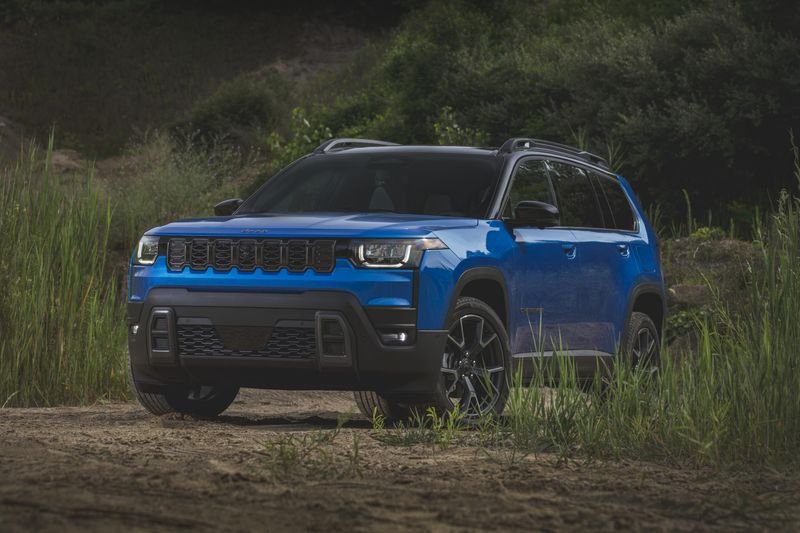
The Jeep Willys Wheeler traces its roots back to the 1940s. This model was originally designed for military use and later adapted for civilian drivers. Its simple design, strong build, and reliability made it famous worldwide. The Wheeler W, while often confused with the Willys Wheeler, is actually a modern tribute, built with inspiration from the original Willys.
Both vehicles share the Wheeler name, but their stories are quite different. The Willys Wheeler is a historic icon, while the Wheeler W is a newer model aiming to capture the same spirit.

Key Specifications
Understanding the basics helps you see how these Jeeps compare. Here’s a look at some main specs:
| Feature | Willys Wheeler | Wheeler W |
|---|---|---|
| Engine | 2.2L Inline-4 (Go-Devil) | 3.6L V6 (Pentastar) |
| Transmission | 3-speed manual | 6-speed manual/automatic |
| Horsepower | 60 hp | 285 hp |
| Drivetrain | 4WD | 4WD |
| Fuel Economy | 15 mpg | 17 mpg |
| Production Years | 1941–1952 | 2014–2020 |
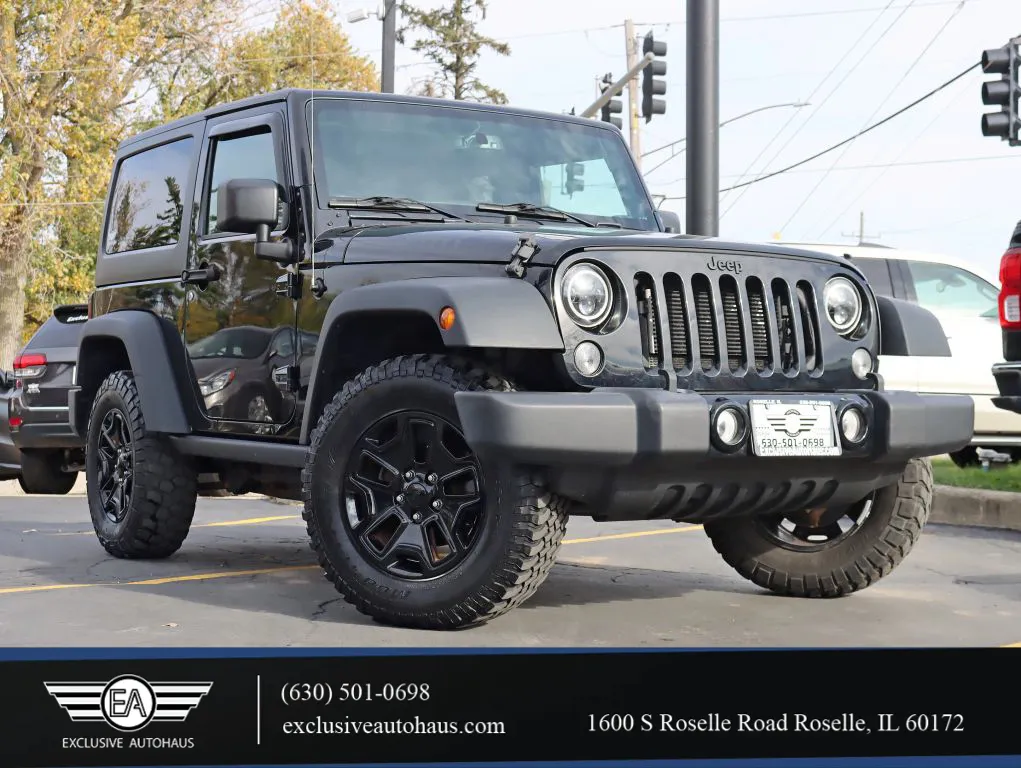
The Willys Wheeler is much simpler and less powerful, but it’s easier to fix and maintain. The Wheeler W offers modern comfort, safety, and a stronger engine.

Design And Build
Both Jeeps follow a classic boxy look, but their details differ.
- The Willys Wheeler has a steel body, flat fenders, and a basic interior.
- Wheeler W features rounded edges, updated lights, and improved materials inside.
A unique insight: The Willys Wheeler’s low weight (just over 2,400 lbs) makes it surprisingly agile off-road, even with its small engine. The Wheeler W, at around 3,800 lbs, is heavier but more stable at high speeds.
Off-road Performance
If you love adventure, off-road performance matters. Let’s compare their abilities:
| Performance Area | Willys Wheeler | Wheeler W |
|---|---|---|
| Ground Clearance | 8.1 inches | 8.7 inches |
| Approach Angle | 45° | 42° |
| Departure Angle | 35° | 32° |
| Water Fording | Up to 19 inches | Up to 30 inches |
| Max Towing | 1,200 lbs | 2,000 lbs |
The Wheeler W’s modern features make it better for deep water and towing, but the Willys Wheeler’s angles let it handle steep climbs more easily.
Driving Experience
You’ll notice big differences on the road:
- Willys Wheeler has a loud, rough ride and manual steering. It’s fun for short trips and feels “raw,” but gets tiring on long journeys.
- Wheeler W offers air conditioning, power steering, and comfortable seats. It’s designed for both city and country roads.
A non-obvious insight: Willys Wheeler owners often prefer its simple mechanics because repairs are cheap and can be done at home. Wheeler W needs more specialized tools and skills.
Reliability And Maintenance
Classic Jeeps like the Willys Wheeler have fewer electronic parts, making them reliable in tough conditions. However, finding parts can be challenging.
Wheeler W, being newer, has more electronics and better parts availability, but repairs can cost more.
Another thing beginners miss: Modern Jeeps like Wheeler W require regular software updates, especially for safety systems. With Willys Wheeler, mechanical upkeep is all you need.
Price And Value
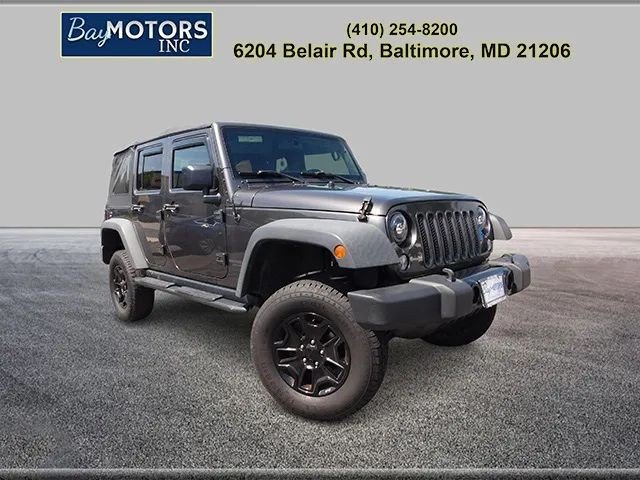
If you want to buy, restore, or sell, price matters. Here’s a quick comparison:
| Model | Average Used Price | Restoration Cost |
|---|---|---|
| Willys Wheeler | $15,000–$35,000 | $10,000–$25,000 |
| Wheeler W | $20,000–$40,000 | $2,000–$5,000 |
Restoring a Willys Wheeler often costs more due to rare parts and expert labor. Wheeler W is cheaper to fix but loses value faster.
Which Should You Choose?
Your choice depends on your needs:
- If you want a historic classic and don’t mind manual work, Willys Wheeler is ideal.
- If you prefer modern comfort and easy maintenance, Wheeler W is the better pick.
- Willys Wheeler is great for collectors and off-road purists.
- Wheeler W suits families and daily drivers.
Remember: Both models have strong communities, so finding advice and support is easy.
Frequently Asked Questions
What Is The Main Difference Between Willys Wheeler And Wheeler W?
The Willys Wheeler is a vintage Jeep from the mid-20th century, built for toughness and simplicity. Wheeler W is a modern Jeep inspired by the Willys, with updated technology, comfort, and more power.
Is The Willys Wheeler Good For Everyday Driving?
Not really. It’s best for short trips or off-road use.
Its basic features make long drives uncomfortable compared to modern cars.
How Hard Is It To Restore A Willys Wheeler?
Restoring a Willys Wheeler can be challenging. Parts are rare, and you need specialized skills.
It’s rewarding for Jeep fans but can be expensive and time-consuming.
Does The Wheeler W Have Any Unique Features?
Yes. Wheeler W has advanced safety systems, modern infotainment, and better water fording abilities.
It’s designed for both urban and off-road adventures.
Where Can I Learn More About Jeep History?
You can find detailed Jeep history and model guides at Wikipedia.
Both Jeeps offer unique strengths. Whether you value history or modern comfort, understanding their differences helps you choose the right model.
With strong communities and plenty of advice, you’ll find support whatever you decide.