The Jeep Grand Cherokee Overland is a popular choice for those seeking a blend of luxury, capability, and off-road prowess. Leasing this particular trim level offers a way to drive a premium SUV without the long-term commitment of buying.
But what does a Jeep Grand Cherokee Overland lease really involve? Understanding the nuances of leasing, the specific features of the Overland trim, and how they translate into lease terms is crucial for making an informed decision.
This guide will break down everything you need to know, from what makes the Overland special to the financial aspects of leasing and how to get the best deal.
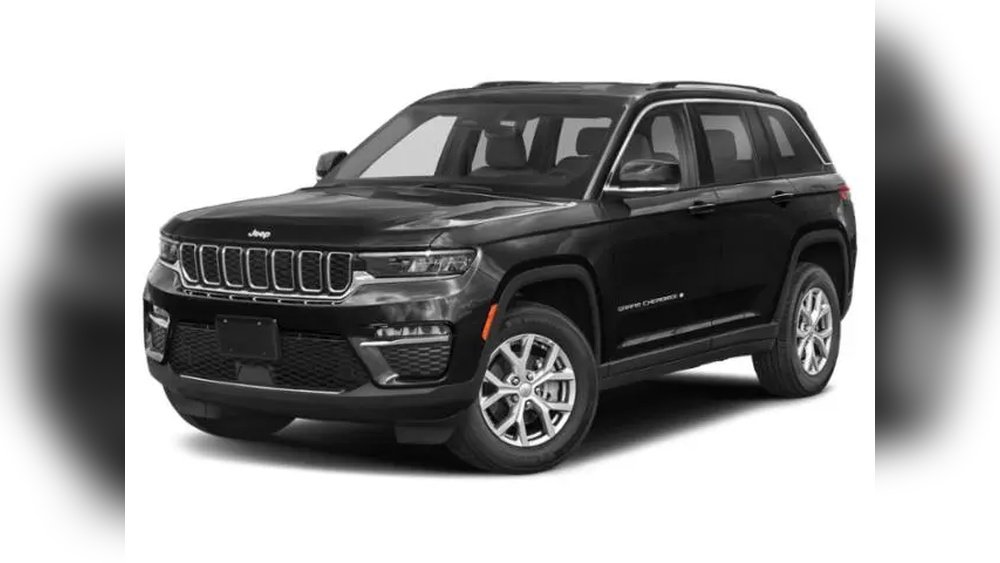
Understanding The Jeep Grand Cherokee Overland Trim
The Grand Cherokee Overland sits high in the Grand Cherokee lineup, positioned as a more refined and feature-rich option compared to lower trims. It’s designed for drivers who want the rugged capability Jeep is known for, but with added comfort, advanced technology, and premium finishes.
Key Features Of The Overland Trim
When you opt for an Overland lease, you’re getting a vehicle packed with desirable features. These often include:
- Exterior Enhancements: Unique front and rear fascias, body-color cladding, chrome accents, and larger, distinctive wheels (often 20-inch).
- Interior Luxury: Premium leather-trimmed seats (often with heating and ventilation), real wood or metal trim accents, and an upgraded dashboard.
- Advanced Technology: A larger infotainment touchscreen (e.g., 8.4-inch or higher), premium audio systems (like Alpine or Harman Kardon), navigation, and more advanced driver-assistance features.
- Off-Road Capability: While all Grand Cherokees are capable, the Overland typically comes standard with Jeep’s Quadra-Trac II 4×4 system, which includes a two-speed transfer case and an electronic limited-slip rear differential for enhanced traction. It also usually includes Jeep’s Selec-Terrain system, allowing drivers to select different modes for various driving conditions (Auto, Snow, Mud, Sand, Rock).
- Comfort and Convenience: Power liftgate, remote start, heated steering wheel, and often a panoramic sunroof.
These premium features are what make the Overland attractive, and they also influence its residual value, a key factor in lease pricing. A well-equipped vehicle with desirable features tends to hold its value better, which can lead to more favorable lease payments.
The Overland’s Place In The Grand Cherokee Lineup
To fully appreciate the Overland, it’s helpful to see where it fits. The Grand Cherokee typically offers trims like Laredo, Limited, Trailhawk (focused on off-roading), Overland, and Summit (the most luxurious).
The Overland strikes a balance, offering much of the Summit's refinement without the absolute top-tier price tag, while still providing robust 4×4 capability that might be more advanced than standard on lower trims.
This positioning makes it a strong contender for leasing, as it offers a substantial upgrade in features and comfort.
The Mechanics Of Leasing A Jeep Grand Cherokee Overland
Leasing a vehicle is essentially a long-term rental agreement. Instead of financing the full price of the car, you pay for the depreciation (the loss in value) over the lease term, plus interest (rent charge) and fees. For a Jeep Grand Cherokee Overland lease, this means you’re paying for the privilege of driving that specific trim level for a set period, usually 24 to 36 months.
Key Lease Terminology Explained
- MSRP (Manufacturer’s Suggested Retail Price): The sticker price of the vehicle.
- Capitalized Cost (Cap Cost): The agreed-upon price of the vehicle for the lease. This is negotiated, just like when buying. A lower cap cost leads to lower monthly payments.
- Capitalized Cost Reduction: Any down payment or trade-in value applied to reduce the cap cost.
- Residual Value: The estimated value of the vehicle at the end of the lease term. This is set by the leasing company and significantly impacts your payment. A higher residual value means lower monthly payments.
- Money Factor: This is the interest rate for a lease. It’s often expressed as a small decimal (e.g., 0.00125). To convert it to an approximate Annual Percentage Rate (APR), multiply by 2400 (0.00125 x 2400 = 3% APR).
- Lease Term: The length of the lease agreement, typically 24, 36, or 39 months.
- Mileage Allowance: The maximum number of miles you can drive per year without incurring excess mileage charges. Common allowances are 10,000, 12,000, or 15,000 miles per year.
- Acquisition Fee: A fee charged by the leasing company to set up the lease.
- Disposition Fee: A fee charged at the end of the lease when you return the vehicle. This can sometimes be waived if you lease or buy another vehicle from the same brand.
- Excess Mileage Charge: The penalty you pay per mile if you exceed your agreed-upon mileage allowance.
How Lease Payments Are Calculated
Your monthly lease payment is primarily determined by:
- The difference between the Cap Cost and the Residual Value: This is the total amount the vehicle is expected to depreciate during your lease.
- The Money Factor: This is the interest charged on the average balance of the lease.
- The Lease Term: Longer terms spread the depreciation and interest over more payments, potentially lowering the monthly amount but increasing the total interest paid.
- Taxes and Fees: State and local taxes, plus various fees, are added to the monthly payment.
For a Jeep Grand Cherokee Overland lease, the specific features and demand for this trim will influence its residual value, directly impacting your monthly payment.

Factors Affecting Your Jeep Grand Cherokee Overland Lease Deal
Getting the best possible lease deal involves understanding and influencing several key factors. The Jeep Grand Cherokee Overland lease cost can vary significantly based on these elements.
Negotiating The Capitalized Cost
This is arguably the most crucial step. The cap cost is the price you “pay” for the vehicle over the lease term. Just like buying, you should negotiate this price down. Aim to pay as close to the invoice price as possible, or even below it if incentives allow. Don’t focus solely on the monthly payment; work backward to ensure you’re getting a fair price for the Overland itself.
Understanding Residual Value
Residual values are set by leasing companies (often tied to the manufacturer) and are usually expressed as a percentage of the MSRP. For example, a 60% residual value on a $60,000 Overland means it’s expected to be worth $36,000 at the end of the lease.
Higher residuals mean lower depreciation, which translates to lower monthly payments. Jeep often has competitive residual values, especially on popular models like the Grand Cherokee.
You can often find information about current residual values on automotive leasing websites or by asking dealerships.
Manufacturer Incentives And Rebates
Jeep, like other manufacturers, frequently offers lease specials or incentives. These can come in the form of:
- Lease Cash: A direct reduction in the cap cost, lowering your monthly payment.
- Special Money Factors: A reduced interest rate, saving you money on financing charges.
- Higher Residual Values: Sometimes, manufacturers will boost the residual value for certain models or lease terms to make them more attractive.
Always ask about current Jeep lease deals for the Grand Cherokee Overland. These incentives can significantly reduce your overall leasing cost.
Lease Term And Mileage
- Lease Term: While longer terms (e.g., 39 or 42 months) might offer lower monthly payments, you’ll pay more interest over time and drive a vehicle that’s older when you turn it in. Shorter terms (e.g., 24 or 36 months) often result in higher monthly payments but less total interest and a newer vehicle at lease end.
- Mileage: Be realistic about your driving habits. If you drive significantly more than the standard 12,000 miles per year, opting for a 15,000-mile allowance upfront is usually more cost-effective than paying excess mileage charges at the end of the lease. Excess mileage fees can be quite high, often $0.20 to $0.30 per mile.
Down Payment (cap Cost Reduction)
While a down payment can lower your monthly payments, it’s generally not recommended in leasing. If the vehicle is totaled in an accident or stolen, your down payment is typically lost, as insurance typically pays out the actual cash value of the vehicle, not what you might have paid upfront. It’s usually better to make a small down payment (or none at all) and focus on negotiating a lower cap cost and a good money factor.
Comparing Leasing Vs. Buying The Grand Cherokee Overland
Deciding whether to lease or buy the Grand Cherokee Overland depends on your priorities and financial situation.
When Leasing Makes Sense
- You like driving a new car every few years: Leasing allows you to regularly upgrade to the latest models with new technology and features.
- You prefer lower monthly payments: Lease payments are typically lower than loan payments for the same vehicle and term.
- You don’t drive a lot of miles: If you stay within the mileage limits, leasing can be cost-effective.
- You want predictable costs: Most leases include warranty coverage, meaning fewer unexpected repair bills.
- You don’t want to deal with selling a used car: At lease end, you simply return the vehicle.
When Buying Makes Sense
- You want to own the vehicle outright: You build equity and have no mileage restrictions.
- You plan to keep the car for a long time: Buying is more cost-effective if you intend to keep the vehicle for more than 5-6 years, as you’ll eventually pay off the loan and have no further payments.
- You drive a lot of miles: Buying eliminates the concern of exceeding mileage limits and associated penalties.
- You want to customize your vehicle: Owning allows you to make modifications without lease restrictions.
- You want to avoid fees: Buying avoids acquisition and disposition fees common in leasing.
A Sample Scenario: Lease Vs. Buy Cost Comparison
Let’s consider a hypothetical Jeep Grand Cherokee Overland lease versus buying. Suppose the Overland has an MSRP of $60,000.
Lease Scenario (36 months, 12,000 miles/year):
- Negotiated Cap Cost: $55,000
- Residual Value (e.g., 58%): $34,800
- Money Factor (e.g., 0.00150, approx. 3.6% APR)
- Acquisition Fee: $700
- Estimated Monthly Depreciation: ($55,000 – $34,800) / 36 = $561
- Estimated Monthly Rent Charge: ($55,000 + $34,800) 0.00150 / 1 = $134.70 (This is a simplified calculation; actual calculation involves average capital cost)
- Estimated Total Monthly Payment (before tax): ~$700-$750 (including fees and taxes, this could be closer to $750-$850)
- Total Paid Over 3 Years: ~$27,000 – $30,600 (plus potential excess mileage or wear/tear charges)
Finance Scenario (60 months, 3.9% APR):
- Loan Amount: $55,000 (assuming a similar negotiated price and no down payment)
- Estimated Monthly Payment: ~$1,035
- Total Paid Over 5 Years: ~$62,100
In this simplified example, leasing offers significantly lower monthly payments and a lower total cost over the first three years. However, after three years, you have no vehicle equity.
Buying results in higher monthly payments but ownership of an asset.
| Feature | Jeep Grand Cherokee Overland Lease (36 mo) | Jeep Grand Cherokee Overland Purchase (60 mo) |
|---|---|---|
| **Monthly Payment** | ~$750 – $850 (incl. tax) | ~$1,035 (excl. tax) |
| **Total Paid (Term)** | ~$27,000 – $30,600 | ~$62,100 |
| **Ownership** | No | Yes |
| **Mileage Limit** | Yes (e.g., 12k/yr) | No |
| **Depreciation** | Paid for | Experienced |
| **End of Term** | Return vehicle | Own vehicle |
*Note: These figures are estimations and can vary greatly based on specific deals, negotiation, location, and current market conditions.*
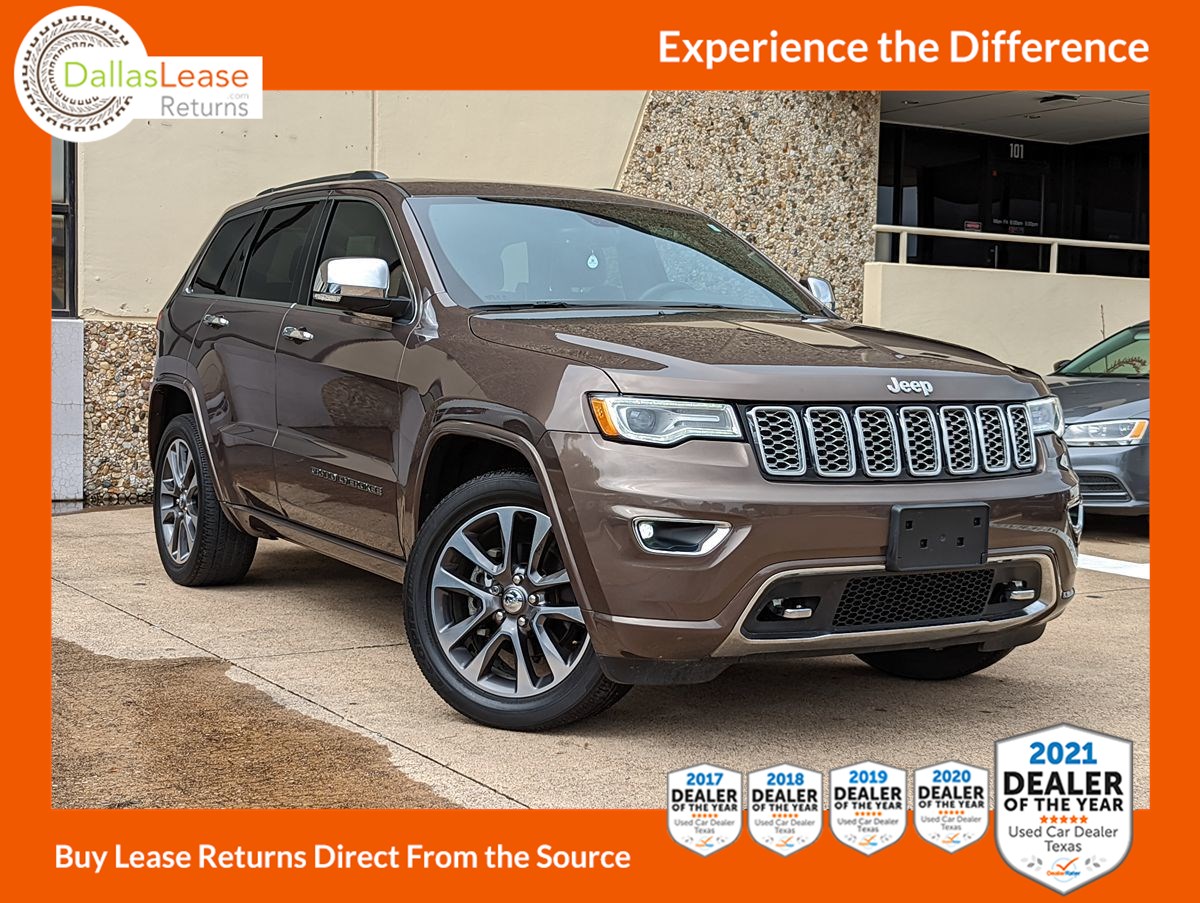
Finding The Best Jeep Grand Cherokee Overland Lease Deals
Securing a great Jeep Grand Cherokee Overland lease deal requires research and proactive engagement.
Researching Dealerships And Offers
- Online Jeep Dealerships: Many dealerships list their current lease specials online. Compare offers from multiple dealerships in your area.
- Manufacturer Website: Jeep’s official website often features national lease incentives and specials. These are a good starting point, but local dealer offers might be even better.
- Leasing Comparison Sites: Websites specializing in car leasing can provide quotes and comparisons, helping you gauge market rates.
The Importance Of Negotiation
Don’t accept the first offer. Be prepared to:
- Negotiate the Cap Cost: As mentioned, this is key.
- Shop Around: Get quotes from several dealerships. Let them know you’re comparing offers.
- Understand All Fees: Ask for a breakdown of all fees and charges.
- Be Wary of Add-ons: Dealerships may try to sell you extras like extended warranties, GAP insurance (often included in leases, but check), or paint protection. Evaluate if these are truly necessary and if the price is fair.
Timing Your Lease
Lease deals can fluctuate throughout the year. Consider leasing:
- End of the Month/Quarter/Year: Dealerships and sales staff are often trying to meet quotas, which can sometimes lead to better deals.
- When New Models Arrive: As new model years are released, dealers may