Wiring bumper lights on your Jeep can transform your night driving, make off-road trails safer, and give your vehicle a bold look. Many Jeep owners want extra lighting, but the wiring part can feel confusing or risky, especially for beginners.
In this guide, you’ll learn exactly how to wire Jeep bumper lights safely and efficiently even if you have zero electrical experience.
We’ll cover the tools you need, step-by-step instructions, common mistakes, and expert tips to make your project smooth and successful.
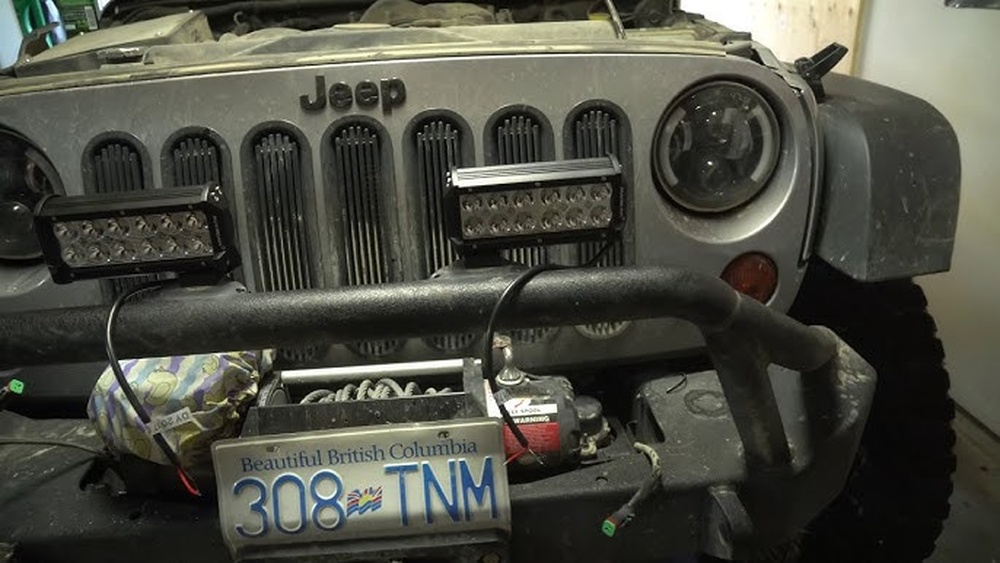
Why Install Bumper Lights On Your Jeep?
Bumper lights do more than just improve the look of your Jeep. They help you see hazards on dark roads, spot obstacles when off-roading, and can even improve safety in bad weather. For people who love camping, exploring, or just want a safer daily drive, bumper lights are a practical upgrade.
There are several types of bumper lights you can install:
- LED light bars: Bright, energy-efficient, long lifespan
- Fog lights: Designed for poor weather like fog, rain, or snow
- Spotlights: Focused beams for long-distance visibility
- Flood lights: Wide, bright beams for close-up areas
Choosing the right light depends on your driving needs. For example, if you often drive in rural areas, a combination of flood and spotlights is ideal.
What You Need Before Wiring
Getting your tools and materials ready will save time and prevent frustration. Here’s a checklist:
- Bumper lights (LED or halogen, as you prefer)
- Wiring harness (usually comes with relay, fuse, and switch)
- Wire strippers and crimpers
- Electrical tape or heat shrink tubing
- Zip ties
- Drill and bits (if mounting new lights)
- Socket set and screwdrivers
- Multimeter (for checking connections)
- Ring terminals or connectors
- Protective gloves
Pro tip: Buy a wiring harness designed for automotive lights. It simplifies the process, adds safety (with built-in relays and fuses), and reduces the risk of electrical fires.
Understanding The Basic Wiring Setup
Before you start, it helps to know how the wiring works. Most bumper lights use a simple circuit:
- Power wire connects to the battery (+)
- Ground wire attaches to the vehicle frame (-)
- Switch wire runs to the cabin so you can turn the lights on and off
- Relay acts as a safety device, letting you power strong lights without overloading your dashboard switch
Here’s a quick comparison between wiring with and without a relay:
| Feature | With Relay | Without Relay |
|---|---|---|
| Safety | High | Low |
| Switch Durability | Longer life | Shorter life |
| Max Current | Handles high current | Limited |
| Complexity | Slightly more wiring | Simpler |
Always use a relay for lights drawing more than 10 amps.
How To Wire Jeep Bumper Lights: Step-by-step Guide
Let’s break down the process into clear steps. Each one matters for safety and reliability.
1. Plan Your Installation
Before you touch any wires, decide exactly where you want the lights and switch. Dry-fit the lights on your bumper and run the wiring harness along the path you’ll use.
Check for moving parts, sharp edges, and heat sources (like the exhaust or engine).
Key insight: Many beginners run wires where they’re easy to reach but forget about engine heat or steering linkages. Secure wires away from these areas to prevent melting or pinching.
2. Mount The Lights
- Use the supplied brackets and hardware.
- Drill holes in the bumper if needed.
- Make sure the lights are level and face the right direction.
Tip: Leave all bolts slightly loose until both lights are in position, then tighten.
3. Connect The Wiring Harness
Most kits have color-coded wires. Typical colors:
- Red: Power from battery (+)
- Black: Ground (-)
- White/Blue: Switch wire
Attach the harness to each light using the waterproof connectors provided. If not, use crimp connectors and cover with heat shrink tubing.
4. Route The Wires Safely
Run the wiring harness from the bumper to the battery and cabin. Follow existing wire paths when possible. Use zip ties to secure the wires every 6-8 inches.
Avoid: Hot surfaces, sharp edges, moving parts, and places where water collects.
5. Connect To The Battery And Ground
- Attach the relay power wire (usually red) to the battery positive terminal.
- Attach the ground wire (black) to a clean, bare metal spot on the frame or directly to the negative battery terminal.
- Use ring terminals for secure connections. Tighten the bolts but don’t overtighten.
6. Install The Switch In The Cabin
Decide where you want the switch (dash, center console, etc. ). Drill a small hole if needed, and run the switch wire through the firewall (the metal wall between engine and cabin).
Tip: Most Jeeps have spare rubber grommets in the firewall. Use a utility knife to make a small hole for the wire.
7. Connect The Relay And Fuse
Your wiring harness should include a relay and an inline fuse. Mount the relay near the battery but away from engine heat. The fuse protects your Jeep from electrical shorts.
Pro insight: Never skip the fuse—even a small wiring mistake can destroy your vehicle’s electrical system without it.
8. Test The Lights
Reconnect the battery. Flip the switch and check that the lights work. If not, double-check all connections with a multimeter—especially grounds.
- If the lights flicker, check for loose connections or undersized wires.
- If nothing happens, check the fuse.
9. Secure Everything
- Use zip ties to tidy up wires.
- Add electrical tape or split loom tubing for extra protection.
- Reinstall any panels or covers you removed.
10. Adjust The Light Aim
Park your Jeep on a flat surface. Turn on the bumper lights and adjust their aim using the mounting brackets. Make sure you don’t blind other drivers.
Common Mistakes To Avoid
Even experienced DIYers make wiring mistakes. Watch out for these:
- Skipping the relay or fuse. This creates fire risk and can burn out your Jeep’s switches.
- Weak ground connections. Always sand down to bare metal for a solid ground.
- Routing wires too close to heat or moving parts. This leads to melted wires or electrical shorts.
- Using the wrong wire gauge. Always use the size recommended in your kit (usually 14 or 16 AWG for bumper lights).
- Not testing with a multimeter. Assumptions cause headaches—test every connection before finishing.
Jeep Bumper Light Wiring: Quick Reference Table
Here’s a summary for easy comparison:
| Step | Key Task | Common Issue | Solution |
|---|---|---|---|
| 1 | Plan & Dry Fit | Wires too short | Measure twice before cutting |
| 2 | Mount Lights | Lopsided aim | Level before tightening |
| 3 | Wire Harness | Wrong connection | Follow color codes |
| 4 | Route Wires | Pinched/melted wires | Secure away from hazards |
| 5 | Connect Power/Ground | Weak ground | Sand to bare metal |
| 6 | Switch Install | Loose switch | Mount firmly |
| 7 | Relay/Fuse | No protection | Always use fuse |
| 8 | Test | No power | Check with multimeter |
| 9 | Secure Wires | Messy install | Zip ties, tape |
| 10 | Aim Lights | Blinding others | Adjust level |

Safety Tips For Wiring Bumper Lights
Electricity can be dangerous if handled carelessly. Always:
- Disconnect the battery before starting.
- Wear protective gloves and safety glasses.
- Use the correct wire gauge.
- Never splice wires with just tape—use proper connectors.
- Test everything before final assembly.
Advanced Tips Most Beginners Miss
- Waterproof your connections. Even if connectors are labeled “waterproof,” add a dab of dielectric grease before connecting. This blocks moisture and prevents corrosion.
- Label your wires. If you plan to add more accessories later (like a winch or extra lights), label each wire with tape. This makes future upgrades much easier.
Legal Considerations And Adjustments
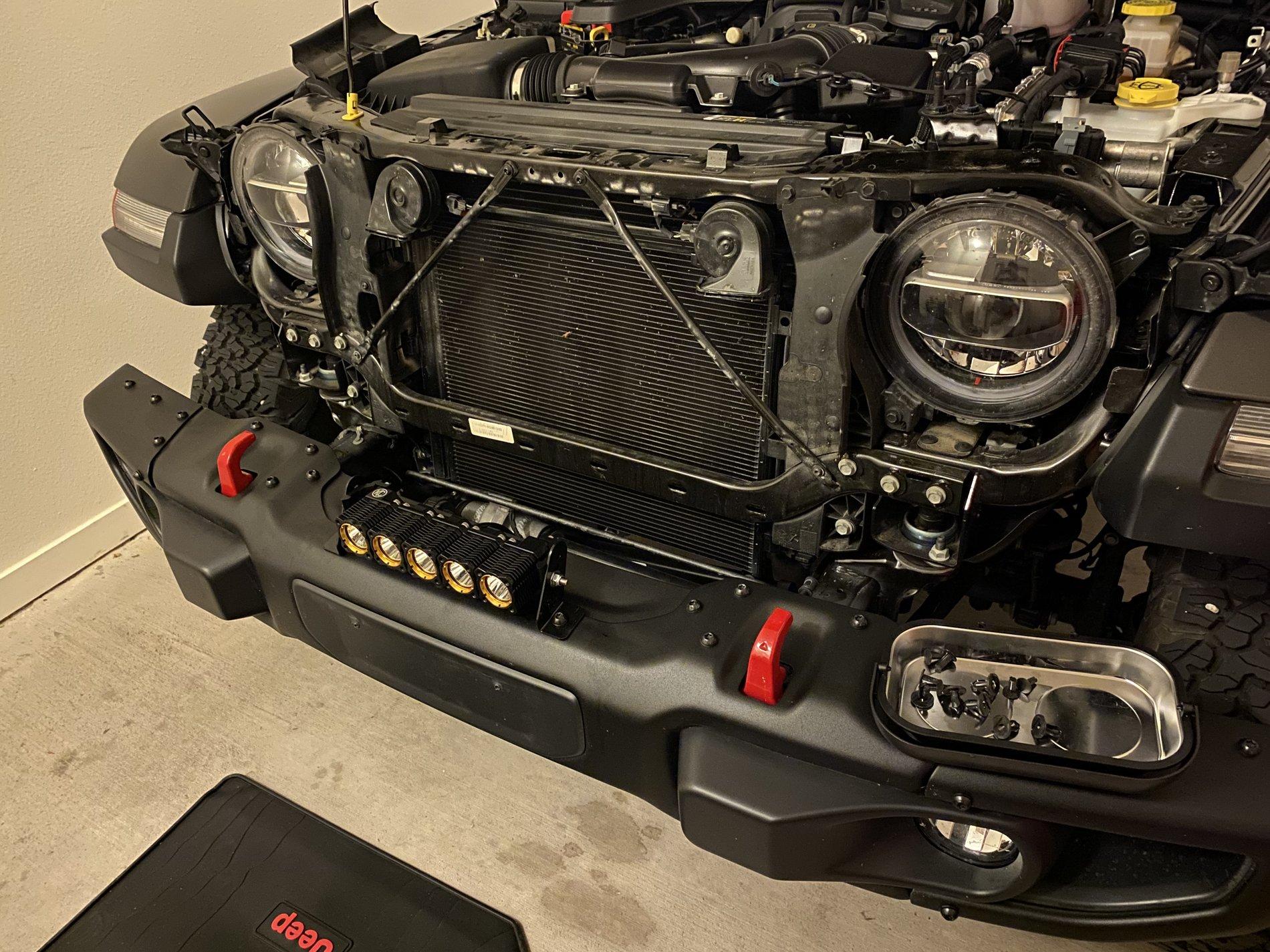
Some states have rules about off-road lights on public roads. For example, you might need to cover them with snap-on covers when driving on highways, or only use them when off-roading. Check your local vehicle code to avoid tickets. The NHTSA Lighting Equipment page provides more details.
When To Get Professional Help
If you’re not confident, it’s okay to ask a mechanic or auto electrician. Wiring mistakes can be costly or dangerous. Some newer Jeeps have complex electronics (like CAN bus systems) that may need professional programming after adding accessories.

Frequently Asked Questions
How Long Does It Take To Wire Jeep Bumper Lights?
For most people, the job takes 2 to 4 hours. If you’re new to wiring, allow extra time to plan, double-check, and test connections.
Can I Wire Bumper Lights Without A Relay?
You can, but it’s not recommended. The relay protects your Jeep’s switches and wiring from overheating. For any light drawing over 10 amps, always use a relay.
What Wire Size Should I Use?
Most bumper light kits use 14 or 16 AWG wire. If you’re running a long wire or powering multiple lights, go thicker (12 AWG). Undersized wire can overheat and cause shorts.
Do I Need To Disconnect The Battery?
Yes! Always disconnect the negative battery terminal before starting. This protects you and your vehicle from accidental shorts or sparks.
Are Bumper Lights Legal On Public Roads?
Laws vary by state. In many areas, off-road lights must be covered or switched off when driving on public streets. Check your local laws to avoid trouble.
Wiring Jeep bumper lights is a rewarding DIY project that boosts safety and style. With the right tools and careful planning, you can do it yourself and enjoy brighter, safer adventures day or night.
Remember, attention to detail and safety always pay off, both on the trail and on the road.