If you drive a 2018 Jeep Wrangler, you know this SUV is built for both rough trails and city streets. But tough adventures and long drives mean one thing: your engine works hard.
To keep it cool and healthy, you need the right coolant. Choosing the correct coolant isn’t just about grabbing any bottle off the shelf.
It’s about protecting your engine, extending its life, and ensuring you don’t get stranded on your next trip. Let’s break down what you need to know about coolant for your 2018 Jeep Wrangler so you can drive with confidence and avoid expensive repairs.
Why Coolant Is Essential For Your 2018 Jeep Wrangler
Coolant, also called antifreeze, does more than just prevent overheating. It also keeps the engine from freezing in winter, stops corrosion, and helps maintain engine performance. The 2018 Jeep Wrangler’s engine runs hot—especially during off-roading or in hot climates—so having the right coolant mix is critical.
Many drivers think coolant is all the same, but using the wrong type can lead to leaks, rust, or even engine failure. Jeep designed your Wrangler to work with specific coolants for a reason.
It’s not just about color or price; it’s about chemistry and compatibility with your engine’s metal parts.
Recommended Coolant Types For 2018 Jeep Wrangler
The 2018 Jeep Wrangler uses a specific type of coolant. According to Jeep’s owner’s manual, the recommended coolant is Mopar Antifreeze/Coolant 10 Year/150,000 Mile Formula OAT (Organic Additive Technology). It’s usually purple or pink in color.
What Makes Oat Coolant Different?
- Long life: Lasts up to 10 years or 150,000 miles.
- Silicate-free: Reduces deposits and extends water pump life.
- Compatible metals: Works with aluminum and other metals in the Wrangler’s cooling system.
Some drivers confuse OAT with HOAT (Hybrid Organic Acid Technology) or older green coolants. Using the wrong one can damage seals and create sludge. Always double-check the label before adding coolant.
How To Check And Top Off Coolant In Your Wrangler
Checking your coolant is simple, but many owners forget until it’s too late. Here’s how to do it right:
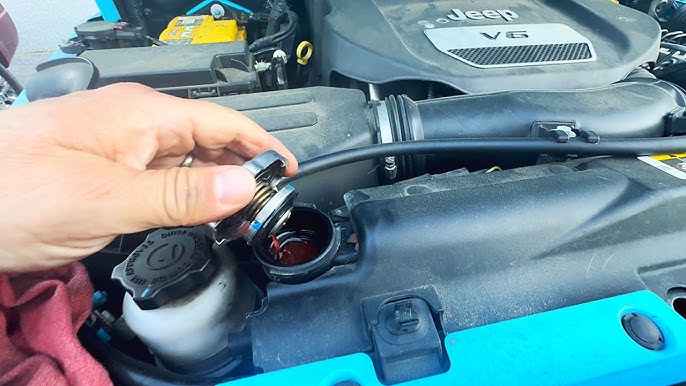
- Let the engine cool down completely. Opening the radiator cap while hot can be dangerous.
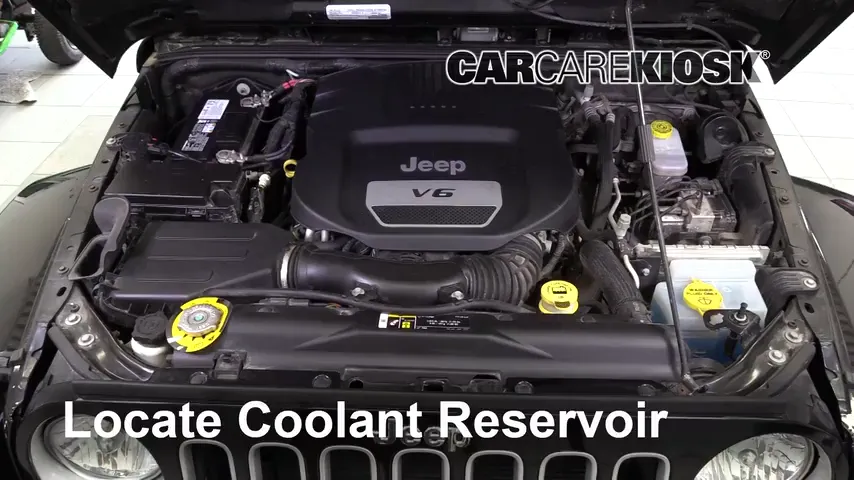
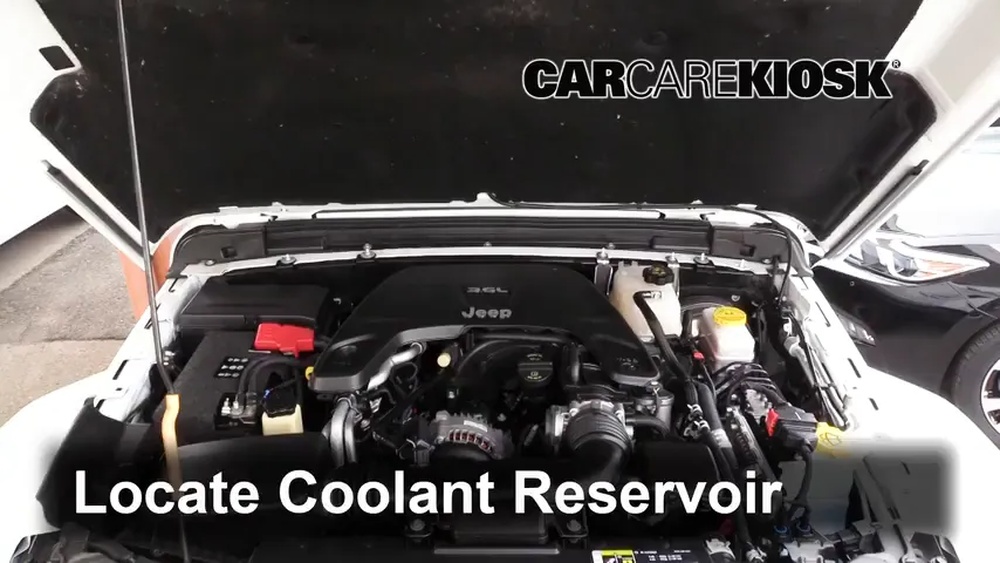
- Locate the coolant reservoir in your engine bay. It’s usually a translucent plastic tank with “MAX” and “MIN” lines.
- Check the level. The fluid should be between the two lines. If it’s below “MIN,” you need to add coolant.
- Add the correct OAT coolant. If mixing with water, use distilled water only—never tap water, as minerals can damage the system.
A common mistake is topping off with just water or the wrong coolant type. Over time, this can lead to expensive repairs.
How Much Coolant Does A 2018 Jeep Wrangler Need?
The cooling system capacity for the 2018 Jeep Wrangler (with the 3.6L V6 engine) is around 10.7 quarts (about 10.1 liters). Always check your owner’s manual for the exact number if you have a different engine or model.
If you’re just topping off, you won’t need much—maybe a pint or two. But after a full drain or flush, you’ll need the full amount.
Coolant Change Intervals And Maintenance Tips
Jeep recommends changing the coolant every 10 years or 150,000 miles under normal conditions. However, if you do a lot of off-roading, towing, or drive in extreme climates, check the coolant more often.
Signs You Need A Coolant Change Sooner
- Rusty or brown coolant: Indicates corrosion in the system.
- Sludge or floating particles: Means mixing of old and new types or a failing gasket.
- Low coolant level with no leaks: Could mean internal engine problems.
A good practice is to check the coolant at every oil change. It only takes a minute but can save you a lot of hassle.
How To Flush And Replace Coolant In Your Wrangler
Flushing your cooling system isn’t hard, but it does require patience and the right tools. Here’s a simple step-by-step guide:
- Park on a level surface and let the engine cool.
- Lift the vehicle if needed for access.
- Place a large drain pan under the radiator.
- Open the drain plug on the radiator and let old coolant drain out.
- Flush with distilled water until it runs clear.
- Close the drain plug and refill with Mopar OAT coolant, mixing with distilled water if required.
- Run the engine with the heater on for a few minutes, then recheck the level and top off.
Never pour used coolant down the drain—it’s toxic. Take it to a recycling center or auto shop.
Comparison: Mopar Oat Vs. Other Coolant Types
Here’s how Mopar OAT stacks up against other common coolant types:
| Coolant Type | Color | Recommended Change Interval | Compatibility |
|---|---|---|---|
| Mopar OAT | Purple/Pink | 10 yrs / 150,000 miles | 2013+ Jeep, Chrysler, Dodge |
| HOAT | Orange/Yellow | 5 yrs / 100,000 miles | Older Chrysler/Jeep/Dodge |
| Green Conventional | Green | 2 yrs / 30,000 miles | Older vehicles (pre-2000s) |
Choosing the wrong coolant can cause chemical reactions, forming sludge that blocks cooling passages and destroys gaskets. Always use Mopar OAT for your 2018 Wrangler.
What To Look For When Buying Coolant
Not all “universal” coolants are truly universal. Here’s what matters:
- Check for OAT compatibility on the label.
- Look for Mopar approval or “meets Chrysler MS.90032” standard.
- Avoid premixed coolants unless you want to pay extra for water.
Some cheap brands claim to work for all vehicles but may not protect your Wrangler’s specific materials. Investing in a trusted brand means fewer problems later.
Mixing Coolant Types: Why It’s Risky
Mixing OAT coolant with HOAT or conventional green coolant is a common mistake. While your engine may not fail immediately, over time, chemical reactions can lead to:
- Thick sludge blocking coolant flow
- Corrosion of aluminum parts
- Water pump or gasket failures
If you’re unsure what’s already in your system, it’s best to flush it completely and refill with the correct OAT coolant.
Signs Of Coolant Problems In Your Wrangler
Catching issues early prevents bigger headaches. Watch for these warning signs:
- Temperature gauge rising above normal
- Sweet smell from under the hood (leaking coolant)
- Coolant puddles under the vehicle
- Heater not working properly
- Steam from the engine bay
If you see any of these, stop driving and check your coolant right away. Overheating can ruin your engine in minutes.
Step-by-step: How To Add Coolant To Your Wrangler
For new Jeep owners, here’s a simple process:
- Let the engine cool—never open a hot radiator.
- Open the hood and locate the coolant reservoir.
- Check the level—if low, add Mopar OAT coolant to the “MAX” line.
- Start the engine and run the heater to remove air bubbles.
- Recheck after a short drive and add more if needed.
Never overfill—the system needs space for expansion.
Real-world Example: What Happens With The Wrong Coolant
A 2018 Wrangler owner noticed overheating after a routine oil change at a local shop. The mechanic topped off with green coolant, not OAT. Within weeks, the driver found brown sludge in the reservoir, and the heater stopped working. The repair bill: over $800 for a flush, new hoses, and a water pump.
Insight: Always ask what type of coolant is used at quick-lube shops. Don’t assume they’ll use the correct one for your Jeep.
Cost Breakdown: Coolant And Maintenance
How much will it cost to keep your Wrangler’s cooling system healthy? Here’s a quick estimate:
| Maintenance Item | Typical Cost (USD) |
|---|---|
| Mopar OAT Coolant (1 Gallon) | $25 – $35 |
| Distilled Water (1 Gallon) | $1 – $2 |
| Coolant Flush (DIY) | $30 – $50 |
| Coolant Flush (Shop) | $100 – $200 |
| Water Pump Replacement | $400 – $700 |
A little prevention goes a long way. Sticking to the right coolant and regular checks saves you hundreds in potential repairs.
Extra Tips For Wrangler Owners
- Carry a spare bottle of Mopar OAT coolant in your cargo area, especially for long trips or off-roading.
- Label your reservoir cap with a permanent marker (“OAT only”) to remind yourself and service techs.
- If you ever buy used, ask the previous owner what coolant type they used and consider a full flush if they’re unsure.
- Always use distilled water when mixing—tap water can cause mineral deposits and scale.
Environmental Safety And Coolant Disposal
Coolant is toxic to pets, wildlife, and people. Never pour it down a drain or on the ground. Instead:
- Store used coolant in a sealed container.
- Take it to an auto parts store or recycling center.
- Clean up any spills immediately—small drops can be fatal to pets.
For more on safe disposal, check resources from the U.S. EPA.
What Color Coolant Should I Use For My 2018 Jeep Wrangler?
The correct coolant is purple or pink, which is Mopar's OAT formula. Never use green or orange coolant.
Can I Mix Different Coolant Brands If They’re All Oat?
It's best to stick with Mopar or brands that clearly say "OAT" and meet Chrysler MS.90032. Mixing brands can sometimes cause unexpected reactions, so use the same brand when possible.
How Often Should I Check My Coolant Level?
Check your coolant level every month or before long trips. Also, check after any overheating or if you see leaks.
What Happens If I Use The Wrong Coolant?
Using the wrong coolant can lead to engine damage, clogged heater cores, leaks, and expensive repairs. Always use the specified OAT coolant.
Is A Coolant Flush Something I Can Do Myself?
Yes, if you're comfortable with basic car maintenance. Make sure to dispose of old coolant safely and refill with the correct OAT type.Keeping your 2018 Jeep Wrangler's cooling system healthy is simple if you follow the right steps.
Use Mopar OAT coolant, check levels often, and never mix types. With these habits, your engine will stay coolu2014no matter where your adventures take you.