If you own a Jeep TJ, you know how much fun it is to drive off-road or just cruise around town. But when electrical problems happen, even simple things like headlights or the radio can stop working.
That’s when a wiring harness diagram becomes your best friend. Understanding this diagram can save you time, money, and a lot of frustration.
What Is A Jeep TJ Wiring Harness Diagram?
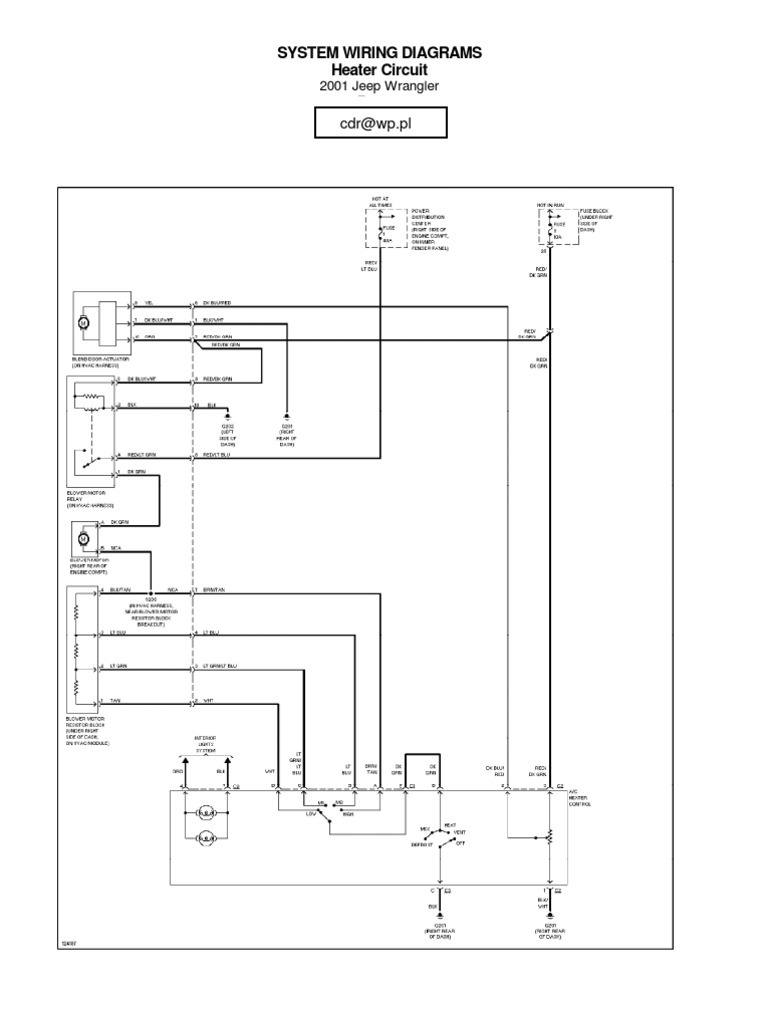
A wiring harness diagram is a map showing how all the electrical wires connect inside your Jeep TJ. It covers everything from the battery and lights to the engine sensors and dashboard controls.
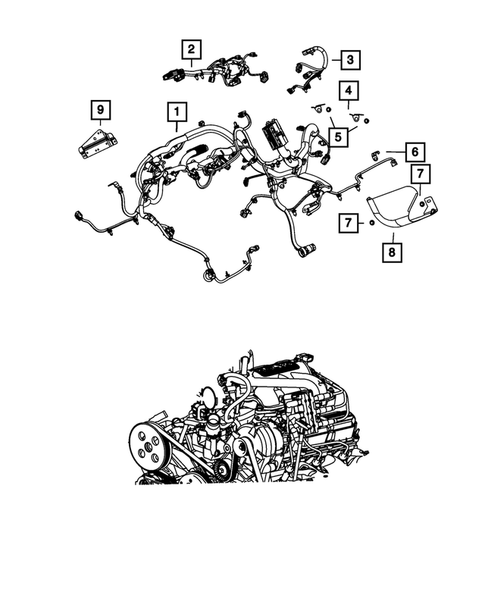
Each wire has a color code and connects to certain parts. Reading the diagram helps you find problems and fix them safely.
For example, if your turn signals stop working, the diagram shows you where to check first. You can follow the wire from the switch to the relay or fuse and see if there’s a break or a bad connection.
Why The Wiring Diagram Matters
Many Jeep TJ owners try to fix electrical issues without a diagram. This can lead to mistakes like cutting the wrong wire or blowing a fuse. Here’s why the diagram is essential:
- Troubleshooting: It helps you trace the path of any wire.
- Upgrades: Adding new lights or a stereo is much easier with the diagram.
- Safety: Avoid accidental shorts or fires by knowing what you’re doing.
Most common electrical issues in Jeep TJs are due to worn wires, bad grounds, or loose connectors. With a wiring diagram, these problems are easier to find.
Key Parts Of The Jeep TJ Wiring Harness
The Jeep TJ’s wiring harness is split into several main sections. Each section controls different features. Here’s a quick look:
- Engine harness: Handles sensors, ignition, and fuel.
- Dash harness: Controls gauges, indicators, and switches.
- Lighting harness: Powers headlights, taillights, and turn signals.
- Body harness: Connects doors, interior lights, and accessories.
Let’s compare some major components:
| Harness Section | Main Function | Key Components |
|---|---|---|
| Engine | Engine operation | Sensors, ignition, injectors |
| Dash | Driver interface | Gauges, switches |
| Lighting | External lights | Headlights, brake lights |
| Body | Interior systems | Door locks, dome lights |
Each wire color and connector type is unique, so always match the diagram to your Jeep’s year and model.
How To Read A Jeep TJ Wiring Diagram
Many beginners get overwhelmed by wiring diagrams. The good news is, you don’t need to be an expert. Here’s a simple way to start:
- Identify the symbols: Learn what each symbol means—like ground, battery, or switch.
- Follow color codes: Each wire color has a purpose. For example, black is usually ground, red is power.
- Trace the circuits: Start at one end (like the battery) and follow the wire to each component.
Here’s a small example:
| Wire Color | Function | Typical Location |
|---|---|---|
| Red | Main power | Battery to fuse box |
| Black | Ground | Chassis connections |
| Green | Signal | Turn signals |
Non-obvious tip: Some wires change color at connectors. Check both sides of any plug—don’t assume it’s the same color all the way!
Common Problems And How The Diagram Helps
Some issues happen often in Jeep TJs. Here’s how the wiring harness diagram can guide you:
- Blown fuses: The diagram shows which fuse protects which circuit.
- Short circuits: Quickly trace the route to find where wires may touch or break.
- Accessory failures: If your radio or power windows stop, the diagram helps check the right wires and relays.
Example: Suppose your headlights stop working. The wiring diagram points to the fuse, headlight relay, and the switch. You can test each spot for power and find the problem faster.
A mistake many owners make is not checking the grounds. Poor ground connections cause many Jeep TJ issues. The diagram shows where every ground is located.
Upgrading Or Replacing Your Wiring Harness
If you want to add new features or your harness is badly damaged, you may need to upgrade or replace it. Here are some points to consider:
- Choose the right year/model: Harnesses differ from 1997 to 2006.
- Label your wires: Before removing old wires, label everything. Take photos if needed.
- Check compatibility: Some aftermarket harnesses include extra connectors. Match your needs.
Data point: A full replacement harness for the Jeep TJ usually costs between $300 and $600, depending on features and brand.
Here’s a quick comparison:
| Type | Pros | Cons |
|---|---|---|
| OEM Harness | Exact fit, reliable | Expensive |
| Aftermarket | Custom features, cheaper | May require modification |
| DIY Repair | Low cost | Time-consuming, risk of errors |
Practical advice: Always disconnect the battery before you work on any wiring. Even a small mistake can cause damage.
Where To Find Jeep TJ Wiring Diagrams
You can find wiring diagrams in the Jeep TJ service manual. Many forums and websites also share them, but always use trusted sources. The official Jeep manual is the most accurate.
For more detailed information, visit the Jeep Wrangler.
What Years Does The Jeep TJ Wiring Harness Diagram Cover?
The Jeep TJ was produced from 1997 to 2006. Each year may have small differences, so always match the diagram to your Jeep’s exact year.
Can I Use A YJ Or JK Wiring Diagram For My TJ?
No. The YJ and JK models have different wiring systems and connectors. Always use a TJ-specific diagram.
How Do I Know If My Wiring Harness Is Bad?
Signs include blown fuses, non-working lights, or random electrical failures. If you see melted wires or smell burning plastic, replace the harness immediately.
What Tools Do I Need To Trace Wires?
You’ll need a multimeter, wire strippers, and a test light. The wiring diagram will show you where to test for voltage or continuity.
Is It Safe To Install Extra Lights Or Accessories?
Yes, but always follow the wiring diagram and use the correct fuses and relays. Overloading a circuit can cause damage or fire.
Understanding your Jeep TJ wiring harness diagram gives you more control and confidence when fixing or upgrading your vehicle. With the right diagram and careful work, you can solve most electrical problems yourself.