If you drive a Jeep Commander, you already know it’s a capable SUV. But when you need to tow at night or in low-visibility conditions, having the right tow lights is essential for safety and staying legal. Many Jeep Commander owners are unsure how to properly use and install tow lights, or what options are best for their needs. In this guide, you’ll learn everything you need to know about using tow lights on your Jeep Commander—from choosing the right type to wiring, mounting, troubleshooting, and safety tips that most beginners overlook.
Why Tow Lights Matter For Your Jeep Commander
Tow lights serve two main purposes: they alert other drivers that you’re towing something, and they help you follow the law. In almost every state, you are required to display working brake lights, tail lights, and turn signals on the rear of your towed load. If your trailer or towed vehicle blocks your Jeep’s lights, tow lights become critical.
Accidents often happen because other drivers can’t see or predict what a towing vehicle is doing. According to the National Highway Traffic Safety Administration, over 50,000 towing-related accidents happen each year in the US, with many linked to lighting issues. Proper tow lights make a real difference, especially at dusk, in rain, or at night.
Types Of Tow Lights For Jeep Commander
Understanding the different types of tow lights helps you pick the best one for your setup. Here are the most common options:
| Type | How It Attaches | Power Source | Best For |
|---|---|---|---|
| Magnetic Tow Lights | Magnets stick to metal surfaces | Wired to Jeep/trailer plug | Temporary towing, rental trailers |
| Wireless Tow Lights | Placed on towed vehicle or trailer | Battery powered, wireless signal | Quick setups, non-metal trailers |
| Hardwired Tow Lights | Permanently mounted and wired | Wired to Jeep’s harness | Frequent towers, heavy loads |
Magnetic tow lights are the most popular for Jeep Commander owners because they’re simple to use and require no permanent changes to your vehicle. Wireless sets are growing in popularity due to their flexibility, but you must keep batteries charged. Hardwired options are best for those who tow often or need maximum reliability.
Choosing The Right Tow Lights
When buying tow lights for your Jeep Commander, keep these factors in mind:
- Connection type: Does your Commander have a 4-pin or 7-pin trailer connector? Most Commanders come with a 7-pin, but check yours.
- Brightness: Look for LED lights rated for at least 80-100 lumens per light for visibility.
- Durability: Choose lights with a weatherproof rating, such as IP65 or better, especially if you tow in rain or snow.
- Ease of installation: Magnetic or wireless lights are best if you don’t want to drill or run wires.
- Battery life (for wireless): Look for at least 8-12 hours of runtime.
- Legal compliance: Make sure the kit is DOT approved for road use.
Pro tip: Some cheaper tow light kits use weak magnets or have low-quality wiring. These can fall off or fail during use. Spend a little more for a trusted brand to avoid trouble on the road.
How To Install Tow Lights On Jeep Commander
The installation process depends on the tow light type. Below is a step-by-step guide for magnetic tow lights, the most common option for Jeep Commander owners.
Step 1: Prepare Your Vehicle And Tow Lights
- Park on a level surface and turn off your Jeep Commander.
- Unpack your tow light kit and check all parts (lights, wiring harness, magnets).
Step 2: Clean The Mounting Surfaces
- Wipe the area on your trailer or towed vehicle where you’ll place the magnets.
- Clean magnets on the lights too. Dirt or grit can scratch paint or weaken the hold.
Step 3: Attach The Magnetic Tow Lights
- Place one light on the rear left and one on the rear right of the trailer/towed vehicle.
- Make sure they are at the same height and visible from behind.
- The magnets should feel secure and not slide.
Step 4: Route The Wiring Harness
- Run the wiring from the lights toward your Jeep Commander, avoiding moving parts.
- Use zip-ties or tape to keep the wire off the ground and away from hot surfaces like the exhaust.
- Leave some slack for turning but not so much that the wire drags.
Step 5: Connect To The Trailer Plug
- Plug the tow light harness into your Jeep Commander’s trailer connector (usually a 7-pin socket).
- Some kits need a 4-pin to 7-pin adapter. Make sure you have the right connector.
Step 6: Test The Lights
- Turn on your Jeep’s headlights, brake lights, and turn signals.
- Walk to the rear and check that all tow lights work as expected.
- Fix any loose connections or bulbs before driving.
Safety tip: Always re-check the lights after driving a few miles. Vibration can loosen plugs or magnets.
Wiring Tow Lights: What You Need To Know
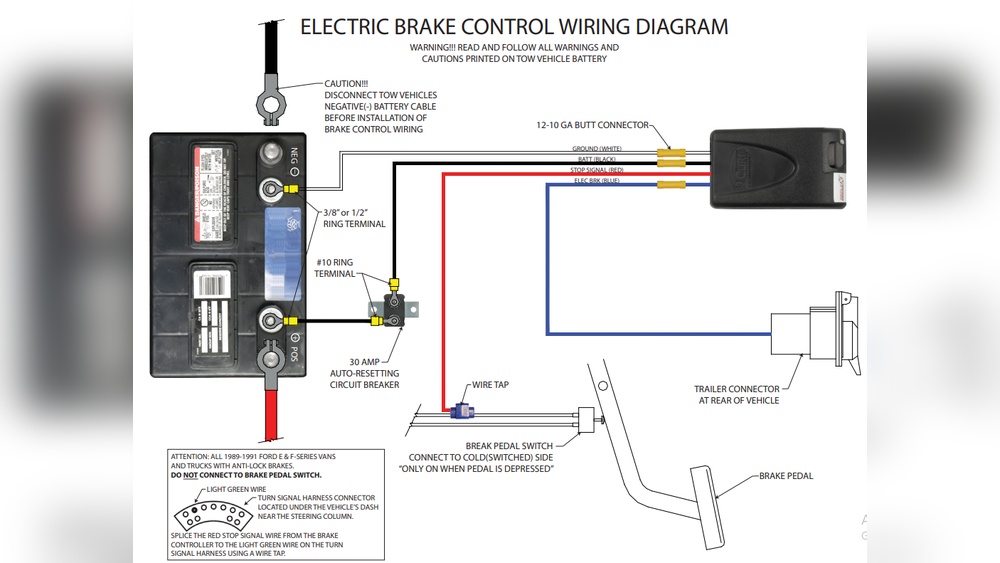
Wiring can confuse beginners. Here’s a breakdown of common connections for Jeep Commander tow lights:
| Wire Color | Function | Pin Location (Standard 4-Pin) |
|---|---|---|
| Brown | Tail/running lights | Pin 1 |
| Yellow | Left turn/brake | Pin 2 |
| Green | Right turn/brake | Pin 3 |
| White | Ground | Pin 4 |
For a 7-pin connector, the layout is different. Check your Commander’s manual or the plug cover for a diagram.
Non-obvious insight: Many lighting issues are caused by poor ground connections. If your lights flicker or fail, try scraping paint off the ground contact area or use a grounding screw.
Using Wireless Tow Lights
Wireless tow lights are simpler to set up, but there are a few things to know:
- Charge the lights fully before each use.
- Attach lights as high as possible for best signal and visibility.
- Pair the lights with their controller (usually plugged into the Jeep’s trailer socket).
- Test the lights with all Jeep functions (turn, brake, hazard) before driving.
Hidden challenge: Wireless kits can experience interference from other radio signals, especially in cities. If the lights lose signal, they may not work. Carry spare batteries or a backup wired set for long trips.
Common Problems And Troubleshooting
Even with good tow lights, issues can pop up. Here’s how to handle the most common ones:
- Lights don’t turn on: Check the connector is fully plugged in and the Jeep’s fuse for trailer lights isn’t blown.
- One side doesn’t work: Inspect the bulb/LED for damage and test the wire for cuts or pinches.
- Lights are dim: Clean all contacts and ensure the ground is solid and rust-free.
- Magnetic lights slide or fall: Make sure the mounting surface is flat, clean, and steel (not aluminum or plastic).
- Wireless lights disconnect: Replace the batteries and avoid mounting near metal that can block the signal.
Non-obvious insight: If you tow often in winter, salt and moisture can corrode connections. Apply a little dielectric grease to metal contacts for protection.
Safety Tips When Using Tow Lights
Even the best tow lights are only helpful if you use them correctly. Here are practical tips for safe towing:
- Double-check lights at every stop during a long trip.
- Keep a spare bulb or LED module in your tool kit.
- Use reflective tape on the trailer for extra visibility at night.
- If you’re towing off-road, check lights after rough sections.
- Inform passengers not to step on wires or snag them when loading gear.
Many accidents happen not from equipment failure, but from skipped checks and poor visibility. Make these habits part of your towing routine.
Legal Considerations
Towing laws vary by state, but most require your towed vehicle or trailer to have functioning tail lights, brake lights, and turn signals visible from behind. Some states also need side marker lights or reflectors if your load is wide. Fines for non-compliance can be steep, and police may stop you even if only one bulb is out.
Pro tip: Always check state laws before a long trip. For more details, see the NHTSA Lighting Requirements.
Upgrading To Led Tow Lights
Many Jeep Commander owners switch to LED tow lights for better brightness and durability. LEDs use less power, last longer (often 50,000+ hours), and are more resistant to vibration. If you tow often, LEDs are a smart investment.
The main thing to watch with LEDs: Some older vehicles may need a special adapter or “load resistor” to prevent fast-blinking signals, as LEDs draw less power than traditional bulbs.
Real-world Example
Sarah, a Jeep Commander owner from Colorado, tows a pop-up camper on weekends. She started with basic magnetic tow lights but noticed they sometimes slipped on bumpy roads. Upgrading to a wireless LED set solved the problem. She now spends two minutes setting up and never worries about scratched paint or loose wires. Her advice: “Don’t go cheap. Reliable tow lights are worth every penny when you’re towing with your family.”
Frequently Asked Questions
What Size Tow Light Kit Is Best For Jeep Commander?
Most Jeep Commander owners do well with standard-size tow light kits, which are about 4 to 6 inches in diameter. Make sure the kit matches your trailer plug (usually 7-pin) and offers enough brightness.
Do I Need A Converter Box For My Jeep Commander?
If your Jeep has separate turn and brake wires (common in some models), you may need a converter box to combine signals so the tow lights work properly. Check your manual or ask your dealer.
Can I Use Tow Lights On A Rented Trailer?
Yes, you can use magnetic or wireless tow lights on most rented trailers, as long as you have a power source. Always check that the lights are secure and legal in the state where you’ll drive.
How Do I Keep Magnetic Tow Lights From Scratching Paint?
Clean both the magnets and the mounting surface before attaching. Add a thin layer of plastic or a microfiber cloth under the magnets for extra protection, but make sure the hold is still strong.
Are Led Tow Lights Better Than Incandescent?
LED tow lights are usually brighter, last much longer, and use less power than incandescent bulbs. They cost more upfront, but require less maintenance and are more reliable for frequent towing.
Using tow lights on your Jeep Commander is one of the simplest ways to stay safe, legal, and visible on the road. With the right setup, you’ll have peace of mind whether you’re towing a trailer, boat, or another vehicle day or night.
Make sure to test your lights before every trip, keep connections clean, and upgrade to LED or wireless if you want the most hassle-free experience. Safe towing!