If you drive a Jeep, you know its rugged design is made for adventure. But sometimes, a small detail like bumper lights can leave even experienced drivers confused. These lights are more than just style; they help with visibility, safety, and even legal requirements in some places. Turning on your Jeep’s bumper lights sounds simple, but there are important steps and tips that many owners miss. Whether you’re new to Jeeps or just want to make sure you’re using every feature right, this guide will walk you through everything you need to know—clearly and step by step.
Understanding Bumper Lights On Jeep
Bumper lights are installed on the front or rear bumper of your Jeep. Their main job is to add extra visibility, especially during night driving or off-road trips. Some bumper lights are fog lights, others are DRLs (Daytime Running Lights), and some are purely decorative or added aftermarket.
The type of bumper lights depends on your Jeep model:
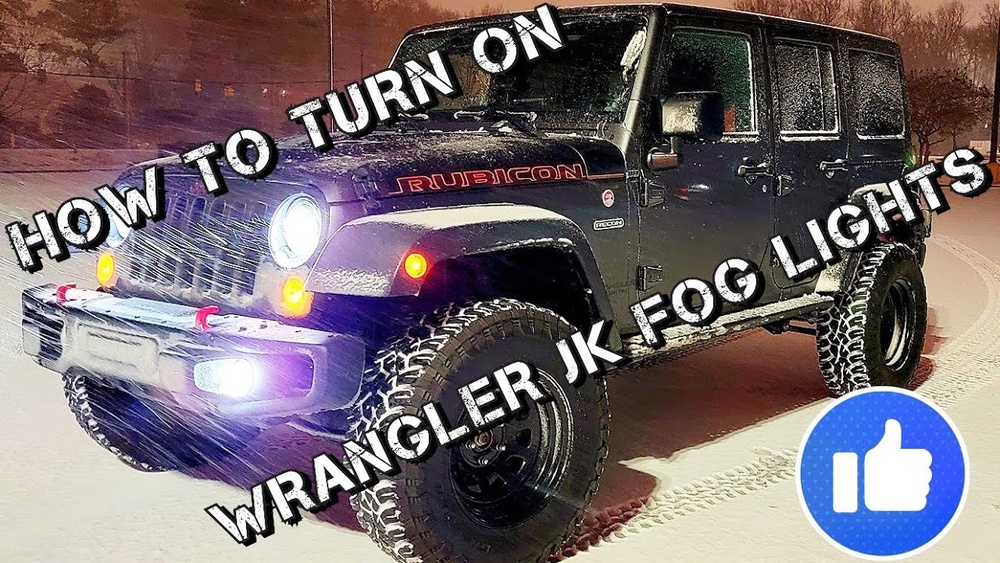
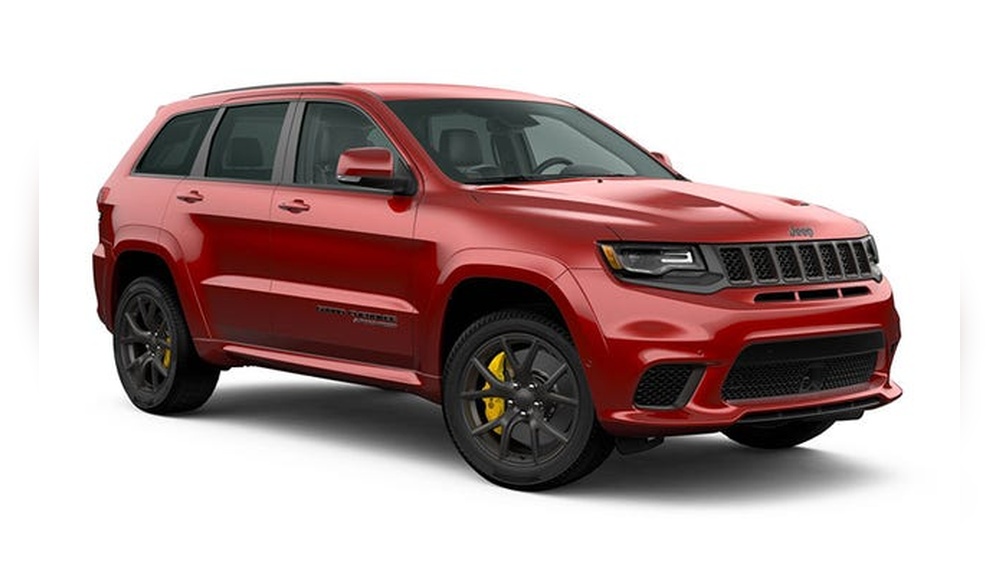
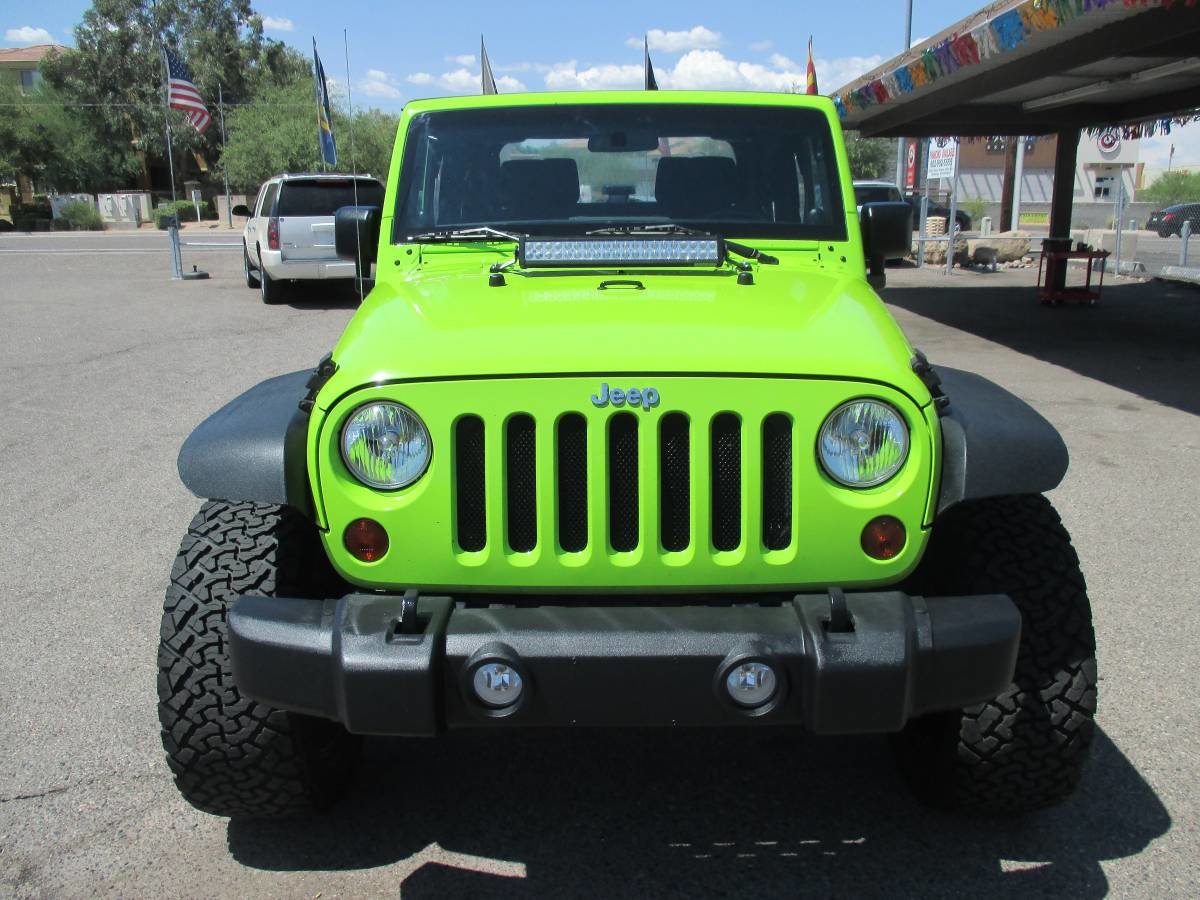
- Factory bumper lights are standard on models like the Jeep Wrangler or Grand Cherokee.
- Aftermarket bumper lights are installed by owners for more brightness or style.
Knowing which type you have is important because the method to turn them on may be different. For example, factory lights connect to your Jeep’s main electrical system, while aftermarket lights may use a separate switch or relay.
Why Bumper Lights Matter
Bumper lights are not just for looks. Here are some reasons why they matter:
- Better visibility: Extra light helps you see obstacles, road signs, and other vehicles.
- Safety: They make your Jeep easier to spot, especially in bad weather or low light.
- Legal compliance: Some states require extra lights during rain, fog, or snow.
- Off-road advantage: Bumper lights help you see rocks, mud, and uneven terrain.
A study from the National Highway Traffic Safety Administration showed that vehicles with extra lighting have 14% fewer nighttime accidents compared to those without.
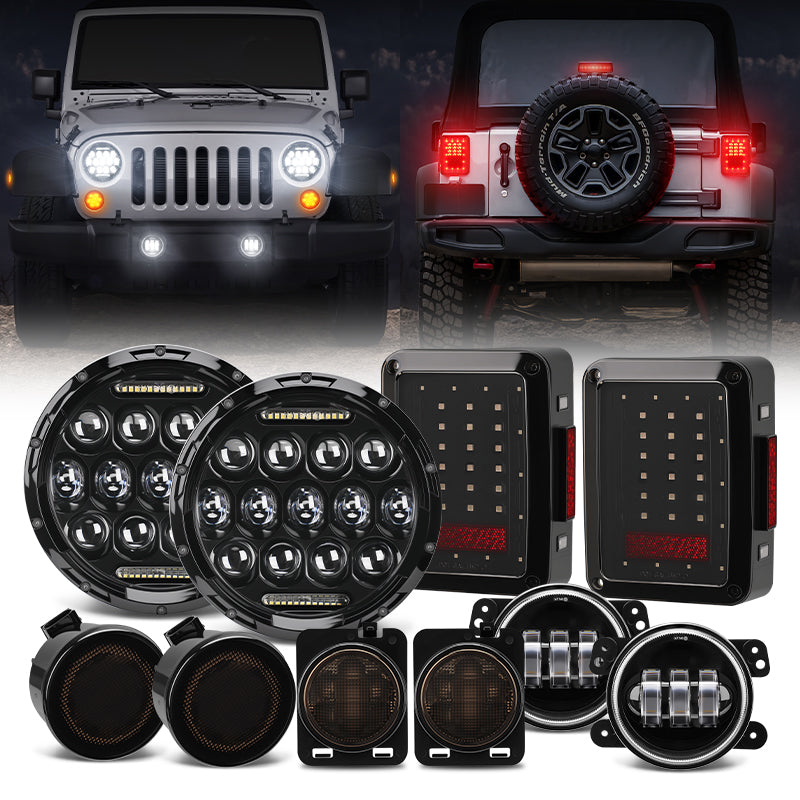
How To Turn On Bumper Lights On Jeep: Step-by-step
Turning on bumper lights is easy if you know the right steps. Let’s break it down for both factory and aftermarket bumper lights.
For Factory Bumper Lights
Most modern Jeeps come with bumper lights installed. You can use the regular controls on your dashboard.
1. Locate The Light Switch
Look for the headlight control knob. It’s usually on the left side of the steering wheel.
2. Check The Bumper Light Icon
The switch may have a fog light or DRL icon. It often looks like a lamp with lines.
3. Turn On Headlights
Rotate the knob to turn on your headlights. This step is needed for bumper lights to work.
There’s often a button you press or pull to activate bumper lights. For fog lights, you usually pull the knob outward.
5. Check The Dashboard Indicator
When bumper lights turn on, a small icon will light up on your dashboard.
6. Walk Around To Confirm
Get out and check if the bumper lights are glowing.
For Aftermarket Bumper Lights
If you’ve installed bumper lights yourself or at a shop, the process is a bit different.
1. Find The Aftermarket Switch
Most aftermarket lights use a separate switch mounted near the dashboard or center console.
2. Turn On Ignition
Aftermarket lights often need your Jeep to be running.
3. Flip The Switch
Turn the switch to the “on” position. If there’s a relay, you may hear a click.
4. Check Wiring And Fuse
If lights don’t work, check the fuse box or wiring harness.
5. Test Brightness And Aim
Make sure the lights shine where you need them. Adjust if necessary.
Common Mistakes
Many Jeep owners miss these points:
- Forgetting to turn on headlights first (some bumper lights only work with headlights).
- Not checking for a separate fuse for aftermarket lights.
- Using the wrong switch or button (especially if you have multiple light upgrades).
- Ignoring dashboard warning lights.
Comparing Factory Vs Aftermarket Bumper Lights
Here’s a quick comparison to help you understand the differences:
| Feature | Factory Bumper Lights | Aftermarket Bumper Lights |
|---|---|---|
| Installation | Built-in, no extra work | May need wiring and mounting |
| Control | Uses main dashboard switch | Separate switch or relay |
| Brightness | Standard output | Can be much brighter |
| Reliability | High, under warranty | Depends on installation quality |
| Legal compliance | Usually meets regulations | May need adjustment |
Jeep Models And Bumper Light Controls
Different Jeep models have slightly different controls. Here’s a handy comparison for the most popular Jeeps:
| Jeep Model | Bumper Light Type | Activation Method |
|---|---|---|
| Wrangler | Fog lights | Pull headlight knob outward |
| Grand Cherokee | DRL and fog lights | Press dedicated button |
| Gladiator | Fog lights | Pull knob or use touchscreen |
| Compass | DRL | Automatic, no manual switch |
| Renegade | Fog lights | Press button next to headlight switch |
Troubleshooting Bumper Lights
Sometimes, bumper lights don’t turn on as expected. Here’s how to solve common issues:
Bulb Failure
If your lights are not working, check the bulbs. Most Jeep bumper lights use halogen or LED bulbs. Replace them if they’re burned out.
Fuse Problems
A blown fuse can stop bumper lights from working. Check your Jeep’s fuse box—usually under the hood or below the dashboard. Use the owner’s manual to find the correct fuse location.
Wiring Issues
Aftermarket lights often fail due to bad wiring. Inspect wires for cuts, loose connections, or corrosion. Secure all connectors tightly.
Switch Malfunction
Sometimes, the switch itself fails. Test the switch by swapping it with another if possible. If you have a multimeter, check for electrical continuity.
Relay Issues
Relays are small boxes that help control high-power lights. If your bumper lights use a relay, listen for a click when switching on. No sound may mean relay failure.
Upgrading Your Bumper Lights
If you want better performance, consider upgrading your bumper lights. Here’s what matters:
- Choose the right bulb type: LED bulbs are brighter and use less power than halogen.
- Check compatibility: Make sure the lights fit your Jeep model and bumper.
- Consider waterproofing: Off-road lights should be IP-rated for water resistance.
- Look for DOT approval: For legal use on roads, check for Department of Transportation (DOT) approval.
- Install with proper wiring: Always use a relay and fuse for safety.
A survey by Jeep forums found that 72% of Jeep owners upgraded their bumper lights within the first year of ownership, mainly for better brightness and style.
Practical Tips For Using Bumper Lights
Here are some practical tips to get the most from your Jeep’s bumper lights:
- Clean your lights regularly to avoid dirt reducing brightness.
- Aim the lights properly; misaligned lights can blind other drivers or miss obstacles.
- Use bumper lights only when needed; overuse can drain your battery, especially with high-wattage bulbs.
- Check legal rules in your state; some places restrict extra lights.
- Don’t mix different bulb types in the same circuit; this can cause electrical problems.
Many beginners forget to check the beam pattern. A wide beam is better for off-road, while a narrow beam suits highway driving.
Jeep Bumper Light Stats
Let’s look at some real numbers:
| Stat | Value |
|---|---|
| Average lifespan (LED) | 30,000 hours |
| Average lifespan (Halogen) | 1,000 hours |
| Brightness (LED) | 3,000 lumens |
| Brightness (Halogen) | 1,200 lumens |
| Percentage of Jeeps with factory bumper lights | 65% |
| Percentage of aftermarket upgrades | 72% |
These numbers show that LED bumper lights are a strong choice for brightness and long life.
Non-obvious Insights
Many Jeep owners think turning on bumper lights is just flipping a switch, but there are hidden details:
- If your Jeep has automatic headlights, bumper lights may only work in certain conditions (like low light).
- Aftermarket bumper lights can sometimes interfere with your Jeep’s computer system, causing error messages or warning lights.
- Some bumper lights have a dual function—they act as fog lights and DRLs depending on the setting.
Always check your owner’s manual and wiring diagram if you’re not sure.

Safety Considerations
Using bumper lights incorrectly can be dangerous. Too much brightness can blind other drivers. Wrong aiming can make you miss hazards. Proper use means:
- Adjusting beam angle for your driving environment.
- Using bumper lights only when needed.
- Avoiding illegal modifications.
The Insurance Institute for Highway Safety recommends checking light alignment every 12 months for best results.
Frequently Asked Questions
How Do I Know If My Jeep Has Bumper Lights?
Check your Jeep’s bumper for extra lights near the corners. The owner’s manual lists all lighting features. Factory bumper lights usually have a dashboard icon when turned on.
Can I Install Bumper Lights Myself?
Yes, but you need basic tools and wiring skills. Follow the instructions in your light kit. If you’re unsure, ask a mechanic. Always use a relay and fuse for safety.
Are Bumper Lights Legal Everywhere?
Not always. Each state has rules about brightness, color, and placement. Check your state’s department of motor vehicles website or the National Highway Traffic Safety Administration for details.
Why Aren’t My Bumper Lights Turning On?
Common causes are burned-out bulbs, blown fuses, bad wiring, or a faulty switch. Check each part step by step. If you installed aftermarket lights, check the relay and wiring harness.
Should I Use Bumper Lights In Foggy Conditions?
Yes, but only fog lights. They have a wide, low beam designed to cut through fog. Using regular bumper lights can cause glare and make it harder to see.
Turning on bumper lights on your Jeep is easy once you know the steps. Whether you have factory-installed or aftermarket lights, following the right process ensures safety and legal compliance.
Remember to check your settings, wiring, and legal rules. With the right use, bumper lights will make your Jeep safer and ready for any adventure.