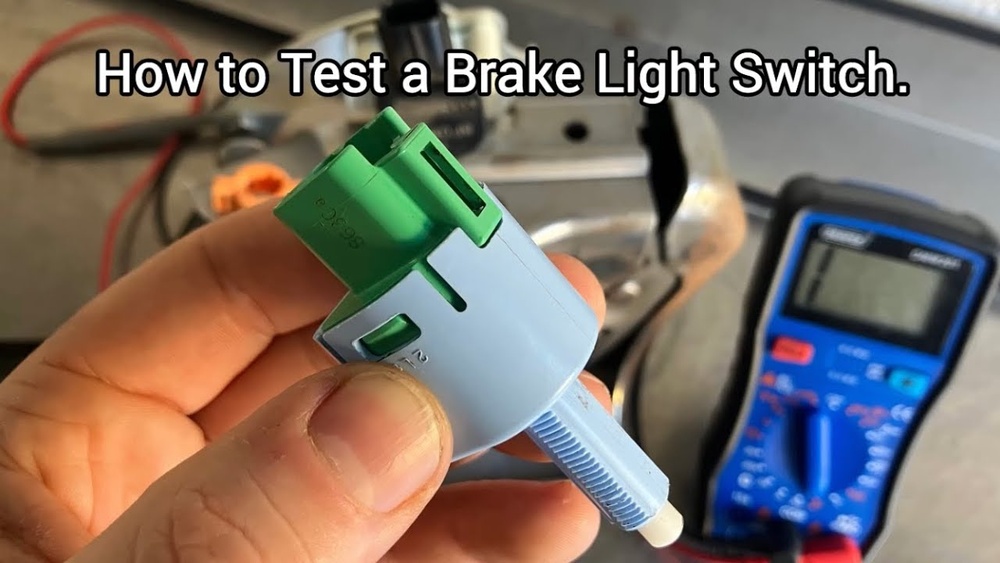
Testing the brake light switch in your Jeep is more important than many drivers realize. This small part sits above your brake pedal, turning your brake lights on and off when you press or release the pedal.
If it fails, not only do your brake lights stop working, but you also risk accidents, traffic violations, and even electronic system errors in newer Jeeps.
Many drivers overlook the brake light switch until a problem appears. By learning how to test it yourself, you can save time, money, and keep your Jeep and everyone on the road safer.
Why The Brake Light Switch Matters
The brake light switch seems simple, but it has big responsibilities. When you press the brake pedal, this switch closes an electrical circuit, sending power to the rear brake lights. This tells other drivers you’re slowing down or stopping.
In modern Jeeps, this switch often connects to more than just the lights. It can signal the cruise control, transmission interlock, and even electronic stability control systems.
If it fails, you might notice unusual warnings, inability to shift out of park, or cruise control not engaging.
That’s why even a small problem with this switch can cause big headaches.
Signs Your Jeep Brake Light Switch May Be Bad
Before you start testing, it’s important to know common symptoms of a faulty brake light switch:
- Brake lights stay on, even when the pedal is not pressed
- Brake lights don’t come on at all
- Cruise control stops working
- Gear shifter stuck in “Park” (on automatic Jeeps)
- Dashboard warning lights, such as ABS or traction control
Sometimes, these issues are caused by something else, like a blown fuse or burned-out bulbs. But if you see these symptoms, the brake light switch is a likely suspect.
Tools And Supplies Needed
Testing the switch isn’t hard, but you’ll need the right tools. Most of these are basic items you may already have:
- Phillips and flathead screwdrivers
- Multimeter (digital preferred)
- Needle-nose pliers (optional)
- Flashlight or headlamp
- Replacement brake light bulbs (for double-checking)
- Safety gloves
Having a multimeter is especially helpful. This tool can measure voltage, resistance, and continuity—key things when testing electrical parts like the brake light switch.
Locating The Brake Light Switch On Your Jeep
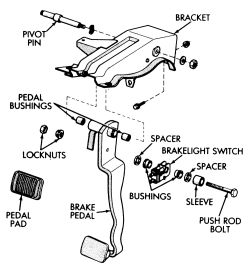
The exact position can vary by Jeep model and year, but most are in a similar spot. Look for the switch just above the brake pedal arm, usually mounted to a bracket or the pedal assembly.
It’s a small device, often with a plastic body, wires, and sometimes a threaded adjustment.
Here’s a simple way to find it:
- Get into the driver’s seat and kneel down so you can look up behind the dashboard.
- Locate the brake pedal and follow it upward.
- You’ll see a small device touching (or very near) the pedal arm—this is your brake light switch.
If you have trouble, consult your Jeep owner’s manual for diagrams or pictures.
How To Test A Jeep Brake Light Switch: Step-by-step
Testing the brake light switch is a straightforward process, but accuracy matters. Here’s how to do it like a pro.
1. Check The Brake Lights Themselves
Before working under the dash, confirm the problem is with the switch and not something else.
- Turn the ignition key to the “On” position (engine off).
- Press the brake pedal and have a helper check the rear brake lights.
- Try with the headlights on and off.
- If none of the brake lights work, it’s more likely the switch or a fuse. If only one light is out, it could be a bulb.
2. Inspect The Switch Visually
Sometimes, the problem is obvious. Shine your flashlight on the switch:
- Look for loose, broken, or corroded wires.
- Check if the switch is firmly attached.
- Make sure the plunger or button on the switch moves when you press the pedal.
A loose or misaligned switch can cause problems even if the switch itself is fine.
3. Test For Power At The Switch
You’ll need your multimeter for this step. Set it to measure DC voltage.
- Remove the switch connector (usually a plastic plug).
- Turn the ignition key to “On.”
- Touch the black (negative) probe to a metal part of the car (good ground).
- Touch the red (positive) probe to the power wire terminal on the switch connector.
If you see about 12 volts, you have power. If not, the problem might be a blown fuse or wiring issue, not the switch.
4. Check Switch Continuity
Now, test if the switch itself works when pressed and released.
- Remove the switch (usually by twisting or unclipping).
- Set your multimeter to continuity mode (look for a sound or light symbol).
- Touch the meter’s probes to the two terminals on the switch.
- With the switch at rest (not pressed), note if the circuit is open or closed (the meter will beep or show “0” if closed).
- Press the button—does the reading change? The circuit should close or open depending on the switch design.
If nothing changes when you press the switch, it’s faulty.
Here’s a summary of results:
| Switch Position | Expected Multimeter Reading | What It Means |
|---|---|---|
| Pedal Released | No continuity (OL or no beep) | Lights off |
| Pedal Pressed | Continuity (beep or 0 Ohms) | Lights on |
5. Reinstall And Test
If the switch passes all the above tests, reinstall it and check your brake lights again. If it fails any test, replace the switch.
Comparing Brake Light Switches: Oem Vs Aftermarket
When replacing a faulty switch, you’ll often see OEM (Original Equipment Manufacturer) and aftermarket options. Here’s how they compare:
| Feature | OEM Switch | Aftermarket Switch |
|---|---|---|
| Price | Usually higher | Lower, more variety |
| Fit & Finish | Exact, guaranteed | Sometimes less precise |
| Warranty | Often longer | Varies by brand |
| Availability | Dealerships only | Most auto parts stores |
Pro Tip: If your Jeep is still under warranty, use OEM parts to avoid issues. For older models, quality aftermarket switches can work just as well.
Common Mistakes When Testing Or Replacing
Many Jeep owners run into trouble by overlooking small details. Here are the biggest mistakes to avoid:
- Testing with the ignition off: Some brake circuits are only powered with the key on.
- Ignoring ground connections: A bad ground can mimic a failed switch.
- Misreading the multimeter: Always double-check your settings and probe placement.
- Not checking the bulbs first: Sometimes the problem is just a burned-out bulb.
- Forgetting to secure the switch: A loose switch can work intermittently, causing headaches.
Avoiding these mistakes will save you time and frustration.
Real-world Example: 2015 Jeep Wrangler
Let’s look at a practical case. A 2015 Jeep Wrangler owner reports:
- Brake lights do not come on.
- Gear shifter stuck in park.
- ABS and traction control lights on dashboard.
He checks the bulbs and fuse—both are good. Next, he locates the brake light switch above the pedal. Using a multimeter, he finds 12V at the connector but no continuity when pressing the switch. He replaces the switch (about $25 aftermarket). All issues are resolved—brake lights work, shifter unlocks, warning lights clear.
This example shows how a single faulty switch can cause multiple problems, not just with the lights.
When To Call A Professional
While testing and replacing a brake light switch is usually simple, there are times when it’s best to get help:
- Wires are badly corroded or damaged
- The switch is hard to reach or remove
- You’re unsure about electrical testing
- Other warning lights stay on after switch replacement
A professional mechanic can quickly diagnose deeper electrical problems if basic switch testing doesn’t solve it.
Jeep Brake Light Switch Wiring: Key Insights
Understanding the wiring can help with troubleshooting. Most brake light switches have two to four wires:
- Two-wire switches: Simple on/off, one wire for power in, one for power out to the lights.
- Three or four-wire switches: May include extra circuits for cruise control, shift interlock, or signal to the ECU.
Here’s a simplified wiring comparison:
| Switch Type | Number of Wires | Functions |
|---|---|---|
| Basic | 2 | Lights only |
| Advanced | 3-4 | Lights, cruise, interlock, ECU |
If your Jeep uses a multi-wire switch, always replace it with the correct type and follow the wiring color codes.
Extra Tips For Testing Success
Testing the brake light switch isn’t just about the steps. Here are two non-obvious tips that can make things easier:
- Check the switch adjustment: Sometimes, the switch is fine, but it’s misadjusted. If the pedal doesn’t press the switch fully, the lights won’t activate. After reinstalling, check if the plunger or button is properly pressed by the pedal arm.
- Look for shared fuses: On some Jeeps, the brake light fuse also powers other circuits. If your radio or other accessories stop working, a blown fuse could be affecting the brake lights too. Always check the fuse box diagram.
Keeping Your Jeep Legal And Safe
Driving with a faulty brake light switch can lead to traffic tickets, failed inspections, or even accidents. In the US, working brake lights are required by law. The National Highway Traffic Safety Administration (NHTSA) reports that lighting failures are a factor in thousands of accidents each year. So, even if your Jeep drives fine, fixing brake light issues quickly is important for your safety and others.
For more details on vehicle lighting laws and safety, you can check the NHTSA Lighting Equipment page.
Frequently Asked Questions
What Does A Brake Light Switch Do On A Jeep?
The brake light switch is a small electrical device above the brake pedal. When you press the pedal, it sends power to the rear brake lights and may also signal other systems like cruise control or the shift interlock.
How Do I Know If My Jeep’s Brake Light Switch Is Bad?
Common signs include brake lights that don’t work or stay on, cruise control failure, or being unable to shift out of “Park. ” Sometimes, dashboard warning lights like ABS or traction control will appear.
Can I Drive My Jeep If The Brake Light Switch Is Faulty?
It’s not safe or legal to drive without working brake lights. Other systems, like the gear shifter or cruise control, may also not work correctly. Repair it as soon as possible.
How Much Does It Cost To Replace A Jeep Brake Light Switch?
Most switches cost $15–$50 for the part. Labor can add $50–$150 if you go to a mechanic. DIY replacement is usually quick and saves money.
Do I Need Special Tools To Test A Jeep Brake Light Switch?
The main tool needed is a multimeter to check voltage and continuity. Basic screwdrivers and a flashlight help with access and inspection.
Testing your Jeep’s brake light switch is a simple task that can prevent bigger problems. With just a few tools and some careful steps, you can keep your Jeep safe, reliable, and road-legal.
Don’t wait for warning lights or tickets check your brake light switch whenever you notice brake light problems.