Jeep Wrangler Brake Pad Replacement: Everything You Need To Know
Jeep Wrangler owners love the confidence of tackling off-road trails and city streets alike. But to keep that adventure spirit alive, your brake system must be in top shape.
The brake pads on a Jeep Wrangler are not only essential for safety but also for the overall performance of your vehicle. Knowing when and how to replace them can help you avoid costly repairs and dangerous situations.
This guide walks you through the process of brake pad replacement, explains warning signs, shares practical tips, and offers clear comparisons to make your maintenance smoother—even if you’re not a seasoned mechanic.
Why Brake Pads Matter On Your Jeep Wrangler
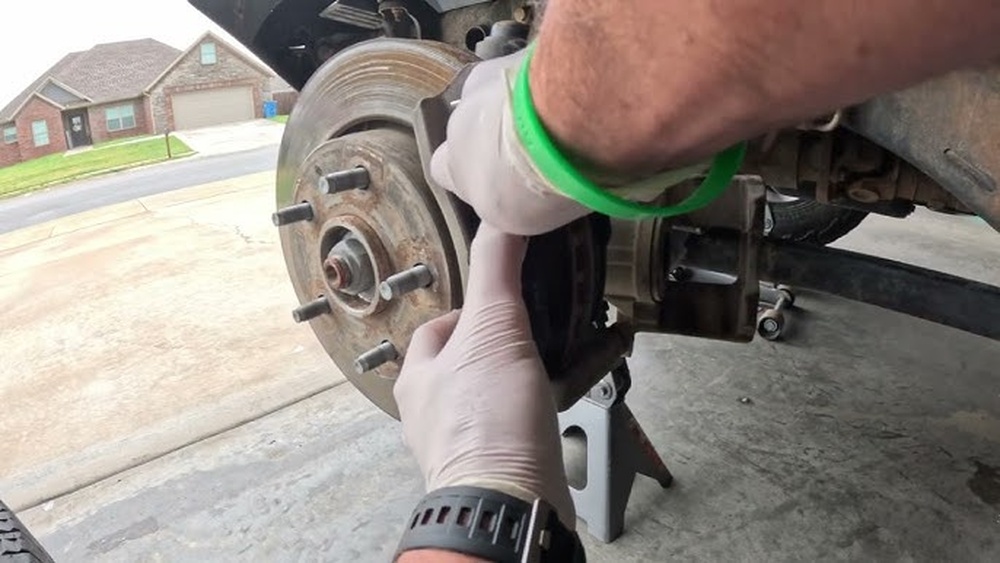
Brake pads are the first line of defense when you need to stop your Jeep. They press against the brake rotors to create friction, slowing the wheels. On a Wrangler, which is heavier and often used in rough conditions, quality brake pads are especially important. Worn-out pads lead to longer stopping distances, noisy braking, and sometimes damage to other brake components.
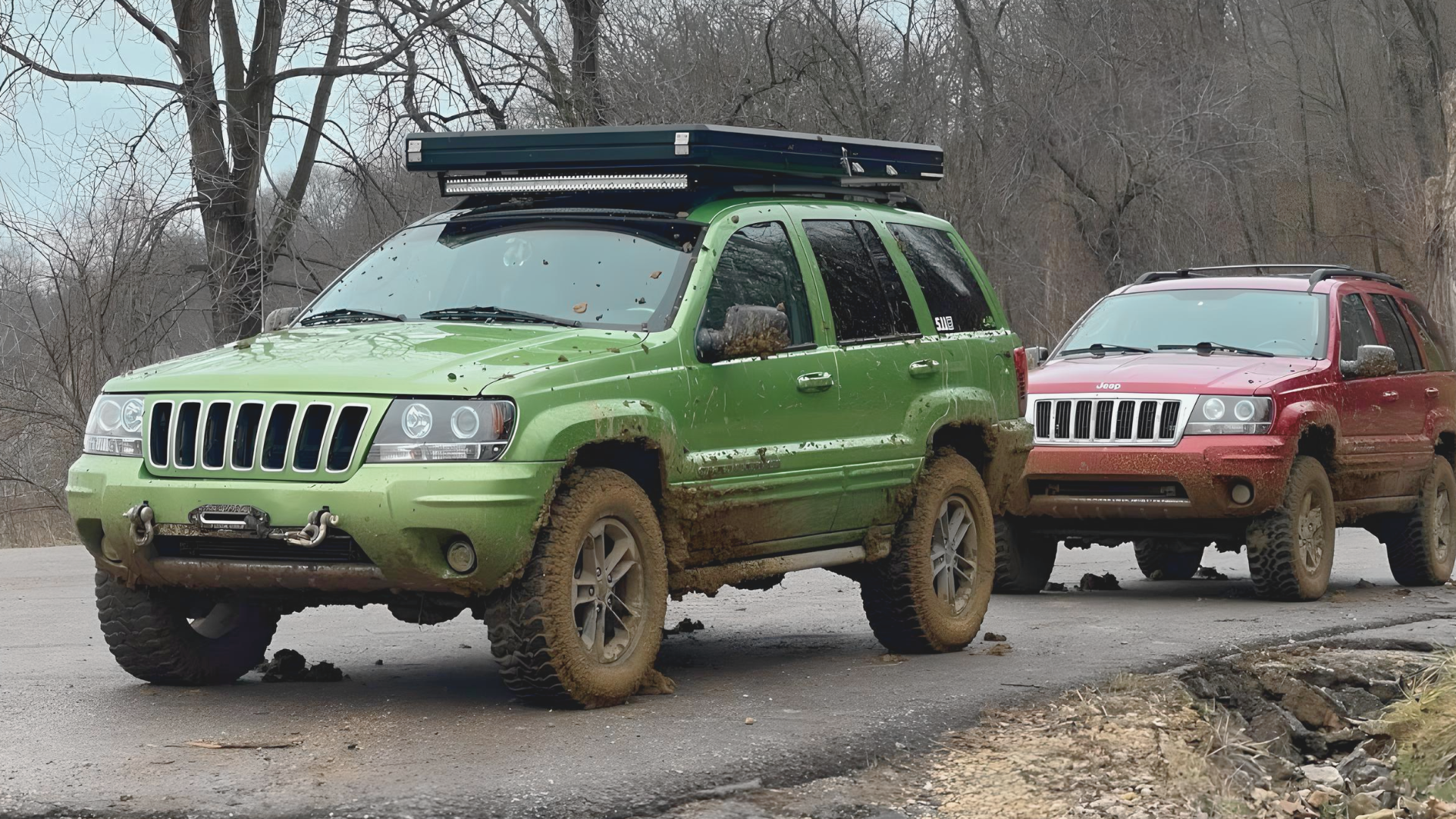
A unique point for Jeep Wranglers: off-roading, towing, and mud can wear pads faster than regular city driving. Owners should check pads more often, especially after intense driving conditions.
Signs Your Jeep Wrangler Needs New Brake Pads
Not sure if it’s time to change your brake pads? Watch for these clear signs:
- Squeaking or squealing noise: High-pitched sounds when braking often mean the pads are worn.
- Grinding sound: A rough, grinding noise indicates pads are gone, and metal is hitting metal.
- Longer stopping distances: You need more space to stop safely.
- Vibration when braking: The brake pedal shakes, usually from worn pads or uneven rotors.
- Brake warning light: Some Jeep models have sensors that alert you when pads are low.
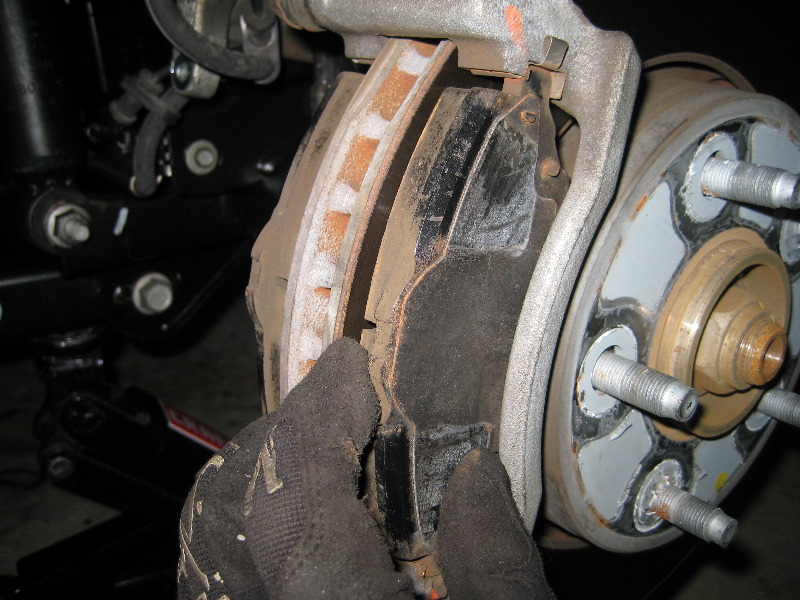
Many beginners overlook the importance of checking pad thickness visually. A good rule: If you see less than 1/4 inch of pad material, it’s time to replace them. Also, don’t ignore changes in brake feel—if the pedal feels “mushy,” it’s a warning.
Tools And Parts You Need
Before starting, gather these basic tools:
- Socket set and ratchet
- Lug wrench
- C-clamp or brake caliper tool
- Jack and jack stands
- Flathead screwdriver
- Brake cleaner
- New brake pads (front or rear, as needed)
- Gloves and eye protection
Choosing the right parts is vital. For most Jeep Wranglers (JK, JL, TJ), there are several pad materials:
| Pad Material | Durability | Noise | Best For |
|---|---|---|---|
| Ceramic | High | Low | Daily driving, light off-road |
| Semi-Metallic | Very High | Medium | Heavy-duty, towing, off-road |
| Organic | Medium | Low | Budget, quiet operation |
Semi-metallic pads are popular for Jeep owners who off-road or tow, while ceramic pads are quieter and cleaner for daily use.
How To Replace Brake Pads On A Jeep Wrangler
Replacing the brake pads on your Jeep is a doable task if you have some basic tools and patience. Here’s a clear step-by-step process:
1. Prepare Your Jeep
- Park on a flat, solid surface.
- Engage the parking brake.
- Loosen lug nuts on the wheels (do not remove yet).
- Lift the vehicle with a jack and secure with jack stands.
2. Remove The Wheel
- Finish removing the lug nuts.
- Take off the wheel to expose the brake caliper.
3. Access And Remove The Brake Pads
- Locate the brake caliper bolted over the rotor.
- Use the socket to remove the caliper bolts.
- Carefully lift the caliper away (support it with a hanger or rope; do not let it dangle from the brake line).
- Slide out the old brake pads.
Many first-timers forget to check the caliper slides for debris or old grease. Clean and re-lubricate these areas for a smoother job.
4. Install New Brake Pads
- Use a C-clamp or brake tool to gently push the caliper piston back into its housing. This creates space for the thicker new pads.
- Insert the new pads into the caliper bracket.
- Reinstall the caliper over the pads and rotor.
- Tighten caliper bolts securely.
5. Reassemble And Test
- Put the wheel back on and hand-tighten lug nuts.
- Lower the Jeep and fully tighten the lug nuts in a crisscross pattern.
- Pump the brake pedal until it feels firm—this seats the pads.
- Check brake fluid level and top off if necessary.
A common mistake: skipping the brake pedal pump before driving. This can lead to a “soft” pedal and poor braking in the first few stops.
How Often Should You Replace Jeep Wrangler Brake Pads?
The typical lifespan for Wrangler brake pads is 30,000 to 70,000 miles. However, real-world replacement depends on:
- Driving style (aggressive braking wears faster)
- Towing loads
- Off-road use
- Type of pad material
For example, a Wrangler used mostly on highways might go 60,000 miles between changes, while one used for rock crawling or mudding could need new pads after just 25,000 miles.
Here’s a comparison of pad life based on usage:
| Driving Condition | Estimated Pad Life (Miles) |
|---|---|
| Highway/City (light duty) | 50,000 – 70,000 |
| Mixed (with towing/off-road) | 30,000 – 50,000 |
| Heavy off-road/towing | 20,000 – 35,000 |
Inspect your pads every time you rotate tires or after tough trips.
Oem Vs Aftermarket Brake Pads: What’s Best?
Choosing between OEM (Original Equipment Manufacturer) and aftermarket pads can be confusing. Here’s what matters:
- OEM pads: Designed specifically for your Jeep model, reliable, often more expensive.
- Aftermarket pads: Many choices, sometimes better performance or price.
Some aftermarket brands offer specialty pads for off-road or towing, but quality varies. Always check reviews and avoid ultra-cheap options, as they may wear out quickly or make noise.
Here’s a quick feature comparison:
| Feature | OEM Pads | Aftermarket Pads |
|---|---|---|
| Fit & Compatibility | Guaranteed | Varies |
| Cost | Higher | Lower/Varies |
| Performance | Standard | Standard/High Performance options |
| Warranty | Usually included | Brand dependent |
Common Mistakes To Avoid
Many DIYers make these errors:
- Not cleaning the rotor: Dirt or rust can cause noise and reduce pad life.
- Forgetting to lubricate: Use brake grease on caliper pins and pad contact points.
- Overtightening bolts: This can strip threads or damage the caliper.
- Touching friction material: Oil from your hands can reduce braking performance.
- Skipping a road test: Always test brakes at low speed before normal driving.
A less obvious tip: Always check both sides of the axle. Sometimes, one pad wears faster due to a sticking caliper or guide pin.
Cost Of Jeep Wrangler Brake Pad Replacement
Replacement costs depend on parts and whether you DIY or hire a mechanic. On average:
- Parts only: $50 – $150 per axle for pads
- Labor (mechanic): $100 – $200 per axle
Total Cost At A Shop: $150 – $350 Per Axle
DIY saves labor costs, but you need the right tools and some mechanical skill. If you hear grinding, you may also need new rotors, which increases the price significantly.
When To Replace Rotors With Brake Pads
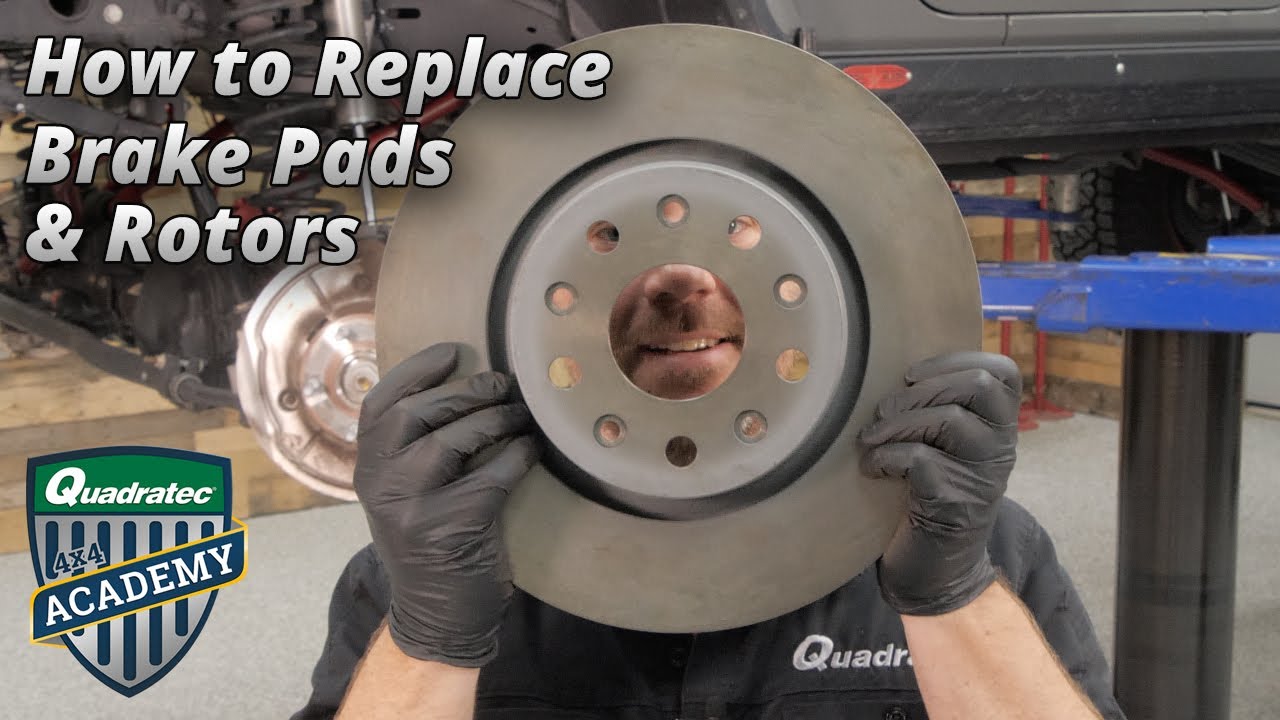
Rotors do not always need changing with pads, but you should:
- Replace if rotors are worn below minimum thickness (stamped on the rotor edge)
- Change if you feel pulsing or vibrations
- Swap them out if you see deep grooves or blue coloring (heat damage)
If in doubt, have a shop measure rotor thickness.
Tips For Longer-lasting Brake Pads
To get the most life from your Jeep’s brake pads:
- Brake gently whenever possible
- Don’t overload your vehicle
- Rinse brakes after muddy or salty off-road runs
- Choose the right pad material for your driving style
- Inspect pads at every oil change
A good practice is to schedule brake checks with tire rotations—this way, you won’t forget.
Environmental Considerations
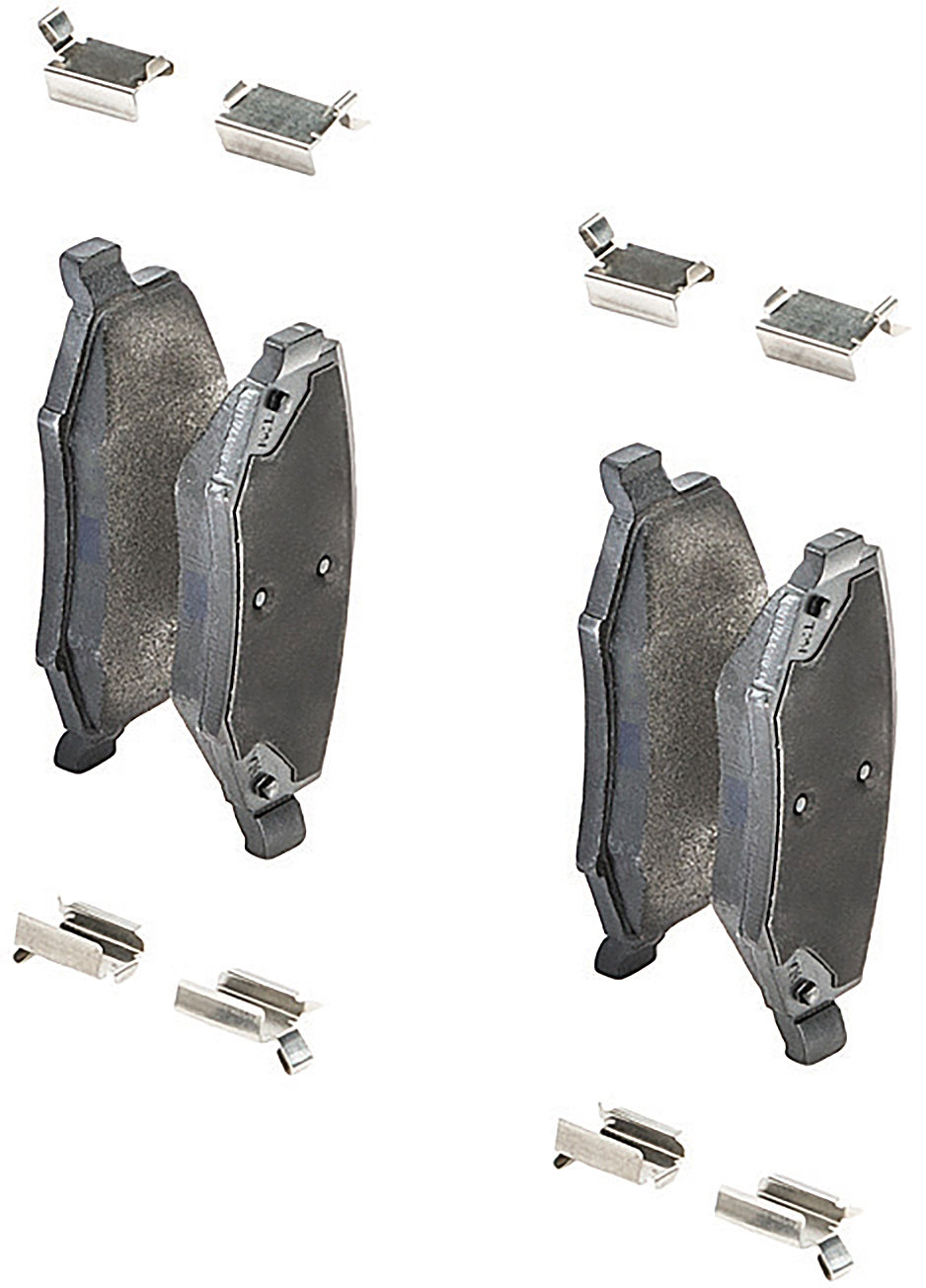
Used brake pads contain metals and other materials that shouldn’t end up in landfills. Most auto parts stores and service centers will recycle your old pads.
Proper disposal helps protect the environment and keeps your local area safe.
Where To Learn More
For more technical details or if you want a visual step-by-step guide, the official Jeep forum and reputable auto repair sites are helpful. For official specifications and maintenance intervals, see the Jeep Maintenance Guide.
Frequently Asked Questions
<!– wp:rank-math/faq-block {"questions":[{"id":"faq-question-4ba2bbd29a5d","title":"How Do I Know If My Jeep Wrangler Brake Pads Are Bad?","content":"Look for squeaking, grinding, longer stopping distances, or a soft brake pedal. Visually check pad thickness—less than 1/4 inch means it’s time to change them.
“,”visible”:true},{“id”:”faq-question-d6d313b6f2aa”,”title”:”Can I Drive With Worn Brake Pads?”,”content”:”It’s not safe. Worn pads reduce your ability to stop and can damage rotors, leading to much higher repair bills and safety risks.
“,”visible”:true},{“id”:”faq-question-dca4ea9f54b1″,”title”:”Should I Replace Brake Pads And Rotors At The Same Time?”,”content”:”Not always, but if rotors are thin, warped, or damaged, replace them with the pads. If you only change pads on worn rotors, you may get noise or reduced braking.
“,”visible”:true},{“id”:”faq-question-56b77af397c4″,”title”:”What Type Of Brake Pads Are Best For Off-roading?”,”content”:”Semi-metallic pads are often best for off-road use because they handle heat and heavy loads better. Ceramic pads are quieter but may wear faster in mud or sand.
“,”visible”:true},{“id”:”faq-question-63a609cb28e4″,”title”:”Is Brake Pad Replacement A Beginner-friendly Diy Job?”,”content”:”Yes, with basic tools and careful attention to instructions. Take your time, use jack stands, and always double-check your work before driving.
Jeep Wrangler brake pad replacement is a rewarding DIY job that improves safety and saves money. By understanding the warning signs, choosing the right pads, and following best practices, you’ll keep your Jeep ready for whatever the road—or trail—throws your way.
“,”visible”:true}]} –>How Do I Know If My Jeep Wrangler Brake Pads Are Bad?
Look for squeaking, grinding, longer stopping distances, or a soft brake pedal. Visually check pad thickness—less than 1/4 inch means it’s time to change them.
Can I Drive With Worn Brake Pads?
It’s not safe. Worn pads reduce your ability to stop and can damage rotors, leading to much higher repair bills and safety risks.
Should I Replace Brake Pads And Rotors At The Same Time?
Not always, but if rotors are thin, warped, or damaged, replace them with the pads. If you only change pads on worn rotors, you may get noise or reduced braking.
What Type Of Brake Pads Are Best For Off-roading?
Semi-metallic pads are often best for off-road use because they handle heat and heavy loads better. Ceramic pads are quieter but may wear faster in mud or sand.
Is Brake Pad Replacement A Beginner-friendly Diy Job?
Yes, with basic tools and careful attention to instructions. Take your time, use jack stands, and always double-check your work before driving.
Jeep Wrangler brake pad replacement is a rewarding DIY job that improves safety and saves money. By understanding the warning signs, choosing the right pads, and following best practices, you’ll keep your Jeep ready for whatever the road—or trail—throws your way.