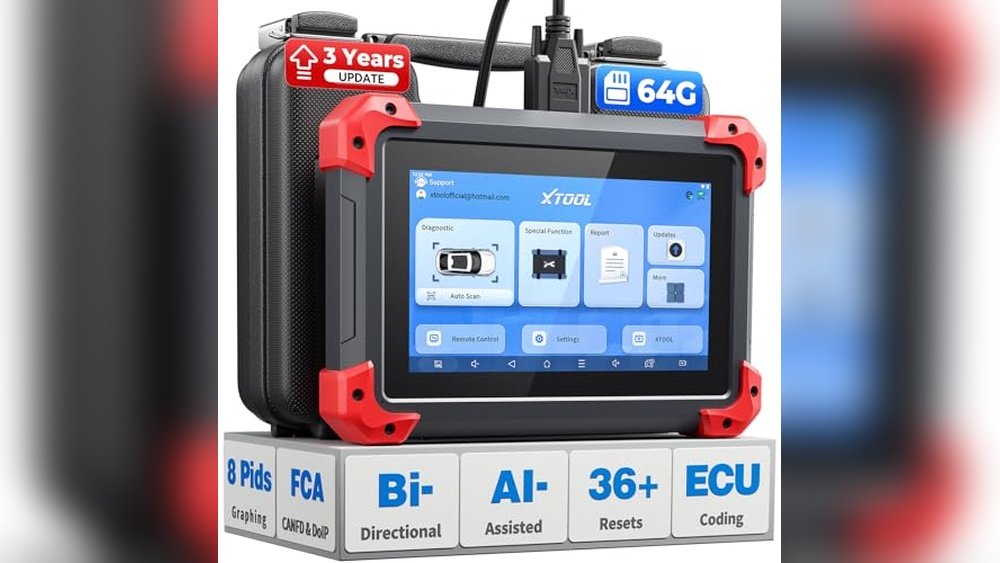
Replacing the O2 sensor in a Jeep Grand Cherokee is a smart way to improve fuel economy, reduce emissions, and restore engine performance. If your check engine light is on and you see codes like P0130, P0133, or P0141, your oxygen sensor could be the problem. Many drivers worry this job is complicated, but with the right tools and some patience, you can do it yourself and save money.
Understanding The O2 Sensor
The O2 sensor (oxygen sensor) measures how much oxygen is in your exhaust. The sensor sends data to your engine computer, which then adjusts the fuel mixture. If the sensor fails, your Jeep may run rich (too much fuel) or lean (too little fuel), leading to rough idle, poor mileage, and higher emissions.
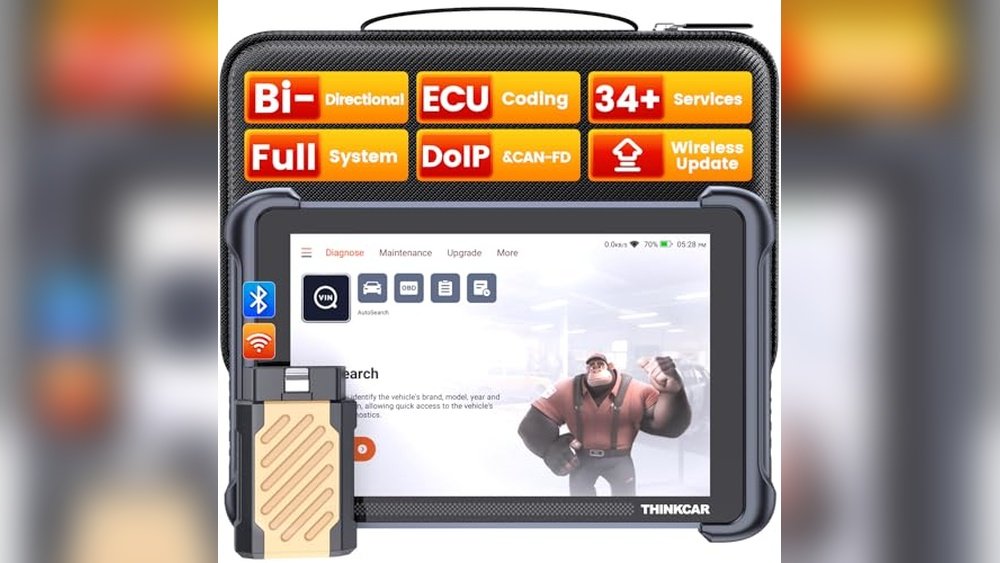
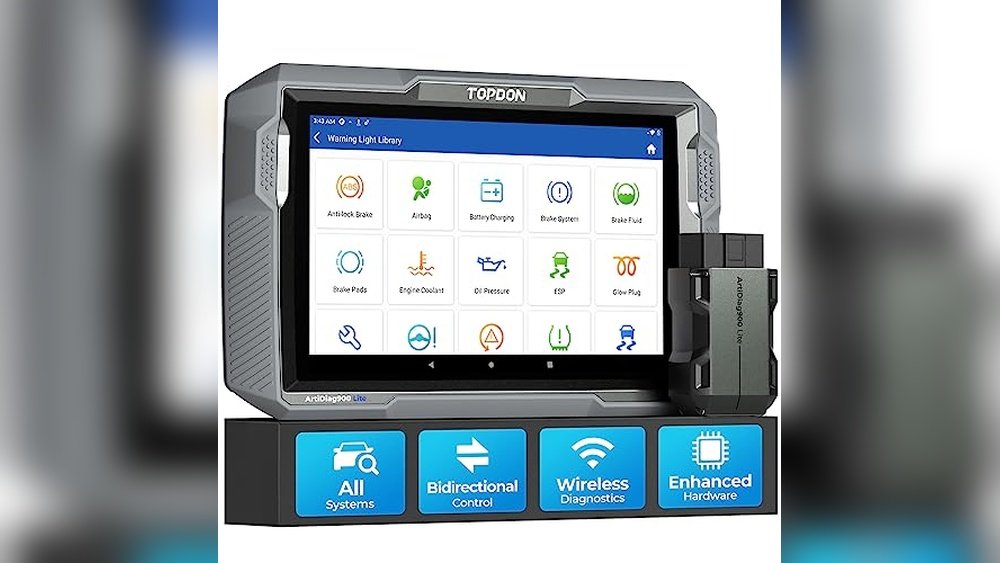
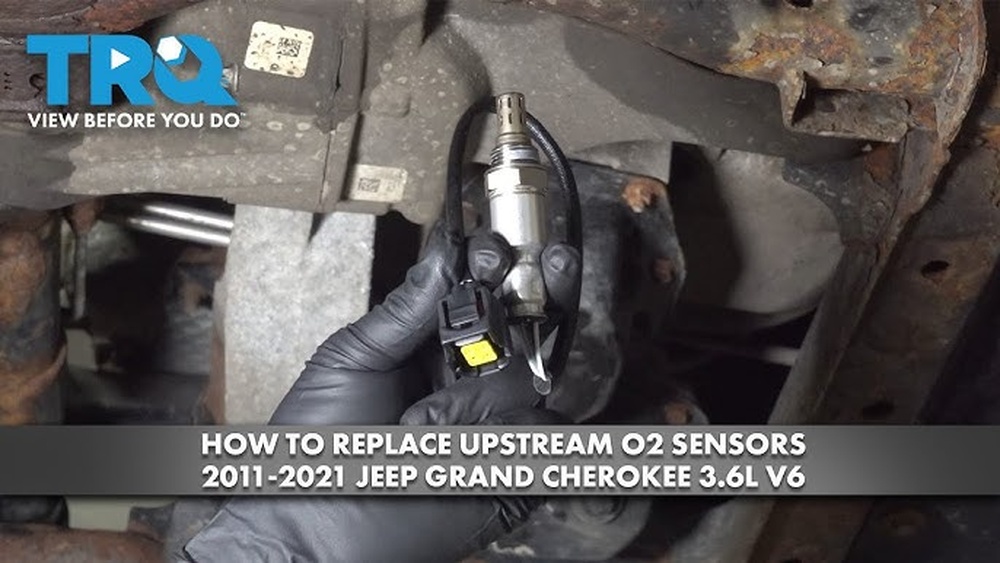
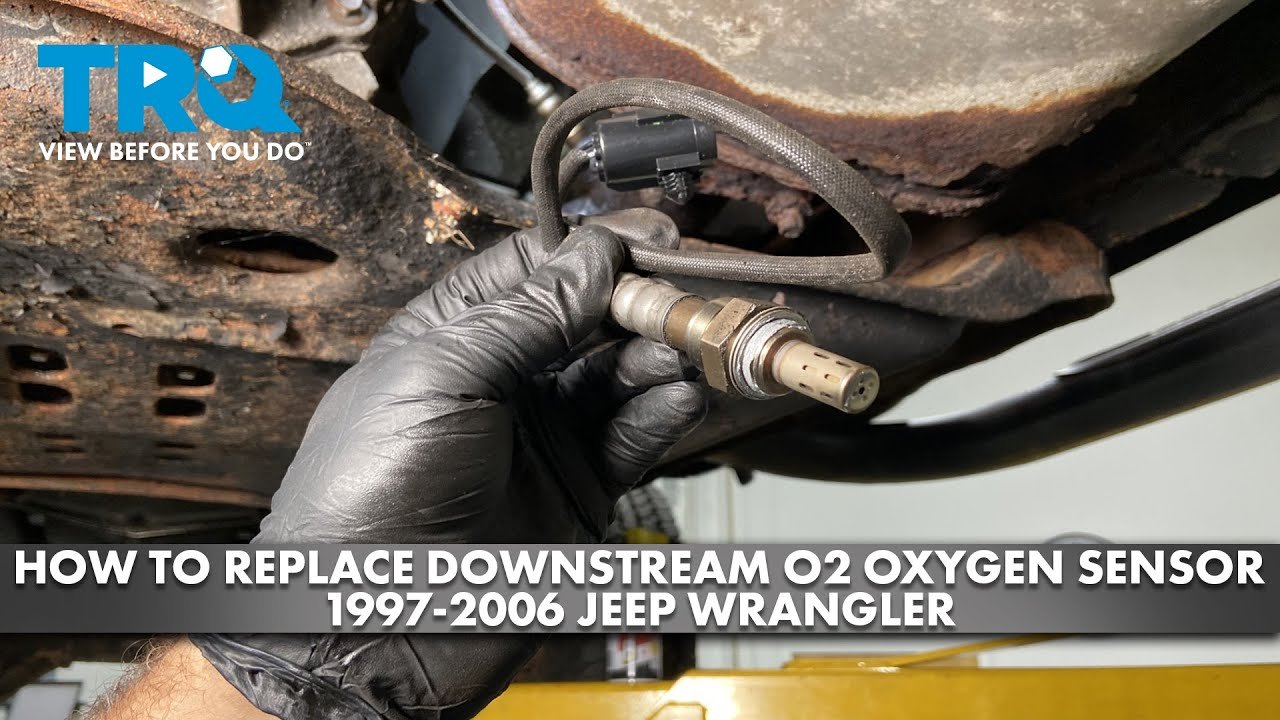
Most Jeep Grand Cherokee models have two to four O2 sensors—one before the catalytic converter (upstream) and one after (downstream). Upstream sensors affect fuel mixture; downstream sensors monitor catalytic converter efficiency. Knowing which sensor is faulty is important. A scan tool can help you identify the exact location.
Tools And Parts You Need
Before starting, make sure you have these tools:
- O2 sensor socket (or 7/8-inch open-ended wrench)
- Ratchet and extension
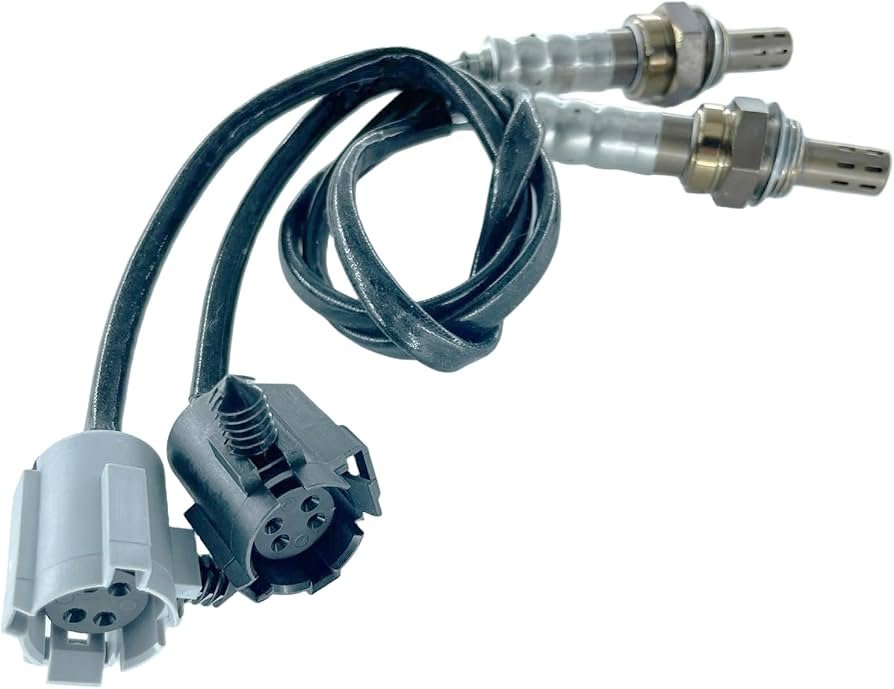
- New O2 sensor (confirm exact fit for your Grand Cherokee’s year and engine)
- Anti-seize compound (usually included with new sensors)
- Jack and jack stands
- Safety gloves
Having the right tools saves time and prevents damage. Some sensors are hard to reach, so an extension or universal joint helps.
Here’s a quick comparison of the two main types of O2 sensor tools:
| Tool Type | Ease of Use | Best For | Price Range |
|---|---|---|---|
| O2 Sensor Socket | Easy | Tight spaces | $10–$20 |
| Open-End Wrench | Moderate | Accessible sensors | $5–$15 |
Step-by-step Guide To Replacing O2 Sensor
Follow these steps for a successful replacement:
1. Locate The Faulty Sensor.
Use a scan tool to identify which sensor needs replacement. Check your Jeep’s manual for sensor locations; typically, upstream sensors are near the exhaust manifold, downstream sensors are after the catalytic converter.
2. Raise Your Jeep Safely.
Park on a flat surface. Use a jack to lift the vehicle, then secure with jack stands. Never rely on the jack alone.
3. Disconnect The Sensor.
Find the sensor’s electrical connector. Press the tab and pull apart.
Do not yank the wires this can damage the connector.
4. Remove The Old Sensor.
Use the O2 sensor socket and ratchet to turn counterclockwise. If it’s stuck, spray penetrating oil and wait a few minutes.
Avoid applying too much force to prevent breaking the sensor.
5. Install The New Sensor.
Apply a small amount of anti-seize compound to the threads (not the tip). Thread the new sensor in by hand, then tighten with the socket. Do not overtighten.
6. Reconnect The Electrical Connector.
Plug in the sensor, making sure it clicks securely.
7. Lower Your Jeep And Reset The System.
Remove jack stands and lower the vehicle. Clear the check engine codes with a scan tool, or the light should go off after driving a few miles.
Many beginners forget to clear codes or drive with loose connectors, causing repeat errors. Always double-check connections before finishing.
Tips For A Smooth Replacement
- Let the engine cool before starting. Hot exhaust parts can cause burns.
- Use anti-seize compound sparingly—excess can contaminate the sensor.
- Do not touch the sensor tip; oils from your skin can affect accuracy.
- Compare the old and new sensor before installation. The connector and thread size should match.
- If your Jeep has four sensors, replace only the faulty one unless others are old (over 100,000 miles).
A common mistake is mixing up upstream and downstream sensors. Always check which one needs replacing.
O2 Sensor Lifespan And Cost
Most O2 sensors last 60,000–100,000 miles. Symptoms of failure include rough idle, poor acceleration, and increased fuel consumption. Replacing the sensor costs between $30–$80 for parts and $100–$200 for labor if done at a shop.
Here’s a table comparing DIY vs. shop replacement:
| Replacement Method | Parts Cost | Labor Cost | Total Cost |
|---|---|---|---|
| DIY | $30–$80 | $0 | $30–$80 |
| Shop | $30–$80 | $100–$200 | $130–$280 |
What To Do After Replacement
After you install the new sensor:
- Drive for 10–20 miles to let the system adjust.
- Monitor for check engine lights or new codes.
- If the light returns, recheck the installation and connector.
- For persistent issues, consult a mechanic or refer to the official Jeep service guide.
If you want more details on O2 sensor function and troubleshooting, visit Wikipedia.

Frequently Asked Questions
How Many O2 Sensors Does A Jeep Grand Cherokee Have?
Most models have two to four O2 sensors—one upstream and one downstream on each exhaust bank. Check your specific model year to be sure.
What Are Signs Of A Failing O2 Sensor?
Common signs include check engine light, poor fuel economy, rough idle, and failed emissions tests. Sometimes you’ll notice a sulfur smell from the exhaust.
Can I Drive With A Bad O2 Sensor?
You can, but it’s not recommended. A faulty sensor can cause engine damage and increase emissions. It’s best to replace it as soon as possible.
Do I Need To Replace All O2 Sensors At Once?
No, only the faulty sensor needs replacement. However, if others are old (over 100,000 miles), consider replacing them for reliability.
Will Replacing The O2 Sensor Improve Gas Mileage?
Yes, a new sensor helps your engine run more efficiently, which can increase fuel economy by 10–15% if the old sensor was faulty.
Replacing an O2 sensor in your Jeep Grand Cherokee is a practical DIY task that can save hundreds of dollars. If you follow the right steps and use the proper tools, you’ll restore your engine’s performance and avoid future problems.
Remember, patience and safety are key to a successful job.