Replacing a backup light on a 2007 Jeep Compass may sound challenging, but with some guidance, it becomes a task most car owners can handle themselves. Many people overlook the importance of working backup lights.
These small bulbs are critical for safety, helping drivers see behind them at night and signaling to others that the car is reversing.
If your backup light goes out, you might not notice right away, but other drivers and pedestrians could miss your intent to reverse, leading to unnecessary risks.
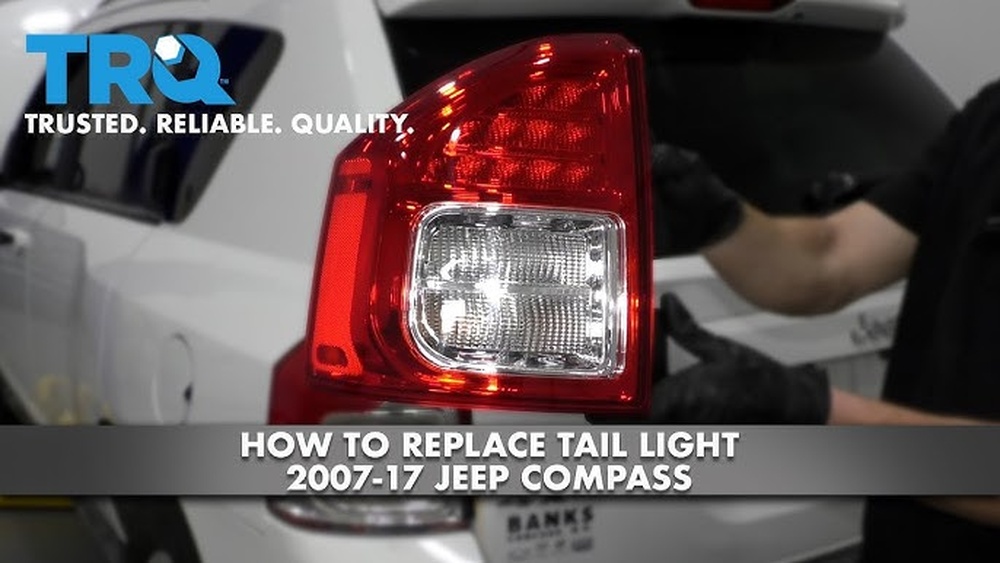
Knowing how to change a backup light saves time and money. You do not have to wait for a mechanic or pay for a simple fix. This article will walk you through each step, highlight common mistakes, and offer tips to make the process smooth.
If you have basic tools and a bit of patience, you will have your 2007 Jeep Compass shining again quickly.
Understanding The Backup Light System
Before you start, it helps to understand how the backup light system works. When you shift into reverse, a switch sends power to the backup lights at the rear of your Jeep. The 2007 Compass uses a single bulb for each backup light, usually located inside the tail light assembly.
Why Backup Lights Matter
- Safety: They warn others you are reversing.
- Visibility: They help you see obstacles behind you at night.
- Legal requirement: Driving with a broken backup light can result in a ticket in many states.
Common Signs Your Backup Light Is Out
- The light does not illuminate when in reverse.
- A dashboard warning light appears (rare for older models).
- Someone tells you your rear light is not working.
Tools And Materials You Will Need
Changing the backup light on a 2007 Jeep Compass is simple, but having the right tools makes the job faster and safer. Here is what you should gather before starting:
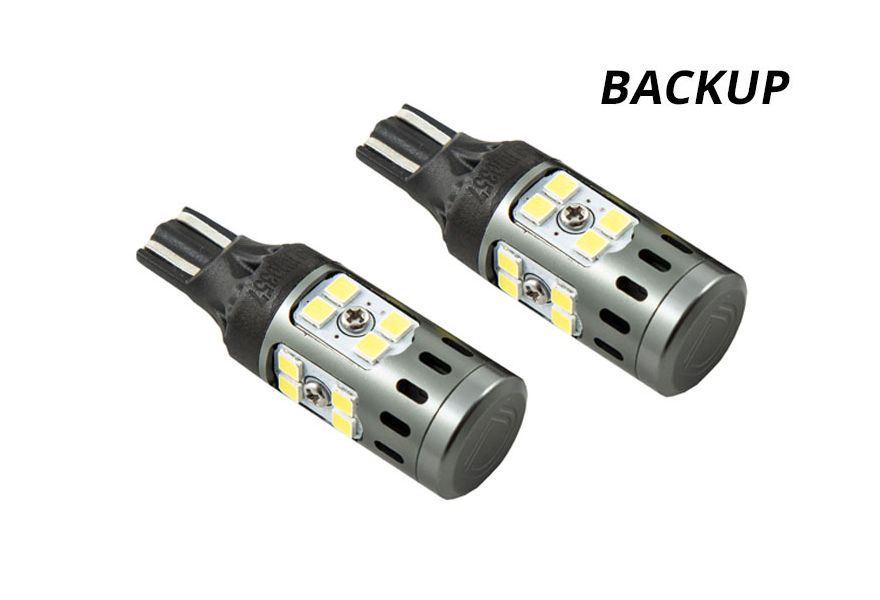
- Replacement bulb: Most 2007 Jeep Compass models use a 921 bulb for the backup light. Check your owner’s manual to confirm.
- Phillips screwdriver: For removing screws holding the tail light assembly.
- Flathead screwdriver (optional): Helps gently pry the assembly if it is stuck.
- Gloves: Keeps oils from your skin off the bulb, which can extend bulb life.
- Rag or towel: Protects your car’s paint from scratches.
Step-by-step Guide: Replacing The Backup Light
Let’s walk through each step to replace the backup light. Take your time and follow each instruction closely for the best results.
1. Open The Rear Hatch
Start by opening the rear hatch of your Jeep Compass. This gives you access to the screws that hold the tail light assembly in place. Make sure the car is parked on a flat surface and the engine is off.
2. Locate The Tail Light Assembly
Find the tail light assembly on the side where the backup light is out. On the 2007 Compass, the backup light sits at the bottom of the tail light cluster.
3. Remove The Tail Light Screws
Use your Phillips screwdriver to unscrew the two screws securing the tail light assembly. Place the screws somewhere safe, as you will need them to reattach the assembly.
4. Gently Pull The Tail Light Assembly Out
Carefully pull the tail light assembly away from the vehicle. If it feels stuck, use a flathead screwdriver to gently pry it loose. Be careful not to force it, as you do not want to crack the housing or scratch the paint.
5. Identify And Remove The Backup Light Bulb Socket
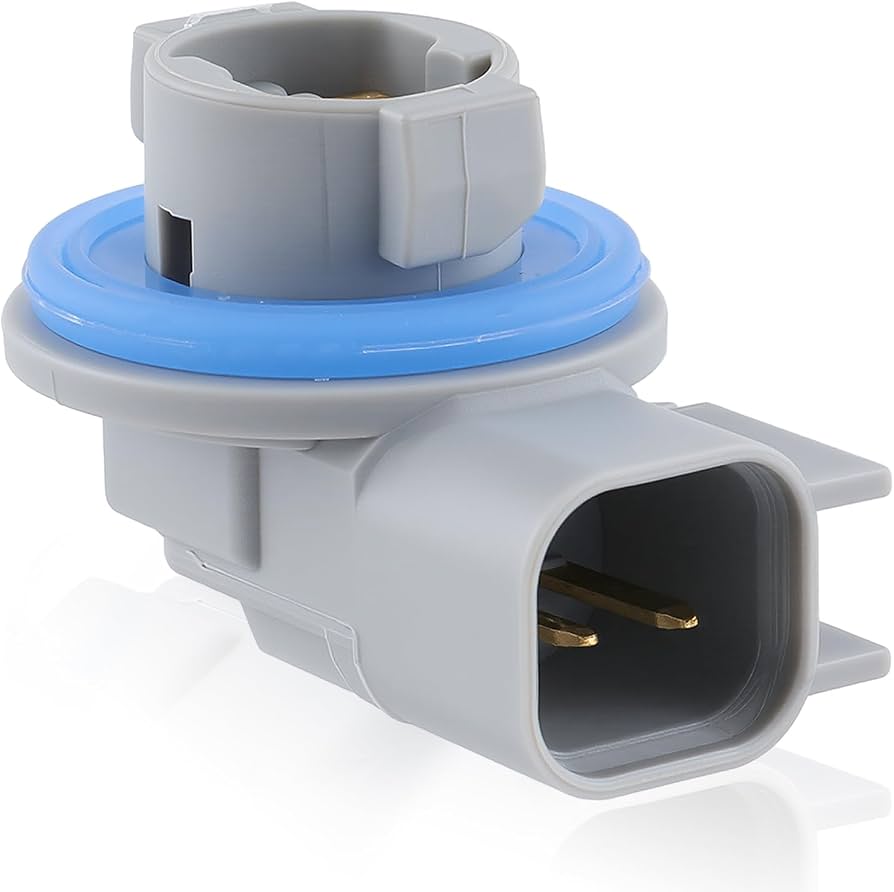
On the back of the tail light assembly, look for the backup light bulb socket. It is usually the lowest socket in the cluster. Twist the socket counterclockwise to remove it from the housing.
6. Remove The Old Bulb
Gently pull the old bulb straight out of the socket. If it is stuck, wiggle it slightly, but do not twist or use excessive force.
7. Install The New Bulb
Take your new 921 bulb (or the correct type for your Jeep) and insert it firmly into the socket. If you are wearing gloves, you help keep the bulb clean. Oils from your skin can cause the bulb to burn out faster.
8. Reinstall The Bulb And Tail Light Assembly
Insert the socket back into the tail light assembly and twist it clockwise to lock it in place. Position the tail light assembly back into its original spot on the car. Secure it with the screws you removed earlier.
9. Test The Backup Light
Before closing the hatch, have someone shift the car into reverse (with the engine on and foot on the brake, or use the ignition position if you are working alone). Check that the backup light illuminates.
If it does not, double-check the bulb installation and socket connection.
10. Final Check And Cleanup
Once everything works, close the hatch and clean up your tools. Dispose of the old bulb properly.
Useful Comparison: Bulb Types
Choosing the right bulb is important. Some people consider upgrading to LED bulbs for longer life and brighter light. Here is a quick comparison of standard vs. LED bulbs for your Jeep Compass:
| Feature | Standard 921 Bulb | LED Replacement |
|---|---|---|
| Brightness | Average | Higher |
| Lifespan | 1-2 years | 5+ years |
| Cost | Low | Moderate/High |
| Installation | Plug and play | May need resistor |
LEDs last longer and are brighter, but sometimes require extra parts to avoid error codes. For most drivers, standard bulbs are enough.
Common Mistakes And How To Avoid Them
Many beginners make simple mistakes that can cause frustration or damage. Here are the most common, and how to prevent them:
- Using the wrong bulb type: Always check your manual or the old bulb’s number before buying a replacement.
- Touching the bulb glass with bare hands: Skin oils shorten bulb life. Wear gloves or use a paper towel.
- Forcing the tail light assembly: If it does not come out easily, check for hidden screws or clips. Forcing can break plastic parts.
- Not testing before reassembly: Always check if the new bulb works before putting everything back. This saves time if you need to troubleshoot.
How Long Does It Take?
Most people can replace the backup light in about 15-30 minutes. If you have done it before, it might take less than 10 minutes. The hardest part is sometimes removing the tail light assembly if it is stuck.
Cost Breakdown
Replacing a backup light yourself is very affordable. Here is a simple estimate:
| Item | Estimated Cost (USD) |
|---|---|
| 921 Bulb | $3–$6 |
| LED Bulb (Optional) | $10–$25 |
| Mechanic Labor | $30–$70 |
By replacing the bulb yourself, you save money and avoid waiting for a mechanic.
Extra Tips For A Smooth Process
- Take photos as you remove parts. This helps you remember how to reassemble them.
- Buy two bulbs. If one backup light went out, the other may fail soon. It is often easier to replace both at the same time.
- Store spare bulbs in your glove box. You never know when you will need them.
- Check all rear lights while you are at it. Brake, turn signal, and tail light bulbs are all in the same area.
When To Ask For Help
While most people can change a backup light, there are times when you may need help:
- The tail light assembly is cracked, damaged, or stuck.
- The new bulb does not work, even after checking the installation.
- You see signs of electrical issues, like blown fuses or melted wires.
In these cases, it is better to consult a qualified mechanic. Some electrical problems can be complex or require special tools.
Backup Light Maintenance For Long-term Reliability
Backup lights are often forgotten until they stop working. Regular checks can prevent problems:
- Test your backup lights every few months, especially before long trips.
- Replace bulbs in pairs to ensure even brightness.
- Clean the tail light lenses to keep them bright and visible.
Regular checks not only improve safety but can also help you avoid a ticket.
Real-world Example
Sarah, a Jeep Compass owner from Ohio, noticed her backup light was not working after a friend pointed it out. She bought a pair of 921 bulbs for $8 and spent 20 minutes following the steps above. Not only did she fix the problem herself, but she also felt more confident handling small repairs in the future. Her advice: “Take your time, watch a quick video if you need to, and don’t be afraid to try.”
Backup Light Vs. Other Rear Lights
It is easy to confuse the backup light with other bulbs in the tail light cluster. Here is a quick comparison for the 2007 Jeep Compass:
| Light | Function | Bulb Type | Location |
|---|---|---|---|
| Backup Light | Signals reversing | 921 | Bottom of tail light |
| Brake Light | Signals stopping | 3157 | Middle/Top of tail light |
| Turn Signal | Signals turning | 3157 | Middle of tail light |
| Tail Light | Illuminates rear at night | 3157 | Top of tail light |
Knowing which bulb does what helps you troubleshoot faster.
Where To Buy Replacement Bulbs
You can buy replacement bulbs at auto parts stores, big-box retailers, or online. Always buy from a trusted source to avoid low-quality bulbs. For more on bulb types and compatibility, the Wikipedia page on automotive lighting is a helpful resource.
Frequently Asked Questions
Why Did My Backup Light Burn Out So Soon?
Bulbs can burn out early from vibration, poor-quality bulbs, or oil from your fingers. Use high-quality bulbs and wear gloves during installation to extend bulb life.
Do I Need To Disconnect The Battery Before Replacing The Bulb?
It is not necessary for a simple bulb change. Just make sure the car is off. If you are working with wiring or see damaged wires, disconnect the battery for safety.
Can I Upgrade To Led Backup Lights?
Yes, many drivers upgrade to LED bulbs for better brightness and longer life. Make sure the LED is compatible with your Jeep Compass and check if you need a resistor to avoid dash warnings.
What If The New Bulb Does Not Work?
Check the bulb orientation and socket connection. If it still does not work, check the fuse or wiring. Sometimes, the problem is with the car’s reverse light switch or a blown fuse.
Is It Illegal To Drive With A Broken Backup Light?
In most US states, it is a traffic violation to drive without functioning backup lights. Fixing the light quickly helps you avoid fines and keeps you safer.
Replacing the backup light on your 2007 Jeep Compass is a straightforward DIY job. With the right tools, a quality bulb, and careful attention to each step, you can restore your vehicle’s safety in less than half an hour.
Regular checks and prompt repairs keep you visible and legal on the road, saving time, money, and stress.