If your Jeep Wrangler’s fog lights stop working, the issue often hides in the wiring—especially at the fog light connector plug. These plugs can corrode, break, or loosen over time, causing your fog lights to flicker or fail. Fixing a fog light connector may sound difficult, but with the right steps and tools, it’s very doable for most Jeep owners. Whether you’re an off-road enthusiast or just want safer driving in foggy weather, learning how to repair the fog light connector plug is a valuable skill.
This guide will walk you through the full repair process, from identifying the problem to getting your fog lights shining bright again. You’ll find practical tips, clear instructions, and common mistakes to avoid plus a couple of expert insights that most beginners miss.
Why Fog Light Connector Plugs Fail
The fog light connector plug is a small but important electrical connector that links your Jeep’s wiring to the fog lights. Over time, several factors can cause these connectors to fail:
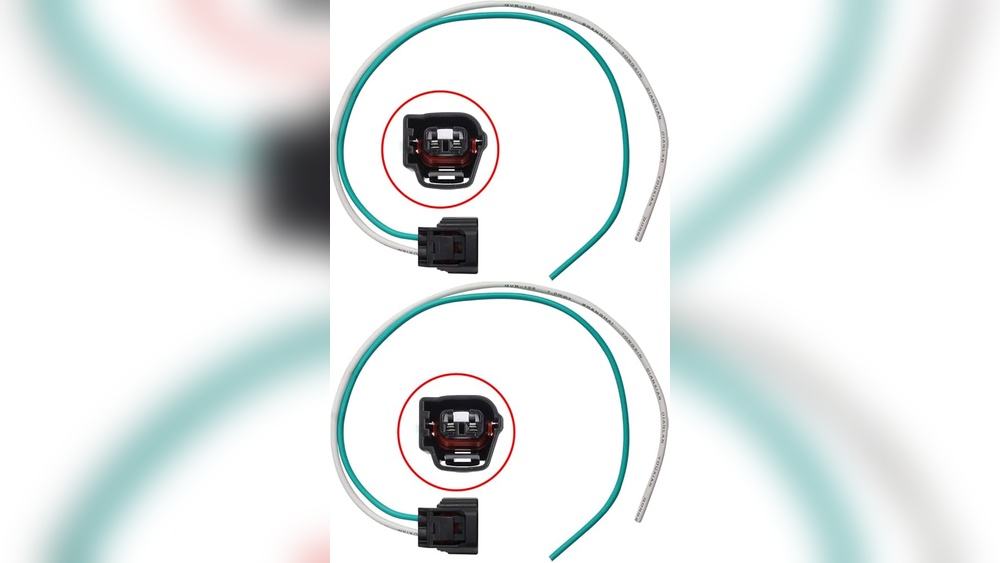
- Water and mud exposure: Off-roading and rain can let moisture seep in, leading to corrosion.
- Road salt: In winter, salt can accelerate rust and corrosion.
- Vibration: Bumpy roads loosen connections.
- Aging plastic: Heat and cold make connectors brittle and prone to cracks.
A failing connector can cause symptoms like one fog light not working, flickering lights, or even a blown fuse.
Tools And Materials You’ll Need
Before you start, gather the right tools and supplies. Here’s what you’ll need for most Jeep Wrangler models (JK, TJ, JL):
- Replacement fog light connector plug (OEM or compatible aftermarket)
- Wire stripper and crimper
- Heat shrink tubing (for waterproofing)
- Electrical tape
- Soldering iron and solder (optional but recommended for best results)
- Small flathead screwdriver
- Multimeter
- Zip ties
- Work gloves
- Dielectric grease (to prevent future corrosion)
Most of these tools are affordable and easy to find at auto parts stores. Always double-check your Jeep’s year and fog light style before buying a replacement plug.
Diagnosing The Problem
Before replacing the connector, confirm that it’s the real problem. Here’s how:
- Check the fog light bulbs. Swap bulbs between sides to see if the issue follows the bulb or stays with the connector.
- Inspect the fuse. Locate the fog light fuse in the fuse box. If it’s blown, replace it—but if it blows again, you may have a wiring short.
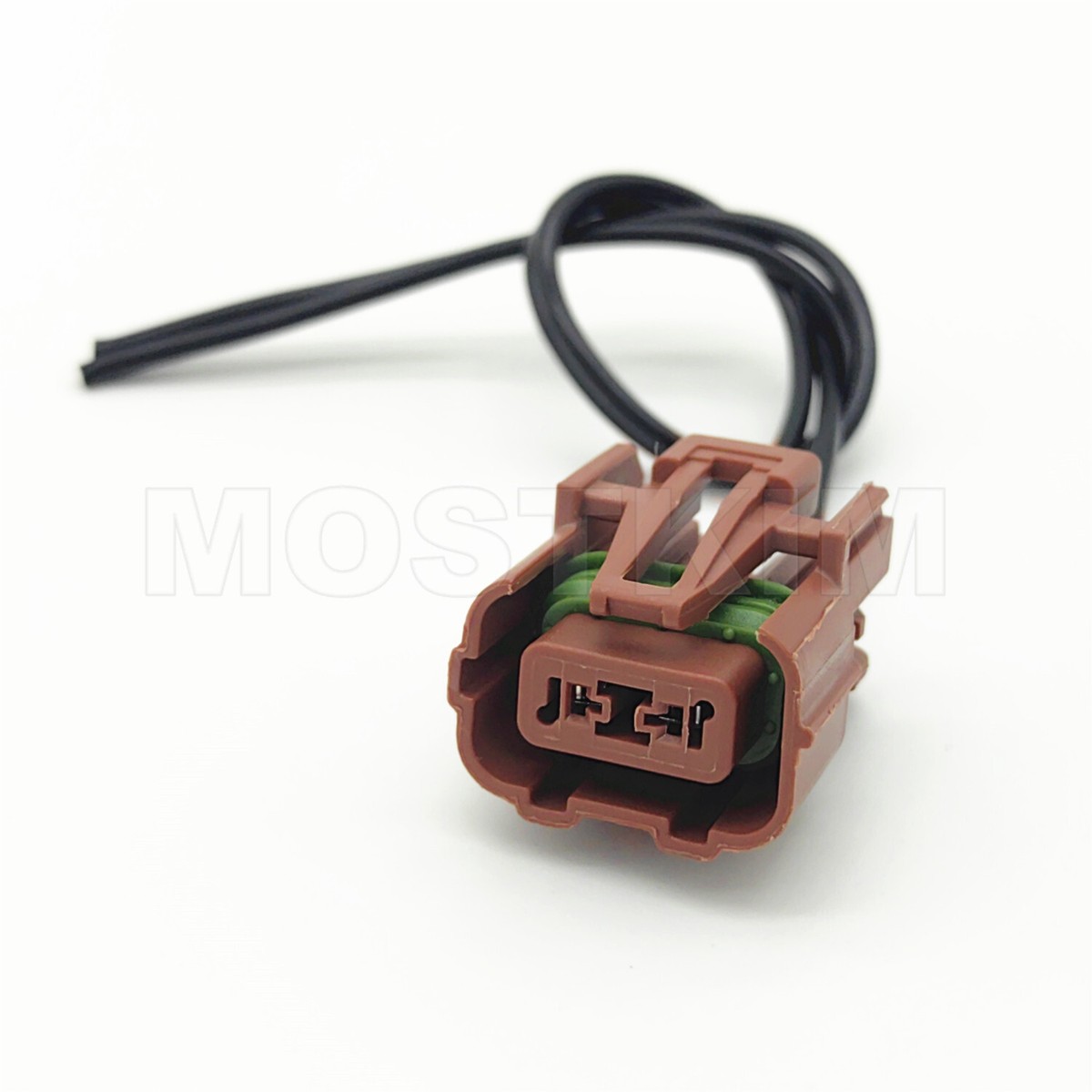
- Look for corrosion or damage. Unplug the fog light connector and look for green or white corrosion, burned pins, or broken plastic.
- Test with a multimeter. With the ignition on and fog lights switched on, use a multimeter to test for voltage at the connector. No voltage suggests a wiring or switch issue. Voltage present but light not working usually means a connector or bulb problem.
Expert tip: Many beginners forget to check both sides. Always compare the working and non-working connectors to spot subtle damage.
Removing The Old Fog Light Connector Plug
Once you’ve confirmed the connector is the problem, follow these steps:
- Disconnect the battery for safety.
- Access the fog light. On most Wranglers, you can reach the fog light connectors from behind the front bumper. Sometimes, you may need to remove a splash guard or part of the bumper.
- Unplug the connector. Use a small screwdriver if necessary to release any locking tabs.
- Inspect the wires. If the wires are corroded or frayed, cut back until you find clean, shiny copper.
Non-obvious insight: Don’t tug on the wires—pull on the plastic plug. Pulling on wires can break them inside the insulation, leading to hard-to-find problems later.
Preparing The Wires For A New Connector
Clean, well-prepared wires are the foundation of a reliable repair.
- Cut off the old connector. Leave a few inches of wire for splicing.
- Strip about 1/4 inch of insulation from each wire using a wire stripper.
- Slide heat shrink tubing onto the wires before connecting them. (Many people forget this step and have to redo their work.)
- Twist and solder or crimp. For strongest results, solder the new connector wires to the Jeep’s wiring. If you don’t have a soldering iron, use a good-quality crimp connector.
Here’s a quick comparison of soldering vs crimping:
| Method | Strength | Water Resistance | Skill Needed |
|---|---|---|---|
| Soldering | High | Excellent (if heat shrink used) | Medium |
| Crimping | Medium | Good (with sealed connectors) | Low |
If you solder, let the joint cool before moving on.
Installing The New Fog Light Connector Plug
Now you’re ready to connect the new plug.
- Match the wires by color. Double-check the wiring diagram for your Jeep if you’re not sure.
- Splice the wires together. Either solder and cover with heat shrink, or use a waterproof crimp connector.
- Slide heat shrink tubing over the joint and heat it until it seals tightly.
- Apply dielectric grease inside the connector before plugging it into the fog light. This step helps block water and prevent corrosion.
- Secure the wiring with zip ties so it won’t rub or dangle.
Always test the new plug before reassembling everything. Turn on the fog lights to make sure both sides work.
Waterproofing And Long-term Protection
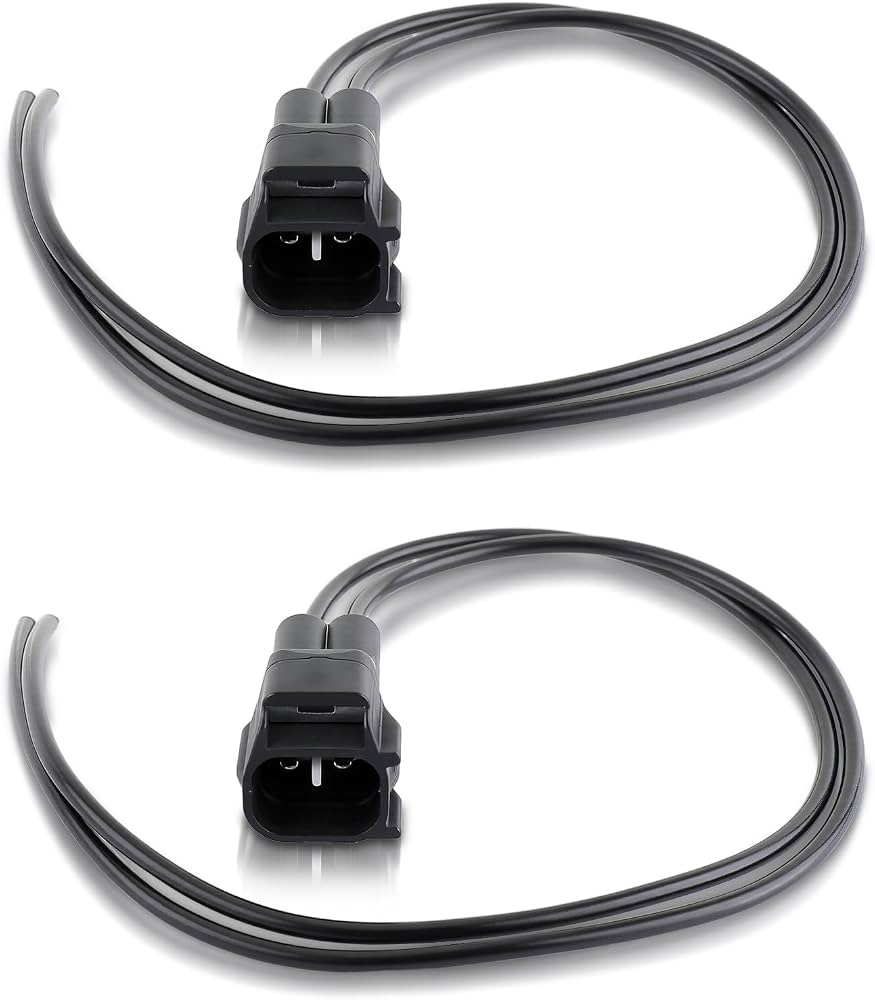
Jeep Wranglers are built for adventure, but their fog light connectors often face harsh conditions. To maximize the life of your repair:
- Use heat shrink tubing instead of just tape.
- Always apply dielectric grease inside the connector plug.
- Route wires away from moving parts and sharp edges.
- Re-check your repair after the first rain or off-road trip.
Here’s a quick look at the effect of different protection methods:
| Protection Method | Expected Lifespan | Risk of Corrosion |
|---|---|---|
| No protection | 6-12 months | High |
| Electrical tape only | 1-2 years | Medium |
| Heat shrink + grease | 3-5 years | Low |
Common Mistakes When Repairing Fog Light Connectors
Even experienced DIYers can slip up. Here are the most common mistakes to avoid:
- Forgetting heat shrink tubing: You can’t add it after connecting wires.
- Using the wrong connector: Not all Jeep fog light plugs are the same. Always match your Jeep’s year and model.
- Poor crimp or solder: Loose connections cause intermittent failures.
- Skipping dielectric grease: This small step saves a lot of trouble later.
- Not checking fuse rating: Using a fuse that’s too strong can hide problems and lead to worse damage.
Non-obvious insight: Sometimes, the issue isn’t just the plug, but water wicking up the wire inside the insulation. If you see corrosion extending up the wire, cut back farther until you reach clean metal.
Choosing The Right Replacement Connector
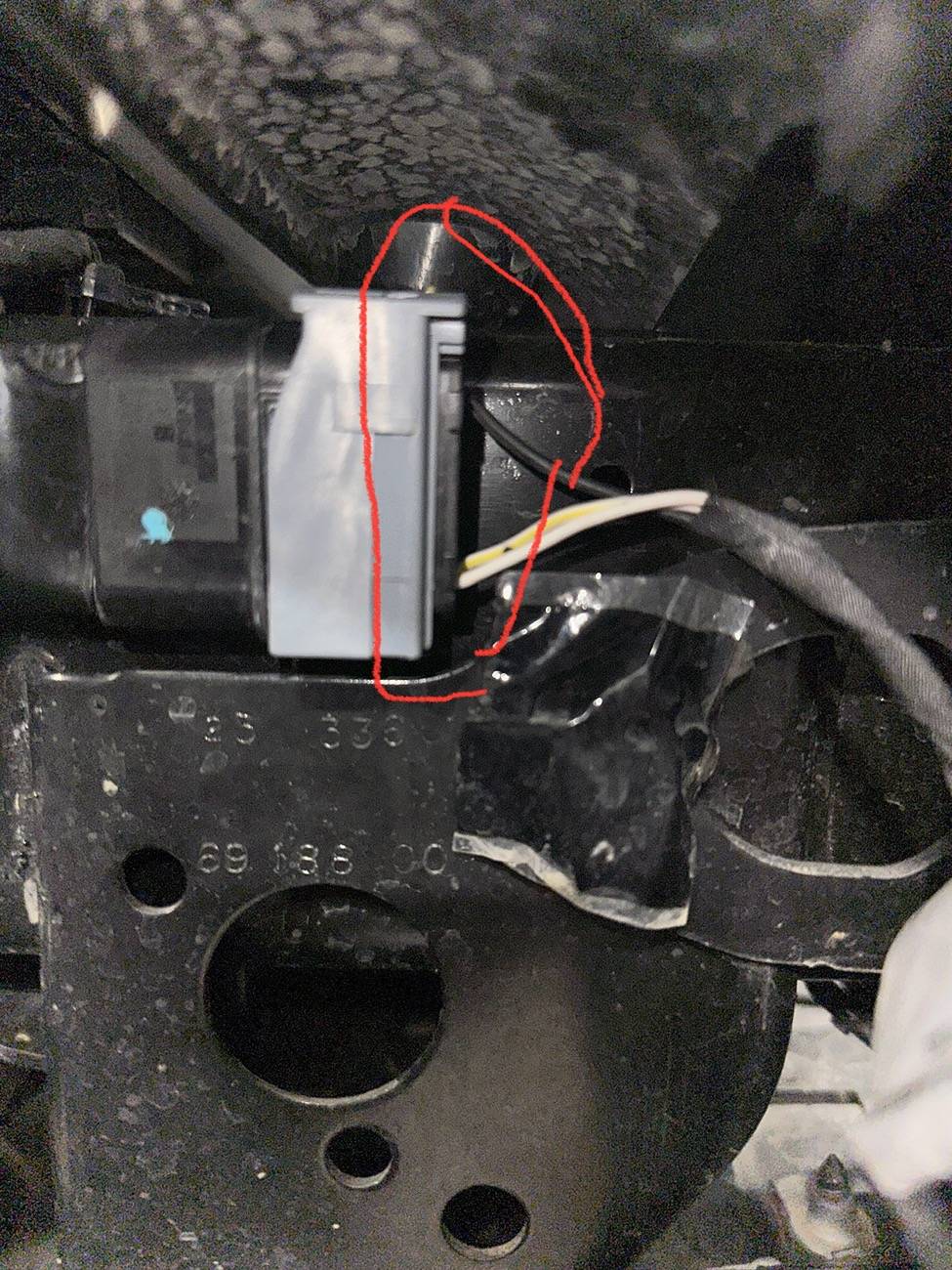
It’s tempting to buy the cheapest connector online, but quality matters. Here’s what to look for:
- OEM or high-quality aftermarket parts are best.
- Weather-sealed connectors help block out water.
- Wire gauge compatibility: Match the wire thickness to your Jeep’s original harness.
- Connector shape: Some look similar but have different pin arrangements—always compare carefully.
If you’re unsure, visit a trusted Jeep forum or ask at your local dealership. For more technical information, check the official Mopar Jeep parts catalog.
When To Call A Professional
Most Jeep owners can handle a fog light connector repair with patience and care. However, there are times when it’s smart to seek help:
- If you see melted wires or signs of a short circuit.
- If you’re not confident using electrical tools.
- If the problem keeps coming back after a repair.
A certified auto electrician will have the right tools to find and fix deeper wiring issues.
Cost And Time Estimates
Repairing a fog light connector on a Jeep Wrangler is a low-cost project. Here’s a quick breakdown:
| Item | Estimated Cost | Time Needed |
|---|---|---|
| Replacement connector | $10–$30 | – |
| Tools (if you need to buy) | $20–$40 | – |
| DIY labor | Free | 30–60 minutes |
| Professional repair | $80–$150 | 1–2 hours |
For most people, the full job including setup and cleanup takes about an hour.
Extra Tips For Jeep Owners
- Always keep a spare fog light bulb and connector in your glovebox when off-roading.
- Label your wires before cutting if the colors are faded.
- Clean your connectors once a year with electrical contact cleaner for best performance.
Frequently Asked Questions
How Do I Know If My Fog Light Connector Is The Problem?
Look for signs like only one fog light working, visible corrosion or melting, or if jiggling the connector causes the light to flicker. Testing voltage at the plug with a multimeter is the most reliable method.
Can I Use Regular Electrical Tape Instead Of Heat Shrink Tubing?
Electrical tape works in a pinch but does not seal out moisture as well as heat shrink tubing. For a long-lasting, waterproof repair, always use heat shrink tubing and dielectric grease.
Will Any Fog Light Connector Fit My Jeep Wrangler?
No. Connectors vary by year, model, and sometimes trim level. Always check your vehicle’s manual or compare your old connector to the new one before buying.
Is It Safe To Drive With A Broken Fog Light Connector?
Your Jeep will still run, but you’ll have reduced visibility in fog, rain, or snow. Also, exposed wires can short out and cause bigger electrical problems. Repair the connector as soon as possible.
What If My Fog Lights Still Don’t Work After Replacing The Connector?
Check the fuse, the bulb, and the vehicle’s ground connection. If everything checks out, the issue might be deeper in the wiring harness or the fog light switch itself. Consider consulting a professional.
Getting your Jeep Wrangler’s fog lights back in action is satisfying and boosts your safety.
With careful work and the right steps, you’ll fix the connector plug like a pro and you’ll be ready for whatever the road (or trail) throws at you next.