Owning a Jeep Grand Cherokee means enjoying both comfort and adventure, but one detail many drivers overlook is tire pressure, specifically the right psi (pounds per square inch). Getting this simple detail right makes a big difference.
It affects your Jeep’s safety, fuel economy, and even how long your tires last. Many drivers guess or use the maximum psi on the tire, but that’s not always the best choice for your Grand Cherokee.
This guide explains what psi means for your tires, why it matters, and how to keep your Jeep performing at its best.
What Is The Recommended PSI for Jeep Grand Cherokee Tires?
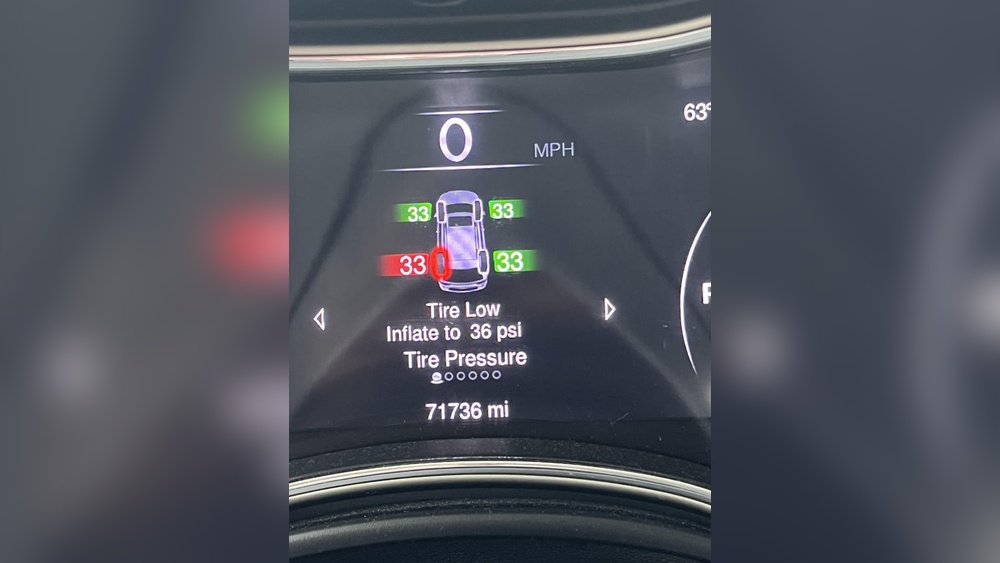
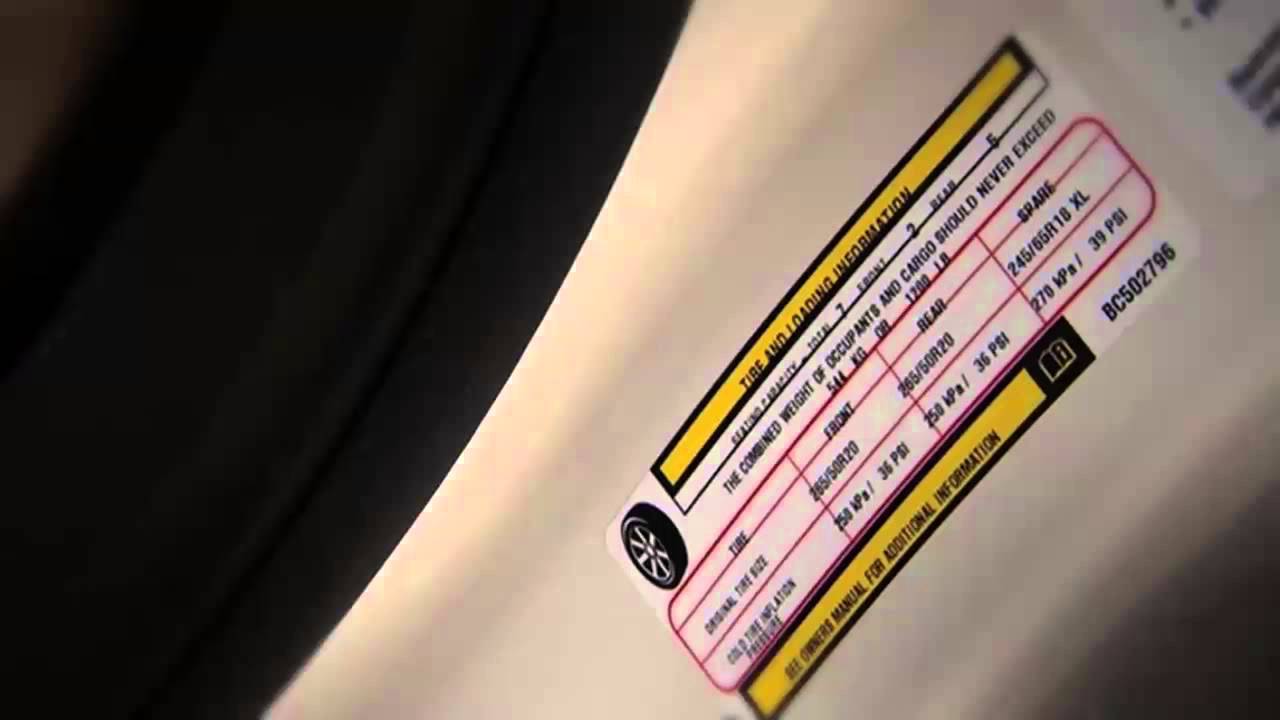
Every car has a recommended tire pressure range, and the Grand Cherokee is no different. For most models, Jeep recommends 33 to 36 psi for stock tires. You can find the specific psi for your Jeep:
- On a sticker inside the driver’s door
- In the owner’s manual
The recommendation is based on the vehicle’s weight, tire size, and how the Jeep is intended to be used. Using the right psi helps balance grip, comfort, and efficiency.
Typical Tire Pressure By Model Year
Here’s how psi recommendations vary for popular Grand Cherokee models:
| Model Year | Front Tires (psi) | Rear Tires (psi) |
|---|---|---|
| 2016 to 2020 | 36 | 36 |
| 2011 to 2015 | 33 | 33 |
| 2026 to 2026 | 36 | 36 |
Check your specific trim and tire size. For example, performance versions like the SRT or Trackhawk may need a different psi.
Why Proper PSI Matters
Driving with the correct tire pressure is more than just a safety issue, it’s about getting the best from your Jeep in every way.
- Safety: Correct psi means better handling and shorter stopping distances. Over-inflated tires can lose grip, especially on wet roads, while under-inflated tires can overheat and fail.
- Fuel Efficiency: Low pressure increases rolling resistance, meaning your engine works harder and uses more gas.
- Tire Life: Tires wear more evenly at the right psi, so you won’t be replacing them sooner than needed.
- Comfort: The right pressure smooths out bumps and keeps your ride comfortable.
Many drivers miss the fact that small changes in tire pressure, just 3 to 5 psi off, can change braking and cornering performance.
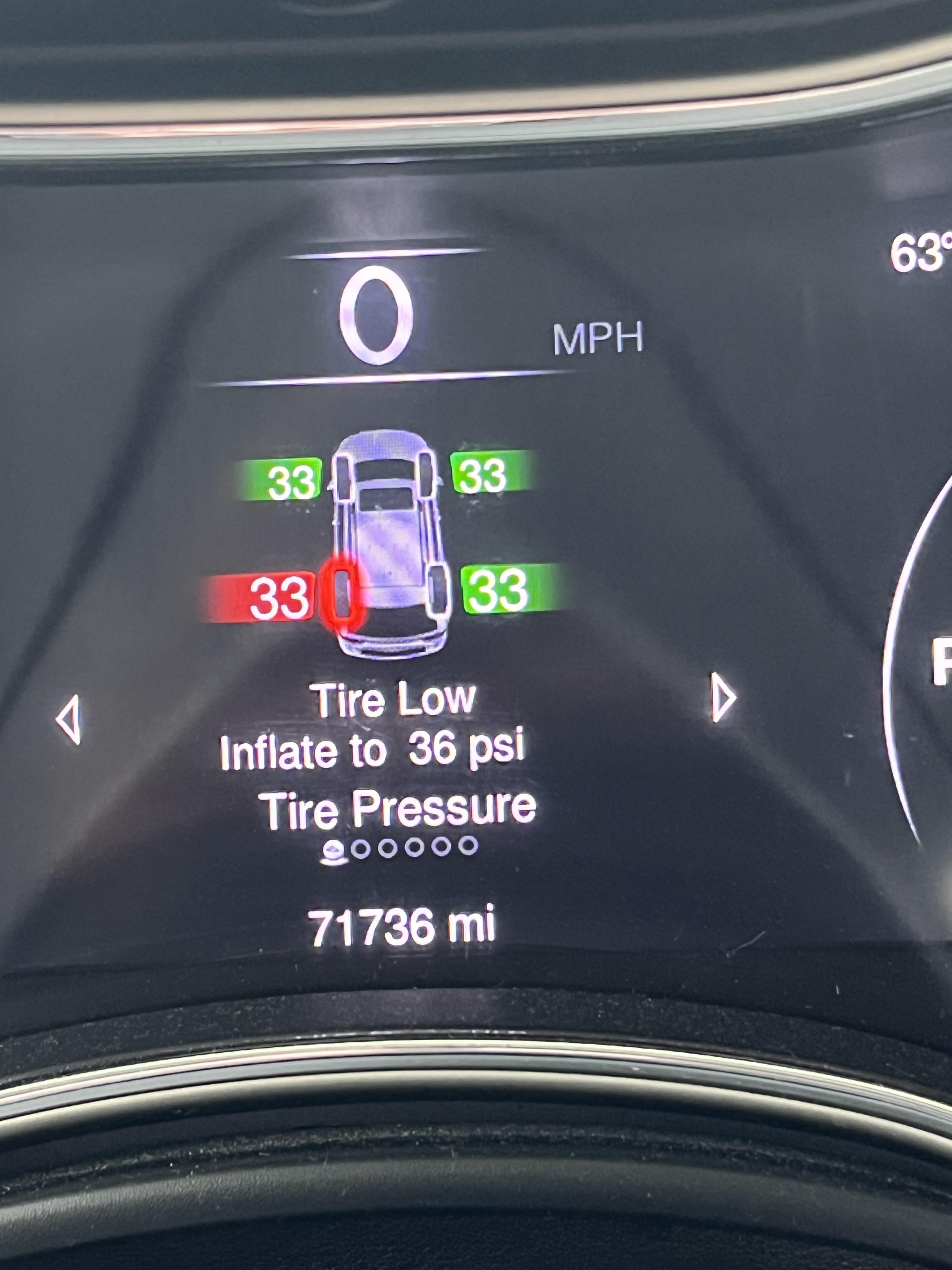
How To Check And Adjust Tire Pressure
Checking your tire pressure is simple and takes just a few minutes.
- Wait for Cold Tires: Check psi when the tires are cold (before driving or at least three hours after driving).
- Use a Reliable Gauge: Digital or stick gauges work well. Do not trust the gauge at gas station air pumps, they can be inaccurate.
- Compare to Specs: Look at the Jeep’s sticker, not the psi on the tire sidewall (that’s the max, not the recommended).
- Add or Release Air: Use an air compressor to add air, or press the valve stem to release it. Re-check after each adjustment.
A common mistake is checking tire pressure after a long drive, which gives a higher reading due to heat. Always check when the tires are cool.
PSI for Different Conditions
Your ideal psi may change based on where and how you drive.
Highway Driving
Stick closely to the recommended psi. This gives you the best balance of comfort, fuel economy, and tire wear.
Off-roading
Many Jeep owners lower their psi for off-road use, sometimes down to 18 to 25 psi. Lower pressure increases tire contact with the ground, improving grip on rocks, sand, or mud. But remember:
- Lower psi is for off-roading only. Inflate back to normal before driving on the highway.
- Too low can risk tire damage or unseating the tire from the rim.
Towing And Heavy Loads
If you often tow or carry heavy loads, you might need a few extra psi (usually 2 to 4 psi higher than normal). Always stay below the tire’s maximum psi, and check the owner’s manual.
How PSI Affects Performance
Changing your tire pressure changes how your Grand Cherokee handles. Here’s a quick comparison:
| PSI Level | Ride Quality | Fuel Economy | Tire Wear |
|---|---|---|---|
| Too Low | Softer, less stable | Poor | Faster, edges wear |
| Recommended | Balanced | Optimal | Even wear |
| Too High | Harsh, less grip | Good, but risky | Center wears |
Many drivers believe higher psi always saves gas, but too much air reduces grip and can make tires wear out in the middle.
Seasonal Changes And PSI
Tire pressure drops in cold weather and rises in hot weather. For every 10°F drop in temperature, tire pressure can drop by about 1 psi. It’s smart to check your tires every month, especially as the seasons change.
In winter, don’t over-inflate to “make up” for lost pressure. Stick to the recommended psi and check more often.
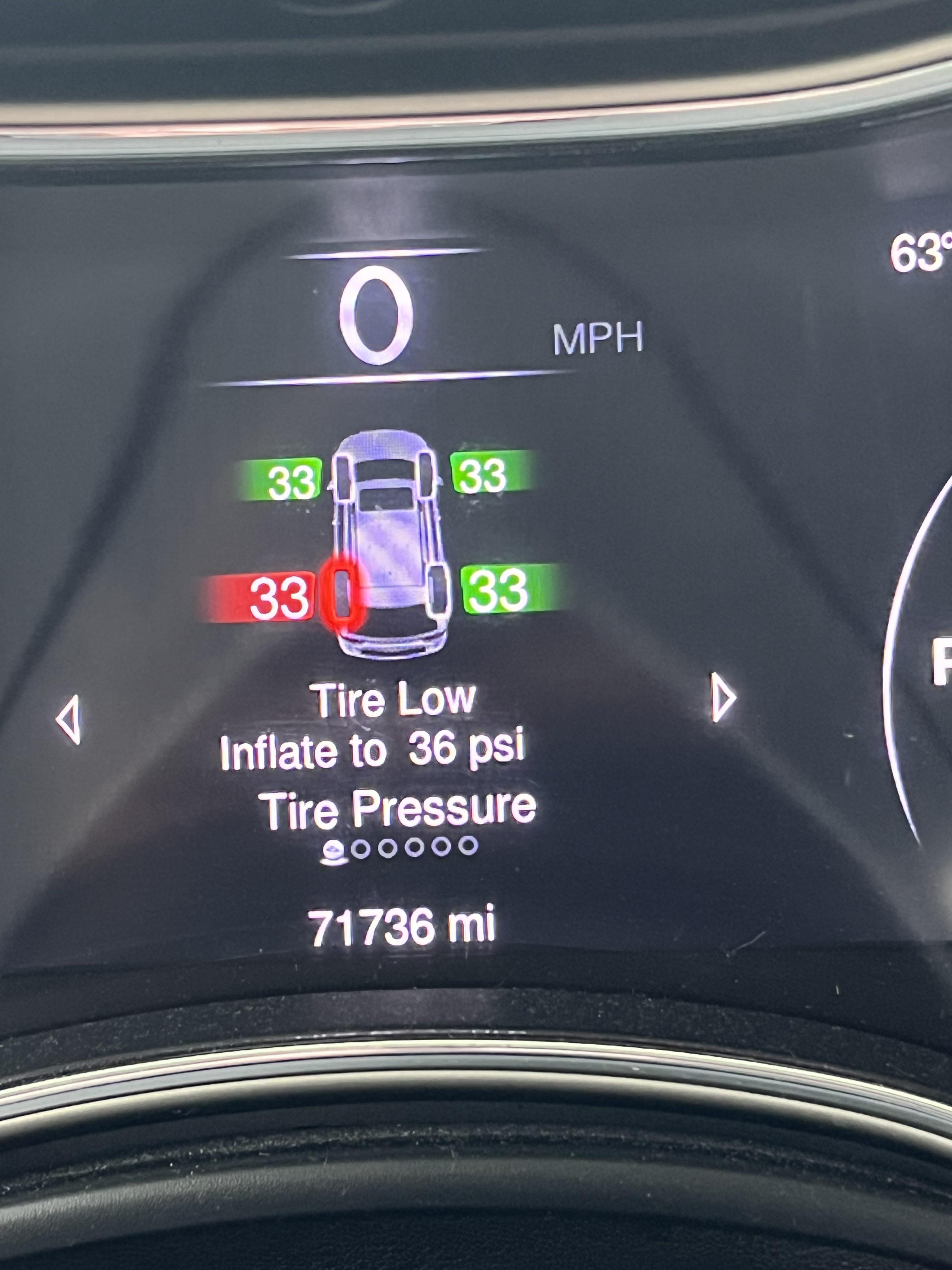
Common Mistakes With Jeep Grand Cherokee Tire PSI
- Using the Tire’s Max PSI: This number is only the tire’s safe limit, not your Jeep’s ideal setting.
- Ignoring Pressure Changes: Tires lose about 1 psi per month naturally, even without a leak.
- Checking When Hot: Hot tires give higher readings. Always check when cool.
- Uneven Pressure: All four tires should be equal unless the manual says otherwise.
- Not Adjusting for Loads: Carrying extra weight? Adjust psi as recommended.
Upgrading Tires And Psi Considerations
If you change your tire size or type (like switching to larger all-terrains), the recommended psi may change. Always consult a tire professional or refer to the new tire’s load chart. Some aftermarket wheels and tires need higher or lower psi for safe performance.
Here’s a quick reference for different tire types on a Grand Cherokee:
| Tire Type | Suggested PSI Range |
|---|---|
| Highway/All-Season | 33 to 36 psi |
| All-Terrain | 32 to 36 psi |
| Off-Road/Mud-Terrain | 18 to 25 psi (off-road) |
For more information, you can visit the official Jeep website.
Frequently Asked Questions
What Happens If I Drive With Low Tire Pressure?
u003cpu003eLow tire pressure makes your Jeep less stable and increases stopping distance. It also causes tires to wear faster, especially on the edges, and can lead to a blowout.u003c/pu003e
How Often Should I Check My Tire Pressure?
u003cpu003eCheck your tire pressure at least once a month and before long trips. Also, check after big temperature changes.u003c/pu003e
Should Front And Rear Tires Have Different PSI?
u003cpu003eMost Grand Cherokees use the same psi for all tires. Always follow your owner’s manual, as some trims or setups may differ.u003c/pu003e
Is The Max Psi On The Tire Sidewall The Right Pressure?
u003cpu003eNo. The max psi is only the tire’s upper safety limit. Use the psi listed on your Jeep’s door sticker or manual for daily driving.u003c/pu003e
Can I Use Nitrogen Instead Of Air In My Tires?
u003cpu003eNitrogen holds pressure slightly better, but for daily driving, regular air is fine. The most important thing is keeping your tires at the correct psi, no matter the gas.u003c/pu003eu003cpu003eMaintaining the right psi for your Jeep Grand Cherokee tires is simple but powerful. It keeps you safe, saves money, and helps your Jeep perform at its best, on the road and off. Checking your tire pressure regularly is one of the easiest habits to build for a smoother, more reliable drive.u003c/pu003e