If your Jeep Grand Cherokee is having transmission problems, you’re not alone. Many owners face issues with shifting, slipping, or warning lights.
A transmission is one of the most important—and expensive—parts of your vehicle. Addressing problems early can save you money and keep your Jeep on the road for years.
This guide will help you understand what goes wrong, what repairs involve, and how to make the best decisions for your Jeep Grand Cherokee transmission repair.
Common Transmission Problems In Jeep Grand Cherokee
Transmission problems can feel overwhelming, but most fall into a few main categories:
- Hard shifting: The gear changes feel rough or delayed.
- Transmission slipping: The engine revs but the car does not speed up as expected.
- Fluid leaks: Red or brown fluid under your Jeep.
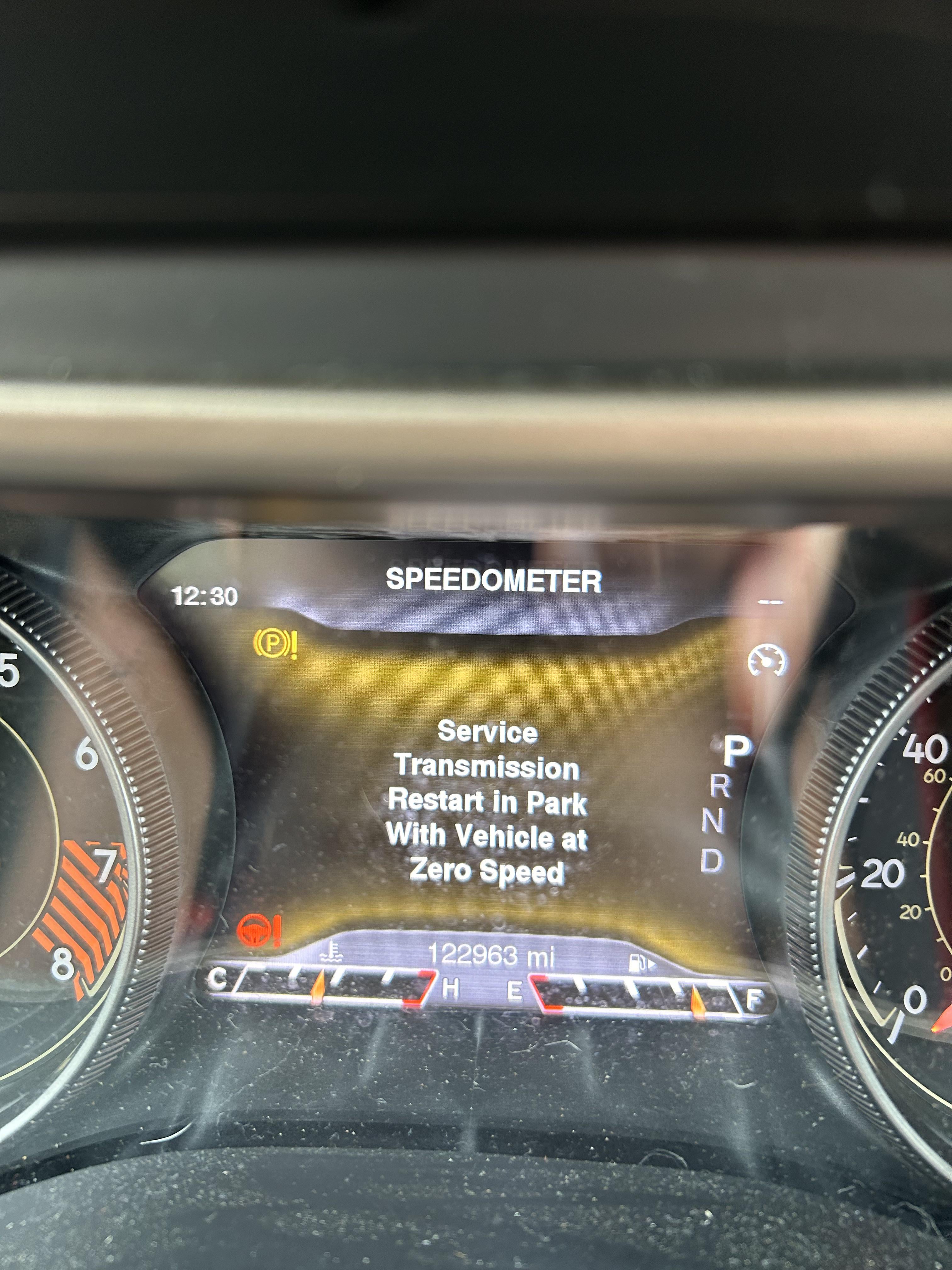
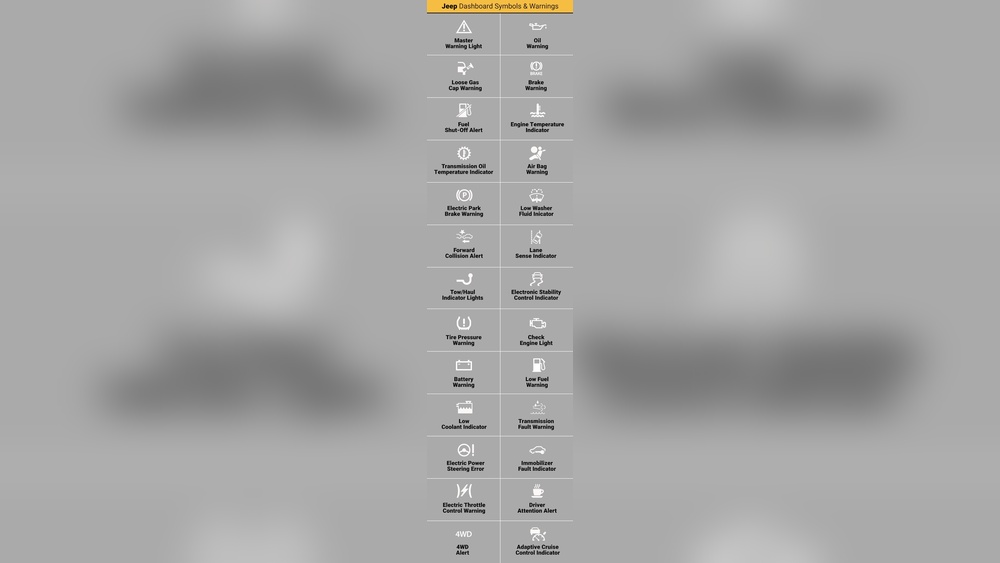
- Warning lights: The transmission or check engine light turns on.
- Strange noises: Whining, clunking, or buzzing when shifting.
Many issues are caused by low or dirty transmission fluid, worn clutches, or faulty sensors. For 2011–2026 models, electronic control problems are also common.
Why Transmission Problems Happen
- High mileage: Components wear out after 100,000+ miles.
- Heavy towing: Overloading stresses the transmission.
- Poor maintenance: Skipping fluid changes shortens lifespan.
- Design flaws: Some Jeep transmissions, like the 42RLE or ZF 8-speed, have known issues.
A surprising fact: Many owners replace the entire transmission when a simple sensor or solenoid might be the real problem. Always get a proper diagnosis before major repairs.
Transmission Repair Vs. Replacement
Should you repair or replace your Jeep’s transmission? The answer depends on the problem, cost, and your Jeep’s age.
| Repair | Replacement |
|---|---|
| Fixes one or two failed parts | Installs a new or rebuilt unit |
| Cheaper upfront (often $500–$1,500) | Expensive ($2,500–$4,500+) |
| Risk of other parts failing later | More reliable, warranty included |
| Good for minor problems | Best for major failures or high mileage |
If your Jeep has less than 100,000 miles and only one or two parts failed, a repair may be best. For older models or repeated breakdowns, replacement makes more sense.
How Transmission Repair Works
A typical transmission repair follows these steps:
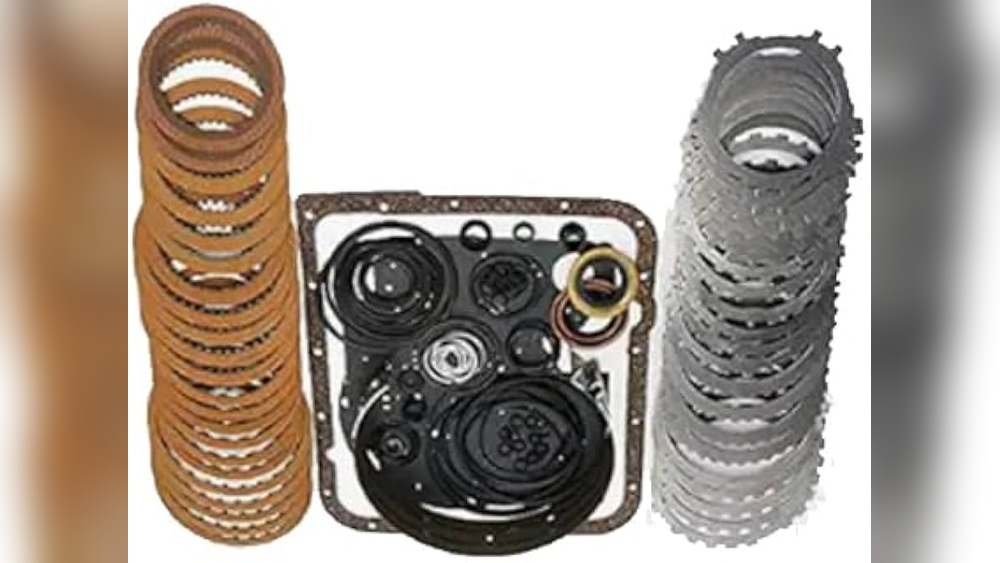
- Diagnosis: The mechanic scans for codes, checks fluid, and does a road test.
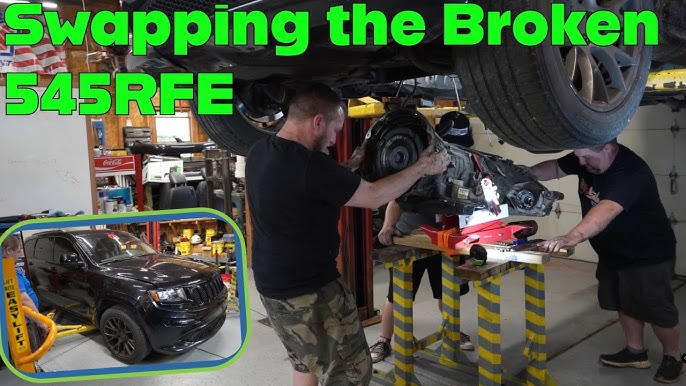
- Removal: The transmission is taken out of the vehicle.
- Inspection: Worn parts, like clutches or solenoids, are checked.
- Repair or rebuild: Damaged components are replaced or rebuilt.
- Reinstallation and testing: The transmission is put back, fluid is filled, and test drives confirm the fix.
For common Jeep Grand Cherokee repairs, mechanics often replace:
- Solenoids
- Valve bodies
- Torque converters
- Transmission fluid and filter
Simple repairs, like changing a solenoid, can take just a few hours. Full rebuilds may need 2–3 days.
Costs Of Jeep Grand Cherokee Transmission Repair
Repair costs can vary greatly based on the year, model, and the shop you choose.
| Repair Type | Typical Cost |
|---|---|
| Fluid & Filter Change | $180 – $350 |
| Solenoid Replacement | $300 – $750 |
| Minor Repair | $500 – $1,500 |
| Full Rebuild | $1,800 – $3,500 |
| Replacement (New/Rebuilt) | $2,500 – $4,500+ |
Labor costs can be higher in major cities. Always ask for a written estimate and compare prices between repair shops.

Preventing Future Transmission Problems
Here are practical ways to extend the life of your Jeep Grand Cherokee transmission:
- Change fluid every 30,000–60,000 miles (or as the manual says).
- Check for leaks monthly.
- Avoid towing heavy loads beyond the Jeep’s rating.
- Fix small problems early—don’t ignore warning lights or strange noises.
- Use the correct fluid: Not all transmission fluids are the same. Check your owner’s manual.
One insight many owners miss: Transmission overheating is a silent killer. If you drive in hot climates or tow often, consider adding an auxiliary transmission cooler.
Choosing The Right Repair Shop
Not all shops have the skills or tools for transmission repairs. Here’s what matters:
- Experience with Jeep vehicles: Ask for proof.
- Certified technicians: Look for ASE or manufacturer certification.
- Warranty on repairs: Good shops offer at least 12 months/12,000 miles.
- Clear communication: You should understand what you’re paying for.
A common mistake: Choosing the cheapest shop. Transmission repairs need expertise, not just low prices. Check reviews on trusted sites before deciding.
Diy Vs. Professional Repair
Some maintenance, like fluid changes, can be done at home with basic tools and patience. However, most transmission repairs require special equipment and knowledge. Opening a transmission without training can lead to bigger problems and cost more in the long run.
If you want to learn more about transmissions and their operation, the Wikipedia page on automatic transmissions is a good resource.
Frequently Asked Questions
What Are Signs That My Jeep Grand Cherokee Transmission Is Failing?
Look for hard shifts, slipping, delayed engagement, warning lights, burning smells, or fluid leaks. Any of these signs mean you should visit a mechanic soon.
How Long Does A Jeep Grand Cherokee Transmission Last?
With proper maintenance, most last 150,000 to 200,000 miles. Heavy towing, poor maintenance, or overheating can shorten lifespan.
Is It Safe To Keep Driving With A Bad Transmission?
No. Driving with a failing transmission can cause further damage, leave you stranded, or even create safety risks.
Can I Drive After A Transmission Fluid Change?
Yes. After a fluid change, drive normally but check for leaks or any new noises. If shifting feels strange, return to the shop for inspection.
How Do I Choose Between Repair And Replacement?
If your Jeep is newer and the problem is small, repair makes sense. For older vehicles with repeated issues or high mileage, replacement is often more reliable.
A well-maintained transmission means a smoother ride and fewer surprises on the road. Paying attention to early warning signs and choosing skilled professionals can keep your Jeep Grand Cherokee driving strong for years.