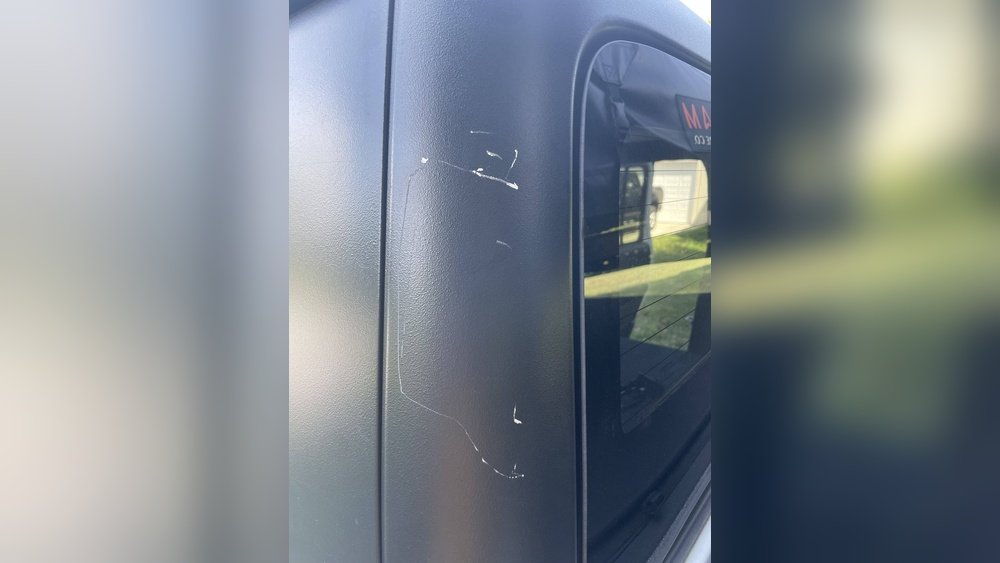
A scratch on your Jeep hardtop can be frustrating. Whether you love off-roading or just park under trees, scratches happen.
The good news? Most scratches are not permanent.
With the right methods, you can make your Jeep’s hardtop look almost new again. This guide will walk you through safe, effective ways to remove scratches, from light marks to deeper gouges.
Understanding Jeep Hardtop Materials
Jeep hardtops are usually made from fiberglass or composite plastic. These materials are strong but can show scratches easily. Before you begin, know your hardtop’s material. Most modern Jeeps (Wrangler JL, Gladiator, etc.) use textured black composite. This affects which products and tools you should use.
Here’s a quick comparison of the two main hardtop types:
| Material | Scratch Visibility | Repair Difficulty |
|---|---|---|
| Fiberglass (older Jeeps) | Medium | Moderate |
| Composite Plastic (newer Jeeps) | High | Easy to Moderate |
Tip: Always test any product on a small hidden area first.
Tools And Products You’ll Need
Gather these items before you start:
- Mild car soap and water
- Microfiber towels
- Plastic or vinyl restorer (for black tops)
- Scratch remover or polishing compound
- Soft-bristle brush
- Touch-up paint or colorant (for deep scratches)
- Fine-grit sandpaper (1000-2000 grit, only for deep scratches)
Avoid harsh chemicals. They can damage the texture or color of your hardtop.

Step-by-step Scratch Removal Process
Let’s break down the process for light, moderate, and deep scratches.
Light Surface Scratches
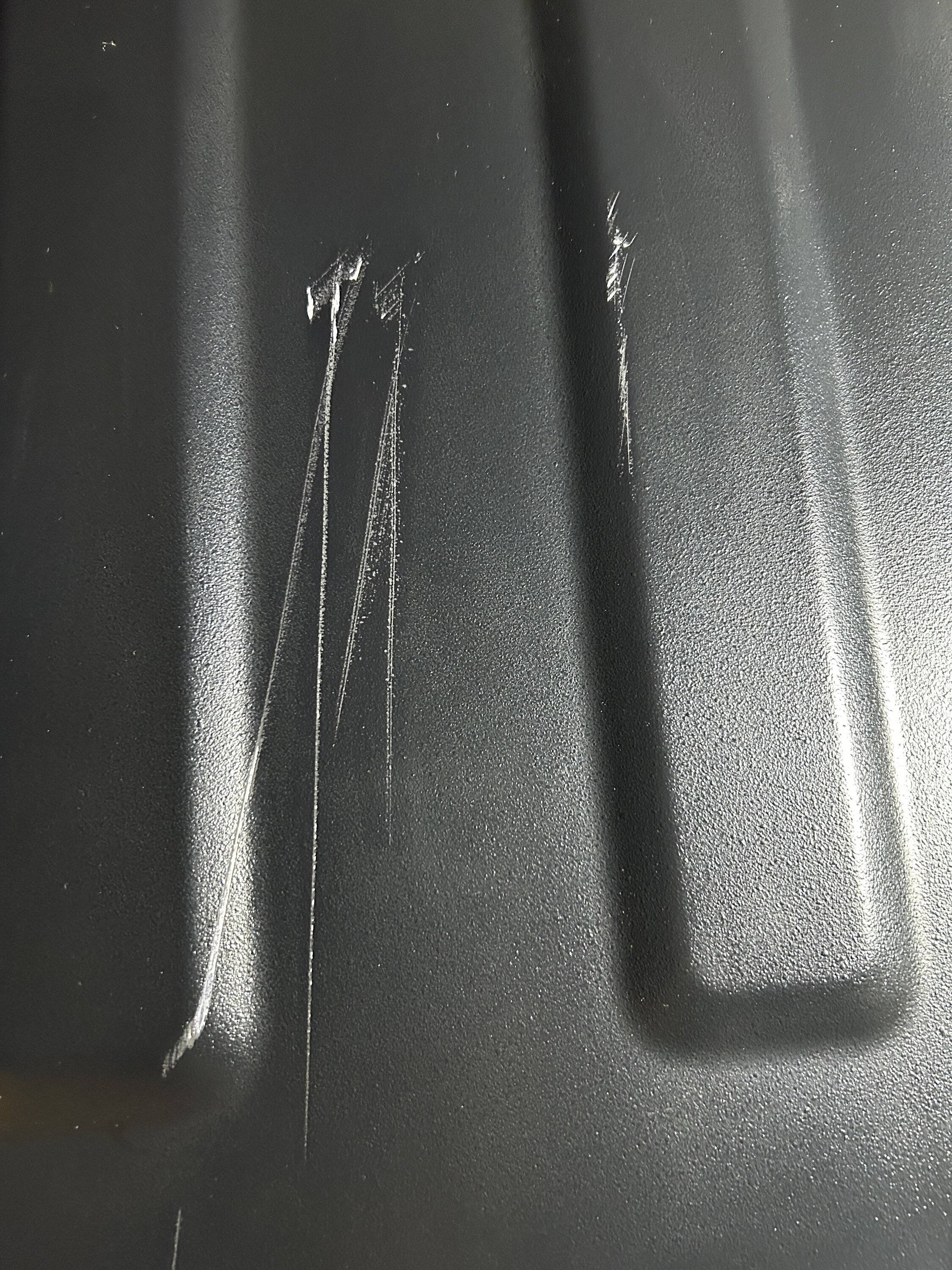
These are often white lines or dull spots.
- Clean the Area: Wash with mild soap and water. Dry with a microfiber towel.
- Apply Plastic Restorer: Use a small amount on a towel. Rub gently in circles.
- Buff Out: Wipe off extra product. Check if the scratch is still visible.
This usually restores color and hides minor marks.
Moderate Scratches
You can feel these scratches with your fingernail.
- Clean Thoroughly: Remove all dirt. Any grit can make scratches worse.
- Use Scratch Remover: Put a small amount on a towel. Rub along the scratch, not across it.
- Buff and Inspect: Wipe away residue. Check under different light.
- Apply Restorer: This blends the repair with the rest of the top.
You may need to repeat the process for better results.
Deep Scratches And Gouges
If you see white or the scratch is deep, try these steps:
- Clean the Area: As before, ensure no dirt remains.
- Light Sanding (if needed): Wet-sand lightly with 1000-2000 grit sandpaper, only on the scratch. Do not sand textured areas.
- Apply Touch-Up Paint or Colorant: Use a small brush. Match the color as closely as possible.
- Let Dry: Wait at least 1 hour.
- Use Plastic Restorer: This helps blend the repair.
Important: Deep repairs may never be 100% invisible, but you can make them much less noticeable.
Common Mistakes To Avoid
Many people make errors that make the scratch worse. Avoid these:
- Using household cleaners (like window spray or bleach)
- Scrubbing with rough sponges or steel wool
- Applying too much pressure when sanding
- Using wax designed for glossy car paint (can make the surface shiny and patchy)
Here’s a comparison of common mistakes and their safer alternatives:
| Mistake | Why to Avoid | Better Option |
|---|---|---|
| Using harsh chemicals | Can discolor or damage the plastic | Mild car soap and water |
| Scrubbing with rough pads | Creates more scratches | Microfiber towel or soft brush |
| Over-sanding | Removes texture, hard to fix | Gentle sanding only if necessary |
When To Seek Professional Help
Some scratches are too deep or large for DIY fixes. If you see cracks, exposed fiberglass, or a scratch longer than 12 inches, consider a body shop.
Professionals have tools and paints for textured surfaces. They can restore the look without guesswork.
Preventing Future Scratches
Prevention saves time and money. Here’s how to protect your Jeep hardtop:
- Wash regularly with soft tools.
- Park away from trees or tight spaces.
- Apply a plastic protectant every few months.
- Use a car cover if parked outside for long periods.
A little care goes a long way to keep your hardtop scratch-free.

Frequently Asked Questions
How Can I Tell If A Scratch Is Too Deep For Diy Repair?
If your fingernail gets caught in the scratch or you see a white line or different color, it’s likely deep. DIY fixes can improve it, but a pro may be needed for a perfect result.
Is It Safe To Use Regular Car Wax On A Jeep Hardtop?
No, car wax is made for glossy paint, not textured plastic. It can make your hardtop look uneven or shiny in spots.
Stick to products made for plastic or vinyl.
Can I Use A Heat Gun To Remove Scratches?
Heat guns can sometimes help with very shallow marks, but they can also warp or melt the plastic if not used carefully. It’s best for experienced users or professionals.
What’s The Best Product For Black Jeep Hardtops?
A high-quality plastic or vinyl restorer works best. Look for products made for textured finishes, like those used on bumpers or trim. Always check reviews and test first.
Where Can I Find More Information On Jeep Hardtop Care?
You can find more detailed guidance and tips on the official Jeep Care website. It provides product recommendations and maintenance advice.
Scratches on your Jeep hardtop are annoying but fixable. With patience and the right tools, you can restore your top’s appearance and enjoy your Jeep’s rugged style for years to come.