Removing the steering wheel controls from a Jeep might sound like a job only for auto technicians, but with the right guidance, you can do it yourself.
Many Jeep owners want to remove these controls to install aftermarket steering wheels, repair broken buttons, or simply for a cleaner look.
This guide will walk you through the process step by step, highlight important safety tips, and help you avoid common mistakes.
By the end, you’ll know not just how to remove Jeep steering wheel controls, but also what to expect before and after this project.
Why Remove Jeep Steering Wheel Controls?
There are several reasons people decide to take out their steering wheel controls:
- Upgrading to an aftermarket steering wheel for a sportier feel or custom look.
- Replacing or repairing malfunctioning buttons (like volume or cruise control).
- Reducing distractions by simplifying the wheel.
- Installing steering wheel covers that don’t fit with the controls attached.
It’s important to note that removing these controls will disable certain factory features like radio adjustments or cruise control from the wheel. Always consider if you’re okay with losing those functions.
Tools And Materials Needed
You don’t need a full workshop to remove Jeep steering wheel controls. Here’s what you’ll need for most Jeep models (like the Wrangler, Cherokee, or Grand Cherokee):
- Flathead screwdriver – For prying off trim pieces.
- Phillips screwdriver – For screws on the back of the steering wheel.
- Torx drivers (usually T20 or T30) – For airbag and control module bolts.
- Socket wrench – For steering wheel nut (often 21mm or 22mm).
- Trim removal tool – To avoid damaging plastic pieces.
- Needle-nose pliers – For small connectors.
- Plastic bag – To store removed screws and parts.
- Protective gloves – For safety, especially with the airbag.
Some models may require other tools, but these cover most cases.
Safety Precautions Before You Begin
Working on your steering wheel involves the airbag system. Mishandling it can cause accidental deployment, which is dangerous and expensive. Always follow these steps:
- Disconnect the battery: Remove the negative terminal and wait at least 10-15 minutes. This discharges stored electricity in the airbag system.
- Do not use metal tools on electrical connectors.
- Work in a well-lit area with enough space to move around.
- Wear gloves to avoid static discharge.
Ignoring these steps can lead to injury or damage to your Jeep’s electronics.
Step-by-step Guide: Removing Jeep Steering Wheel Controls
Let’s break down the removal process into clear steps, so you don’t miss anything.
1. Disconnect The Battery
Find the negative terminal of your Jeep’s battery. Use a socket wrench to loosen the nut and slide the cable off. Wait 10-15 minutes before working on the wheel. This time is necessary to let any remaining charge in the airbag system disappear.
2. Remove The Airbag
Most Jeep models use Torx screws behind the steering wheel to hold the airbag in place.
- Turn the steering wheel so the screws are easy to reach.
- Insert the correct Torx driver and carefully unscrew both bolts.
- Gently pull the airbag towards you. There will be connectors behind it.
You’ll see one or two airbag connectors. Use a flathead screwdriver or your fingers to carefully pop up the locking tabs, then disconnect the wires.
Tip: Place the airbag face-up away from your workspace. Never set it face-down, as this is unsafe if it accidentally deploys.
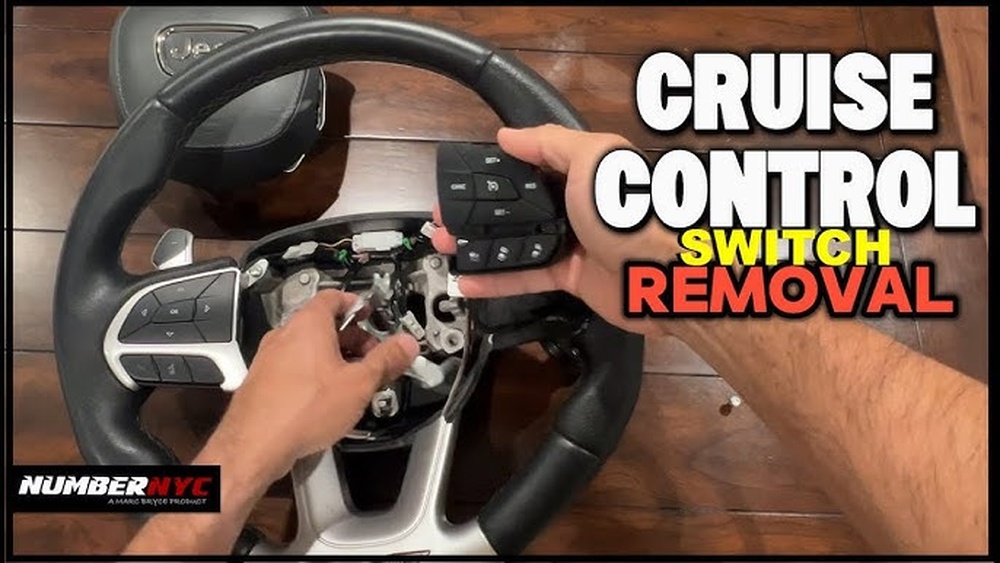
3. Remove Steering Wheel Controls
With the airbag out of the way, you can access the controls.
- Find the screws or clips that hold the control modules in place. Usually, there are small Phillips screws or plastic tabs.
- Unscrew or unclip these, then gently pull the control modules away from the steering wheel.
- Disconnect the wiring harnesses connected to the controls. Use needle-nose pliers if needed, but never force a connector.
Some models have a separate wiring loom for the buttons. If so, unplug these wires from the main steering wheel harness.
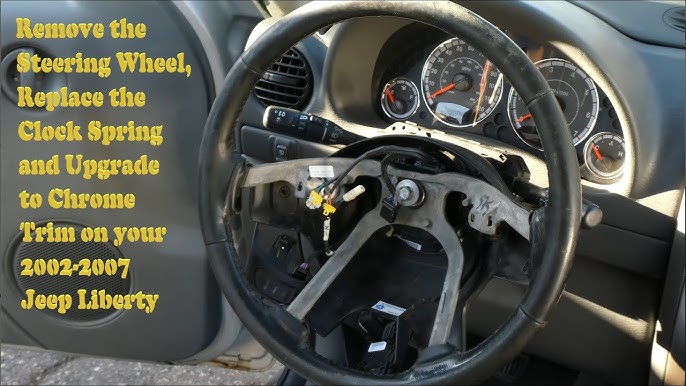
4. (optional) Remove The Steering Wheel
If your goal is to install a new steering wheel or do deeper repairs, you might need to remove the wheel itself.
- Use a socket wrench to loosen the large center nut (usually 21mm or 22mm).
- Mark the position of the wheel and the steering column with a pen or tape. This keeps your wheel straight when reinstalling.
- Use a steering wheel puller tool if the wheel is tight. Do not hit the wheel with a hammer, as this can damage the column.
5. Inspect And Store Removed Parts
Place screws, modules, and the airbag in a safe, organized spot. You may need them for reinstallation or resale. Label plastic bags with each part’s location if you plan to reinstall later.
Jeep Steering Wheel Controls: Model Differences
Jeep steering wheel controls are not identical across all models and years. Here’s a quick comparison of three popular models:
| Model | Years | Control Type | Removal Difficulty |
|---|---|---|---|
| Wrangler (JK) | 2007–2018 | Physical buttons | Easy |
| Cherokee (KL) | 2014–present | Touch + buttons | Moderate |
| Grand Cherokee (WK2) | 2011–2021 | Multi-function buttons | Moderate |
Insight: Some newer models may have extra connectors or integrated wiring. Always check your Jeep’s manual or look up your specific year and model online before starting.
Common Mistakes And How To Avoid Them
Even careful DIYers sometimes make errors. Here are two mistakes beginners often miss:
- Forgetting to disconnect the battery: This is the most dangerous error. The airbag can deploy if you skip this step.
- Losing small screws or clips: Many people forget where they placed a screw or break a plastic tab. Use a magnetic tray or labeled baggies to store each part.
Other mistakes include:
- Damaging the airbag connectors by pulling too hard.
- Not marking the steering wheel’s alignment, leading to a crooked wheel when reinstalling.
- Forcing the control modules, which can break delicate plastic.
What To Expect After Removal
Without steering wheel controls, you’ll lose some convenience features. Here’s a summary of functions you may lose:
| Function | Available After Removal? |
|---|---|
| Radio volume adjustment | No |
| Cruise control | No |
| Horn | Yes |
| Airbag | Yes (if reinstalled) |
Tip: If you change to an aftermarket steering wheel, you may need an airbag resistor to avoid a warning light on your dashboard.
Reinstalling Or Replacing Controls
If you plan to reinstall steering wheel controls in the future, keep all parts in labeled bags and store them in a dry place. When replacing with new controls, make sure the replacement matches your Jeep’s year and model exactly.
Some aftermarket controls don’t support all factory functions.
Here’s a quick guide to reinstalling:
- Plug the control modules back into the correct harnesses.
- Secure them with screws or clips.
- Reinstall the airbag, making sure all connectors are firmly attached.
- Reconnect the battery and test all functions before driving.
Troubleshooting After Removal
Sometimes, warning lights appear after you remove or reinstall controls. Here are some fixes:
- Airbag light on: Check all connectors. If you replaced the steering wheel, you might need a resistor or professional reset.
- Radio or cruise control not working: Check wiring harnesses. Some features may need programming with a diagnostic tool.
- Steering feels off-center: You may have reinstalled the wheel slightly off. Realign and reinstall.
For complex issues, consult a professional mechanic.
Should You Remove Jeep Steering Wheel Controls Yourself?
If you are comfortable with basic tools and follow safety rules, removing Jeep steering wheel controls is a doable DIY project. However, if you are unsure about airbags or electrical systems, it’s safer to let a certified technician handle the job.
Here’s a comparison of DIY vs. professional removal:
| Factor | DIY | Professional |
|---|---|---|
| Cost | Free (tools only) | $100–$250 |
| Time | 1–2 hours | 30–60 minutes |
| Risk | Medium (airbag, electronics) | Low |
| Warranty impact | Possible void | Usually protected |
Insight: DIY is rewarding but carries risk. If your Jeep is still under warranty, professional removal may be a safer choice.
Frequently Asked Questions
How Long Does It Take To Remove Jeep Steering Wheel Controls?
For most Jeep models, the process takes about 1 to 2 hours for a beginner. Experienced DIYers may finish faster. The airbag and trim pieces take the most time.
Will Removing The Controls Affect My Jeep’s Warranty?
Removing steering wheel controls can affect your warranty, especially if you damage airbag wiring or electronics. Always check your warranty terms before starting.
Can I Drive Without Steering Wheel Controls?
Yes, you can drive safely without steering wheel controls. However, you’ll lose the ability to adjust radio, use cruise control, or answer calls from the wheel.
Do I Need To Reprogram Anything After Removing The Controls?
Most of the time, no reprogramming is needed for simply removing controls. But if you install an aftermarket steering wheel or trigger a dashboard warning, a professional scan tool may be required to clear errors.
Where Can I Find More Information Or Diagrams For My Specific Jeep Model?
You can find detailed diagrams and instructions in your Jeep service manual or on official Jeep forums. For accurate technical info, check the official Jeep website.
Taking out your Jeep’s steering wheel controls is a manageable project with the right preparation and care. Always prioritize safety, especially around the airbag. By following this guide, you can make changes to your vehicle’s interior confidently and avoid common mistakes.
Whether you’re upgrading, repairing, or simplifying your Jeep, this process opens up new possibilities for customization and comfort.