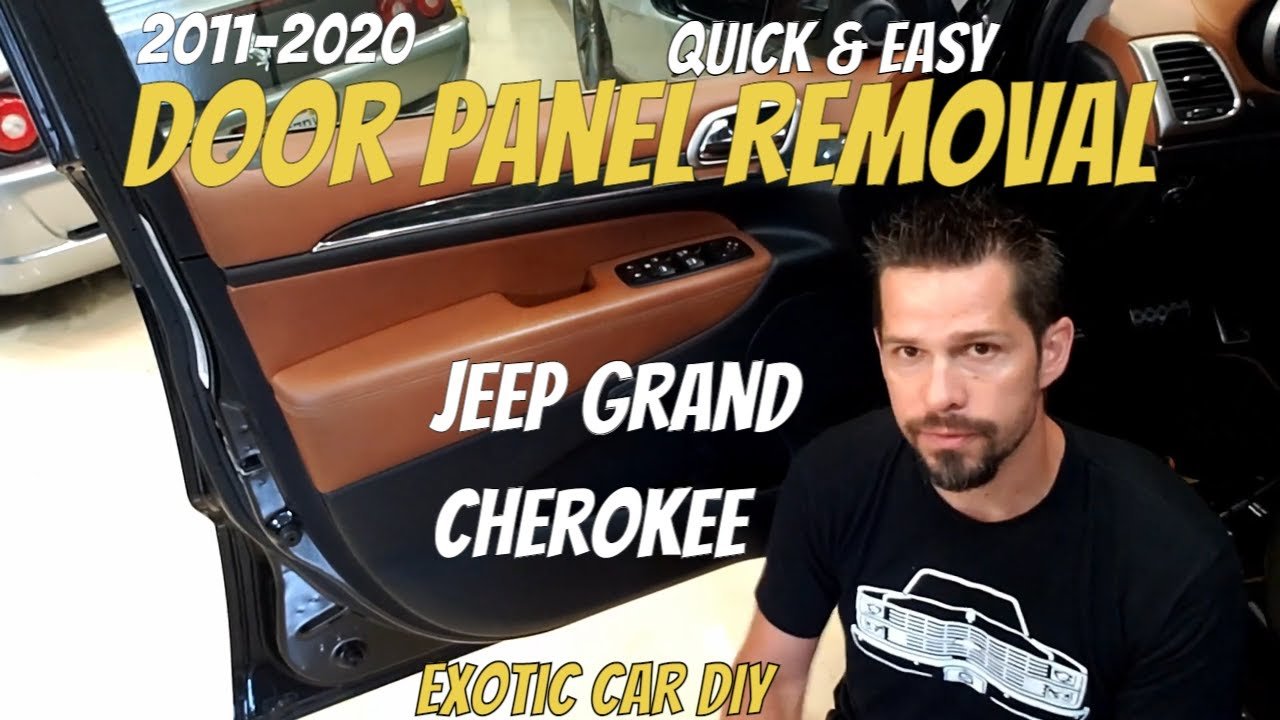
Removing the door panel from a Jeep Cherokee is a task many drivers face, especially when fixing window problems, replacing speakers, or checking wiring. If you do it carefully, you can avoid breaking clips or damaging the interior.
This guide walks you through the process step by step, shares helpful tips, and answers common questions. Whether you have basic DIY skills or are new to car maintenance, you’ll find clear instructions and practical advice to help you get the job done safely.
Tools And Preparation
You don’t need many tools, but having the right ones makes the job easier and safer. Here’s what you should gather before starting:
- Phillips screwdriver
- Flathead screwdriver
- Trim removal tool (plastic preferred)
- Torx driver (usually T20 or T25)
- Panel clip pliers (optional)
- Small container for screws and clips
Make sure your Jeep Cherokee is parked safely and the window is up. Disconnect the battery if you plan to touch electrical parts like switches or speakers.
Step-by-step Door Panel Removal
Each year and model may look slightly different, but these steps work for most Jeep Cherokee (1997–2021).
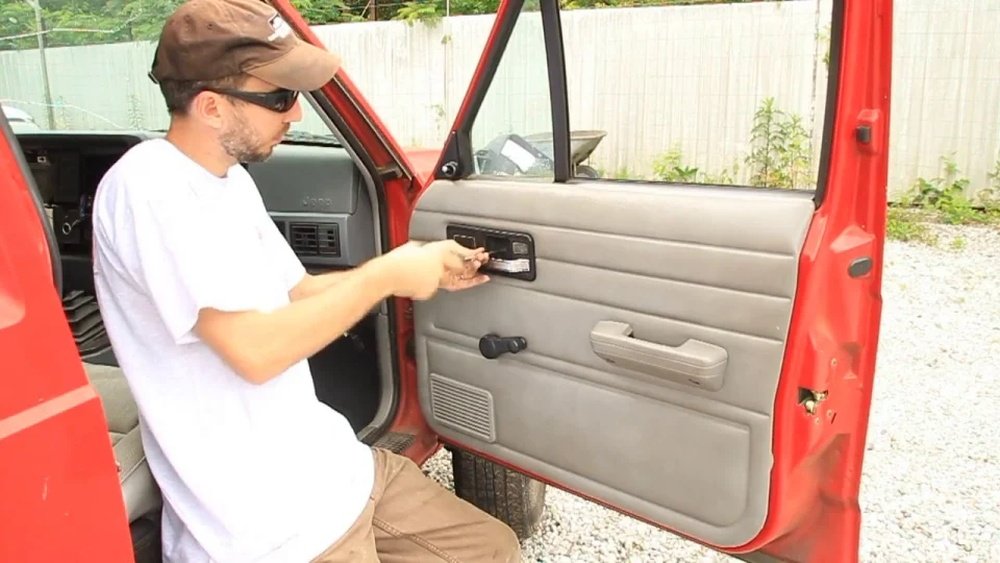
1. Remove Visible Screws
Look for screws near the door handle, armrest, and bottom edge of the panel. Most screws are Phillips or Torx. Remove them and keep them in your container.
2. Pry Off Trim Pieces
Some Cherokees have a small trim piece behind the door handle or around the window controls. Use a trim removal tool to gently lift these pieces. Avoid metal tools, as they can scratch plastic.
3. Disconnect Electrical Connections
If your model has power windows or locks, you’ll see wiring connected to the switch panel. Carefully unplug connectors by pressing the release tab.
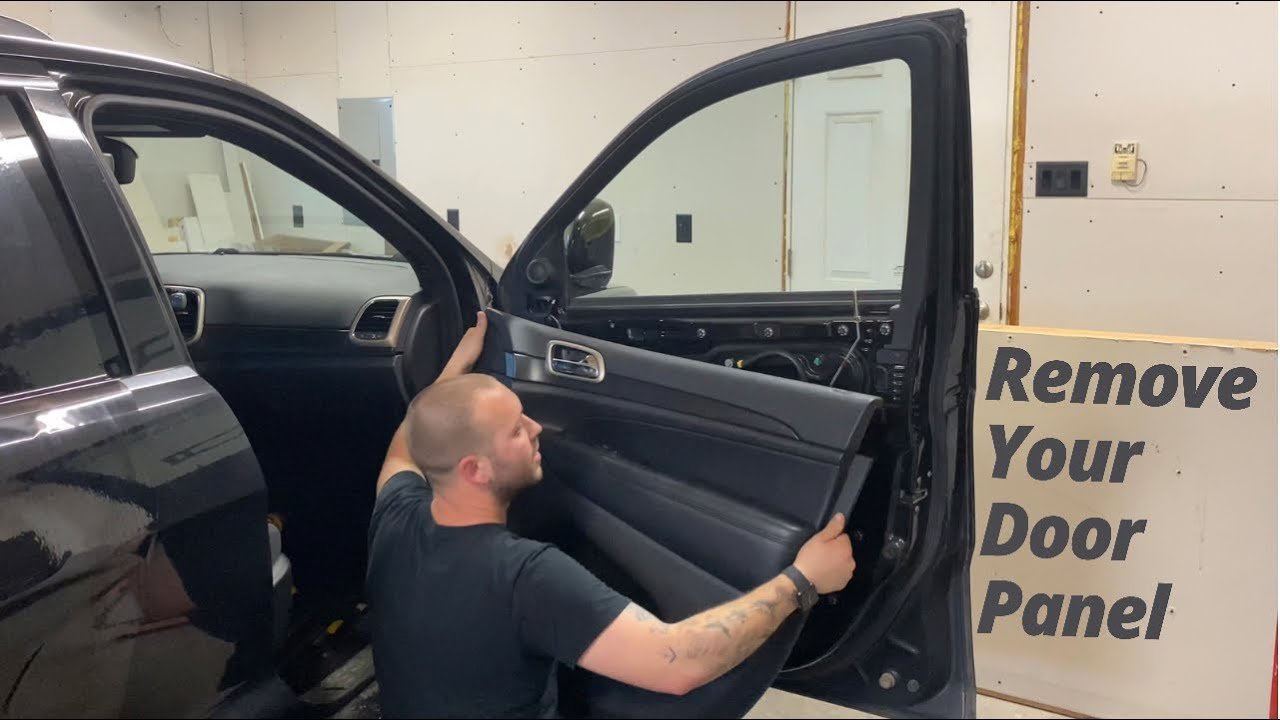
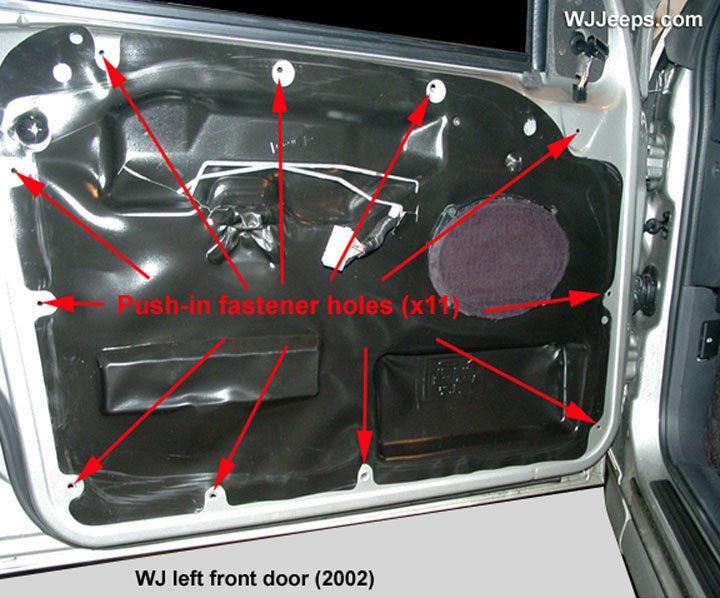
4. Release Door Panel Clips
The door panel is held by several clips around the edges. Slide your trim tool between the panel and the metal door.
Gently pry until you feel a clip pop loose. Move around the panel, releasing each clip.
Some clips can break if forced work slowly.
5. Lift Off The Panel
Once clips and screws are removed, lift the panel up and away from the door. Most panels need to be lifted vertically to clear the window lip.
6. Remove The Vapor Barrier
Behind the panel, there’s usually a plastic sheet called the vapor barrier. Peel it back gently if you need access to the window or wiring. Don’t tear it; it protects against moisture.
Common Mistakes And How To Avoid Them
Many beginners damage their door panels because they rush or use the wrong tools. Here are mistakes to watch for:
- Using metal tools can scratch the interior.
- Forgetting to disconnect the battery can cause electrical shorts.
- Breaking clips by prying too hard or at the wrong angle.
- Losing screws or clips—always use a container.
A non-obvious tip: If clips break, you can buy replacements online or from a dealership. They’re inexpensive and help keep the panel tight.
Data: Cherokee Door Panel Clip Types
Different Jeep Cherokee years use various clip types. Here’s a quick comparison:
| Year Range | Clip Type | Approx. Number per Door |
|---|---|---|
| 1997–2001 | Plastic push-in | 7–10 |
| 2002–2012 | Metal + plastic hybrid | 8–12 |
| 2014–2021 | Wide plastic | 8–13 |
Extra Tips For A Smooth Process
- Take photos as you remove each piece. This helps you remember where everything goes.
- If the panel feels stuck, double-check for hidden screws near the bottom or inside the handle.
- Clean the inside of the door before reattaching the panel. Dust and debris can cause rattling.
- Use gloves to avoid leaving fingerprints or smudges.
Table: Comparison Of Panel Removal Time
How long should you expect to spend? Here’s a quick overview:
| Experience Level | Estimated Time | Difficulty |
|---|---|---|
| Beginner | 45–60 minutes | Moderate |
| Intermediate | 25–40 minutes | Easy |
| Expert | 15–25 minutes | Very Easy |
When To Call A Professional
If you notice unusual resistance, wires that seem stuck, or you’re worried about airbags (some panels have side airbags), consider calling a mechanic. Sometimes, forcing a panel can break expensive parts or cause electrical issues.
Reinstallation Tips
After your repair or upgrade, reinstalling the panel is nearly the reverse process. Remember:
- Line up the clips before pushing the panel back.
- Reconnect all electrical connectors.
- Replace broken clips for a tight fit.
- Screw everything in securely, but don’t over-tighten to avoid cracking plastic.
A detail many miss: test window and lock functions before putting all screws back. If something isn’t working, it’s easier to fix with the panel off.
Where To Find Jeep Cherokee Parts
Replacement clips, panels, and trim pieces are available online, at dealerships, or local auto parts stores. For genuine parts and diagrams, the official Jeep website is helpful. For further information, visit Jeep.com.
Frequently Asked Questions
How Do I Know If I Need To Remove The Vapor Barrier?
If you’re fixing the window or wiring inside the door, you’ll need to peel back the vapor barrier. For speaker upgrades or handle repairs, it’s often not necessary.
Can I Reuse Old Door Panel Clips?
Some clips can be reused if not broken. However, old clips may lose their grip and cause rattling.
It’s best to replace any that look damaged or loose.
Will Removing The Door Panel Affect My Side Airbags?
If your Jeep Cherokee has side airbags in the door, be extra careful. Disconnect the battery and avoid pulling on airbag wires. If unsure, seek professional help.
What Should I Do If A Screw Is Stripped?
A stripped screw can be removed with a screw extractor tool. Avoid forcing it, as this can damage the panel or mounting area.
How Can I Make The Panel Fit Tightly After Reinstallation?
Use new clips where needed and press firmly around the edges. If the panel is still loose, check for missed screws or misaligned clips.
Removing a Jeep Cherokee door panel is manageable for most drivers with patience and the right tools. With these steps, you’ll avoid common mistakes and finish the job smoothly. Remember, planning and careful handling are key to keeping your interior looking great and your door working as it should.