Getting the top on your Jeep can feel tricky if you’re new to it. Whether you’re putting on a soft top or a hard top, the process needs care and patience. Doing it right keeps your Jeep safe from rain, dust, and wind. Many drivers struggle with stuck zippers or heavy tops—but with a little guidance, you can avoid the common mistakes and make your Jeep ready for any weather.
Types Of Jeep Tops
Jeep tops come in different styles. Each has its own process and benefits. Let’s look at the two main types:
| Type | Material | Ease of Installation | Weather Protection |
|---|---|---|---|
| Soft Top | Fabric (vinyl, canvas) | Easy | Good (not perfect) |
| Hard Top | Fiberglass or plastic | Medium (needs help) | Excellent |
Soft tops are flexible and light. They’re good for summer and quick changes. Hard tops are heavy but strong. They keep your Jeep safe from snow, rain, and theft.
Preparing For Installation
Before you start, gather the right tools. Most Jeep tops need:
- Socket wrench
- Screwdriver
- Microfiber cloth
- Lubricant (for zippers and hinges)
- A friend (especially for hard tops)
Check your Jeep’s manual for exact instructions. Some models, like the Wrangler JL, have special clips or bolts. Clean the frame and seals before installation. Dirt and old grease can cause leaks.
If your Jeep is older, check for rust or damage on the mounting points. Fix these before you put the top on. This is a step many beginners forget, but it prevents future problems.

Step-by-step: Putting On A Soft Top
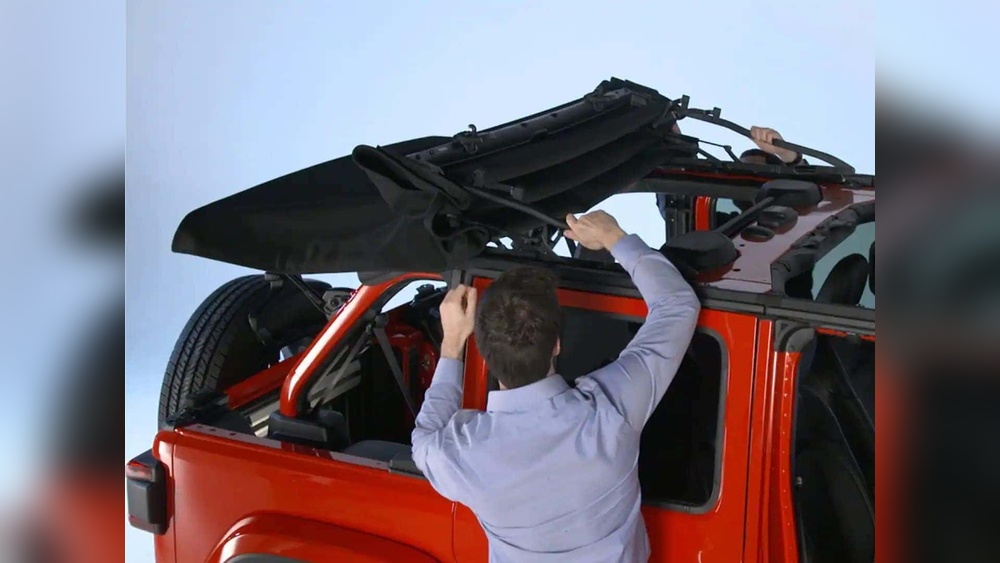
Soft tops are popular for their easy installation. Here’s how you do it:
- Lay out the top: Put the soft top flat on clean ground. Check for tears or missing parts.
- Install the frame: Attach the metal frame to the Jeep. Use the bolts and clips provided.
- Position the top: Drape the fabric over the frame. Line up the edges with the Jeep’s body.
- Secure the sides: Zip or snap the sides in place. Start from the back and move forward.
- Fasten the rear window: Slide the window panel into its channel. Zip it fully.
- Check seals: Press down on all edges to ensure a tight fit.
Many people miss step 6. Not checking seals can lead to leaks after the first rain.
Step-by-step: Putting On A Hard Top
Hard tops are heavier and need more care. Most weigh between 100-150 pounds. You’ll need help.
- Remove old top: If you have a soft top, take it off fully.
- Lift the hard top: With a friend, lift the hard top onto the Jeep. Align the holes with the body.
- Bolt down the top: Use the provided bolts. Tighten evenly but don’t over-tighten.
- Connect wiring: Some hard tops have rear defroster or wiper wires. Plug these in.
- Inspect seals: Run your fingers along the edge. Make sure the rubber seals sit flat.
A common mistake is forgetting the wiring. Without connecting wires, features like the rear wiper won’t work.

Comparing Soft Top Vs Hard Top Installation
Here’s a quick look at the differences:
| Step | Soft Top | Hard Top |
|---|---|---|
| Weight | 20-40 lbs | 100-150 lbs |
| Time Required | 20-40 minutes | 30-60 minutes |
| Tools Needed | Minimal | Socket wrench, screwdriver |
| Help Needed | No | Yes |
Hard tops are best for winter or rough weather. Soft tops are more flexible for daily changes.
Practical Tips For A Smooth Installation
- Warm up the fabric: If you’re installing a soft top in cold weather, warm the fabric in the sun first. Cold fabric is stiff and hard to stretch.
- Lubricate zippers and hinges: Use silicone spray. This prevents sticking and makes removal easier.
- Store bolts safely: Jeep bolts are unique. Keep them in a marked bag. Losing one can make removal difficult.
- Check alignment: After installing, drive slowly and listen for wind noise. Misaligned tops can whistle at high speed.
Most beginners rush the process. Taking your time prevents mistakes and saves money.
Common Problems And Solutions
Even experienced Jeep owners face issues:
- Leaking roof: Check seals and tighten bolts. Apply weather stripping if needed.
- Stuck zippers: Use silicone spray. Don’t force; it can tear the fabric.
- Loose top: Recheck all fasteners. Sometimes a bolt is missed.
- Heavy hard top: Use a hoist or ask for help. Don’t lift alone.
If you face persistent problems, check forums or guides. The official Jeep website also offers help and videos.
Aftercare And Maintenance
A Jeep top needs regular care:
- Clean both soft and hard tops monthly.
- Inspect seals and hinges after every season.
- For fabric tops, use mild soap and water. Avoid harsh chemicals.
- For hard tops, check for cracks or chips after off-road trips.
Some drivers ignore maintenance after installation. But regular checks can add years to your Jeep top’s life.

Frequently Asked Questions
How Many People Are Needed To Put On A Hard Top?
You need at least two people. Hard tops are heavy and awkward. Trying to lift alone can cause injuries or damage your Jeep.
Can I Use A Power Tool For Installation?
Yes, but be careful. Use a low-torque setting. Over-tightening bolts can crack the hard top or strip the threads.
What’s The Best Weather For Installing A Soft Top?
Warm, dry days are best. Cold or wet weather makes fabric tops stiff and harder to stretch over the frame.
How Do I Prevent Leaks After Installation?
Check all rubber seals and fasteners. Apply weather stripping where needed. Inspect after the first rain for signs of leaks.
Are All Jeep Tops Interchangeable?
No. Tops are designed for specific models and years. Always check compatibility before buying or installing. For more details on model compatibility, visit the official Jeep owners site.
Putting a Jeep top on is easier with the right tools, help, and knowledge. Take your time, follow the steps, and check your work. Whether you choose a soft top or hard top, the process gets easier with practice. Enjoy the freedom and protection your Jeep top gives—ready for every adventure.