Jeep owners love adventure, and fog lights can make night drives safer and easier. But adding or upgrading fog lights can feel confusing—especially if you’re new to vehicle modifications. If you want to put in Jeep fog lights yourself, this guide will help you understand the process, avoid common mistakes, and get the job done right. You’ll learn about selecting the right fog lights, tools you need, step-by-step installation, and how to keep your lights working well for years.
Why Fog Lights Matter For Jeeps
When you drive a Jeep, you often face fog, rain, snow, or dust. Regular headlights can reflect off these particles, making it harder to see. Fog lights are designed to shine low and wide, lighting up the road directly in front of you. This reduces glare and helps you see obstacles sooner.
Jeep fog lights are especially important if you:
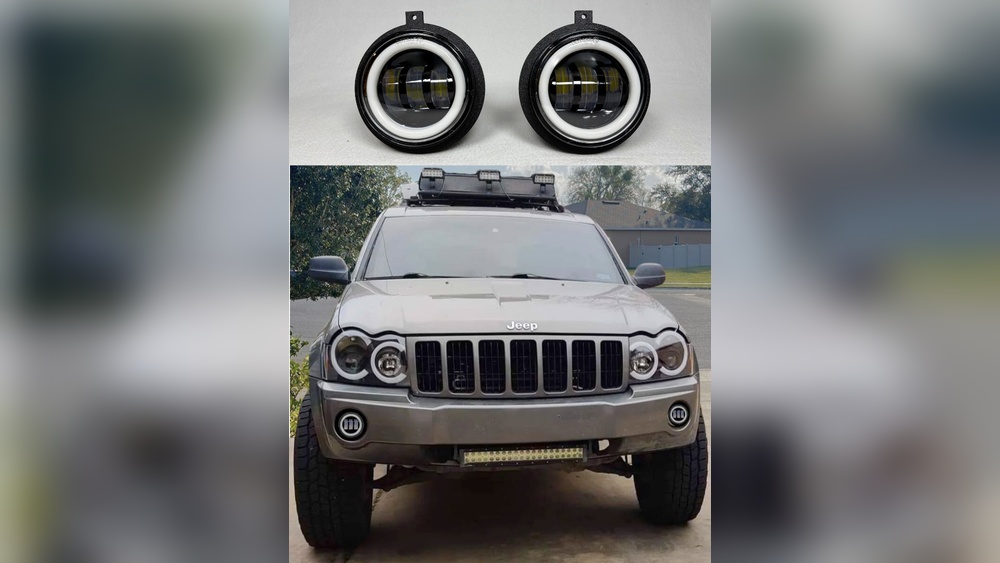
- Drive off-road at night
- Live in areas with frequent fog or storms
- Want better visibility for early morning or late evening trips
A study by the National Highway Traffic Safety Administration found that improved lighting can reduce accidents by up to 12% in poor weather. That’s a big reason to consider upgrading your Jeep’s fog lights.
Choosing The Right Fog Lights For Your Jeep
Not all fog lights are the same. To get the best results, it’s important to pick lights that fit your Jeep model and your needs. Here are the main types:
| Type | Brightness (Lumens) | Color Temperature | Price Range | Best For |
|---|---|---|---|---|
| Halogen | 700-1200 | 3000K (Warm) | $25–$60 | Budget, easy replacement |
| LED | 1200–3000 | 6000K (White) | $50–$150 | High brightness, durability |
| HID | 2000–3500 | 5000K (Neutral) | $80–$200 | Maximum brightness |
Most new Jeeps use LED fog lights because they are brighter, last longer, and use less power. For older Jeeps, halogen or HID may be more common.
Before buying, check:
- Your Jeep’s year and model (for fitment)
- Local regulations (some states limit color or brightness)
- Reviews from other Jeep owners
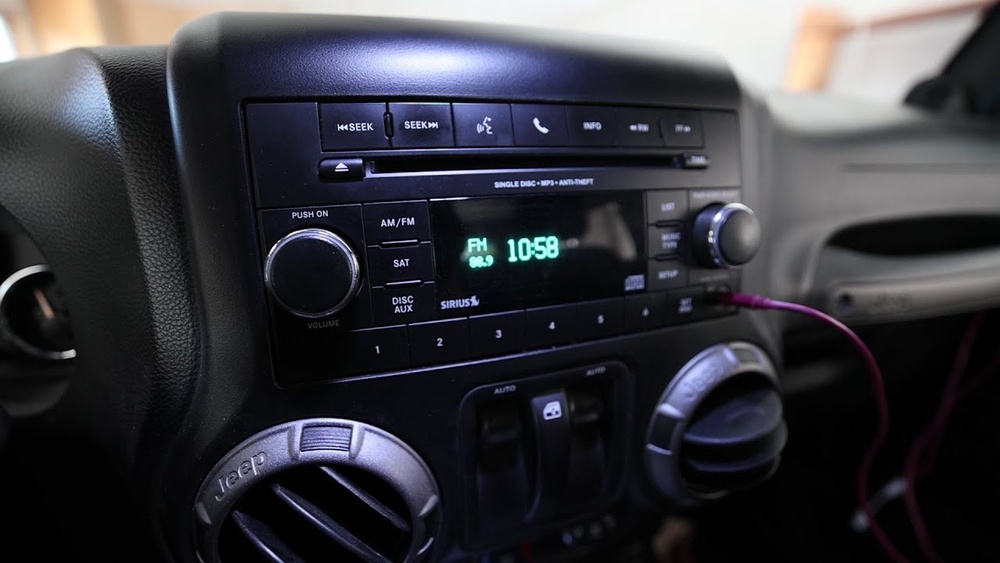
A non-obvious tip: Some LED fog lights can cause radio interference. If you listen to AM/FM while driving, look for “EMC shielded” lights to avoid this problem.
Tools And Materials Needed
Installing fog lights is easier with the right tools. Gather these before you start:
- Fog light kit (includes lights, wiring, and mounting brackets)
- Screwdrivers (flat and Phillips)
- Socket wrench set
- Wire stripper and crimper
- Electrical tape
- Zip ties
- Drill (sometimes needed for mounting)
- Test light or multimeter (for checking connections)
- Safety gloves
Some kits include extra wiring for older Jeeps without factory fog lights. Double-check what’s inside before you begin.
Preparing Your Jeep For Installation
Before installing, park your Jeep on a flat surface and turn off the engine. Disconnect the negative battery cable to prevent electrical shocks. This is a step many beginners skip, but it protects both you and your Jeep’s electronics.
Clean the fog light mounting area. Dirt or rust can prevent proper installation and cause problems later. If your Jeep already has fog lights, remove them gently don’t force the old brackets or wires.
Here’s a simple checklist:
- Park and secure the Jeep.
- Disconnect the battery.
- Clean mounting surfaces.
- Remove old fog lights (if present).
Step-by-step Jeep Fog Light Installation
The actual installation depends on your Jeep’s year and model. But most fog light kits follow these steps:
1. Mounting The Fog Lights
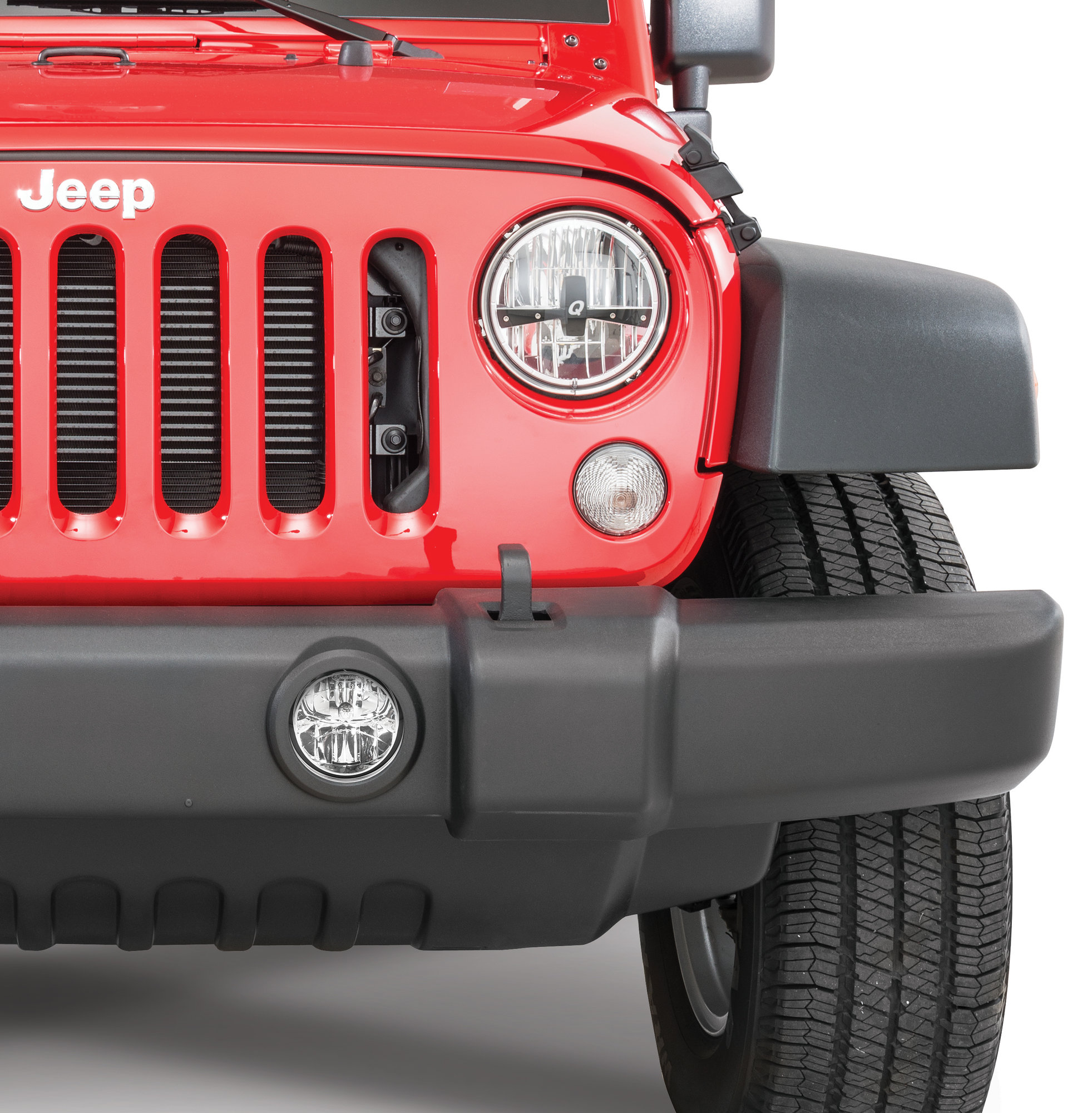
Locate the factory fog light openings in your Jeep’s bumper. If your Jeep doesn’t have them, you may need to drill new holes or install aftermarket brackets.
- For factory-fit kits: Align the light with the hole, secure with screws or clips.
- For universal kits: Use the supplied bracket, mark the position, and drill as needed.
Make sure both lights are straight and at the same height. Uneven lights can create shadows and reduce visibility.
2. Wiring The Fog Lights
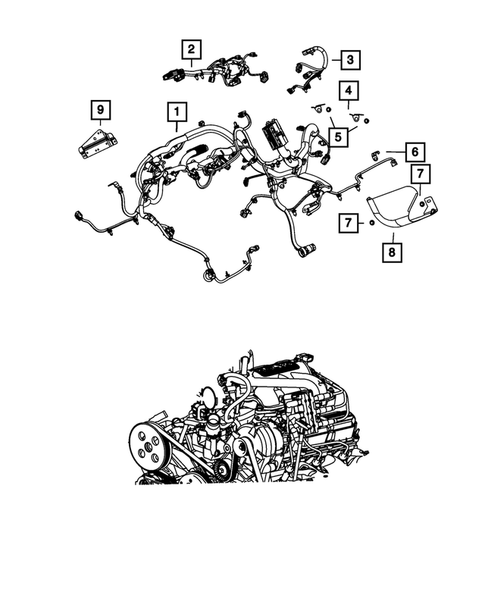
Most fog lights connect to your Jeep’s wiring harness. If not, you’ll need to run wires yourself:
- Connect the positive wire (usually red) to the fog light switch or relay.
- Connect the negative wire (black) to a ground point—metal near the bumper.
- Use wire strippers to remove insulation, crimp connectors securely.
- Wrap connections with electrical tape for weather protection.
A relay is often included to prevent overloading your Jeep’s switches. Place the relay near the battery, away from heat and moving parts.
3. Installing The Switch
If your Jeep does not have a fog light switch, install the one in your kit:
- Choose a spot inside your cabin (dashboard or near steering wheel).
- Drill a small hole if needed.
- Run wires from the lights, through the firewall, to the switch.
- Secure the switch with screws or adhesive.
Many beginners forget to use a rubber grommet when passing wires through the firewall. This simple part prevents wire damage from sharp edges.
4. Testing The System
Reconnect the battery. Turn on the fog lights using the new switch. Check both lights for brightness and alignment.
If the lights don’t turn on, check:
- Wiring connections
- Fuse in the fog light circuit
- Relay placement
Use a test light or multimeter to check for power at each step.
5. Adjusting And Securing
Aim the fog lights so they shine low and wide. Tighten all mounting bolts. Use zip ties to secure loose wires, keeping them away from moving parts and hot surfaces.
Here’s a summary of the installation workflow:
| Step | Action | Tools Needed |
|---|---|---|
| Mount | Install lights in bumper openings | Screwdriver, drill |
| Wire | Connect to power and ground | Wire stripper, crimper, tape |
| Switch | Install inside cabin | Drill, screwdriver |
| Test | Check lights function | Multimeter, test light |
| Secure | Adjust and tidy wires | Zip ties |
Common Mistakes And How To Avoid Them
Many Jeep owners make mistakes during installation. Here are a few to watch out for:
- Skipping battery disconnect: This can cause shocks or damage electronics.
- Poor wire connections: Loose or exposed wires can lead to short circuits or fires.
- Wrong bulb type: Using bulbs not rated for your Jeep can cause overheating.
- Misaligned lights: If not aimed correctly, fog lights can blind other drivers or be ineffective.
- No relay: Without a relay, your Jeep’s switches may fail over time.
A smart tip: After installation, check your fog lights after the first heavy rain. Water inside the lens means a faulty seal—replace or reseal to avoid electrical issues.
Tips For Long-term Fog Light Performance
To keep your fog lights working well:
- Clean lenses regularly with glass cleaner.
- Check for moisture inside the housing.
- Tighten mounting bolts every few months.
- Inspect wiring for wear or damage.
- Replace bulbs with the same type and wattage.
If you drive off-road, consider adding a stone guard to protect the lights from rocks and debris. Some Jeep owners also install a secondary fuse for extra protection.
Another insight: LED fog lights can last up to 50,000 hours, but only if kept cool. If your lights are near the exhaust or engine, make sure there’s enough airflow.
Jeep Fog Light Comparison: Factory Vs Aftermarket
Jeep owners often wonder whether to stick with factory fog lights or upgrade to aftermarket ones. Here’s a quick comparison:
| Feature | Factory | Aftermarket |
|---|---|---|
| Fitment | Perfect | Varies |
| Brightness | Good | Excellent |
| Customization | Limited | High |
| Price | Higher | Lower or higher |
| Warranty | Dealer | Varies |
If you want easy installation and don’t need extra brightness, factory fog lights are a safe choice. If you want more options, style, or power, aftermarket kits are better but always check compatibility.
Legal And Safety Considerations
Fog lights must follow local laws about brightness, color, and placement. In some states, using colored fog lights (like blue or yellow) is illegal. Always check your state’s vehicle code before installing.
Also, fog lights should be used only in low-visibility conditions. Using them all the time can annoy other drivers and get you a ticket.
For more information about vehicle lighting laws, visit the NHTSA Lighting Regulations.
Frequently Asked Questions
What’s The Best Fog Light Type For My Jeep?
The best type depends on your needs. LED fog lights are popular for their brightness and long life. Halogen is cheaper but less powerful. HID offers maximum brightness, but is pricier and harder to install.
Can I Install Fog Lights Myself?
Yes, most Jeep owners can install fog lights with basic tools. Follow instructions carefully, disconnect the battery, and double-check wiring. If you’re unsure, ask a mechanic for help.
Do Fog Lights Drain My Jeep’s Battery?
Fog lights use power, but modern LEDs are efficient. If you wire them correctly and use a relay, your battery will be safe. Avoid leaving them on when parked.
Are Aftermarket Fog Lights Better Than Factory Lights?
Aftermarket fog lights can offer more brightness and style options. However, factory lights fit perfectly and follow Jeep’s standards. Choose based on your budget and needs.
How Do I Aim My Jeep Fog Lights Correctly?
Aim fog lights low and wide, so the beam covers the road just ahead of your Jeep. Avoid shining directly into oncoming traffic. Use the adjustment screws on the light housing, and check alignment at night.
Adding fog lights to your Jeep is a smart upgrade for both safety and style. With careful planning, the right tools, and proper installation, you’ll enjoy better visibility in every adventure. Take your time, follow each step, and double-check your work.
Your Jeep will be ready for any weather, day or night.