Flushing the heater core in your Jeep Liberty is a smart way to keep your heating system working well and prevent bigger problems. Over time, your heater core can fill with rust, scale, and debris. This can lead to weak heat or even leaks. Luckily, you can flush the heater core yourself with some basic tools and a little patience. This guide will show you how, even if you’re not a mechanic.
Why Flush Your Jeep Liberty Heater Core?
The heater core works like a small radiator. Hot coolant flows through it, and your car’s fan blows air over the core to heat the cabin. When the core gets clogged, you might notice:
- Weak or no heat from vents
- A sweet smell inside the car
- Foggy windows
- Coolant leaks on the passenger floor
A regular flush helps extend the life of the heater core and keeps your Jeep Liberty comfortable in cold weather.
Tools And Materials You’ll Need
Gather these items before you start:
- Garden hose with spray nozzle
- Two short hoses (5/8-inch and 3/4-inch)
- Bucket or drain pan
- Pliers or hose clamp tool
- Gloves and safety glasses
- Rags or towels
You don’t need special chemicals for a basic flush. For stubborn blockages, a mild radiator flush solution is helpful, but always check your vehicle’s manual.
Preparing Your Jeep Liberty
Start with a cool engine. Hot coolant can burn you.
Park your Jeep on a flat surface, set the parking brake, and pop the hood.
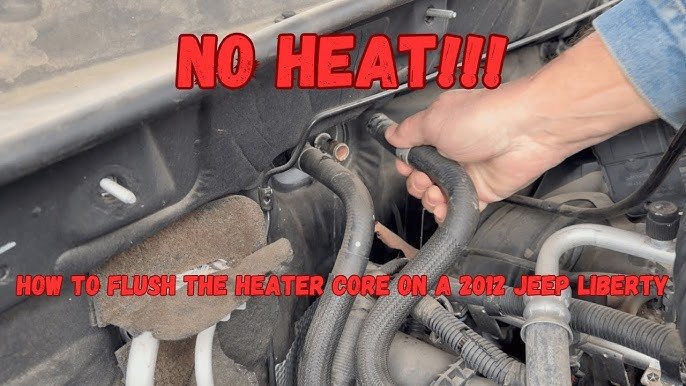
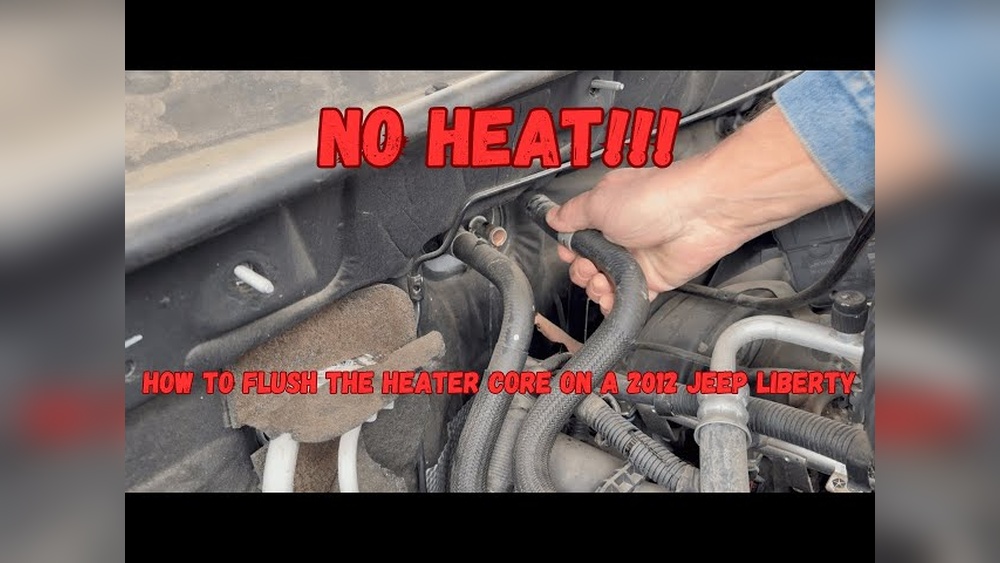
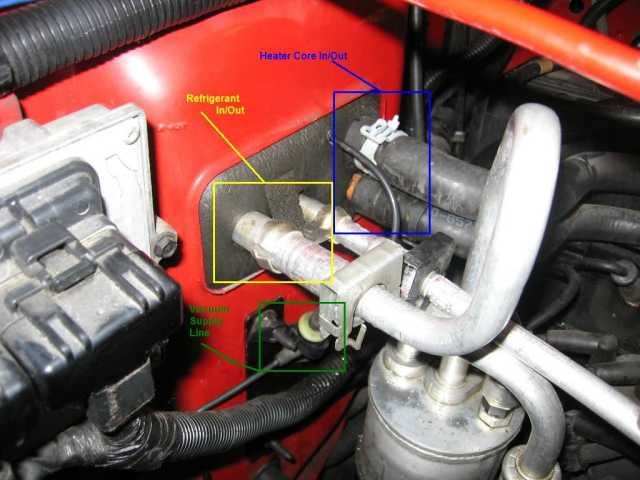
Locate the heater core hoses at the firewall, behind the engine. On a Jeep Liberty, you’ll usually find two hoses: one for coolant going in, one for coolant coming out.
How To Flush The Heater Core: Step-by-step
Follow these steps for a safe and effective flush.
1. Disconnect The Heater Hoses
Use pliers or a hose clamp tool to loosen the clamps. Gently twist and pull the hoses off the heater core pipes.
Keep a bucket handy to catch any coolant.
2. Identify Inlet And Outlet
Usually, the inlet hose connects to the engine, and the outlet returns to the water pump or thermostat. If unsure, check your manual or feel which hose is hotter after running the heater.
3. Attach Garden Hose
Connect your garden hose to the outlet side of the heater core with a short hose to fit snugly. Place the other hose on the inlet and aim it into your bucket to catch dirty coolant.
4. Flush In Both Directions
Turn on the water gently. Let clean water flow through the core until it runs clear from the other side.
Reverse the hoses and flush in the other direction. This helps push out stubborn debris.
5. Repeat If Needed
If water still looks dirty, repeat the process. Take your time rushing can force debris deeper into the core.
6. Reconnect Hoses And Fill Coolant
Remove the garden hose and reconnect the heater hoses. Tighten the clamps securely.
Top off the coolant in your radiator and overflow tank.
7. Check For Leaks And Test Heat
Start the engine and let it warm up. Check for leaks at the hose connections.
Turn on the heater hot air should blow strongly if the flush worked.
Common Issues And Troubleshooting
Sometimes, a flush doesn’t fix all heating problems. The table below compares signs of a clogged heater core versus other common issues.
| Symptom | Likely Cause |
|---|---|
| No heat, both hoses cold | Thermostat stuck open or low coolant |
| No heat, one hose hot, one cold | Clogged heater core |
| Wet floor, sweet smell | Heater core leak |
| Engine overheating | Coolant flow issue or radiator problem |
If your heater core is leaking, flushing won’t fix it you’ll need a replacement.
Safety And Environmental Tips
Never flush coolant onto the ground. Used coolant is toxic for pets, wildlife, and the environment.
Pour used coolant into a sealed container and take it to a recycling center.
Wear gloves and safety glasses to protect your skin and eyes. Even a small splash of hot coolant can cause burns.
How Often Should You Flush?
Most experts recommend flushing the cooling system every 30,000 miles or every 2–3 years. If you drive in dusty or extreme climates, check your coolant more often. The table below shows a basic maintenance timeline.
| Maintenance Task | Mileage/Time |
|---|---|
| Coolant flush | 30,000 miles / 2–3 years |
| Heater core flush | As needed (if heat is weak) |
| Radiator inspection | Every oil change |
Two Insights Most Beginners Miss
First, even if your Jeep Liberty’s engine runs cool, a partially clogged heater core can mean you still get only lukewarm air. Don’t assume the whole system is fine just because the temperature gauge looks normal.
Second, many people forget to “burp” the cooling system after a flush. Air pockets can block coolant flow and cause overheating.
To burp, run the engine with the radiator cap off until the thermostat opens and air escapes watch for bubbles, then top off coolant.
When To Seek Professional Help
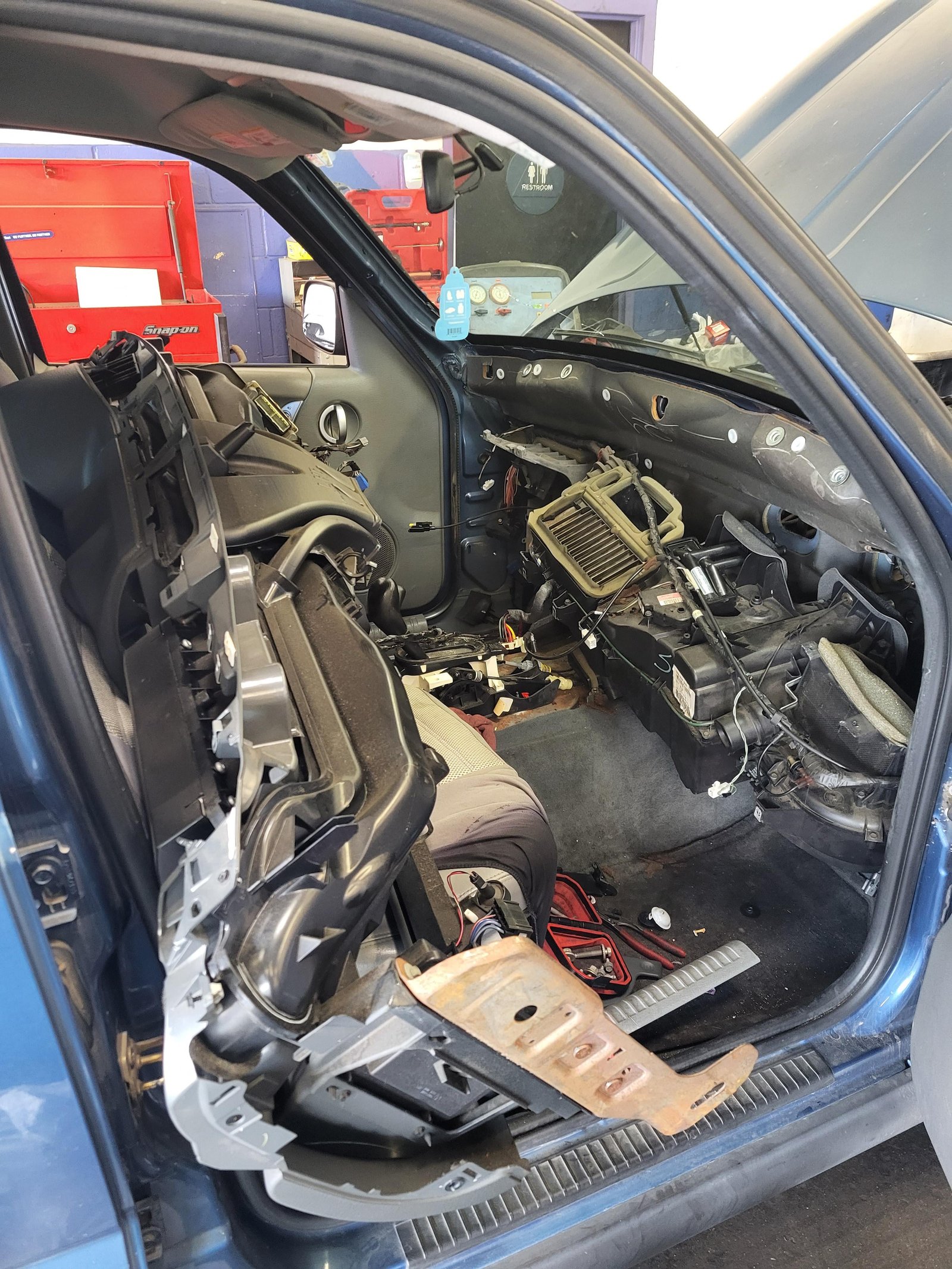
If you see coolant leaking inside the car, or if heat does not improve after a flush, the heater core may be damaged. Replacing the heater core is much more complex and often requires removing the dashboard.
In these cases, a professional mechanic is your best option.
For further reading on the role of the heater core in automotive heating systems, see this detailed overview from Wikipedia.
Frequently Asked Questions
How Long Does It Take To Flush The Heater Core In A Jeep Liberty?
Most people can finish the flush in about one hour. If it’s your first time, allow for up to two hours, including clean-up and checking for leaks.
Can I Use Vinegar Or Chemicals To Flush The Heater Core?
A mild chemical flush can help with tough blockages, but always use one approved for aluminum radiators. Never use vinegar, as it can corrode metal and rubber parts.
What If I Still Have No Heat After Flushing?
If heat is still weak, check the thermostat, blend door, or heater control valve. Persistent problems may mean the heater core is too clogged or leaking and needs replacement.
Will Flushing The Heater Core Fix A Coolant Leak?
No. Flushing only removes debris and scale.
If your heater core is leaking, you’ll need to replace it.
How Do I Know Which Hose Is The Inlet And Which Is The Outlet?
The inlet hose usually feels hotter after the engine runs and often connects to the engine or thermostat housing. The outlet returns to the water pump. If unsure, check your Jeep Liberty’s service manual.
With some patience and the right steps, you can keep your Jeep Liberty’s heater core clean and your cabin warm for years to come.