Unlocking the hood of a Jeep might sound simple, but many owners find it tricky—especially if they’re new to the vehicle or dealing with an older model.
Whether you need to check the engine, top off fluids, or troubleshoot a problem, knowing how to unlatch Jeep hood safely is essential.
Mistakes can lead to broken latches or even minor injuries. This guide explains the process step-by-step, highlights common mistakes, and compares Jeep hood mechanisms with other vehicles.
With clear instructions and practical advice, you'll gain confidence for routine maintenance or emergencies.
Understanding Jeep Hood Latch Mechanisms
Jeep vehicles have unique hood latch designs compared to many other cars. Most Jeep models, like the Wrangler, use exterior latches combined with a secondary safety catch under the hood. This dual system prevents accidental opening while driving.
Let’s compare Jeep hood latch systems to typical sedan and truck latches:
| Vehicle Type | Latch Location | Secondary Safety | Common Issues |
|---|---|---|---|
| Jeep Wrangler | Exterior (side panels) | Yes (under hood) | Rust, tight latches |
| Sedan | Interior (under dash) | Yes (under hood) | Cable breakage |
| Pickup Truck | Interior (under dash) | Yes (under hood) | Cable loosening |
Many Jeep owners struggle because they expect a lever inside the cabin, like sedans. Instead, Jeeps often require you to release latches outside the vehicle.
Step-by-step Guide: Unlatching Your Jeep Hood
Follow these steps to safely unlatch Jeep hood:
1. Park Securely
Always park your Jeep on level ground. Turn off the engine and set the parking brake.
This reduces risk, especially if you need to reach under the hood.
2. Locate Exterior Latches
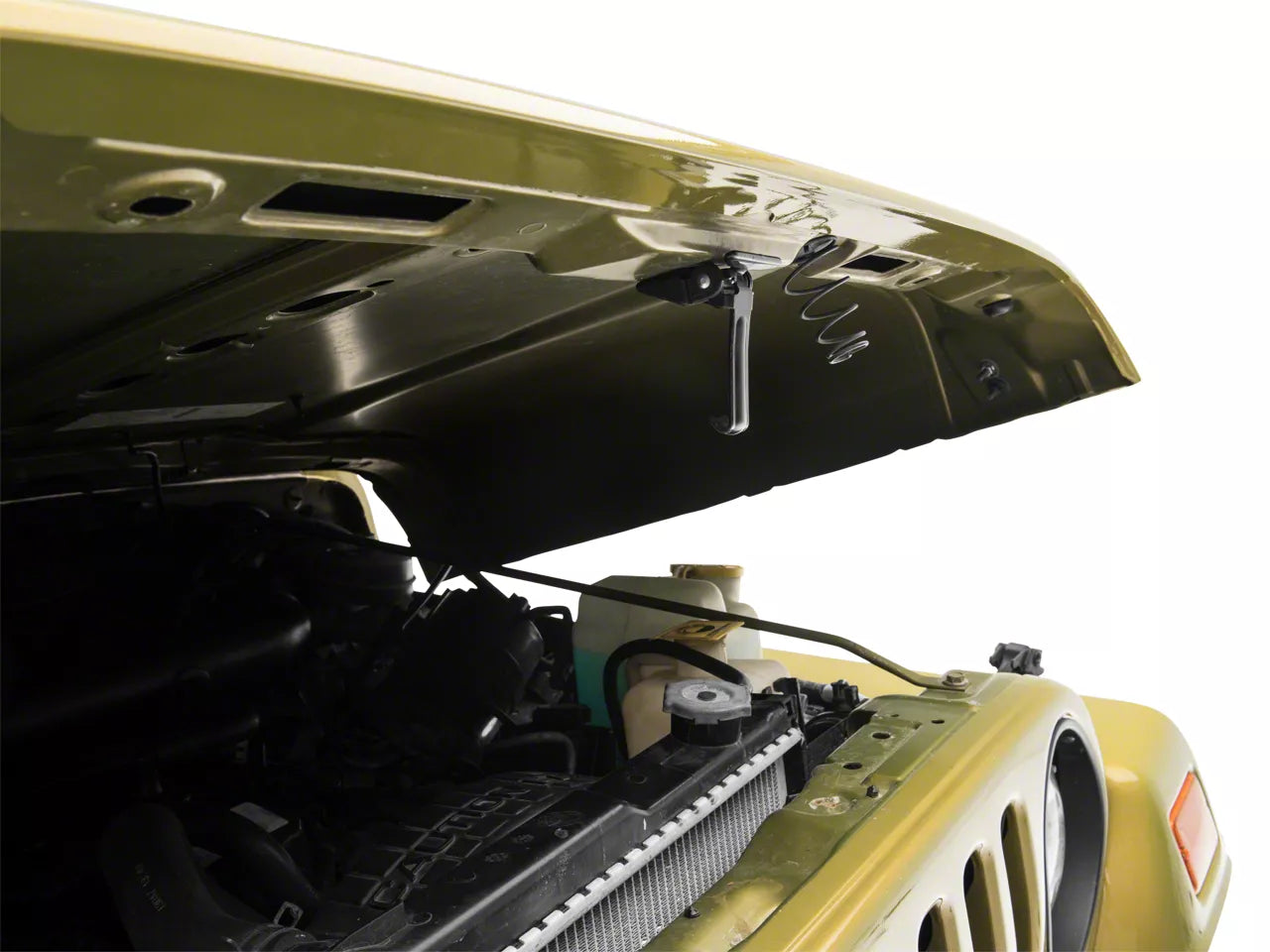
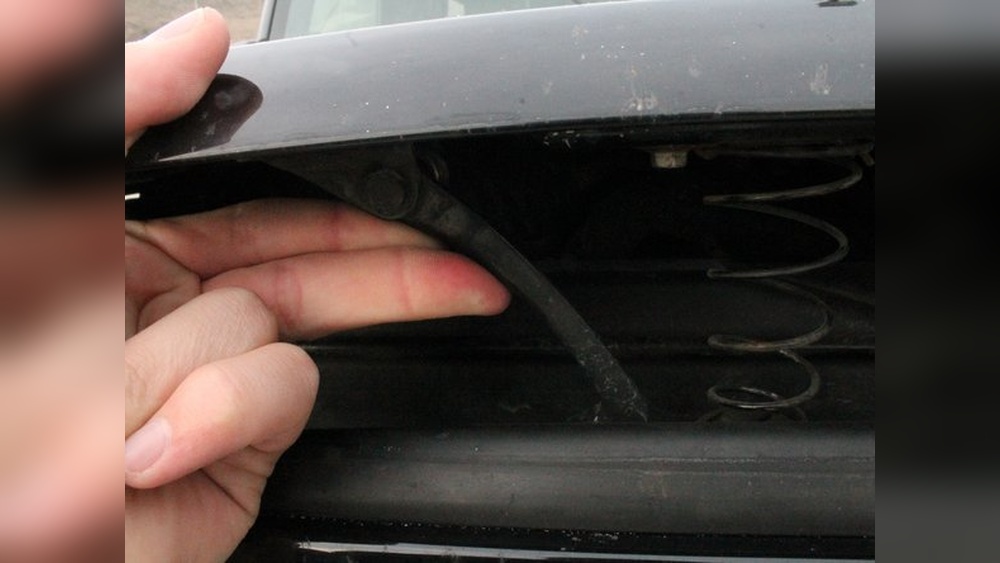
For most Jeep Wranglers and Cherokees, the hood has two exterior latches on both sides, near the windshield. These are rubber or metal hooks.
3. Release The Latches
Grip each latch firmly. Pull outward and then down, freeing the hook from the hood.
If the latch is tight, wiggle gently do not force. For older Jeeps, lubricate the latch if it feels stiff.
4. Lift The Hood Slightly
After both latches are released, lift the hood about 1-2 inches. You’ll feel resistance from the secondary safety catch.
5. Find And Release The Safety Catch
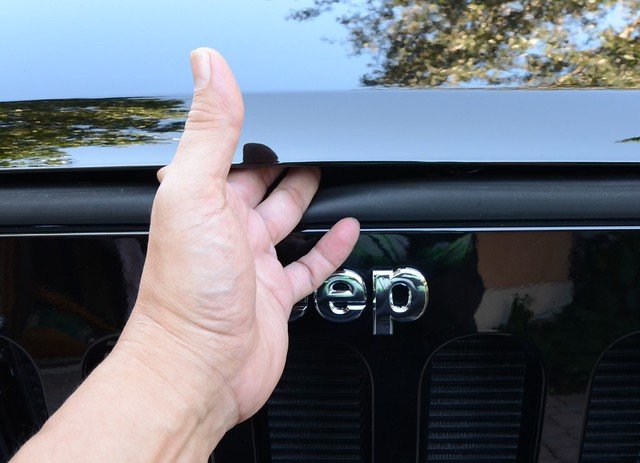
Reach under the center front edge of the hood. The safety catch is usually a small lever or tab.
Push or pull it sideways while lifting the hood fully.
6. Secure The Hood
Most Jeeps have a hood prop rod or hydraulic struts. If you use a prop rod, insert it into the slot to keep the hood open.
Example: Jeep Wrangler Jl
The Jeep Wrangler JL (2018+) uses updated hood latches:
- Exterior latches are easier to grip, with rubberized handles.
- Safety catch is wider and marked for quick access.
- Hydraulic struts support the hood, so no prop rod is needed.
This makes the process smoother, but always check for dirt or rust which can block the latch.
Common Mistakes And How To Avoid Them
Many Jeep owners make errors when unlatching the hood. Here are some typical mistakes and tips to prevent them:
1. Pulling Only One Latch
Both exterior latches must be released. Missing one can bend the hood.
2. Using Excessive Force
Forcing a stuck latch can break it. Try lubricating with WD-40 and gently rocking the latch.
3. Ignoring Safety Catch
Not releasing the secondary catch keeps the hood locked. Always check for this extra step.
4. Not Supporting The Hood
If your model uses a prop rod, never skip it. The hood can fall and cause injury.
5. Leaving Latches Unsecured After Closing
Always re-latch both sides after closing the hood. Loose latches risk hood opening while driving.
| Mistake | Possible Consequence | Prevention Tip |
|---|---|---|
| Single latch release | Bent hood | Check both sides |
| Excessive force | Broken latch | Lubricate, wiggle gently |
| No safety catch release | Hood remains locked | Feel for lever/tab |
| No hood support | Injury | Use prop rod or strut |
Maintenance Tips For Jeep Hood Latches
Keeping your hood latches in good shape can save time and trouble. Here are some maintenance suggestions:
- Clean latches regularly: Dirt and mud from off-roading can block latch movement.
- Lubricate twice a year: Use a silicone spray or WD-40 on latch joints.
- Inspect for rust: Rust can weaken the latch and make it hard to release.
- Check alignment: If the hood doesn’t close evenly, realign the latches or consult a mechanic.
A well-maintained latch lasts longer and prevents unexpected failures.

Troubleshooting: If Your Hood Won’t Unlatch
Sometimes the hood won’t open, even after following all steps. Here’s what to do:
1. Check For Obstructions
Look for dirt or debris near the latch. Clean with a soft brush.
2. Apply Lubricant
Spray lubricant on the latch mechanism and try again after a few minutes.
3. Tap Gently
Tap the latch area with your hand to loosen stuck parts (never use tools).
4. Seek Help
If the hood still won’t open, contact a mechanic or consult your Jeep’s manual. The Jeep Official Site offers model-specific guides and diagrams.
Frequently Asked Questions
How Often Should I Lubricate Jeep Hood Latches?
Lubricate the latches at least twice a year, especially if you drive off-road or live in a humid area. This prevents rust and keeps the mechanism smooth.
Can I Use Regular Oil For Latch Lubrication?
It’s better to use silicone spray or WD-40. Regular motor oil can attract dust and gum up the latch.
What If My Jeep Hood Won’t Open At All?
First, check for dirt, rust, or physical damage. If you can’t open the hood after cleaning and lubricating, a mechanic may need to remove the grille or access the latch from underneath.
Are Jeep Hood Latches Different Across Models?
Yes. Older models like the Wrangler YJ use metal latches, while newer models have rubberized or hydraulic systems. Always check your owner’s manual for details.
Is It Dangerous To Drive With A Loose Hood Latch?
Absolutely. A loose hood can fly open while driving, blocking your view and causing accidents.
Always ensure both latches are fully secured before driving.
Unlocking your Jeep’s hood is a simple skill, but doing it right keeps your vehicle safe and running smoothly. With regular maintenance and careful technique, you avoid damage and ensure access whenever needed.
Remember to check your specific model’s instructions, and don’t hesitate to seek help if your hood latch becomes stubborn.