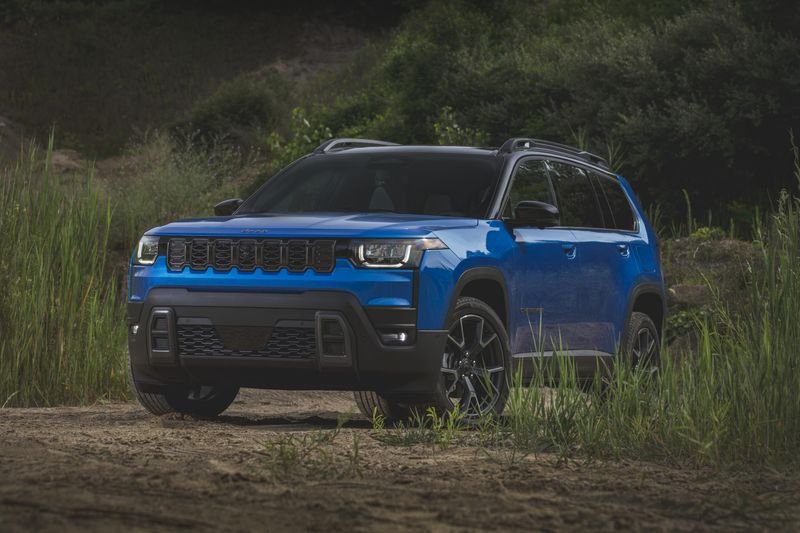
Changing brake pads on your Jeep Grand Cherokee might sound difficult, but many car owners handle it themselves. Doing this job at home can save you time and money while helping you understand your vehicle better. If your brakes are squealing, grinding, or the pedal feels soft, it may be time for new pads. This guide will show you step-by-step how to change brake pads safely and correctly, even if you have little experience.
Tools And Materials Needed
Before starting, make sure you have all the required tools and parts. Missing one item can slow you down or make the job unsafe.
- New brake pads (front or rear, depending on which you’re replacing)
- Jack and jack stands (or a hydraulic lift)
- Tire iron/lug wrench
- Socket set and ratchet
- C-clamp or brake caliper tool
- Brake cleaner spray
- Flathead screwdriver
- Gloves and safety glasses
Some models may need Torx bits or special tools. Always check your owner’s manual for any unique needs.
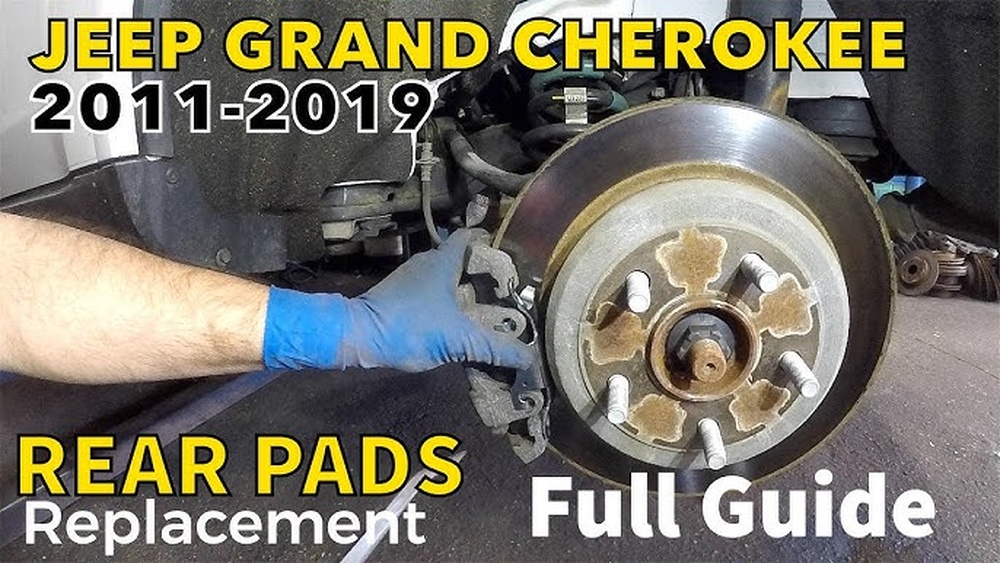
Safety First
Working on brakes means working with heavy parts and chemicals. Always:
- Park on a flat surface
- Use wheel chocks to block tires
- Wear gloves and eye protection
- Never rely only on a jack—use jack stands
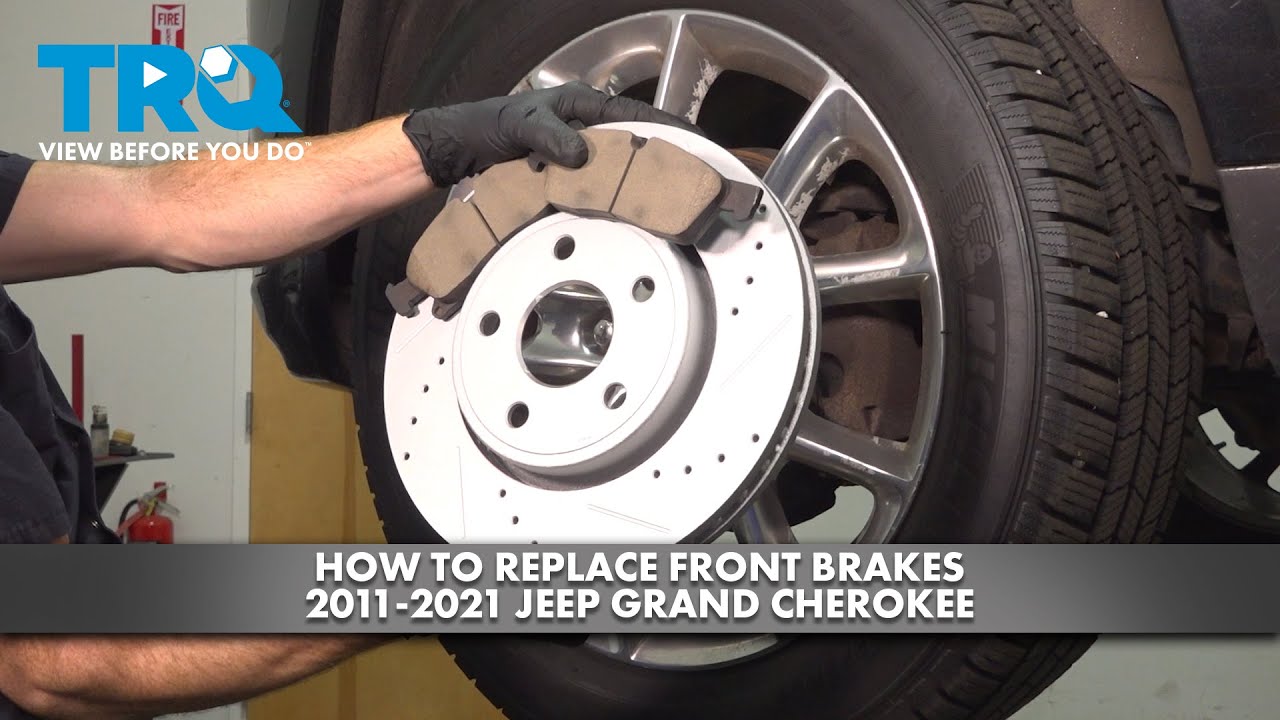
Step-by-step Instructions
Changing brake pads is a hands-on process. Here’s how to do it safely and effectively on a Jeep Grand Cherokee:
- Loosen Lug Nuts
- Before lifting the car, slightly loosen the lug nuts on the wheel you’ll work on. Don’t remove them yet.
- Raise Vehicle and Remove Wheel
- Use the jack to lift the car and place it securely on jack stands. Remove the loosened lug nuts and take off the wheel.
- Locate the Brake Caliper
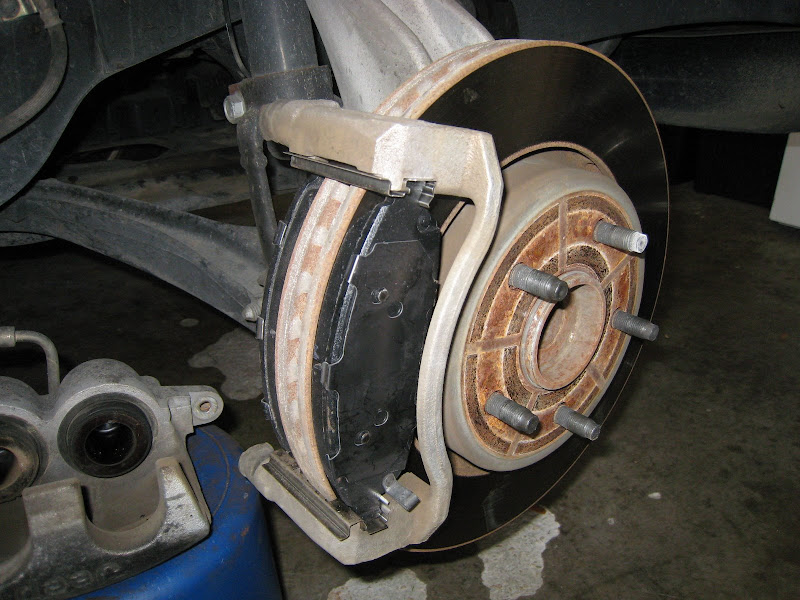
- The brake caliper sits over the rotor and holds the pads. Find the two bolts on the back of the caliper.
- Remove Caliper Bolts
- Use a socket or wrench to remove these bolts. Carefully slide the caliper off the rotor. Do not let it dangle—hang it with a piece of wire or set it on a box.
- Remove Old Brake Pads
- Slide out the old brake pads. Note how they fit for reference.
- Retract the Caliper Piston
- Use a C-clamp or brake caliper tool to gently push the piston back into the caliper. This creates enough space for the new, thicker pads.
- Install New Brake Pads
- Place the new pads into the caliper bracket. Make sure they fit snugly and the “wear indicator” (a small metal tab) is in the same spot as before.
- Reinstall Caliper
- Slide the caliper back over the rotor and pads. Tighten the bolts securely.
- Reattach Wheel
- Put the wheel back on, hand-tighten the lug nuts, lower the car, and then finish tightening the nuts in a star pattern.
- Test Brakes
- Before driving, press the brake pedal several times. This seats the pads and ensures the pedal feels firm.
Comparison: Front Vs Rear Brake Pad Replacement
Most brake jobs are similar, but there are a few key differences between the front and rear brakes on a Jeep Grand Cherokee.
| Aspect | Front Brakes | Rear Brakes |
|---|---|---|
| Brake Pad Size | Larger | Smaller |
| Wear Rate | Faster | Slower |
| Tools Needed | Standard | May require extra tools (parking brake) |
| Difficulty | Generally easier | Sometimes more complex |
How Often Should Brake Pads Be Changed?
The average lifespan of brake pads is 30,000–70,000 miles, but driving style, road conditions, and pad material matter a lot.
- City driving with lots of stops wears pads faster.
- Highway driving is gentler on brakes.
- Heavier vehicles (like the Grand Cherokee) may need pads sooner, especially if towing.
Here’s a general guide for when to check and change your pads:
| Driving Condition | Recommended Check Interval | Estimated Replacement Interval |
|---|---|---|
| Mainly city | Every 10,000 miles | 30,000–40,000 miles |
| Mainly highway | Every 15,000 miles | 50,000–70,000 miles |
| Towing/off-road | Every 7,500 miles | 20,000–30,000 miles |

Common Mistakes To Avoid
Even experienced DIYers can make errors. Watch out for these:
- Not cleaning the caliper: Dirt can cause uneven pad wear.
- Forgetting anti-squeal grease: A thin layer on the back of pads prevents noise.
- Not torquing bolts: Under- or over-tightening can be dangerous.
- Touching the pad surface: Oil from fingers reduces braking power.
- Skipping the brake test: Always pump the pedal before driving.
An often-missed tip: Always check brake fluid after changing pads. If the level is low, top it up. If it overflows, remove some with a clean syringe.
Extra Tips For Jeep Grand Cherokee Owners
- Use quality pads. Cheap pads wear out faster and may squeal.
- Inspect rotors. If they look grooved or blue, they may need resurfacing or replacement.
- Monitor the parking brake if changing rear pads—it can affect pad alignment.
- Keep records. Note the mileage and date for future reference.
If you’re unsure about any step or hear odd noises after changing pads, consult a mechanic or refer to the official Jeep website for more information.
Frequently Asked Questions
How Long Does It Take To Change Brake Pads On A Jeep Grand Cherokee?
For most beginners, it takes about 1–2 hours per axle. With practice, you can do it faster, but always take your time and focus on safety.
What Signs Show I Need New Brake Pads?
Listen for squealing, grinding, or a soft brake pedal. Sometimes, a warning light will appear on your dashboard. Visually, if pads look less than 1/4 inch thick, it’s time to replace them.
Can I Change Brake Pads Without Special Tools?
Most jobs require only basic tools, but some rear brakes need a caliper wind-back tool. Always check your specific model before starting.
Should I Replace Rotors When Changing Pads?
Not always. If rotors are smooth, thick enough, and not warped, you can reuse them. If they are grooved or uneven, replace or resurface them for best braking.
Is It Safe To Drive Right After Changing Brake Pads?
Yes, but do a brake bedding process: make several gentle stops from 30–40 mph to help the pads settle in. Avoid hard stops for the first 200 miles for maximum pad life.
Changing brake pads on your Jeep Grand Cherokee is a practical way to maintain safety and cut repair costs. With the right tools, patience, and these tips, you can handle the job confidently and keep your SUV in top shape.