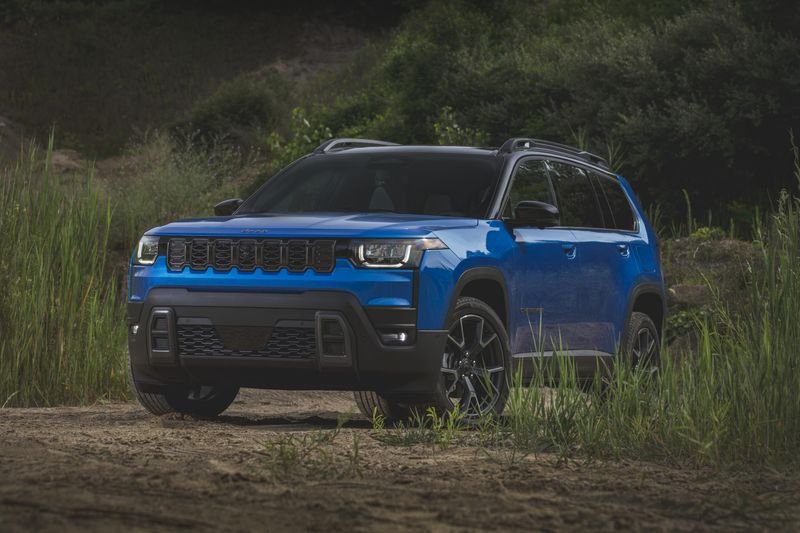
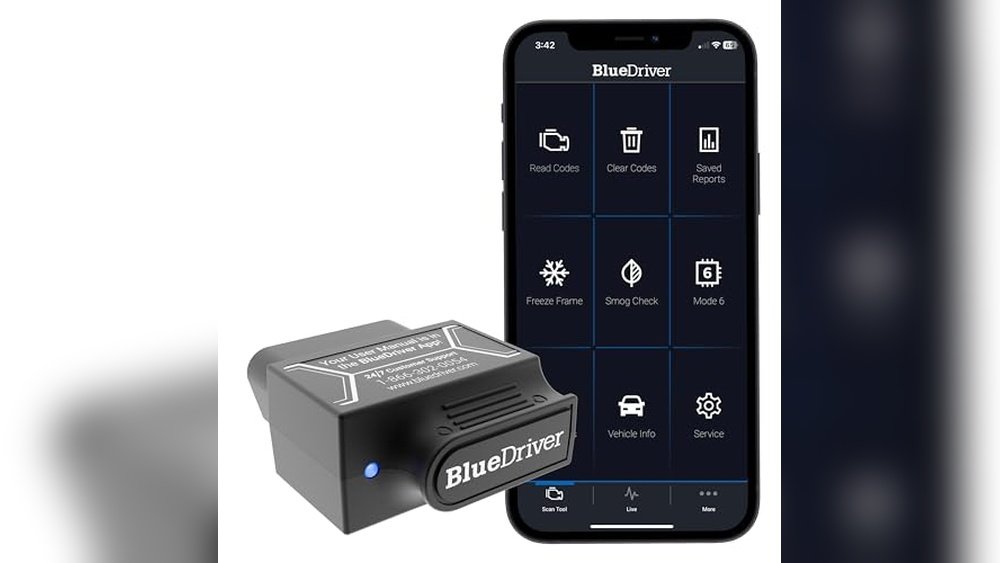
Getting into your Jeep Cherokee and starting it with the key should be a simple task, but for many drivers especially those used to modern push-button start systems it can be confusing.
The process varies slightly depending on the model year and whether your Cherokee uses a traditional metal key or a key fob with a built-in immobilizer chip.
This guide explains everything you need to know, from basic steps to troubleshooting issues, so you can confidently start your Jeep Cherokee with the key.
Understanding Your Jeep Cherokee’s Key System
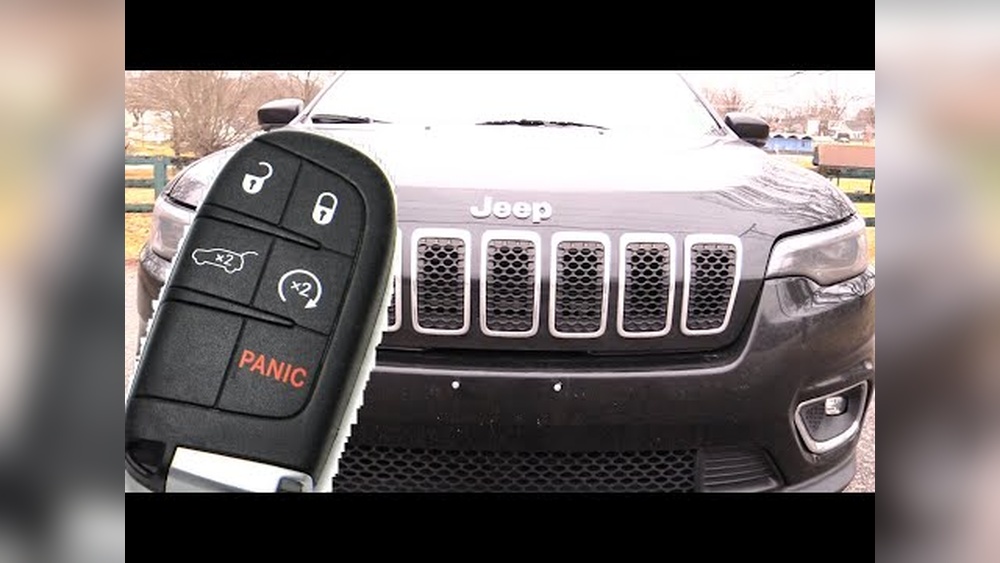
Jeep Cherokees have used several types of key systems over the years. Knowing your system is the first step:
| Model Year | Key Type | Main Security Feature |
|---|---|---|
| Pre-2000 | Metal Key | Standard Cut |
| 2000-2013 | Transponder Key | Immobilizer Chip |
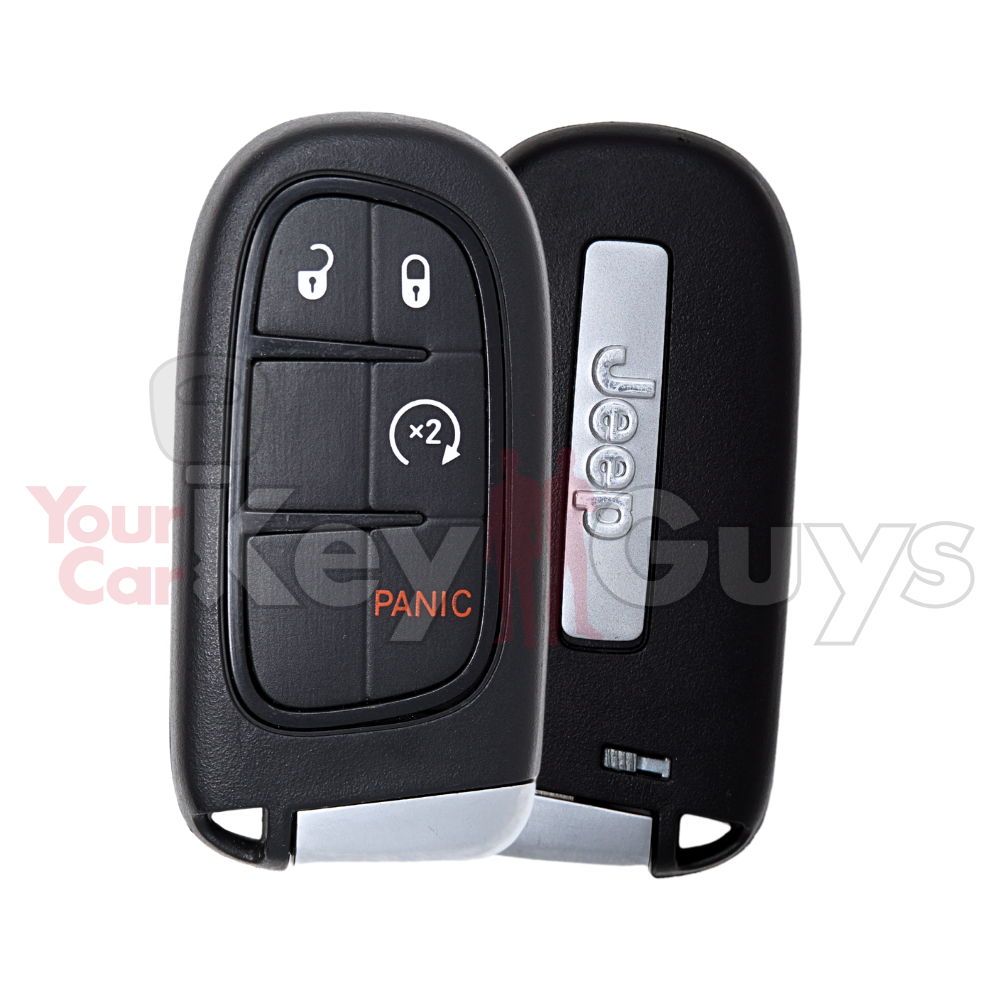
| 2014-present | Key Fob / Proximity Key | Passive Entry/Start |
Most Cherokees from the 2000s onward use a transponder key. This means the key has a chip inside that communicates with the vehicle. If the chip isn’t detected, the engine won’t start—even if the key turns.
Step-by-step: Starting A Jeep Cherokee With The Key
The actual process is straightforward, but the details matter. Here’s a simple breakdown:
1. Unlock The Door
Insert the key into the driver’s side door lock and turn it to unlock. If you have a key fob, you can press the unlock button instead.
2. Check The Gear Shift
Make sure the gear shift is in Park (P) or Neutral (N). The engine won’t start if the car is in gear.
3. Insert The Key In The Ignition
For traditional keys, insert the metal key into the ignition cylinder. For newer Cherokees with a fob, insert the fob into the ignition slot, if present, or just keep it inside the car (refer to your owner’s manual).
4. Turn The Key
Rotate the key to the “ON” position. You’ll see dashboard lights come on.
Wait a second for the fuel pump and electronics to activate.
5. Start The Engine
Turn the key further to the “START” position. Hold it until the engine starts (usually 1 2 seconds), then release.
The key will return to the “ON” position automatically.
6. Check Warning Lights
If any warning lights stay on, check for issues before driving.
Example: Starting A 2011 Jeep Cherokee
- Insert the transponder key in the ignition
- Turn to “ON,” wait for the immobilizer light to go out
- Turn to “START” and release when the engine runs

Common Problems And Solutions
Sometimes, your Jeep Cherokee may not start as expected. Here are common issues and what you can do:
| Problem | Possible Cause | Solution |
|---|---|---|
| Key won’t turn | Steering wheel locked | Wiggle steering wheel while turning key |
| No response | Dead battery | Check battery, try jump start |
| Engine cranks, won’t start | Security/immobilizer issue | Use correct key, check immobilizer light |
| Key fob not detected | Weak fob battery | Replace fob battery, use manual start slot |
A less obvious issue is key wear. Over time, metal keys can become worn down and not align with the ignition pins. If your key feels loose or inconsistent, consider getting a new one cut from the original code, not a duplicate.
Security Features And What To Expect
Modern Cherokees include anti-theft systems. If the immobilizer chip isn’t recognized, a light shaped like a key or lock will appear on the dashboard. The engine may crank but won’t run. For key fobs, a “No Key Detected” message could appear.
If you lose your key, only a Jeep dealer or certified locksmith can program a new transponder or fob. This extra layer of security helps prevent theft.
Tips For Reliable Starting
- Always keep a spare key in a safe place.
- Avoid heavy keychains, which can damage the ignition switch.
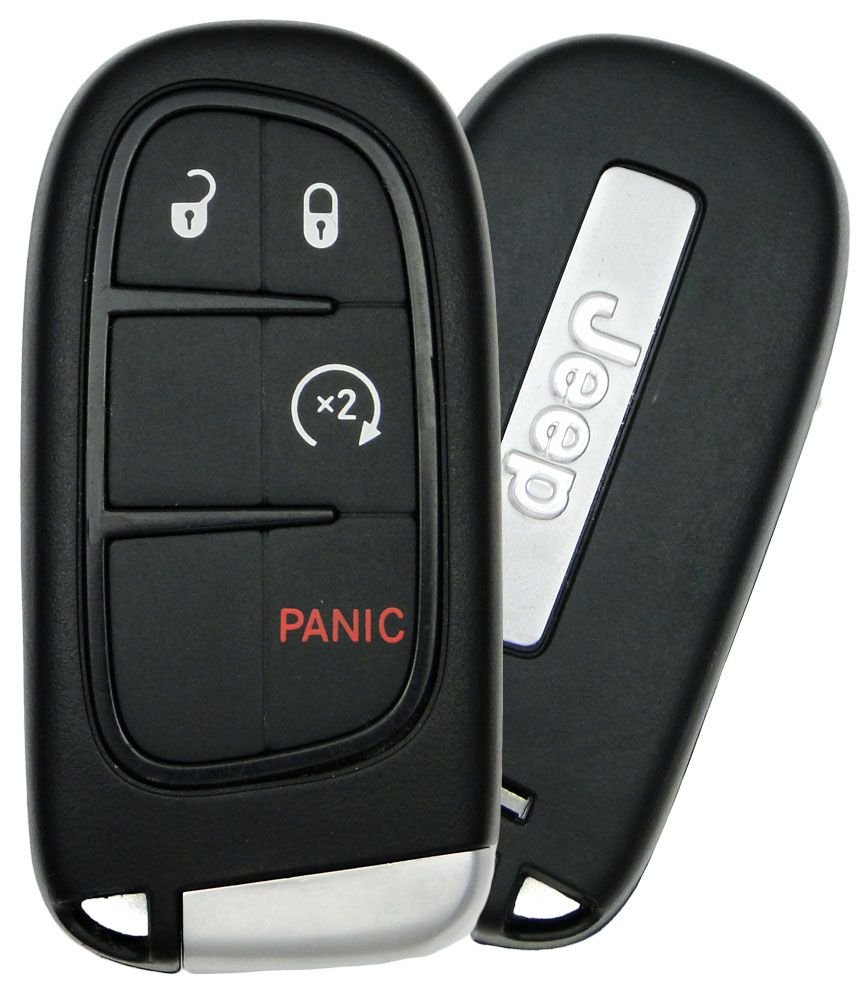
- Replace the key fob battery every 2–3 years, or sooner if range drops.
- If your Cherokee has push-button start but the fob isn’t working, check if there’s a hidden key slot—often under a cover near the steering column.
One insight many miss: If your key fob battery dies, most Cherokees have an emergency procedure. You can often start the car by holding the fob close to the start button or ignition slot, as the vehicle uses passive RFID to detect the chip.
Another common mistake is forgetting about the brake pedal. On automatic Cherokees, you must press the brake pedal before turning the key to “START.” If you skip this, the engine won’t crank.
Here’s a side-by-side look at how starting differs:
| Feature | Key Start | Push-Button Start |
|---|---|---|
| Physical Key Needed | Yes | No (just fob) |
| Can Start with Dead Fob Battery | Yes | Sometimes (emergency procedure) |
| Anti-Theft | Transponder Chip | RFID, Immobilizer |
Frequently Asked Questions
How Do I Start My Jeep Cherokee If The Key Fob Battery Is Dead?
Most modern Cherokees let you start the engine by holding the dead fob close to the start button or inside a specific slot. The car uses passive RFID to recognize the chip, even if the fob battery is dead.
What Should I Do If The Key Won’t Turn In The Ignition?
Try gently moving the steering wheel left and right while turning the key. Sometimes, the steering lock can jam, especially if you parked with the wheels turned.
Can I Start My Jeep Cherokee With A Copied Key?
Only if the copied key contains the correct immobilizer chip. Simple metal duplicates will unlock doors but won’t start the engine in models with anti-theft systems.
Why Does The Security Light Stay On When I Try To Start?
The security light means the vehicle doesn’t recognize the key’s chip. Try another key if you have one, or check for issues with the immobilizer system.
You may need help from a Jeep dealer.
Where Can I Find Official Instructions For My Model Year?
For the most accurate and detailed steps, always check your owner’s manual. You can also visit the official Jeep owner’s site for digital manuals.
Starting your Jeep Cherokee with the key is easy once you understand your vehicle’s system. Pay attention to security features, keep your keys in good condition, and you’ll have reliable starts every time you drive.