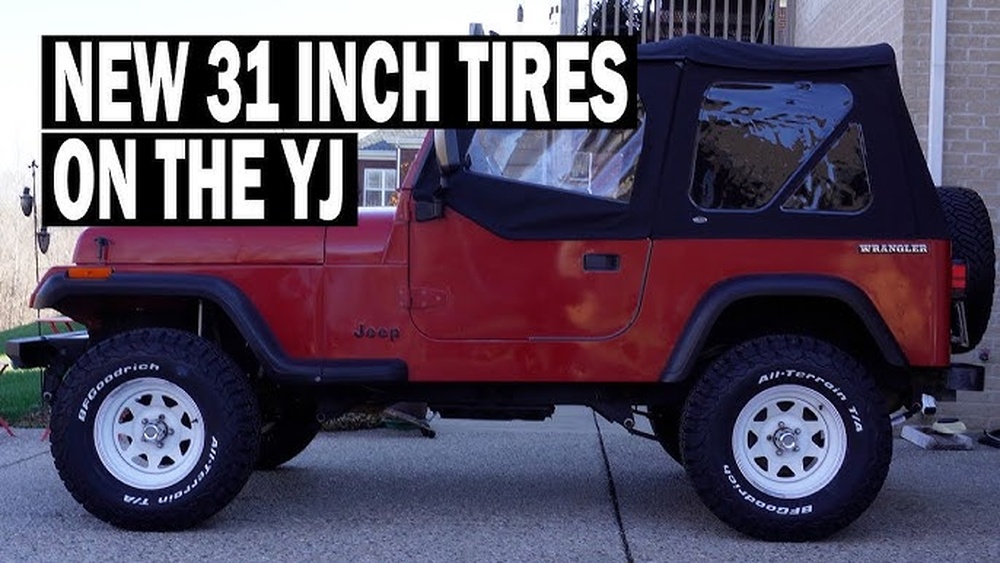
Wiring trailer lights directly to your Jeep can feel intimidating if you’ve never done it before. Many Jeep owners want a simple, reliable way to connect their trailer’s lights especially for off-road adventures, camping, or hauling gear.
Most factory wiring harnesses work, but sometimes you need a direct connection for stronger performance or custom setups.
This guide will help you understand every step, avoid mistakes, and get your trailer lights working perfectly.
Understanding Trailer Lighting Basics
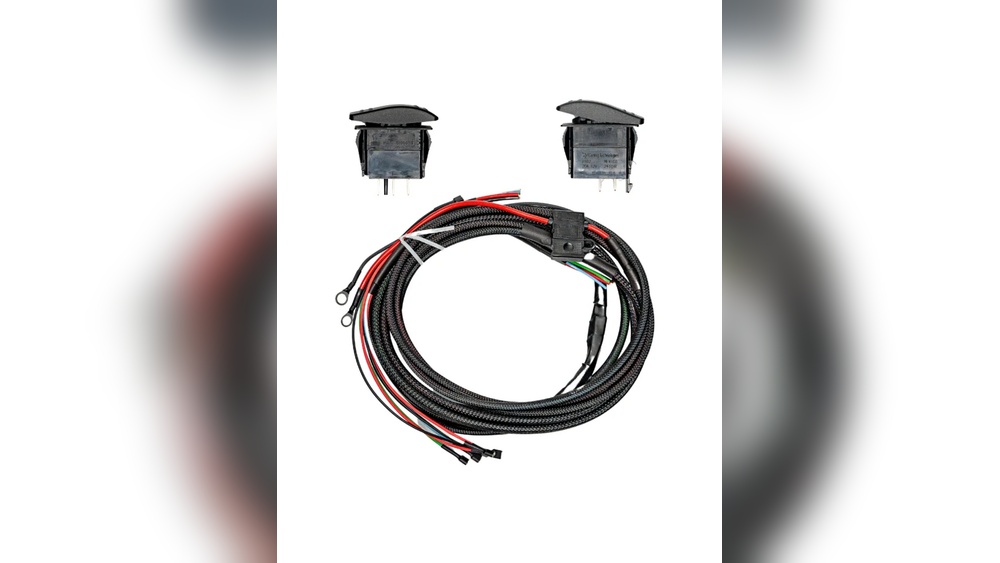
Before you start wiring, it’s important to know how trailer lights work. Trailers usually have tail lights, brake lights, and turn signals. All these functions use wires to connect to your Jeep’s electrical system. The most common connector is the 4-pin flat plug, which supports basic trailer lighting. Some larger trailers use a 7-pin round plug, which adds extra functions like backup lights or electric brakes.
Your Jeep’s wiring system sends signals to the trailer’s lights. If the connection is poor or the wiring is incorrect, your trailer lights may not work or could malfunction. That’s why knowing the basics is essential.
Tools And Materials Needed
Setting up direct wiring requires a few tools and supplies. Here’s what you’ll need:
- Wire strippers
- Crimpers
- Electrical tape
- Heat shrink tubing
- Multimeter
- Trailer wiring harness or connector plug
- Wire (usually 16-18 gauge)
- Zip ties
- Screwdriver
- Relay (optional for some setups)
- Fuse holder and fuses
- Soldering iron and solder (optional but recommended for strong connections)
Having these tools ready will save time and prevent frustration.
Planning Your Wiring Route
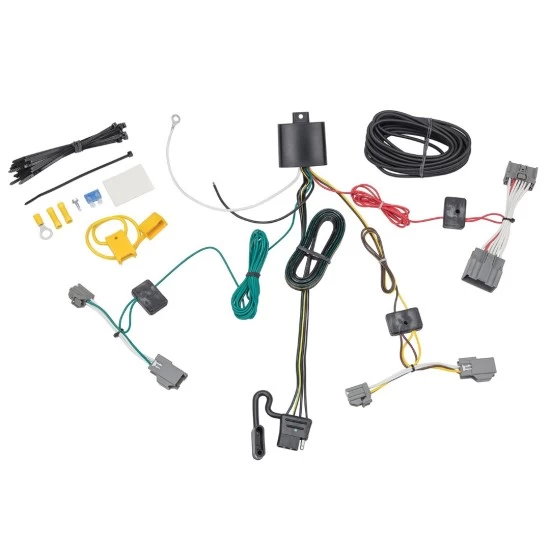
Before cutting or connecting anything, decide how you’ll run the wires from your Jeep to the trailer plug. Most people route wires from the rear taillight area (inside the Jeep) to the bumper, then out to the trailer plug.
This keeps wires safe and reduces the chance of damage.
Key planning tips:
- Avoid running wires near hot exhaust parts.
- Use zip ties to secure wires along the frame.
- Leave enough slack so the wires don’t pull tight when turning or bouncing.
- Plan for water resistance. Use heat shrink tubing and electrical tape to protect connections.
Identifying Jeep Wiring Connections
To wire trailer lights directly, you need to find the right wires on your Jeep. Usually, you’ll tap into the rear light wires. Here’s how to identify them:
- Remove the taillight assembly from your Jeep.
- Use a multimeter to test which wires power the brake, turn, and tail lights.
- Write down the wire colors and their functions.
Typical Jeep wiring colors (may vary by model):
| Function | Wire Color (Common) |
|---|---|
| Left turn signal | Yellow |
| Right turn signal | Green |
| Brake lights | Red |
| Tail lights | Brown |
| Ground | White |
If your Jeep uses different colors, check your owner’s manual or use the multimeter to confirm.
Step-by-step Wiring Instructions
Here’s a detailed guide to wiring trailer lights directly to your Jeep:
1. Disconnect The Battery
Safety comes first. Always disconnect the Jeep’s battery before working with electrical wiring. This prevents short circuits and protects you from shocks.
2. Access Taillight Wiring
Remove the rear taillight assemblies. You’ll see several wires leading to the bulbs. Identify the correct wires for brake, turn, and tail lights.
3. Prepare The Trailer Plug
Decide if you’ll use a 4-pin or 7-pin plug. For most basic trailers, a 4-pin plug is enough. Strip about half an inch of insulation from each wire on the plug.
4. Connect Wires
Match each Jeep wire to the trailer plug wire:
- Jeep left turn → Trailer left turn (yellow)
- Jeep right turn → Trailer right turn (green)
- Jeep tail → Trailer tail (brown)
- Jeep ground → Trailer ground (white)
Use crimp connectors, solder, or both for strong connections. Cover each connection with heat shrink tubing and electrical tape.
5. Secure And Protect Wires
Route the wires along the Jeep’s frame. Use zip ties to keep them tight and away from moving parts. Protect exposed wires with loom or tubing.
6. Add Fuse And Relay (optional)
For extra protection, place a fuse holder in the power wire (usually the tail light wire). Some setups use a relay to avoid overloading the Jeep’s circuits. This is helpful if your trailer has many lights.
7. Test Connections
Reconnect your Jeep’s battery. Plug in the trailer connector. Test each function:
- Turn on headlights (tail lights should light up).
- Press the brake pedal (brake lights should work).
- Use left and right turn signals.
If any light doesn’t work, check your connections and wire colors.
Common Mistakes And How To Avoid Them
Wiring trailer lights is simple, but mistakes can cause problems. Here are some common errors:
- Wrong wire colors: Always double-check wire functions with a multimeter, not just color.
- Poor connections: Loose wires cause flickering or total failure. Use crimp connectors or solder.
- No fuse: Without a fuse, electrical shorts can damage your Jeep’s wiring.
- Weak ground: The ground wire must connect to bare metal on the Jeep’s frame.
- Not weatherproofing: Water can corrode connections. Use heat shrink tubing and electrical tape.
Non-obvious insight: Many beginners forget to check trailer bulbs. If your wiring is correct but lights don’t work, the bulbs may be burned out.
Comparing Direct Wiring Vs. Plug-and-play Kits
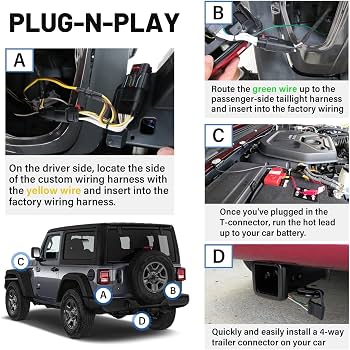
Some Jeep owners use plug-and-play trailer wiring kits. Here’s a comparison:
| Feature | Direct Wiring | Plug-and-Play Kit |
|---|---|---|
| Installation | Manual, more work | Quick, easy |
| Customization | Flexible | Limited |
| Cost | Cheaper | Higher |
| Reliability | Strong if done right | Good, depends on quality |
| Skill required | Medium to high | Low |
Direct wiring is best if you need extra features or want to save money. Plug-and-play kits are good for quick, standard setups.
Safety Tips And Best Practices
Safety matters when working with vehicle wiring. Follow these tips:
- Always disconnect the battery before starting.
- Use a multimeter to test wires before cutting.
- Never run wires near fuel lines or hot exhaust parts.
- Protect all connections with tape and tubing.
- Use a fuse to protect your Jeep’s circuits.
- Test everything before driving.
Non-obvious insight: If you plan to tow often, consider using a relay to protect your Jeep’s electrical system. Relays help prevent overload when the trailer has many lights.
Troubleshooting Trailer Light Issues
If your trailer lights don’t work after wiring, here’s how to fix it:
- Check connections: Re-examine each wire. Loose or poorly crimped wires are the most common cause.
- Test ground: Make sure the ground wire connects to clean, unpainted metal.
- Replace bulbs: Trailer bulbs are cheap but often overlooked.
- Check fuse: If the circuit is dead, the fuse may be blown.
- Use multimeter: Test each wire for voltage when lights are on.
If you still have trouble, check the trailer plug for corrosion or damage.
Jeep Model Differences
Some Jeep models use unique wiring setups. For example, newer Jeep Wranglers have more complex wiring and sometimes require special adapters. Older Jeeps use simple wiring—making direct connections easier.
Here’s a quick comparison:
| Model | Wiring Complexity | Plug Needed |
|---|---|---|
| Jeep Wrangler (pre-2018) | Simple | 4-pin |
| Jeep Wrangler (2018+) | Moderate | 4-pin/7-pin |
| Jeep Cherokee | Moderate | 4-pin |
| Jeep Grand Cherokee | Complex | 7-pin |
Always check your Jeep’s manual for wiring details.
Legal Requirements And Safety Checks
US law requires trailers to have working lights for safety. Before driving, always check:
- Tail lights
- Brake lights
- Turn signals
- Reflectors
If you tow often, some states require trailer inspections. For more information, visit the National Highway Traffic Safety Administration.
Practical Tips For Long-term Reliability
To keep your trailer lights working for years:
- Inspect wires and connections every few months.
- Use dielectric grease on plug contacts to prevent corrosion.
- Replace damaged wires or connectors right away.
- Store your trailer plug off the ground when not in use.
- Consider using waterproof connectors if you drive in wet areas.
Many Jeep owners overlook maintenance, but it prevents breakdowns and expensive repairs.
Frequently Asked Questions
How Do I Know Which Jeep Wire Controls Each Trailer Function?
Use a multimeter to test each wire at the rear taillight. Turn on the Jeep’s lights and signals, then check which wire gets power for each function. Don’t rely on wire color alone.
Do I Need A Relay For Trailer Lights?
A relay is optional, but recommended if your trailer has many lights. It protects your Jeep’s wiring from overload and ensures all lights work reliably.
Can I Use A 7-pin Plug For A Small Trailer?
Yes, a 7-pin plug works for any trailer. It supports extra features like backup lights or brakes. If your trailer only uses basic lights, connect only the needed pins.
Is Direct Wiring Better Than Using A Plug-and-play Kit?
Direct wiring gives more control and saves money, but it takes more skill. Plug-and-play kits are easier and quicker, but less flexible. Choose based on your needs.
What Should I Do If My Trailer Lights Flicker?
Flickering lights usually mean a loose connection or weak ground. Check all connections, especially the ground wire, and use a multimeter to test for consistent power.
Connecting trailer lights directly to your Jeep can be simple and strong if you follow the steps carefully. Take your time, plan your wiring, and always test your work. With reliable trailer lights, you’ll drive safer and enjoy your Jeep adventures more.