Keeping your Jeep’s steering wheel clean is not just about looks it’s about safety and comfort, too. Every time you drive, your hands touch the wheel, leaving behind sweat, oils, and dirt.
Over time, these can build up, making the steering wheel slippery or sticky and even causing premature wear.
Plus, with so many germs living on surfaces we touch every day, a dirty steering wheel could mean more than just a grubby look.
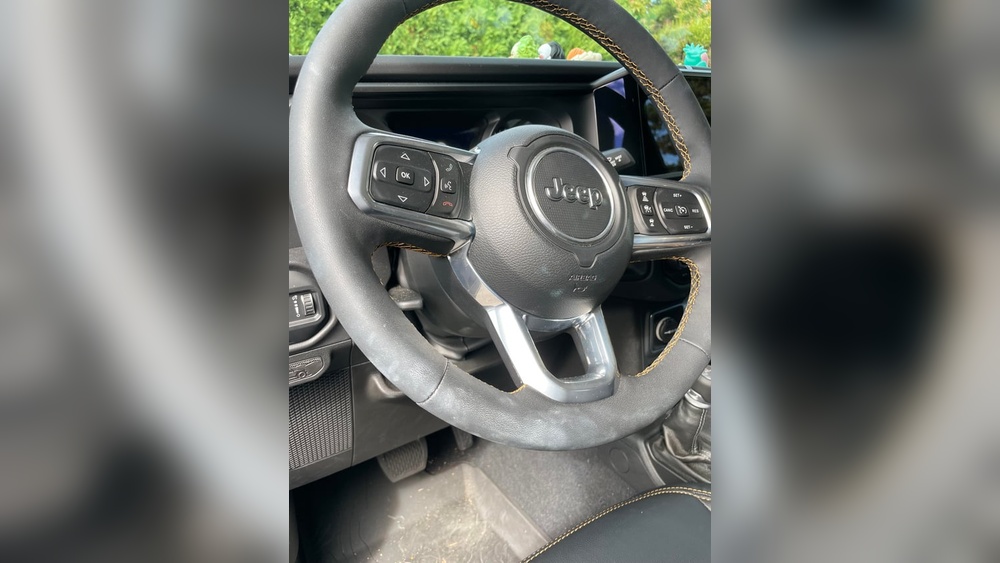
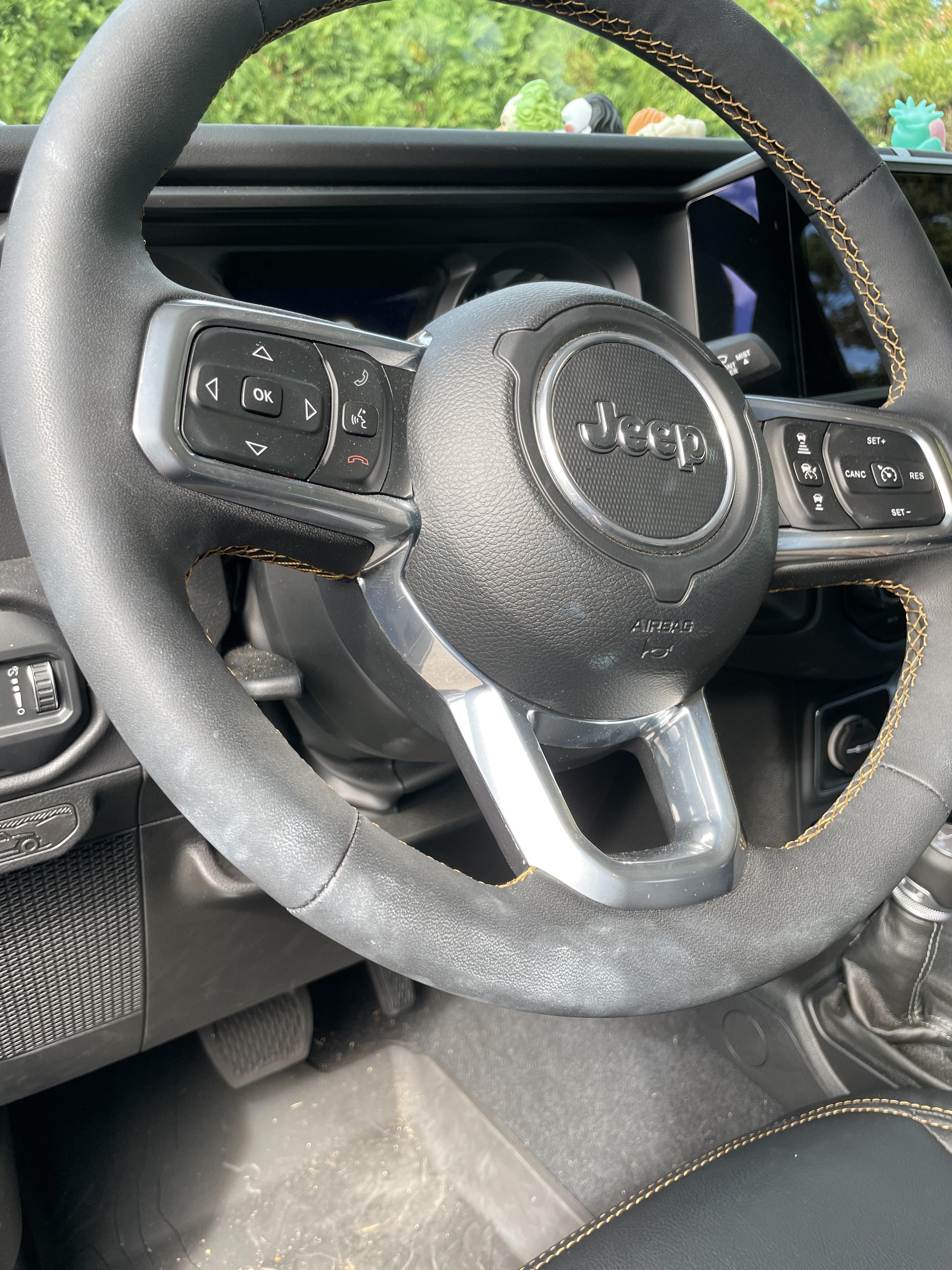
Whether you drive a Jeep Wrangler, Cherokee, or Grand Cherokee, the steering wheel often sees tough conditions: mud, dust, food spills, or sunscreen from outdoor adventures. Many Jeep owners also have leather or synthetic leather steering wheels, which need special care to avoid cracking or fading. Others may have classic urethane or plastic wheels that require different cleaning methods.
In this guide, you’ll learn the best ways to clean your Jeep steering wheel, protect its material, and keep it looking and feeling great. You’ll also discover practical tips, common mistakes to avoid, and answers to popular questions.
Let’s get started so your next adventure feels even better at your fingertips.
Why Cleaning Your Jeep Steering Wheel Matters
A clean steering wheel does more than just look good. Here are a few reasons why regular cleaning is important:
- Hygiene: The steering wheel collects bacteria and germs from hands, especially if you eat, sneeze, or cough while driving.
- Grip and Safety: A clean wheel gives you a better grip, which means better control, especially in emergency situations.
- Material Protection: Dirt and oils can damage leather, synthetic leather, or plastic, making them age faster.
- Resale Value: A well-kept interior, including the steering wheel, helps maintain your Jeep’s value.
Many drivers focus on washing the exterior but forget about the wheel they touch most. Studies have shown that the average steering wheel can be up to four times dirtier than a public toilet seat a statistic that surprises most Jeep owners.
Identifying Your Jeep Steering Wheel Material
Not all steering wheels are the same. Jeep models use different materials, and knowing what your wheel is made of will help you choose the right cleaning method. Here’s a quick comparison:
| Steering Wheel Material | Common Jeep Models | Typical Feel | Special Care Needed? |
|---|---|---|---|
| Leather | Wrangler (Sahara, Rubicon), Grand Cherokee | Smooth, slightly soft | Yes |
| Synthetic Leather (PU, Vinyl) | Compass, Renegade (basic trims) | Firmer, less grainy | Yes |
| Plastic/Urethane | Wrangler (Sport), Patriot | Hard, sometimes shiny | No |
Check your Jeep’s manual or feel the texture: leather feels warmer and softer, synthetic leather is firmer, and plastic is hard and smooth. Leather and synthetic leather need gentle cleaners, while plastic is more forgiving.
Tools And Products You’ll Need
Cleaning your Jeep steering wheel doesn’t require fancy gear, but having the right items makes the job easier and safer for your wheel.
Essential Supplies:
- Microfiber cloths: At least two, for cleaning and drying.
- Mild soap or dedicated interior cleaner: Avoid harsh chemicals.
- Soft-bristle brush or old toothbrush: For stubborn dirt or textured areas.
- Leather conditioner: For leather steering wheels only.
- Warm water: For mixing and rinsing.
What to Avoid:
- Bleach, ammonia, or alcohol-based cleaners: These can damage leather and fade plastics.
- Rough sponges or scrub pads: They can scratch the surface.
Using the right products helps maintain the look and feel of your steering wheel for years.
Step-by-step: How To Clean Your Jeep Steering Wheel
The cleaning process changes slightly based on the material. Here’s a practical, step-by-step guide for each type.
For Leather Steering Wheels
- Remove surface dust: Use a dry microfiber cloth to wipe off loose dirt and dust.
- Mix a gentle solution: Combine a few drops of mild soap with warm water.
- Dampen your cloth: Dip it in the solution and wring out excess water—cloth should be damp, not wet.
- Wipe the wheel: Clean all around, including the back and spokes.
- Tackle stubborn spots: For grime in grain or seams, use a soft brush lightly.
- Wipe with clean water: Remove any soap residue with a fresh, damp cloth.
- Dry thoroughly: Use a dry microfiber cloth to remove moisture.
- Condition the leather: Apply a pea-sized amount of leather conditioner, following the product instructions.
Tip: Leather is sensitive to water and strong cleaners. Never soak the wheel, and always dry it after cleaning.
For Synthetic Leather (pu, Vinyl)
- Wipe dust away: Start with a dry microfiber cloth.
- Clean with mild soap: Use the same soap and water mix as for leather.
- Scrub gently: Synthetic leather is tougher, but avoid hard scrubbing to prevent peeling.
- Rinse and dry: Wipe off soap with a clean, damp cloth, then dry.
- Optional protectant: Use a vinyl protectant for added shine and protection.
Insight: Many Jeep owners skip a protectant, but using it once a month helps prevent cracking and fading from sunlight.
For Plastic Or Urethane Wheels
- Wipe off dirt: Dry microfiber cloth first.
- Soapy water clean: Plastic is less sensitive, so you can use a bit more water.
- Scrub as needed: For sticky spots, use a soft brush or even a gentle all-purpose cleaner.
- Rinse and dry: Always finish by drying to avoid water spots.
Expert Note: Unlike leather, plastic can handle a bit more moisture, but avoid letting water drip into electrical switches on the wheel.
Cleaning Frequency And Maintenance Tips
How often should you clean your Jeep’s steering wheel? The answer depends on your driving habits and climate.
- Weekly: If you drive daily, especially in hot or humid areas.
- Bi-weekly: For occasional drivers or those who wear gloves.
- After Off-Roading: Clean right after trips involving mud, sand, or sunscreen.
Maintenance Tips:
- Keep a small microfiber cloth in your Jeep for quick wipes after messy drives.
- Avoid eating in your vehicle to prevent greasy fingerprints.
- Use sunshades to reduce UV damage to leather or synthetic leather.
Regular quick cleaning is easier than removing months of grime later.
Common Mistakes To Avoid
Even experienced Jeep owners make errors when cleaning their steering wheels. Here are mistakes to avoid:
- Using household cleaners: Products like window sprays or bleach can strip the finish and leave streaks.
- Scrubbing too hard: Aggressive cleaning can wear down the wheel’s surface, especially on older leather.
- Skipping drying: Leaving moisture can cause mold or water spots, especially in humid climates.
- Ignoring the back and spokes: These areas collect just as much dirt.
- Using too much conditioner: Leather can become greasy if over-treated.
Non-obvious Insight: Some steering wheels develop a shiny, slippery look over time. This is not just dirt—it’s body oil build-up that needs gentle but regular removal to restore grip.

How Steering Wheel Condition Affects Driving
A clean steering wheel isn’t just about aesthetics. Here’s how it impacts your driving:
- Better grip: Dirt and oil can make the wheel slippery, especially during quick maneuvers.
- Less distraction: Sticky or rough spots can be annoying and distract you.
- Comfort: Clean surfaces simply feel better, reducing hand fatigue on long drives.
- Longevity: Proper care prevents cracking, fading, or peeling, which can be expensive to fix.
Investing a little time in steering wheel care pays off in both safety and comfort.
Comparing Steering Wheel Cleaners
Choosing the right cleaning product can be confusing. Here’s a side-by-side look at common options:
| Product Type | Best For | Pros | Cons |
|---|---|---|---|
| Mild Soap & Water | All materials | Cheap, safe, widely available | May need extra effort on tough stains |
| Dedicated Interior Cleaner | Leather, synthetic leather | Easy to use, gentle, effective | More expensive than soap |
| All-Purpose Cleaner | Plastic, urethane | Strong cleaning power | Can be too harsh for leather |
| Leather Conditioner | Leather only | Restores softness, prevents cracks | Can make surface slippery if overused |
For most Jeep owners, mild soap and water is the safest option, but investing in a dedicated cleaner or conditioner can help maintain newer or premium steering wheels.
When To Seek Professional Cleaning
Sometimes, home cleaning isn’t enough. Consider professional help if:
- The steering wheel is sticky, shiny, or discolored and basic cleaning doesn’t help.
- There is visible mold, mildew, or a bad smell.
- The leather is cracked or peeling—conditioning alone won’t restore it.
Detailing shops use specialized products and techniques that go deeper than surface cleaning. This can make a big difference, especially if you plan to sell your Jeep or want it looking its best.
The Role Of Uv Protection
Sunlight is a silent enemy for steering wheels, especially in Jeeps that see lots of outdoor action. UV rays cause fading, cracking, and drying, especially for leather and synthetic leather.
- Use sunshades: Park with a windshield shade to block direct sunlight.
- Apply UV protectant: Choose a product safe for your wheel’s material. It adds a protective layer that slows aging.
- Tinted windows: Reduces overall UV exposure.
Little-known tip: Regularly turning your steering wheel when parked can help prevent uneven fading, especially if the same spot always faces the sun.
Frequently Asked Questions
How Do I Know If My Jeep Steering Wheel Is Real Leather?
Most real leather wheels feel warmer and softer to the touch, with visible grain patterns. You can also check your Jeep’s user manual or trim specifications. If you’re still unsure, the dealer can confirm the material.
Can I Use Disinfectant Wipes On My Steering Wheel?
Most disinfectant wipes contain alcohol, which can dry out leather and synthetic leather. For plastic wheels, occasional use is fine, but always wipe with a damp cloth and dry after. For leather, use wipes made specifically for car interiors.
What Should I Do If My Steering Wheel Feels Sticky After Cleaning?
A sticky feel usually means soap residue or leftover body oils. Wipe the wheel again with a clean, damp microfiber cloth, then dry well. If stickiness continues, use a dedicated interior cleaner.
How Do I Clean Mud Or Sunscreen Off My Jeep Steering Wheel?
Mud and sunscreen can be stubborn, especially on textured surfaces. First, let mud dry and brush it off gently. For sunscreen, use a mild soap and water solution, scrubbing lightly with a soft brush if needed. Always rinse and dry thoroughly.
Is It Safe To Use Baby Wipes On My Jeep Steering Wheel?
Baby wipes are gentle but not designed for automotive materials. They can leave residue or attract dust. For best results, stick to microfiber cloths and mild cleaners recommended for your steering wheel’s material.
For more details on interior car care, you can visit the Consumer Reports Car Interior Cleaning Guide.
A clean steering wheel makes every Jeep drive safer, more comfortable, and enjoyable. With just a few minutes of care, you’ll protect your vehicle’s value and your own driving experience for years to come.