When you own a Jeep Compass, keeping the transmission healthy is key for smooth driving and long vehicle life. Many drivers forget about checking transmission fluid, but this simple task can prevent costly repairs.
If you notice shifting problems or strange noises, checking your transmission fluid should be one of the first steps. Here’s a practical guide to checking transmission fluid on a Jeep Compass, including common mistakes and expert tips that most beginners miss.
Why Transmission Fluid Matters
Transmission fluid does more than just lubricate. It cools parts, enables smooth gear shifts, and protects from wear. Low or dirty fluid can cause gear slipping, harsh shifting, and even transmission failure. Most Jeep Compass models use automatic transmissions, which are sensitive to fluid levels and quality.
A study by AAA found that over 20% of vehicle breakdowns are related to transmission issues. Regular checks can catch problems early and save you money.
Preparing To Check The Fluid
Before you start, make sure your Jeep Compass is parked on a flat surface. Automatic transmissions are best checked when the engine is warm and running. Some models do not have a traditional dipstick, so always check your owner’s manual.
What You Need
- Clean rag or paper towel
- Gloves (optional)
- Owner’s manual
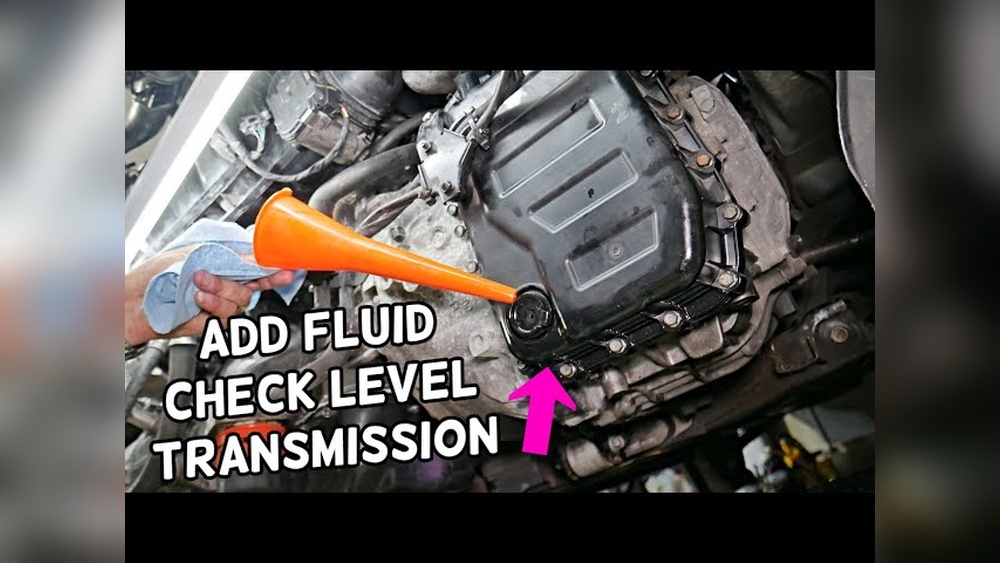
- Funnel (for adding fluid)
- Correct transmission fluid type
Using the wrong fluid can cause damage. Most Jeep Compass vehicles use ATF+4. Always confirm before topping up.
Step-by-step: Checking Transmission Fluid
Follow these steps to check transmission fluid correctly:
1. Warm Up The Engine
Drive your Jeep Compass for 10-15 minutes. This helps circulate the fluid and gives an accurate reading.
2. Park And Keep Engine Running
Set the parking brake. Most automatic transmissions require checking fluid with the engine running.
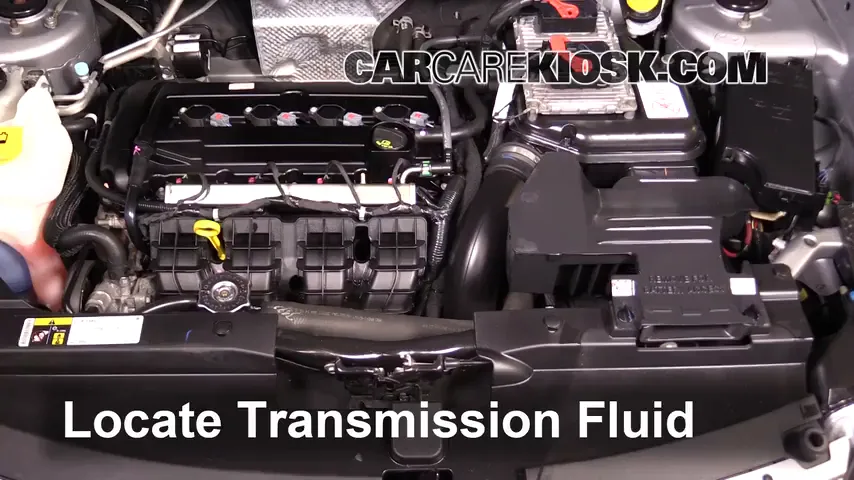
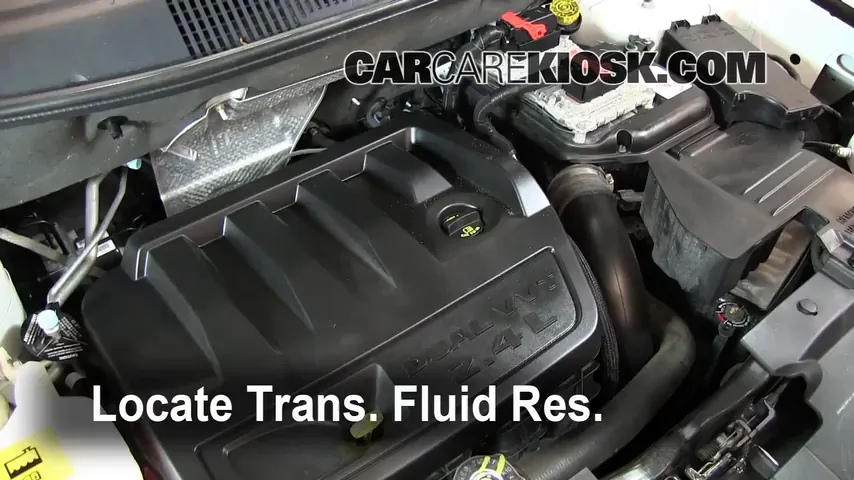
3. Find The Dipstick
Open the hood and locate the transmission dipstick. On newer models (2017+), you may not find a dipstick; fluid checks may require a technician.
4. Remove And Clean Dipstick
Pull out the dipstick and wipe it clean with a rag. This ensures you see the true fluid level.
5. Insert And Remove Dipstick Again
Put the dipstick back, wait a few seconds, and remove it. Check the fluid level against the “Full” and “Add” marks.
6. Check Fluid Condition
Healthy fluid should be pinkish-red and clear. If it’s brown, smells burnt, or has particles, it’s time to change it.
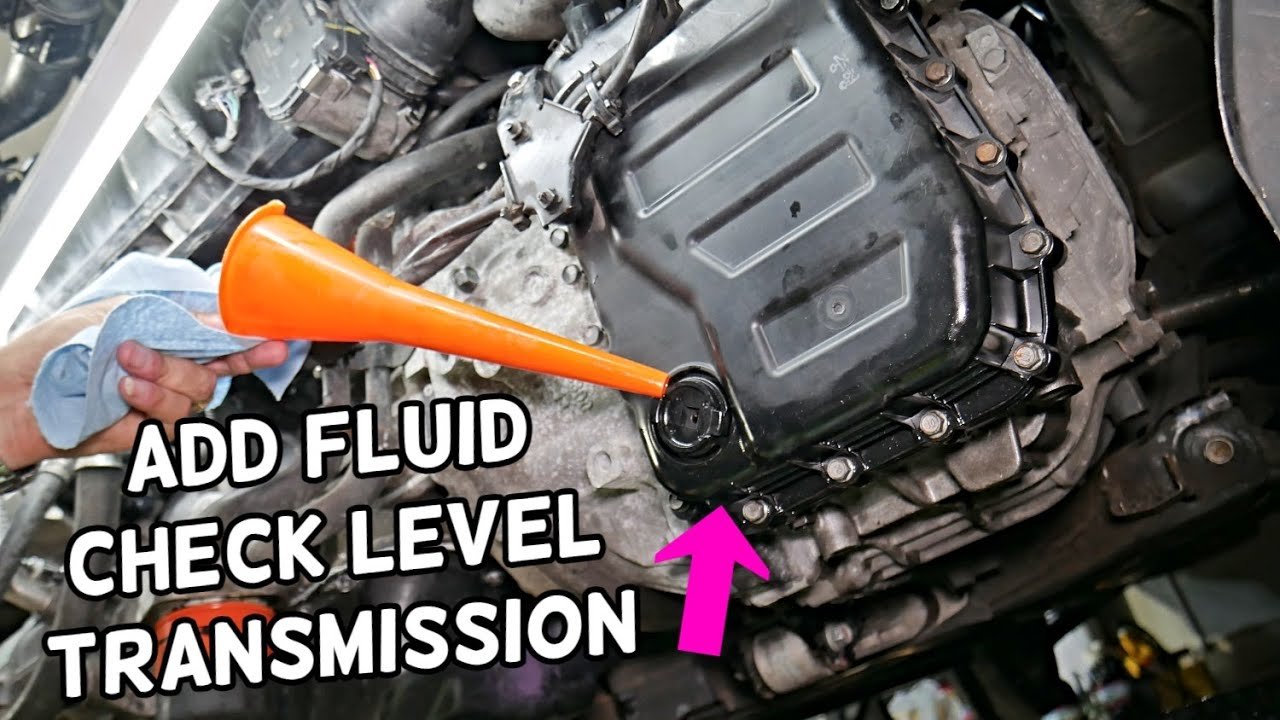
7. Add Fluid If Needed
If the fluid is low, use a funnel to add small amounts. Don’t overfill; this can cause problems.
Comparing Dipstick Types
Some Jeep Compass models have no dipstick. Here’s a quick comparison:
| Model Year | Dipstick Present | Special Tools Needed |
|---|---|---|
| 2010-2016 | Yes | No |
| 2017-2024 | No | Yes (dealer scan tool) |
If your Compass has no dipstick, a technician uses a scan tool to check fluid temperature and level.
Common Mistakes Beginners Make
Many first-time Jeep owners make avoidable errors. Here are some to watch for:
1. Checking Fluid Cold
Always check when the engine is warm. Cold fluid expands when hot, giving inaccurate readings.
2. Using Wrong Fluid Type
ATF+4 is required for most Jeep Compass models. Other fluids can cause shifting problems.
3. Overfilling
Too much fluid can foam, leading to poor shifting and transmission damage.
4. Ignoring Fluid Color
Brown or burnt-smelling fluid means internal problems. Don’t just top up change fluid.
5. Not Checking For Leaks
Even small leaks can quickly drop fluid levels. Inspect under the vehicle for puddles.
When To Change Transmission Fluid
Fluid doesn’t last forever. Jeep recommends changing transmission fluid every 60,000 miles. If you tow heavy loads or drive in hot climates, change it sooner.
Fluid Life Comparison
Here’s how transmission fluid life compares for different driving conditions:
| Driving Condition | Recommended Change Interval |
|---|---|
| Normal Driving | 60,000 miles |
| Towing/Heavy Use | 30,000 miles |
| Extreme Heat | 30,000 miles |
Many owners forget that fluid breaks down faster under stress. Changing it on time keeps your transmission running longer.
Signs Of Transmission Trouble
If you notice any of these, check your fluid right away:
- Delayed gear shifts
- Slipping gears
- Grinding noises
- Transmission warning light
- Fluid puddles under the car
Ignoring these signs risks expensive repairs. Always act quickly.
Expert Tips Most Owners Miss
- Check fluid after driving, not before. The reading is more accurate.
- Don’t mix fluid brands. Stick to the recommended type.
- Record fluid checks. Keep a log with dates and mileage.
- Inspect the transmission pan for metal shavings during fluid changes. This can signal internal wear.
Most beginners don’t realize that even small errors can cause big problems. Careful attention to detail pays off.
Jeep Compass Transmission Fluid Specs
Here’s a handy reference for fluid specs:
| Model Year | Fluid Type | Capacity (quarts) |
|---|---|---|
| 2010-2016 | ATF+4 | 6.0 |
| 2017-2024 | ATF+4 | 5.5 |
Always use the recommended fluid and check your manual for exact capacity.
Frequently Asked Questions
How Often Should I Check Transmission Fluid?
It’s best to check every 6 months or before long trips. If you drive in tough conditions, check more often.
What If My Jeep Compass Has No Dipstick?
Newer models require a technician’s scan tool to check fluid. Visit an authorized dealer or qualified mechanic.
Can I Use Any Brand Of Atf+4 Fluid?
Stick to approved brands. Mixing brands can affect performance. Mopar ATF+4 is usually recommended.
What Happens If I Overfill The Transmission?
Overfilling can cause fluid foaming, poor shifting, and possible internal damage. Always add fluid slowly and check levels.
Where Can I Find Official Jeep Compass Transmission Specs?
For detailed specs and maintenance info, visit the official Jeep website or check your owner’s manual. The Jeep Compass official page has helpful guides.
Keeping your Jeep Compass transmission fluid in good shape is simple but powerful. Regular checks, using the right fluid, and watching for early signs of trouble will keep your SUV running smoothly for years.
With these practical steps, you can avoid common mistakes and feel confident about maintaining your vehicle.