Owning a Jeep Wrangler means enjoying adventures on and off the road. But to keep your Wrangler running smoothly, you must pay attention to basic maintenance—especially the coolant level.
Checking your coolant isn’t just for experts; it’s a simple task every driver can do. Low coolant can lead to overheating, expensive engine damage, or even leave you stranded.
In this guide, you’ll learn exactly how to check the coolant level in your Jeep Wrangler, what to look out for, and how to stay safe while doing it.
Why Coolant Matters For Your Jeep Wrangler
Coolant, also called antifreeze, is vital for your Jeep’s engine. It keeps the engine from getting too hot or freezing in cold weather. The right coolant level ensures the engine operates within a safe temperature range, protecting important parts like the radiator, water pump, and hoses.
If your Jeep’s coolant drops too low, the engine can quickly overheat. Overheating can warp engine parts, damage gaskets, or even cause the engine to fail.
That’s why it’s smart to check the coolant level regularly especially before long trips, after off-roading, or when you notice unusual engine temperatures.
Tools And Preparation
You don’t need special tools to check your coolant, but preparation keeps the process safe and easy.
What you need:
- Clean rag or paper towel
- Flashlight (if working in low light)
- Safety gloves (optional)
Before starting:
- Park on level ground. This helps you get an accurate reading.
- Let the engine cool. Hot coolant can cause burns. Wait at least 30 minutes after driving.
- Open the hood safely. Use the release inside your Jeep, then lift the hood and secure it.
Pro tip: Some beginners forget to let the engine cool, risking burns. Always double-check the temperature gauge before touching anything under the hood.
Locating The Coolant Reservoir
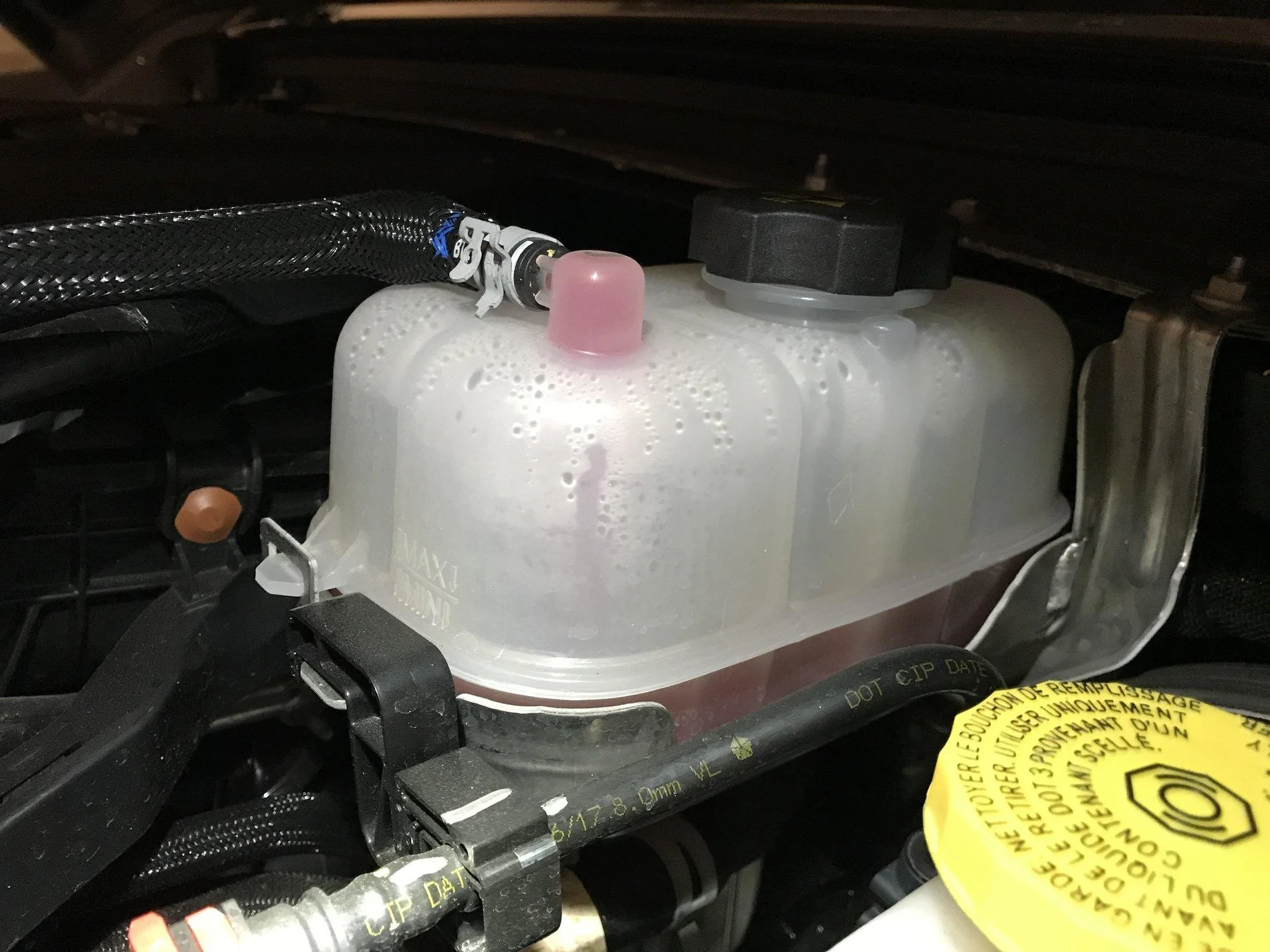
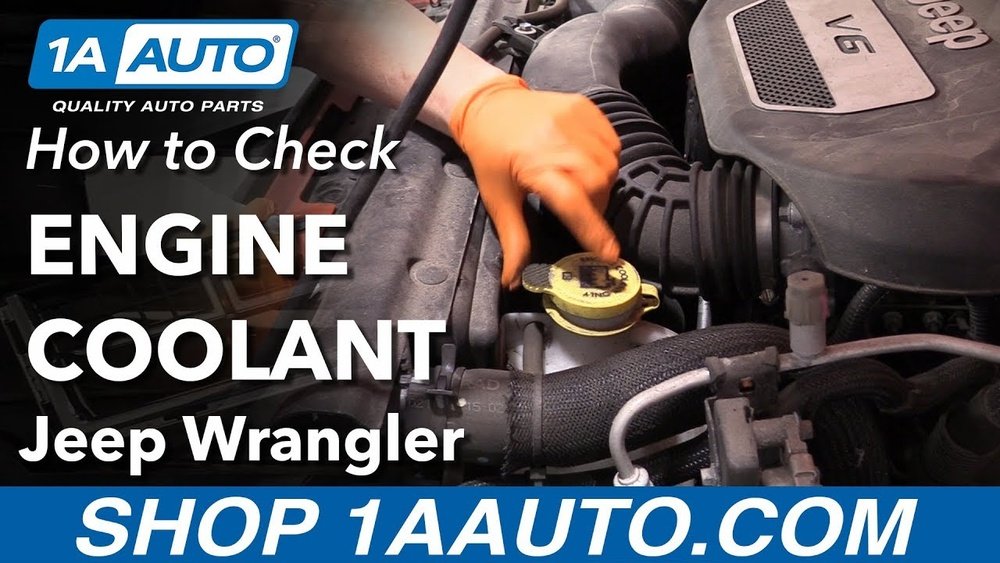
The coolant reservoir is a translucent plastic tank, usually found on the passenger side near the radiator. It’s marked with MIN (minimum) and MAX (maximum) lines.
Here’s a quick comparison of typical coolant reservoir locations for different Wrangler generations:
| Wrangler Model | Reservoir Location |
|---|---|
| YJ (1987–1995) | Passenger side, near firewall |
| TJ (1997–2006) | Passenger side, front corner |
| JK (2007–2018) | Passenger side, beside radiator |
| JL (2018–Present) | Passenger side, near front grille |
If you’re unsure, your Jeep owner’s manual has a diagram showing the exact location.
Step-by-step: How To Check Coolant Level
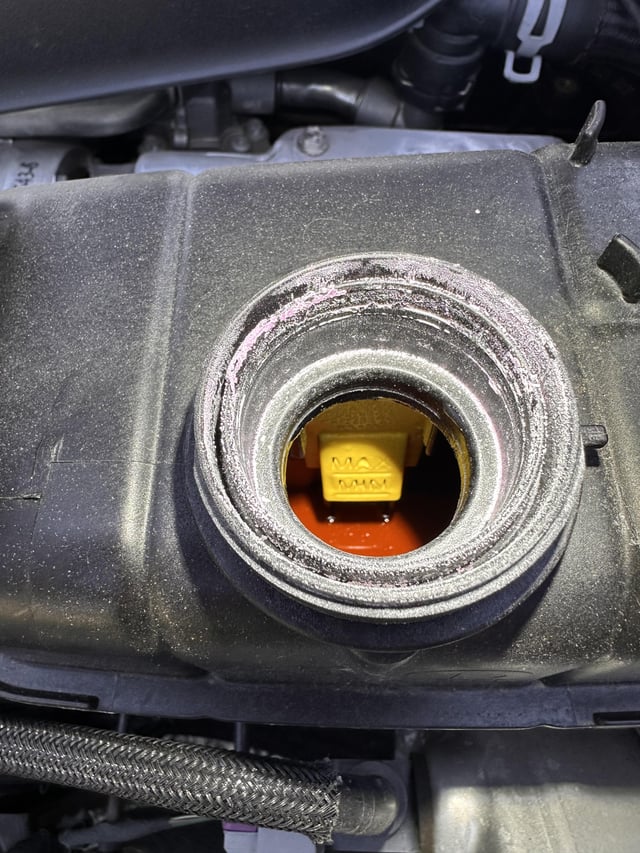
- Inspect the reservoir. Look at the side of the coolant tank. You’ll see the colored coolant fluid and the MIN/MAX lines.
- Check the level. The coolant should be between these lines. If it’s below the MIN line, you need to add more.
- Look for color and clarity. Healthy coolant is usually bright green, orange, or pink (depending on the type). If it’s brown, rusty, or has particles, it may be time to change it.
- Do NOT open the radiator cap when the engine is hot. If you need to check the radiator directly, wait until the engine is completely cool.
Example: Suppose you spot the coolant just touching the MIN line after a long drive. It’s best to wait for the engine to cool and then top off with the correct coolant mixture.
Topping Up Your Coolant
If your coolant is low, topping it up is simple. Here’s how:
- Buy the right coolant type. Most Jeep Wranglers use HOAT (Hybrid Organic Acid Technology) or OAT (Organic Acid Technology) coolant. Check your manual or the coolant cap for the correct type.
- Mix with water if needed. Many coolants are sold as concentrates. Use a 50/50 mix of coolant and distilled water unless the bottle says “pre-mixed.”
- Open the reservoir cap slowly. Only do this when the engine is cold.
- Pour coolant to the MAX line. Don’t overfill—leave space for expansion.
- Replace the cap securely. Make sure it clicks into place.
Here’s a quick reference for Jeep Wrangler coolant types by model year:
| Model Year | Coolant Type |
|---|---|
| Up to 2012 | HOAT (pink/purple) |
| 2013 and newer | OAT (orange) |
Common mistake: Mixing the wrong coolant types can cause sludge and damage your cooling system. Always double-check before buying.
When To Check Coolant Level
You don’t need to check coolant every day, but regular checks prevent surprises.
- Monthly: A quick glance at the reservoir is enough for most drivers.
- Before long trips: Always check before road trips or off-roading.
- If you notice leaks or overheating: Check immediately if you see puddles under your Jeep or the temperature gauge climbs.
Signs Of Coolant Problems
Low coolant isn’t the only thing to watch for. Be alert to these warning signs:
- Sweet smell under the hood
- Visible leaks under your Jeep
- Steam from the radiator
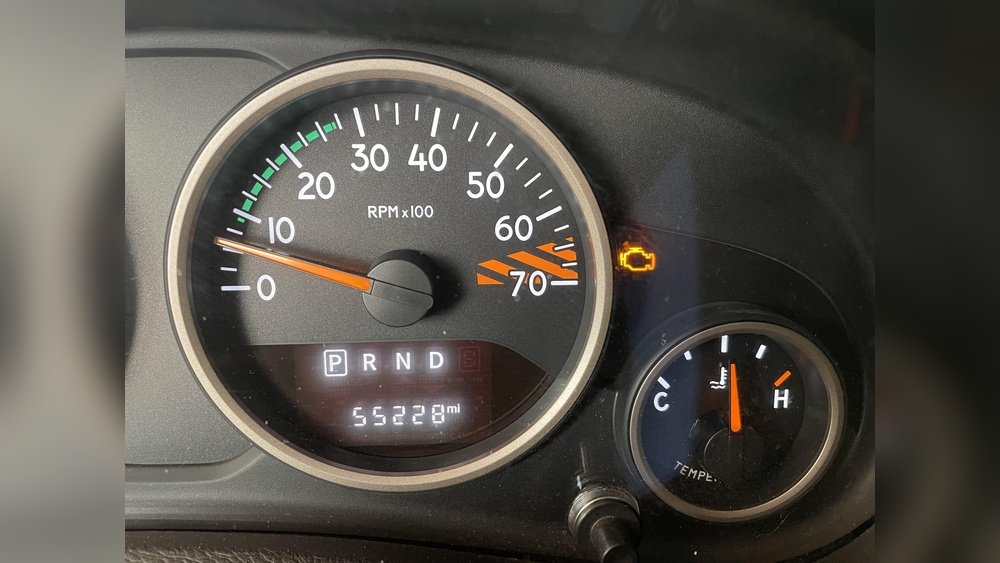
- High temperature gauge
Ignoring these can lead to bigger (and more expensive) problems. If you’re refilling coolant often, a leak might be the cause.
Advanced Tips For Jeep Owners
Here are two advanced insights many beginners miss:
- Check hoses and clamps when you check coolant. Brittle hoses or loose clamps can cause slow leaks.
- Monitor coolant level changes after off-road trips. Bouncing and rough terrain can loosen connections or cause minor leaks.
Being proactive with these checks can prevent breakdowns in remote areas.
What To Do If Coolant Is Always Low
If you keep adding coolant but the level drops again, don’t ignore it. Common causes include:
- Radiator leaks
- Cracked reservoir
- Failing water pump
- Head gasket issues
These require a mechanic’s help. It’s better to catch them early than risk engine failure.
Frequently Asked Questions
How Often Should I Check My Jeep Wrangler’s Coolant Level?
Check at least once a month, and always before long trips or off-road driving. If your Jeep is older or has high mileage, check more often.
Can I Use Water Instead Of Coolant In An Emergency?
In a short-term emergency, distilled water can work. But always replace with the proper coolant mix as soon as possible.
Water alone doesn’t protect against freezing or rust.
What If My Coolant Is A Strange Color Or Has Particles?
Discolored or dirty coolant means it’s time for a full flush and replacement. Old coolant loses its protective qualities and can damage your engine.
Is It Safe To Open The Radiator Cap?
Never open the radiator cap when the engine is hot. Pressure can cause hot coolant to spray out and cause burns. Wait until everything is cool.
Where Can I Find More Detailed Information For My Specific Wrangler?
Your owner’s manual is the best place. For official details, visit the Jeep Official Owner’s Manual page.
By making coolant checks a habit, you’re protecting your Jeep Wrangler’s engine and ensuring more trouble-free adventures ahead.
Regular attention to this small detail can save you money and keep you safe so take a few minutes to check your coolant and drive with confidence.