Changing the front lights on a 2010 Jeep Wrangler is one of the simplest upgrades you can make, but many beginners feel nervous about touching anything under the hood. If your headlights are dim, damaged, or simply outdated, replacing them can improve your visibility and safety on the road. The process doesn’t require special tools or advanced skills, just a bit of patience and the right approach. This guide will walk you through every step—from choosing the right bulbs to installing them securely—so you can tackle this job confidently at home.
Understanding Your 2010 Jeep Wrangler Headlights
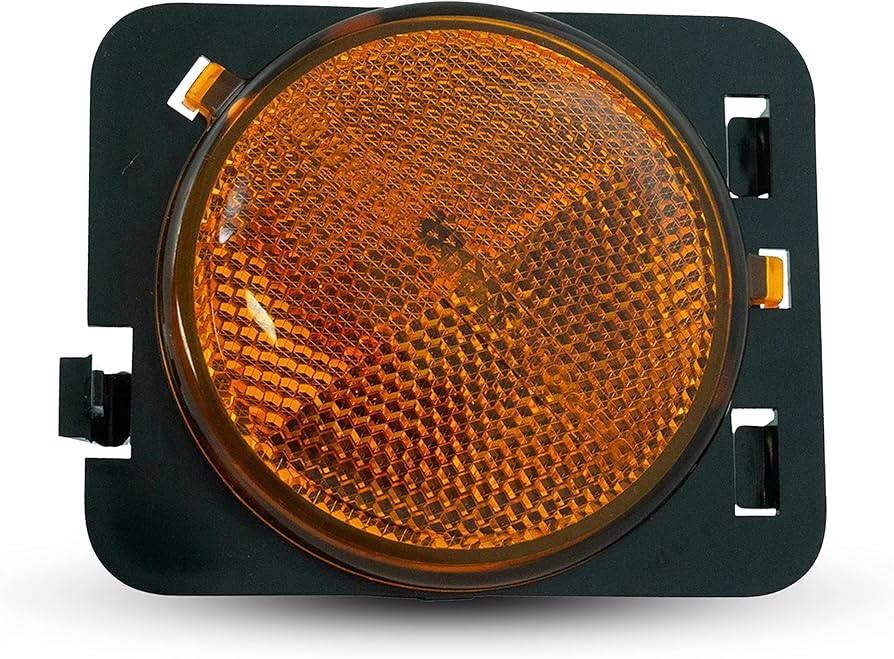
Before you start, it’s important to know what type of headlights your Jeep uses. The 2010 Jeep Wrangler typically comes with halogen bulbs in a round 7-inch housing. Some owners upgrade to LED or HID bulbs, but the standard setup is halogen. Each side has a main headlight and a turn signal/parking light below it.
Why Replace Your Headlights?
- Improved visibility: New bulbs shine brighter and farther, helping you see obstacles sooner.
- Safety: Proper headlights make you more visible to other drivers.
- Legal compliance: Faded or broken lights can get you a ticket.
Tools And Materials Needed
You don’t need many tools for this job. Here’s what you’ll need:
- New headlight bulbs (7-inch, H13 halogen or LED equivalents)
- Flathead screwdriver
- Torx screwdriver (T15 or T20, depending on trim)
- Gloves (to protect bulbs from oil)
- Microfiber cloth (for cleaning)
- Socket wrench (optional, for certain trim levels)
If you’re upgrading to LED, check compatibility and whether you need a wiring harness or anti-flicker adapter.
Preparing Your Jeep Wrangler
Park your Jeep on a flat surface and turn off the engine. For safety:
- Let the headlights cool down.
- Disconnect the negative terminal of the battery to avoid electrical shorts.
- Open the hood and secure it.
Step-by-step Guide: Changing The Front Lights
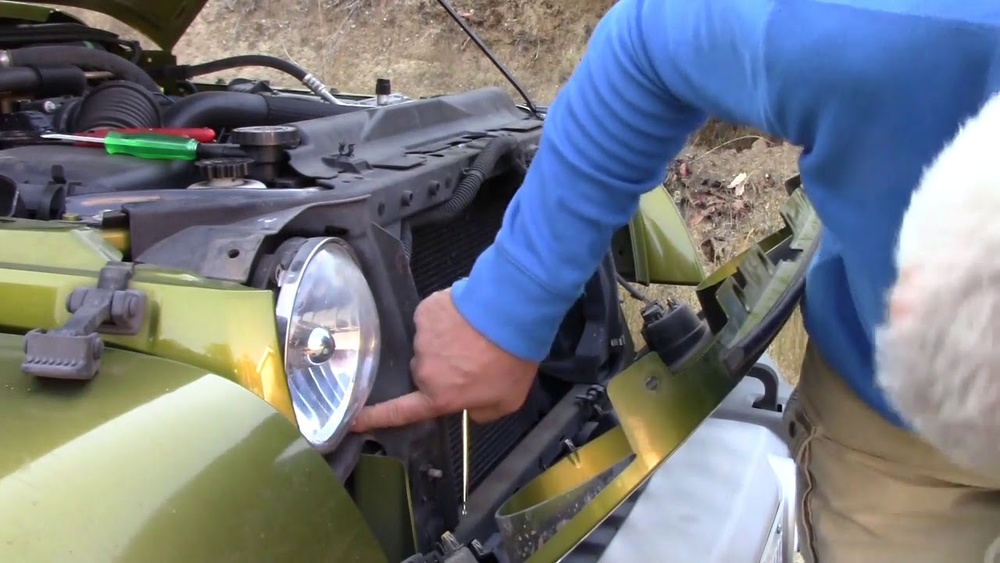
1. Remove The Grille
To access the headlight assembly, you need to remove the front grille. This is easier than it looks.
- Locate the plastic push clips along the top edge of the grille.
- Use a flathead screwdriver to pop each clip upwards.
- Gently pull the grille forward. It may feel tight, but it’s held by tabs at the bottom—wiggle it gently.
2. Unscrew The Headlight Retaining Ring
Under the grille, you’ll see the headlight surrounded by a metal ring.
- Use a Torx screwdriver to remove the screws from the retaining ring.
- Set the screws aside; you’ll need them to reinstall later.
- Carefully pull the headlight forward.
3. Disconnect The Wiring Harness
The headlight is connected to the Jeep by a wiring plug.
- Press the release tab and pull the plug out.
- Don’t yank the wires—hold the plug itself.
- Remove the old bulb or assembly.
4. Install The New Headlight
- If you’re using a bulb, insert it into the housing and twist to lock.
- If you’re replacing the whole assembly, align the new headlight with the plug and connect the wiring harness.
- Make sure the connection is tight and secure.
5. Reattach The Retaining Ring
- Place the ring back over the new headlight.
- Screw it in firmly, but don’t overtighten.
6. Reinstall The Grille
- Align the grille tabs with the slots at the bottom.
- Push the grille back into position.
- Reinsert the plastic clips at the top.
7. Test Your New Headlights
Reconnect the battery and turn on the headlights. Check:
- Low beam and high beam functions
- Turn signals and parking lights
- Proper alignment (the beam should not point too high or too low)
If you notice flickering, check the wiring and compatibility.
Common Mistakes Beginners Make
- Touching the bulb glass: Oils from your fingers can cause bulbs to burn out faster. Always wear gloves.
- Forgetting to disconnect the battery: This can cause electrical shorts or shocks.
- Misplacing screws: Keep all hardware organized to avoid losing small pieces.
- Incorrect bulb type: Using the wrong bulb can damage the housing or wiring.
- Improper alignment: Poorly aimed headlights can blind other drivers or reduce your own visibility.
Upgrading To Led Or Hid Bulbs
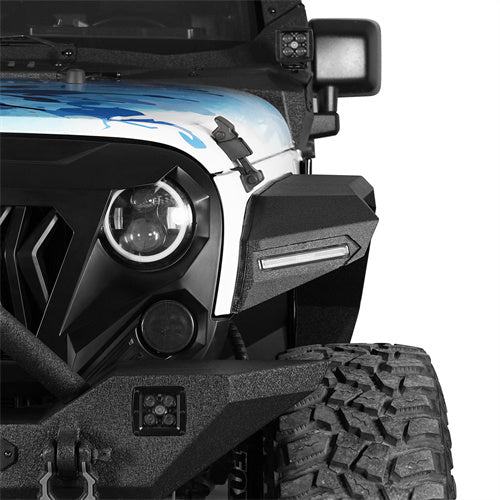
Many Jeep owners upgrade from halogen to LED or HID bulbs for brightness and longer life. However, these require extra steps:
- Check for compatibility with your Jeep’s wiring.
- You may need a canbus adapter or anti-flicker device.
- Some LED bulbs require a heat sink or additional space.
Below is a quick comparison between halogen and LED bulbs:
| Feature | Halogen | LED |
|---|---|---|
| Brightness (Lumens) | 1,000–1,500 | 4,000–6,000 |
| Lifespan (Hours) | 500–1,000 | 20,000–30,000 |
| Color Temperature | 3,000–4,000K | 6,000–6,500K |
| Cost | $15–$40 | $60–$150 |
Choosing The Right Headlight Bulbs
When buying replacement bulbs, look for:
- H13 bulb size: This is standard for the 2010 Wrangler.
- DOT-approved: Ensures legal compliance.
- Warranty: Good bulbs often come with a 1-2 year warranty.
- Brand reputation: Popular brands include Philips, Sylvania, and Auxbeam.
Avoid buying cheap, unbranded bulbs they often fail quickly or cause electrical issues.
How To Align Your New Headlights
Proper alignment is important for safety. Misaligned lights can reduce visibility or blind other drivers. Here’s a quick method:
- Park 25 feet away from a flat wall.
- Mark the horizontal and vertical center of your headlights on the wall.
- Adjust the headlight screws to move the beams so they line up with the marks. The low beam should be slightly below the center line.
Below is a table showing recommended headlight heights and distances:
| Vehicle Height | Distance From Wall | Beam Height |
|---|---|---|
| Standard Jeep Wrangler | 25 ft | 24–26 in |
| Lifted Jeep Wrangler | 25 ft | 26–28 in |

Practical Tips For Smooth Replacement
- Work in daylight: Better visibility helps prevent mistakes.
- Keep all parts organized: Use a tray or magnet for screws and clips.
- Check local laws: Some states have rules about headlight color and brightness.
- Inspect wiring: If you see corrosion or damage, replace the connector.
- Test before final assembly: It’s easier to fix wiring with the grille off.
Data: How Often Should You Change Headlights?
On average, halogen bulbs last 1–2 years, while LED bulbs can last up to 5 years. If you notice dimming or flickering, change the bulbs sooner. Statistics show that 30% of accidents at night involve poor lighting, so regular checks are important.
Example: Real-world Jeep Owner Experience
Many Jeep owners report that changing headlights takes less than 30 minutes once you know the steps. One common insight: older Jeeps may have brittle clips or rusty screws—so have spares and rust penetrant ready. If you upgrade to LED, some report needing extra adapters for proper fit.
For more technical details, you can check the official Jeep forums or the manufacturer’s guide. For a comprehensive breakdown, visit Jeep Official Site.
Frequently Asked Questions
How Do I Know Which Bulb To Buy For My 2010 Jeep Wrangler?
You need an H13 bulb for the main headlight. Check your owner’s manual or the bulb itself for confirmation. For upgrades, make sure the bulb fits a 7-inch housing and is DOT-approved.
Can I Upgrade To Led Headlights Without Changing The Housing?
Yes, you can use LED bulbs that fit the H13 socket. However, some LED assemblies may require a new housing or extra adapters. Always check compatibility before buying.
What Should I Do If My New Headlights Flicker?
Flickering usually means a wiring issue or incompatibility with the Jeep’s electrical system. Try a canbus adapter or anti-flicker harness. If the problem continues, check for loose connections.
Do I Need To Align My Headlights After Changing Them?
Yes. Proper alignment ensures you don’t blind other drivers and can see the road clearly. Use the wall alignment method described above.
How Long Does It Take To Change The Headlights?
For most people, it takes 20–30 minutes per side. If you’re upgrading to LED and need extra adapters, it may take longer.
Changing your 2010 Jeep Wrangler front lights is a straightforward job that pays off with brighter, safer driving. Whether you stick with halogen bulbs or upgrade to LED, following these steps ensures you’ll get the best performance and avoid common mistakes. With the right tools and a careful approach, you can finish the job quickly and confidently.