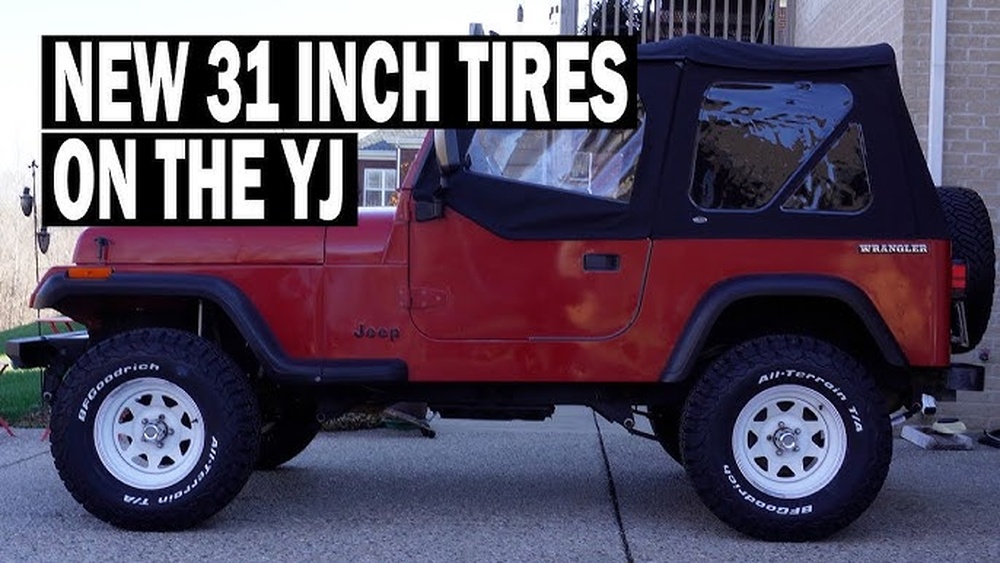
If your 1995 Jeep Wrangler steering wheel is not centered, it can make driving uncomfortable and sometimes unsafe. You might notice the steering wheel sits off to the left or right when you’re driving straight. This usually happens after suspension work, such as installing a lift kit or adjusting the track bar. The good news is, centering the steering wheel is a straightforward process if you follow the right steps and use basic tools. This guide will show you exactly how to center your steering wheel, what to avoid, and some tips you may not find in most manuals.
Why Steering Wheel Centering Matters
A centered steering wheel is more than just about looks. When your wheel is off-center, your Jeep’s turn signals may not self-cancel correctly, and it can even confuse electronic systems if you have aftermarket upgrades.
More importantly, a crooked wheel can hide bigger problems with your suspension or alignment.
Getting this right helps you enjoy a smoother, safer ride.
What Causes An Off-center Steering Wheel
On a 1995 Jeep Wrangler, the most common causes are:
- Adjusting or replacing the track bar
- Installing a suspension lift
- Changing tie rod ends
- Damage from off-road use
Even small changes to the front suspension can shift the steering wheel. After making these adjustments, the steering wheel may no longer match the direction of the wheels.
Tools And Supplies You’ll Need
Before you start, make sure you have:
- Wrench set (typically 13mm, 15mm, and 19mm)
- Tape measure or ruler
- Marker or chalk
- Jack and jack stands (for safety)
- Wheel chocks
Optional but helpful:
- Penetrating oil (for rusty bolts)
- Steering wheel puller (rarely needed)
- Gloves
Having the right tools makes the job smoother and prevents damage to components.
Safety First
Always work on a flat, level surface. Use wheel chocks behind the rear wheels. If you need to lift the Jeep, support it securely with jack stands. Never rely on a jack alone. Wear gloves to protect your hands from grease and sharp edges.
Step-by-step: How To Center Steering Wheel On A 1995 Jeep Wrangler
1. Check Your Alignment First
Before adjusting anything, make sure your front-end alignment is correct. Adjusting the steering wheel on a Jeep with bad alignment is a waste of time and may cause uneven tire wear. If you’ve recently done suspension work or changed steering components, get an alignment or check toe-in using a tape measure.
2. Locate The Drag Link Adjuster
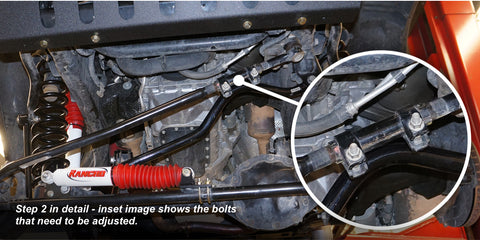
On your Wrangler, the steering wheel position is adjusted by turning the drag link. The drag link runs from the steering box to the passenger-side steering knuckle and has an adjuster sleeve with two clamps.
- Find the adjuster sleeve on the drag link.
- Clean the area if it’s dirty, and spray penetrating oil if rusty.
3. Mark The Current Position
Use a marker to make a reference mark on the drag link and the sleeve. This helps you track how much you turn the sleeve, so you don’t lose your place.
4. Loosen The Adjuster Clamps
Use the correct size wrench (often 13mm or 15mm) to loosen the two clamps on the drag link adjuster sleeve. You don’t need to remove them, just loosen enough so the sleeve can turn.
5. Adjust The Steering Wheel
- Sit in the Jeep with the wheels pointed straight ahead.
- Have a helper watch the front wheels, or use the steering wheel itself as a visual guide.
- Turn the adjuster sleeve with your hand or a wrench. Turning one way will rotate the steering wheel left; the other way rotates it right.
- Make small adjustments (about 1/8th turn at a time).
- After each adjustment, tighten the clamps a little, drive forward 20–30 feet, and see if the wheel is centered.
Pro Tip: Always make adjustments with the vehicle on the ground, under its own weight. This gives a true reading.
6. Test And Fine-tune
Repeat the process: adjust, test drive, check. It may take a few tries to get it perfect. The goal is to have the Jeep drive straight with the steering wheel centered.
7. Tighten Everything Down
Once you’re satisfied, fully tighten the drag link adjuster clamps. Double-check your reference marks to confirm nothing moved.
8. Check Turn Signal Canceling
After centering, make sure your turn signals cancel correctly when you return the wheel to center. If not, you may need to re-center the steering wheel more precisely.
Common Mistakes To Avoid
- Skipping alignment: Centering the wheel with bad alignment leads to poor handling and uneven tire wear.
- Over-adjusting: Small turns on the sleeve make a big difference. Go slow.
- Not test driving: Always check with a short drive before final tightening.
- Ignoring worn parts: If you see play in the drag link or tie rod ends, replace them before adjusting.
Data Comparison: Stock Vs. Modified Steering Geometry
If you have a lifted Jeep, the steering geometry changes slightly, which can make centering the wheel harder. Here’s a quick look:
| Component | Stock Height | 2″ Lift | 4″+ Lift |
|---|---|---|---|
| Drag Link Angle | 10° | 13° | 15°–18° |
| Steering Wheel Off-Center (Typical) | Minimal | 1″–2″ | 2″–3″ |
| Track Bar Length Needed | Stock | Adjustable Recommended | Adjustable Required |
As you can see, more lift means more adjustment is usually needed.
When To Seek Professional Help
If the steering wheel won’t center after several attempts, you might have:
- A bent drag link
- Damaged steering box
- Worn tie rod ends
- Incorrect track bar length
These issues require inspection by a professional. Don’t drive with a misaligned steering wheel if you feel loose steering or hear clunks.
How To Know If You Got It Right
You’ve done the job right if:
- The Jeep drives straight on a flat road
- The steering wheel logo sits level
- Turn signals cancel naturally after a turn
- There’s no play in the steering
If you notice uneven tire wear or the steering feels vague, recheck your work and consider a professional alignment.
Real-world Example
Let’s say you just installed a 2. 5" suspension lift on your 1995 Wrangler.
After the install, your steering wheel points 15 degrees to the left when driving straight. Following the steps above, you turn the drag link adjuster sleeve about a quarter turn to the right, test drive, and find the wheel is now only 2 degrees off.
After a final small adjustment, the wheel sits perfectly centered.
Table: Typical Steering Wheel Offsets After Common Modifications
| Modification | Expected Offset | Adjustment Needed |
|---|---|---|
| Track Bar Replacement | 5–10° | Minor |
| 2″ Lift | 10–15° | Moderate |
| 4″ Lift | 15–20° | Major |
| New Tie Rod Ends | 3–5° | Minor |
Two Insights Most People Miss
- Adjust in Small Increments: Many beginners over-correct by spinning the adjuster sleeve too far. Even a quarter turn can make a big change in wheel position. Always adjust less than you think, then test.
- Check for Play: If your steering doesn’t feel tight after centering, you may have worn tie rod ends or a loose track bar. Adjusting won’t fix worn parts—replace them for safety.
Maintenance Tips After Centering
- Check the drag link clamps after 100 miles to ensure they’re still tight.
- Inspect steering components for wear every oil change, especially if you off-road often.
- If the steering wheel goes off-center again, something may be loose or worn.
Frequently Asked Questions
Why Does My Steering Wheel Go Off-center After A Lift?
A suspension lift changes the angle and length of the track bar and drag link. This shifts the steering wheel position, requiring adjustment.
Can I Drive With An Off-center Steering Wheel?
You can, but it’s not safe. It can hide alignment problems, cause uneven tire wear, and affect turn signal function.
How Long Does It Take To Center The Steering Wheel?
If you have the right tools, it usually takes 30–60 minutes. Add more time if parts are rusty or hard to reach.
Do I Need A Wheel Alignment After Centering The Steering Wheel?
If you only adjust the drag link to center the wheel, you don’t change the alignment. But always check alignment if you’ve changed other suspension parts.
Where Can I Find More Info About Jeep Steering Systems?
You can learn more about Wrangler steering and suspension setups at the official Jeep Wrangler Wikipedia page.
A centered steering wheel on your 1995 Jeep Wrangler makes driving safer and more enjoyable. With patience, the right tools, and a careful approach, you can achieve a factory-like feel—even if you’ve modified your Jeep. Remember to check all connections, test drive after each adjustment, and don’t rush the process. Your Jeep will thank you on every trail and highway.