Building your own Jeep frame is a serious project, but it can turn a rusty dream into a trail-ready reality. Whether you’re restoring a classic Willys or creating a custom rock crawler, the frame is the backbone of your vehicle.
A strong, well-built frame means better safety, handling, and durability. Many enthusiasts choose to build their own frame to match exact specs, improve off-road performance, or simply save money over buying a new one.
Let’s break down the process, key decisions, and common mistakes—so your Jeep stands tall for years to come.

Planning Your Jeep Frame Build
A good Jeep frame starts with a solid plan. First, measure the body and axles you’ll use.
Every Jeep model is a bit different, so frame size and mount locations matter. Decide if you’re copying the original design or making changes for bigger tires or stronger axles.
Gather all necessary tools and materials before you start:
- 120-wall square or rectangular steel tubing (most common: 2”x4”)
- Welding machine (MIG or TIG)
- Angle grinder, clamps, and metal saw
- Measuring tape, marker, and level
- Safety gear: Gloves, glasses, fire extinguisher
Don’t forget to consider the suspension type—leaf spring and coil spring setups have different frame requirements. Draw detailed plans or use digital design software if possible. Many mistakes happen because of poor planning.
Choosing The Right Steel And Frame Design
Selecting the correct steel is critical. Most Jeep frames are built from mild steel, which is strong, easy to weld, and affordable. Thickness is important: 0.120” wall is common for off-road use, while 0.188” offers extra strength for heavy-duty builds.
Here’s a quick comparison of common steel types for Jeep frames:
| Steel Type | Strength | Weldability | Cost |
|---|---|---|---|
| Mild Steel | High | Excellent | Low |
| Chromoly | Very High | Good (precise) | High |
| Stainless Steel | Medium | Challenging | Very High |
Most builders stick with mild steel for its balance of cost and reliability.
When designing, decide on a ladder, boxed, or fully custom frame shape. Boxed frames are popular for their strength and resistance to twisting, especially for off-roading. However, they’re heavier and require more welding than a simple ladder frame.

Step-by-step Frame Construction
Building a frame is all about careful measurement and strong welds. Here’s a basic outline:
- Cut the steel tubing to match your design. Mark every piece carefully—small errors multiply.
- Layout the pieces on a flat surface. Use clamps and magnets to hold them straight.
- Tack weld each joint before full welding. Check for squareness after every few tacks.
- Fully weld the joints once everything is straight and fits well.
- Add crossmembers for extra strength. Most frames use at least three.
- Mount suspension brackets and body mounts. Double-check locations using your axles and body.
- Grind down welds where needed, but never weaken a joint by over-grinding.
- Test fit the frame with the body, axles, and suspension before final paint or coating.
Here’s a simple table comparing boxed and ladder frame features:
| Frame Type | Strength | Weight | Complexity |
|---|---|---|---|
| Boxed | Very High | Heavy | High |
| Ladder | Medium | Lighter | Lower |
Pro tip: Let the frame cool slowly after welding to prevent warping.
Important Details And Common Mistakes
Many beginners overlook frame alignment. The slightest twist or uneven weld can cause handling problems or poor body fit. Always measure corner-to-corner and use a large square.
Another missed detail is rust protection. Bare steel frames will rust quickly, especially in wet climates. Use a high-quality primer and paint, or consider powder coating for best results.
Take your time with mount placement. Even being off by half an inch can cause big headaches when fitting the body, axles, or engine. Test fit as you go.
Here’s a table showing common mistakes and how to avoid them:
| Mistake | Problem | Prevention |
|---|---|---|
| Poor Measurements | Misalignment | Double-check with templates |
| Weak Welds | Frame failure | Use proper technique and good equipment |
| Skipping Rust Protection | Corrosion | Paint or powder coat all surfaces |
Safety And Legal Tips
Building a Jeep frame means handling heavy steel and high heat. Always wear gloves, a welding helmet, and eye protection.
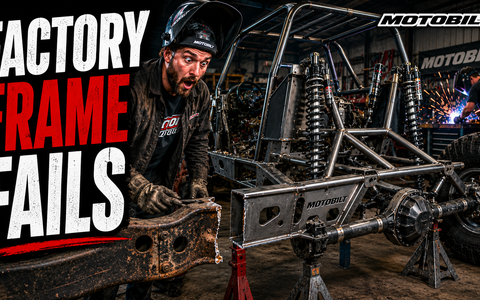
Keep a fire extinguisher close by. If you’re not confident in your welding, get help from a professional frame failures can be deadly.
Check your local DMV or transportation office for vehicle laws. Homemade frames often need inspection and paperwork to be street-legal. Some states require proof of material quality or certified welds. Skipping this step can mean trouble registering your finished Jeep.
Final Checks Before Using Your Frame
Before installing the drivetrain and body, inspect every weld and mounting point. Tap welds with a hammer hollow sounds can indicate weak spots.
Make sure all mounting holes line up with the body and axles. A few hours spent checking now can save weeks of problems later.
If you plan to tow or carry heavy loads, consider reinforcing key stress points with extra steel plates.

Wrapping Up
Building your own Jeep frame is challenging but rewarding. With careful planning, quality materials, and attention to detail, you can create a frame that’s stronger and more reliable than factory originals.
The process requires patience, precise measurements, and solid welding skills, but the result is a Jeep tailored exactly to your needs.
For more technical frame-building guides, check the official Jeep history and specifications page.
Frequently Asked Questions
What Steel Size Is Best For A Jeep Frame?
Most builders use 2”x4” steel tubing with a 0.120” wall for strength and workability. For heavy-duty or rock-crawling Jeeps, 0.188” wall may be better.
Can I Build A Frame Without Welding Experience?
It’s possible, but not recommended. Strong welds are critical for safety. If you’re new to welding, practice on scrap steel or work with a professional welder.
Do I Need To Box The Entire Frame?
Boxing the entire frame is best for off-road strength. However, some mild builds use a ladder frame with only boxed sections at stress points to save weight.
Will A Homemade Frame Pass Inspection?
Homemade frames can pass inspection, but rules vary. Most states require proof of material quality and sometimes certified welds. Check with local authorities before starting.
How Long Does It Take To Build A Jeep Frame?
For most people, building a frame takes 30–60 hours spread over several weekends. Time depends on skill, tools, and how custom your design is.