The Jeep Grand Cherokee has built a reputation for toughness and reliability. For many drivers, it’s not just a car—it’s a long-term investment. But how many miles can a Grand Cherokee really last? This question matters whether you’re buying new, shopping used, or wondering how long your current Jeep will keep rolling.
Let’s dig into the facts, real-world examples, and what you can do to maximize your Grand Cherokee’s lifespan.
Typical Lifespan Of A Grand Cherokee Jeep
Most Grand Cherokees are known to last a minimum of 150,000 miles. With good care, many owners report reaching between 200,000 and 300,000 miles. Some drivers even push past 350,000 miles, though this is less common.
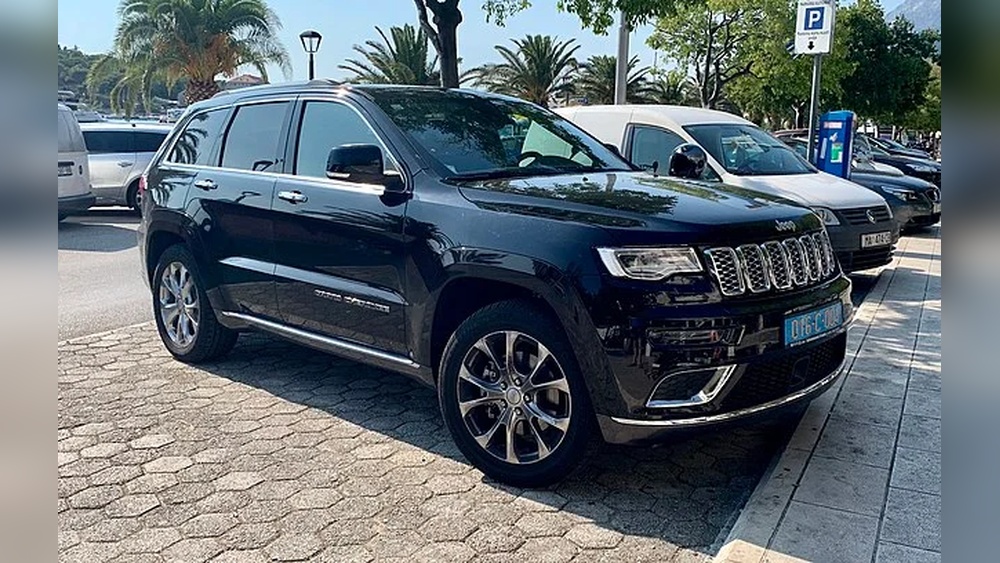
A well-maintained Grand Cherokee can easily last 15 years or more, considering that average American drivers cover about 12,000–15,000 miles per year. Here’s a quick look at what mileage milestones usually mean for a Grand Cherokee:
| Mileage | Condition | Typical Issues |
|---|---|---|
| 0–100,000 | Like new | Minor wear, routine service |
| 100,000–200,000 | Used, reliable | Suspension, brakes, timing belt |
| 200,000–300,000 | High mileage | Transmission, engine gaskets |
| 300,000+ | Exceptional | Major repairs likely |
Factors That Affect Grand Cherokee Longevity
How long your Grand Cherokee lasts depends on several important factors:
1. Maintenance Habits
Regular oil changes, timely fluid checks, and following the service schedule are key. Skipping maintenance is the fastest way to shorten your Jeep’s life.
2. Driving Style
Aggressive driving—hard braking, fast acceleration, frequent off-roading—puts extra stress on the engine and suspension. Gentle, steady driving helps parts last longer.
3. Climate And Environment
Rust from road salt in snowy areas or extreme heat can damage parts. Parking in a garage and washing the underbody helps prevent corrosion.
4. Model Year And Engine Type
Some engines and years are more durable. For example, the 4.0L inline-six in older models is famous for reliability, while certain V8s may require more repairs.
5. Past Repairs And Ownership
A used Grand Cherokee with proof of repairs and a single owner usually outlasts one with a spotty service record.
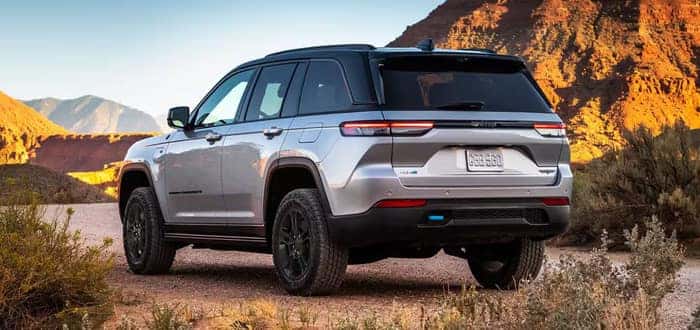
Real-world Examples And Data
Owner forums and car survey sites show thousands of Grand Cherokees passing the 200,000-mile mark. According to a study by iSeeCars, about 0.9% of all Jeep Grand Cherokees on the road have over 200,000 miles, which is above average for SUVs.
Here’s how the Grand Cherokee stacks up against some other popular SUVs:
| Model | % Over 200,000 Miles | Known for Longevity? |
|---|---|---|
| Jeep Grand Cherokee | 0.9% | Yes |
| Toyota 4Runner | 3.9% | Yes |
| Ford Explorer | 0.5% | Average |
| Chevrolet Tahoe | 4.1% | Yes |
While Jeep doesn’t top the list, the Grand Cherokee still performs well compared to many rivals.
How To Help Your Grand Cherokee Reach High Mileage
You can take steps to help your Grand Cherokee last as long as possible:
- Stick to the maintenance schedule in the owner’s manual.
- Use quality fluids and parts—don’t go for the cheapest oil or filters.
- Address warning lights and small problems early, before they become expensive repairs.
- Wash your Jeep regularly, especially if you drive in winter or off-road.
- Check for recalls and get them fixed as soon as possible.
A non-obvious tip: Change the transmission fluid more often than the manual suggests, especially if you tow or drive in tough conditions. This can prevent expensive repairs later.

Common Repairs After 100,000 Miles
Almost every high-mileage Grand Cherokee will need some repairs. Knowing what to expect helps you plan and budget:
- Suspension components (ball joints, bushings, shocks)
- Water pump and radiator
- Timing chain or belt (depending on engine)
- Electrical issues (window switches, sensors)
- Transmission service or rebuild
It’s smart to set aside a small repair fund once your Jeep passes 100,000 miles.
When To Let Go: Signs It’s Time To Replace
Even a well-kept Grand Cherokee will eventually wear out. Watch for these signs:
- Major engine or transmission failure (costs more than the Jeep’s value)
- Frame rust or unsafe corrosion
- Constant electrical or mechanical problems
- Safety features no longer work reliably
If repairs cost more than buying a newer model, it’s usually time to move on.
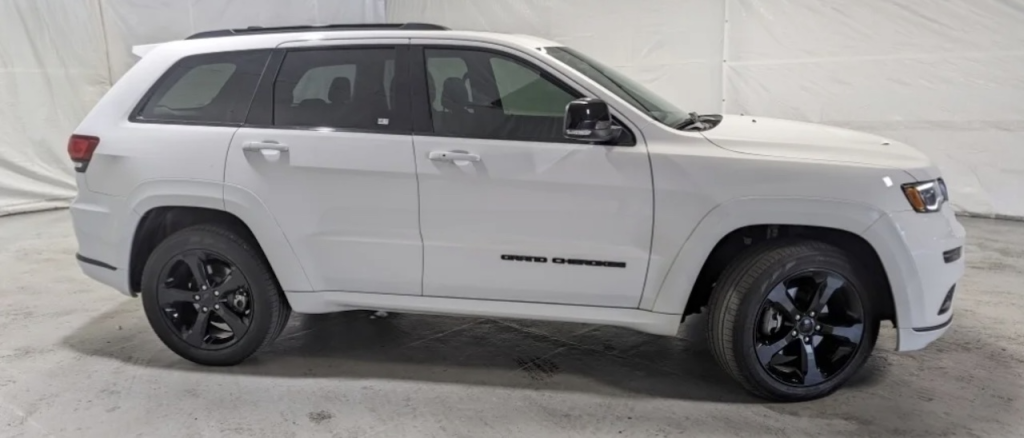
Is Buying A High-mileage Grand Cherokee Worth It?
Buying a used Grand Cherokee with over 100,000 miles can be a good deal if:
- It has a complete service history
- There are no major leaks, strange noises, or transmission issues
- You get it inspected by a trusted mechanic before buying
A hidden insight: Many people overpay for “low-mileage” Jeeps but ignore the maintenance record. A well-cared-for high-mileage Jeep is often more reliable than a neglected low-mileage one.
Frequently Asked Questions
How Many Miles Is Too Many For A Used Grand Cherokee?
Anything above 200,000 miles is considered high, but with good maintenance, these Jeeps can still run well. Always check service records.
What Is The Best Engine For Long Life In A Grand Cherokee?
The 4.0L inline-six (used until 2004) is known for lasting the longest, often over 300,000 miles with basic care.
Are Grand Cherokees Expensive To Repair After 150,000 Miles?
Some parts, like the transmission or suspension, can be costly. But regular maintenance prevents many major repairs. Parts are generally less expensive than luxury SUVs.
Can A Grand Cherokee Handle Lots Of Off-roading And Still Last Long?
Yes, but off-roading increases wear. More frequent maintenance is needed, especially for the suspension and drivetrain.
Where Can I Find More Data On Jeep Reliability?
Sites like Consumer Reports offer detailed reliability ratings and owner feedback.
The Jeep Grand Cherokee is built to last—often much longer than most owners expect. With smart care and a little planning, it’s not unusual to see these Jeeps running strong well past 200,000 miles. If you want a vehicle that can go the distance, the Grand Cherokee is a solid choice. Just remember: maintenance and attention make all the difference.