The Jeep Cherokee XJ is more than just a classic SUV it’s a vehicle that changed the way people see off-roading and family cars. Produced from 1984 to 2001, the XJ is famous for its boxy shape, tough build, and loyal fanbase.
Many car lovers and collectors ask, “How many Jeep Cherokee XJ were made? ” The answer is not always clear, but with careful research and understanding, we can get close to the real numbers.
Jeep Cherokee Xj: A Quick Overview
The Jeep Cherokee XJ was introduced in 1984 as a compact SUV with unibody construction. Before the XJ, most SUVs were large and heavy. The XJ was lighter, more fuel-efficient, and easier to drive in cities. It came with both two-door and four-door models, offering flexibility for different buyers.
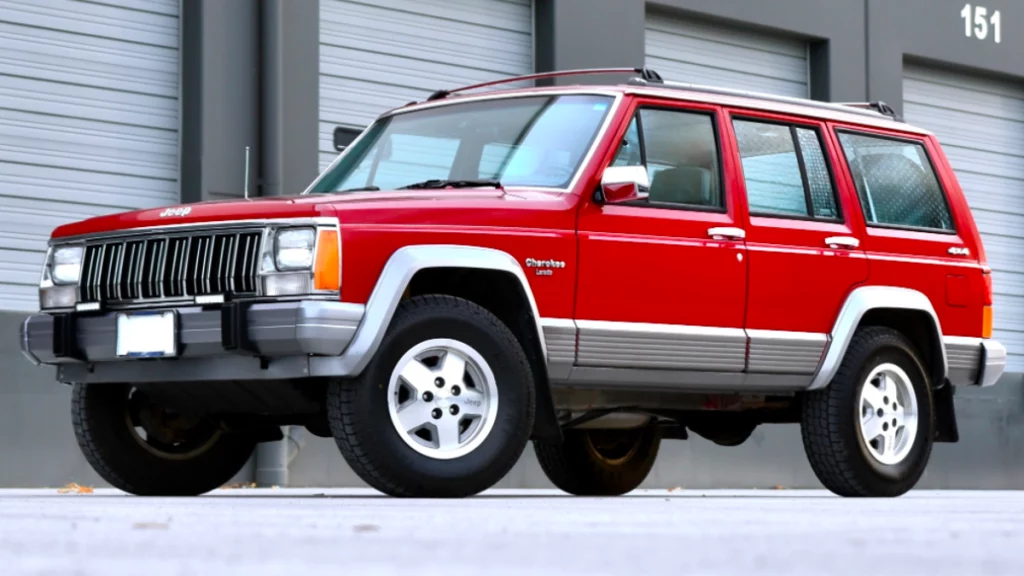
The XJ also helped create the modern SUV market. It was popular for families, off-road fans, and even police forces.
Over 17 years, Jeep made XJs in the United States, China, and other countries.
Total Production Numbers: How Many Xjs Were Made?
The exact worldwide production number is not published by Jeep, but experts and company records give a strong estimate. Between 1984 and 2001, about 2,884,172 Jeep Cherokee XJ units were made globally. Most of these were built in the United States, with additional production in China, Venezuela, and Argentina.
Here’s an estimated breakdown by region:
| Country | Estimated XJ Production |
|---|---|
| United States | ~2,300,000 |
| China (Beijing Jeep Corporation) | ~200,000 |
| Venezuela | ~50,000 |
| Argentina | ~30,000 |
| Other (Exports, CKD Kits) | ~304,172 |
Note: These numbers are estimates based on industry sources and may not be exact.
Year-by-year Production Insights
The XJ’s production numbers changed over the years. The highest production years were in the late 1980s and early 1990s, when SUVs became very popular in the United States.
Here’s a look at key years:
| Model Year | Approximate Units Produced |
|---|---|
| 1984 | ~150,000 |
| 1987 | ~200,000 |
| 1995 | ~220,000 |
| 2001 | ~70,000 |
Production numbers dropped in the late 1990s as new models like the Jeep Liberty (KJ) were introduced.
What Makes The Xj Special?
The XJ was not just popular because of its looks. Several factors made it stand out:
- Unibody Construction: The XJ was one of the first SUVs with a unibody frame, making it lighter and more agile.
- 4.0L Inline-Six Engine: This engine was famous for its power and reliability. Many XJs with this engine are still running strong today.
- Simple Mechanics: The XJ was easy to fix and modify. This made it a favorite for off-road fans and hobbyists.
- Affordable Price: The Cherokee XJ was cheaper than many other SUVs, making it accessible to many families.
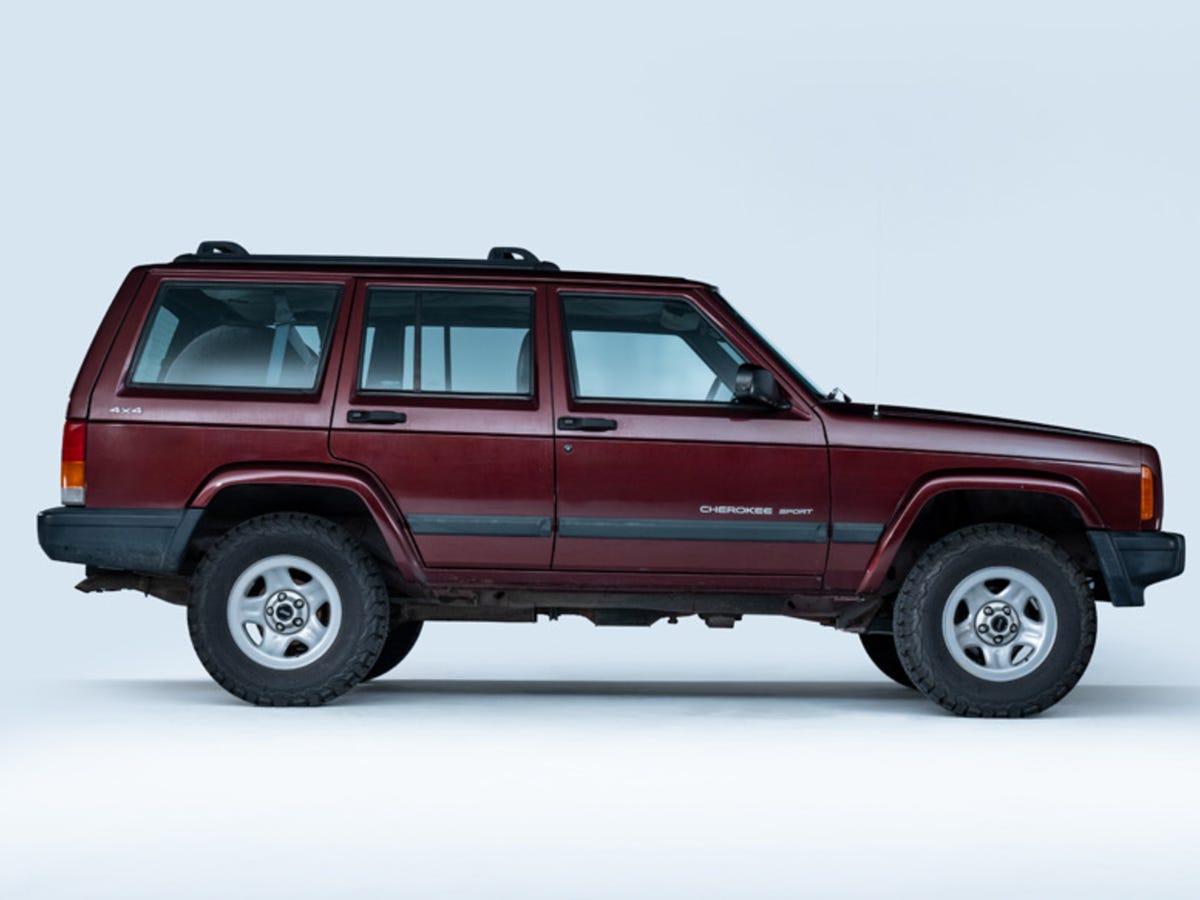
Global Impact: Not Just An American Suv
While most XJs were sold in the United States, the Cherokee XJ also found success worldwide. Production in China started in 1985, making the XJ one of the first American SUVs built there. The Chinese version was used by the police, government, and even taxis.
In Venezuela and Argentina, the XJ was assembled from kits sent from the U.S. These versions often had unique features to fit local needs, such as diesel engines.
Collectibility And Survival Rate
Even though nearly 2.9 million XJs were made, not all of them survived. Many were used as work vehicles, and some were lost to accidents or rust. Today, experts estimate that less than 25% of original XJs are still on the road. This makes well-kept XJs more valuable to collectors.
Here’s a comparison of production versus survival:
| Year | Produced | Estimated Still Driving (%) |
|---|---|---|
| Late 1980s | ~180,000/year | 10-15% |
| Mid 1990s | ~210,000/year | 20-30% |
| 2001 | ~70,000 | 40-50% |
Two Key Details Most People Miss
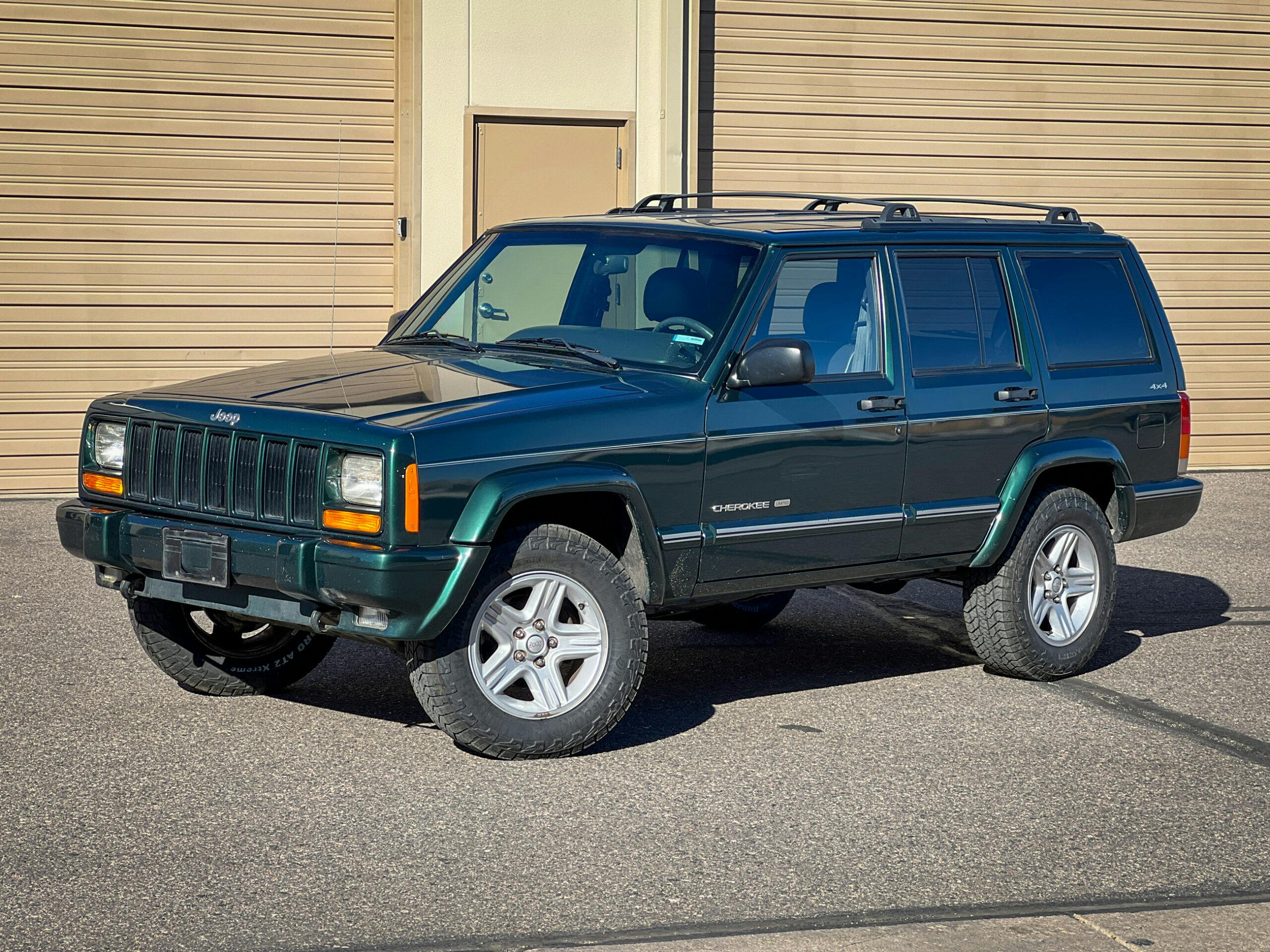
- Chinese XJ Production Continued Longer: While U.S. production stopped in 2001, the XJ was built in China until 2014 under the name “Jeep 2500” and “Jeep 2700.” These models were slightly updated but kept the same basic design.
- Rare 2-Door Models: Early XJs were available as two-door versions. These are much rarer today, with fewer made and even fewer surviving. Collectors often pay more for these unique models.
Why Production Numbers Matter
Knowing how many Jeep Cherokee XJ were made is important for several reasons:
- Collector Value: Rarer models or years can be worth more.
- Parts Availability: More XJs produced means more spare parts, making repairs easier.
- Historical Interest: The XJ’s success shows how it changed the SUV market.
If you want to read more about the history and production of the Jeep Cherokee XJ, check out the official Jeep Cherokee XJ Wikipedia page.
Frequently Asked Questions
How Many Jeep Cherokee Xj Were Made In Total?
About 2.88 million units were made from 1984 to 2001, including worldwide production.
Are Jeep Cherokee Xj Models Rare Today?
While many were made, only about 25% or less are still on the road, making well-kept models more valuable.
Which Year Had The Highest Production?
The early 1990s had the highest production, with some years reaching over 200,000 units.
Were There Any Special Editions Of The Xj?
Yes, Jeep released special editions like the Briarwood, Limited, Country, and Classic. Some had unique features or styling.
Is The Two-door Xj More Valuable?
Yes. Two-door XJs are less common and often more desirable among collectors, especially in good condition.
The Jeep Cherokee XJ’s production numbers show its huge impact on the SUV world. Whether you own one or just admire it, understanding its history helps you appreciate why this boxy SUV is still loved today.

















Pete. I am preparing to sell my 1988 Jeep XJ Wagoneer Limited that has 136,838 miles on the odometer. It has never been out of the south, has no rust, no broken glass and never wrecked. Engine is solid and does not burn oil. Dash padding has no issues, and the interior and headliner are in excellent condition for its age. I drive it sparingly and now think it is time to let someone else enjoy the ride. According to my research there were 187,136 Jeep XJ’s built in 1988. I am not sure how many of those were Wagoneer Limited’s, but I understand roughly 10% to 15% of the 187,136 might still be on the road. What do you think would be a reasonable expectation for a new buyer in maintaining the Jeep based on finding any necessary parts in the future?
Hi Skip,
Congratulations on keeping a clean one this long. A low-rust, unwrecked Wagoneer Limited with original interior is something buyers look for, so you’re in a good position.
On parts, the answer splits in two.
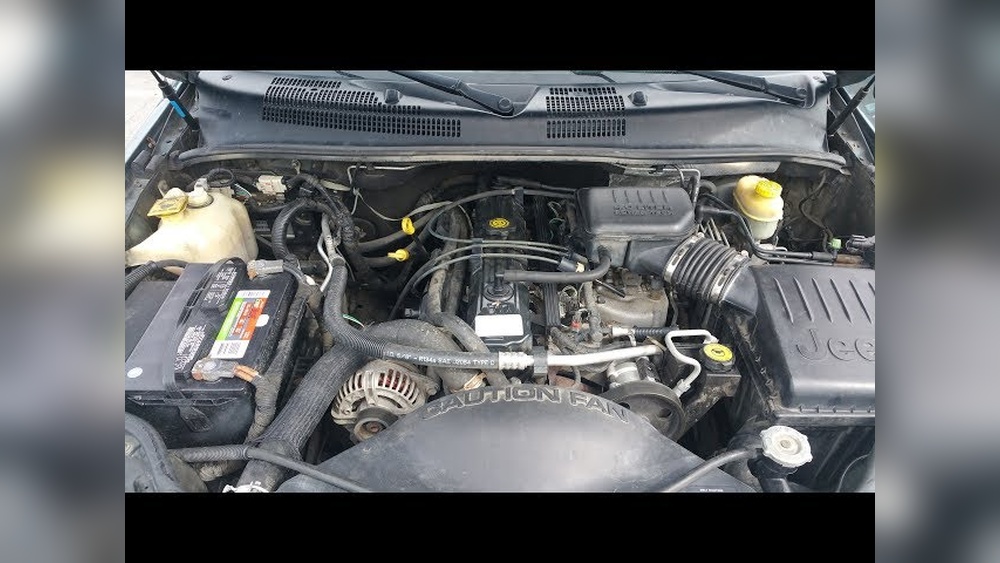
Mechanical parts are in very good shape. The 4.0L inline six and the basic driveline were used in the XJ and other Jeeps through 2001, and the aftermarket for them is huge. Water pumps, gaskets, brakes, suspension, axle parts, driveshafts and cooling components are easy to find and reasonably priced. Mechanics who know these engines are easy to find too, and so is the knowledge online. A buyer who wants a dependable driver will have no trouble keeping it on the road.
The harder parts are the ones specific to 1988 and to the Wagoneer Limited trim:
1. The 1987 to 1990 fuel injection and engine electronics are the older Renix system, which differs from the later Chrysler system. Sensors, the computer and some connectors can be harder to source, though used and rebuilt units and a few specialists still supply them. Many owners of these years budget for the occasional sensor or ignition part and keep a spare.
2. Trim pieces are the real challenge. Woodgrain panels, Wagoneer badging, Limited-specific interior fabric and carpet, and certain plastic bits are scarce and mostly come from used stock, other owners or swap meets. If yours is clean, that matters, and I’d point it out in the listing.
3. Glass, weatherstripping and rubber are available for the XJ body generally, but some trim-specific pieces may take hunting.
On your numbers, I can’t verify the production total or the 10 to 15 percent survival figure, and I’d be careful quoting a survival rate, since sources vary and it’s hard to measure. Wagoneer Limited production was a small slice of the total, which is part of why the trim parts are harder to find.
For a buyer, the practical takeaway is that the XJ is one of the easiest classic Jeeps to keep running, and the main cost risk is cosmetic and electronic parts that are unique to 1988 and this trim. If you have service records, spare parts, the original manuals or documentation of any maintenance, include them. They raise buyer confidence and help justify the price.
Best of luck with the sale.