If your Jeep Cherokee is showing the dreaded P1391 code, you’re probably dealing with a frustrating mix of starting problems and engine misfires. This code points to an issue with the crankshaft or camshaft position sensors, which are important for your engine’s timing and performance.
You might notice long crank times, intermittent no-start conditions, or rough running and if you don’t fix it, these problems will only get worse. But don’t worry.
You’ll learn exactly what causes the P1391 code, how to diagnose it step-by-step, and the best ways to fix it so your Jeep Cherokee runs smoothly again.
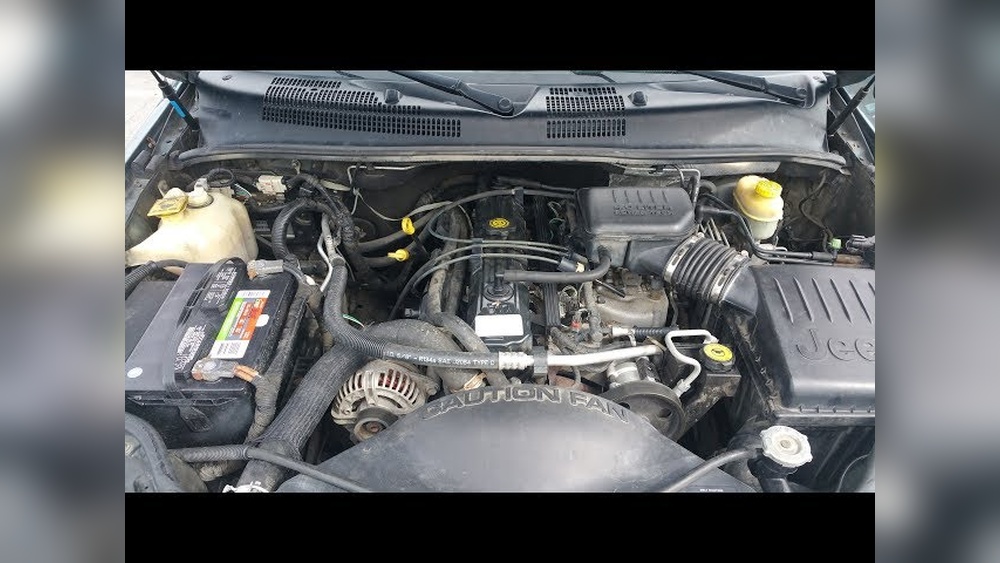
Keep reading to save time, avoid costly repairs, and get back on the road with confidence.
Symptoms Of P1391 Code
The P1391 code in a Jeep Cherokee indicates issues with the crankshaft and camshaft position sensors. These sensors help the engine control unit (ECU) know the exact position of the crankshaft and camshaft.
When this code appears, the engine may show various symptoms that affect performance and starting. Recognizing these signs early can help avoid bigger problems and costly repairs.
Intermittent No Start And Cranking Issues
The Jeep may fail to start at times without warning. The engine might crank but not turn over.
This happens because the ECU does not receive proper signals from the sensors. Sometimes, the engine will start after several attempts.
These no-start events occur randomly and can confuse drivers.
Consistent Engine Misfire
Engine misfires can happen frequently with the P1391 code. The misfire causes rough running and loss of power.
It feels like the engine is shaking or hesitating. This happens because the timing signals are off, affecting fuel and spark delivery. Continuous misfires can harm engine components.
Long Start Times
The engine may take longer to start than usual. This delay happens because the ECU struggles to find the right timing.
You might notice the engine cranking for several seconds before it fires. Long start times waste fuel and strain the battery.
It also signals sensor or wiring issues in the system.
Common Causes
The P1391 error code on a Jeep Cherokee often points to issues with engine timing sensors or related components. This code signals a miscommunication between the camshaft and crankshaft sensors.
Understanding the common causes helps in diagnosing and fixing the problem quickly. Problems usually arise from sensor failures, wiring issues, or electrical interference.
Below are the main reasons why this code appears on your Jeep Cherokee.
Crankshaft Position Sensor Problems
The crankshaft position sensor tracks the crankshaft’s rotation speed and position. A faulty sensor sends wrong signals to the engine control module (ECM).
This causes engine misfires and starting problems. Sensors can fail due to heat, dirt, or age.
Replacing a worn sensor often resolves the P1391 code.
Camshaft Position Sensor Failures
The camshaft position sensor monitors the camshaft’s position to control fuel injection timing. Sensor failures cause poor engine performance and misfires.
Damage or wear to this sensor disrupts timing synchronization. Checking and replacing this sensor may stop the error code from appearing.
Wiring And Connector Damage
Wiring or connector issues can cause intermittent signals between sensors and the ECM. Frayed wires or loose connectors create signal drops or shorts.
Heat exposure and engine vibration often damage these parts. Inspecting and repairing wiring harnesses prevents false error codes.
Faulty Alternator Interference
A failing alternator can emit electrical noise that interferes with sensor signals. This interference confuses the ECM and triggers the P1391 error.
Although rare, alternator problems cause ripple voltage in the system. Testing the alternator and replacing it if needed can clear the code.
Testing Sensors
Testing sensors on a P1391 Jeep Cherokee is essential to diagnose engine issues. Sensors like the crankshaft and camshaft position sensors help the engine control module (ECM) manage timing and fuel injection.
Faulty sensors cause misfires, long start times, or no start conditions. Checking these sensors ensures accurate readings and smooth engine performance.
Checking The Crankshaft Position Sensor
Start by locating the crankshaft position sensor near the engine block. Inspect it for physical damage or dirt.
Clean the sensor carefully to remove debris. Use an OBD-II scanner to check for error codes related to this sensor.
A failing crankshaft sensor often causes engine stalling and no start issues.
To test the sensor, disconnect its wiring harness. Check the connector pins for corrosion or damage.
Reconnect and see if the engine runs smoother or if error codes clear. Replace the sensor if problems persist.
Verifying The Camshaft Position Sensor
The camshaft position sensor monitors the camshaft’s rotation and sends signals to the ECM. Find the sensor near the camshaft or distributor.
Inspect the sensor and wiring for signs of wear or damage. Dirt or oil buildup can affect sensor readings.
Use a scan tool to detect camshaft sensor-related trouble codes. If the engine has misfires or rough idling, the camshaft sensor may be faulty.
Swap the sensor with a new one if tests confirm failure.
Using A Multimeter For Wiring Inspection
A multimeter helps check sensor wiring and connectors for electrical issues. Set the multimeter to measure resistance or voltage.
Test the sensor wiring harness for continuity. Look for broken wires, shorts, or corroded connectors.
Measure the sensor’s voltage supply and ground connections. Incorrect voltage can cause sensor errors.
Repair or replace damaged wiring to restore proper sensor function. This step prevents false sensor readings and engine problems.
Diagnosing Wiring Issues
Diagnosing wiring issues in the P1391 Jeep Cherokee is vital for solving engine problems. Faulty wiring can cause sensor errors and affect engine performance.
Careful inspection and testing ensure reliable operation and prevent costly repairs.
Inspecting Wire Harnesses For Damage
Start by checking the wire harnesses around the engine. Look for cracks, breaks, or loose connectors.
Damaged harnesses may cause intermittent signals or loss of sensor data. Pay close attention to areas near heat sources or moving parts.
Use a flashlight to see hidden damage inside tight spaces. Gently wiggle the harness to detect loose wires.
Replace or repair any sections showing wear or corrosion.
Identifying Frayed Or Burnt Wires
Frayed wires can short circuit and cause sensor errors like P1391. Look for exposed copper wires or melted insulation.
Burnt wires often have a blackened or charred appearance. These signs indicate overheating or electrical faults.
Check wires near the crankshaft position sensor and camshaft sensor. Replace damaged wires with high-quality, heat-resistant wiring.
Proper insulation prevents future shorts and signal issues.
Testing Ground Wire Resistance
Ground wires must have low resistance to provide a stable electrical path. Use a multimeter set to measure resistance (ohms).
Connect one lead to the ground wire and the other to the vehicle’s chassis.
Resistance above 1 ohm suggests a poor ground connection. Clean or tighten ground points to improve contact.
A solid ground reduces electrical noise and sensor errors.
Repair And Replacement
The P1391 code on a Jeep Cherokee points to issues with the engine’s timing sensors. Repair and replacement focus on fixing sensor faults to restore proper engine function.
Accurate diagnosis ensures the right parts get replaced, saving time and money.
Replacing worn or faulty sensors often solves the intermittent no-start or misfire problems linked to the P1391 code. Careful handling and correct parts help avoid future issues.
Replacing The Crankshaft Position Sensor
The crankshaft position sensor monitors the engine’s crankshaft speed and position. A faulty sensor triggers the P1391 code and causes misfires or starting problems.
Replacement requires locating the sensor near the crankshaft pulley or engine block. Disconnect the battery before removing the sensor’s electrical connector.
Unbolt the sensor carefully and install the new one in the same spot. Reconnect and test the engine to confirm the repair.
Inspecting And Replacing The Camshaft Synchronizer
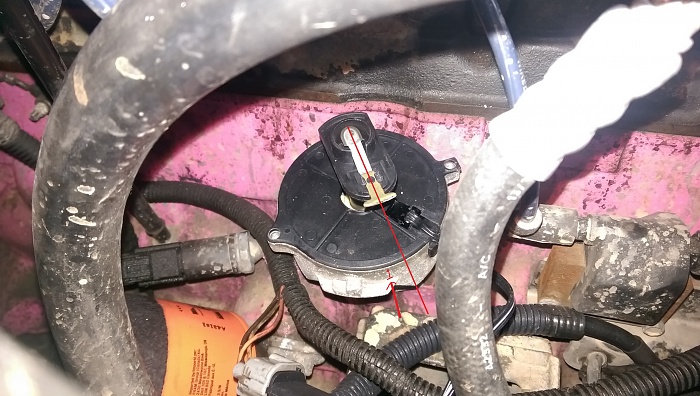
The camshaft synchronizer works with the crankshaft sensor to keep engine timing precise. This part sits inside or below the distributor and can wear out or fail electronically.
Signs of failure include rough idling and misfires. Inspect the synchronizer for damage or wear before replacing.
Remove the old synchronizer by loosening its mounting bolts. Fit the new part securely and reconnect any wiring.
Test drive the vehicle to check for smooth engine operation.
Avoiding Cheap Aftermarket Sensors
Cheap aftermarket sensors may fail quickly and cause more problems. Low-quality parts can send false signals or stop working altogether.
Use OEM Mopar sensors designed for the Jeep Cherokee engine. OEM parts offer better reliability and fit perfectly.
Investing in quality sensors reduces the chance of repeated repairs. Always buy from trusted suppliers to ensure genuine parts.
Sensor Synchronization
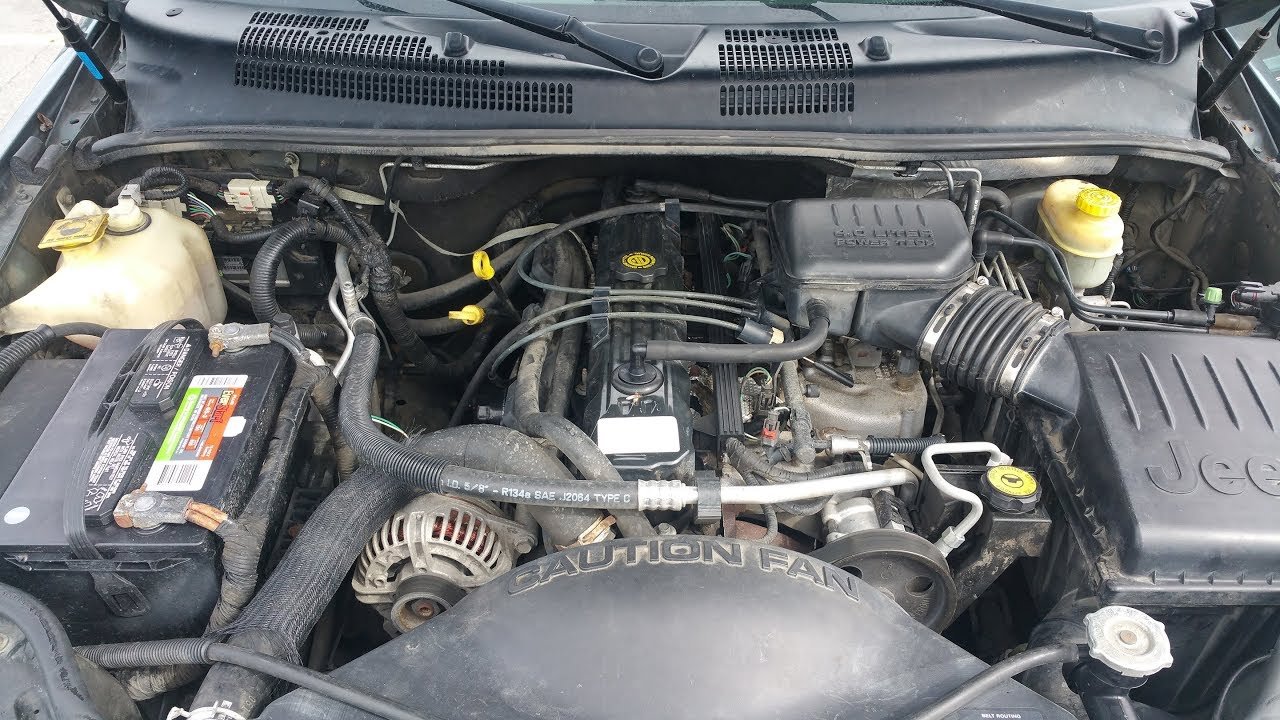
The P1391 Jeep Cherokee code often points to an issue with sensor synchronization. This means the camshaft and crankshaft sensors are not working together properly.
These sensors help the engine control module (ECM) know the exact position of engine parts. Proper synchronization keeps the engine running smoothly.
If these sensors fall out of sync, the engine can misfire or have trouble starting.
Fixing this problem involves aligning the signals from both sensors. This can be done using tools or manual methods.
Understanding how to synchronize these sensors is key for Jeep Cherokee owners facing the P1391 code.
Synchronizing Camshaft And Crankshaft Sensors
The camshaft sensor tracks the camshaft’s position. The crankshaft sensor monitors the crankshaft’s position.
Both send signals to the ECM for timing fuel injection and spark. When these signals mismatch, the engine runs poorly.
To synchronize, you must ensure both sensors send signals at the right time. This process fixes timing errors and reduces misfires.
Usually, this requires checking sensor alignment and replacing faulty parts.
Using Scan Tools For Adjustment
Scan tools help read sensor data instantly. They show if the camshaft and crankshaft signals match.
Mechanics use these tools to adjust sensor timing electronically. This method is faster and more accurate than manual checks.
Some scan tools can reset the sensors and clear error codes. This helps verify if the synchronization fix worked.
Using the right scan tool is important for Jeep Cherokee models.
Manual Settings And Toothpick Method
The toothpick method is a simple way to align sensors without tools. It involves inserting a toothpick or similar object to hold the camshaft in a set position.
Then, you adjust the crankshaft sensor to match.
This manual method requires care and patience. It helps owners fix sensor sync without expensive equipment.
Always follow the Jeep Cherokee service guide during this process.
Preventive Tips
Preventive measures can save you time and money with the P1391 error on your Jeep Cherokee. Small steps help avoid wiring issues and sensor failures. Staying proactive keeps your vehicle running smoothly.
Focus on wiring and sensor care to prevent noise and connection problems. Using the right parts also ensures long-term reliability.
These tips lower the risk of the P1391 code appearing.
Securing Wire Harnesses To Prevent Noise
Loose wire harnesses cause noise and sensor errors. Secure them tightly using clips or zip ties.
Avoid contact with hot or moving engine parts. Check harnesses regularly for wear or damage.
Properly fixed wires reduce false signals and improve sensor performance.
Regular Inspection Of Sensor Wiring
Inspect sensor wiring often to catch damage early. Look for frays, cracks, or corrosion on connectors.
Clean sensor plugs to ensure good contact. Replace worn wires to prevent intermittent faults.
Regular checks stop problems before they affect engine operation.
Choosing Oem Mopar Parts
Use OEM Mopar parts for sensor replacements. These parts fit perfectly and meet factory standards.
Aftermarket parts may cause errors or fit issues. OEM parts last longer and maintain your Jeep’s reliability.
Investing in quality parts avoids repeated repairs and error codes.

Additional Resources
Finding trustworthy information and guidance can ease the process of fixing the P1391 code on your Jeep Cherokee. Many Jeep owners share their experiences and solutions online.
These resources offer practical tips, detailed instructions, and community support. They help you understand the problem better and save time and money.
Jeep Enthusiast Forums Insights
Jeep forums are a rich source of real-world advice. Members discuss the P1391 code and share what worked for them.
You can find step-by-step guides and troubleshooting tips. These forums often have experts who answer questions clearly.
Reading their posts gives confidence before starting repairs.
Youtube Tutorials For P1391 Fix
YouTube hosts many videos showing how to fix the P1391 code. Visual guides make complex steps easier to follow.
Mechanics and Jeep fans upload tutorials on testing sensors and replacing parts. Watching these videos can help you avoid common mistakes.
It’s a great way to learn at your own pace.
Naxja And Nc4x4 Community Advice
NAXJA and NC4x4 are popular Jeep communities with deep technical knowledge. Members post detailed fixes for P1391 and similar issues.
Their advice often includes sensor tests, wiring checks, and repair tricks. These communities focus on honest, practical solutions.
Joining them connects you with experienced Jeep owners worldwide.
Conclusion
The P1391 code on a Jeep Cherokee points to crankshaft sensor issues. Faulty wiring or a bad sensor often causes the problem.
Replacing the sensor with a quality part helps many drivers. Checking the camshaft position sensor and synchronizer is also important.
Regular maintenance can prevent future faults. Understanding this code helps keep your Jeep running smoothly.
Stay informed and address issues early for better performance.