Turning on the outside top lights on a Jeep might sound simple, but many owners especially first-timers find it confusing. Each Jeep model can have a different setup, and aftermarket lights add even more variety.
If you’ve ever found yourself fumbling in the dark, unsure which switch to flip, you’re not alone.
Understanding your Jeep’s lighting system is important for safe driving, off-road adventures, and legal compliance.
This guide walks you through how to turn on the outside top lights on a Jeep, explains the differences between factory and custom setups, and helps you avoid common mistakes.
Understanding Jeep Outside Top Lights
Outside top lights, often called roof lights or auxiliary lights, are mounted on the roof or top area of a Jeep. These lights are popular for off-road driving, camping, and night-time visibility. They differ from standard headlights and fog lights; they’re usually much brighter and cover a wider area.
There are two main types:
- Factory-installed top lights: These come pre-installed on special editions like some Wrangler or Gladiator trims.
- Aftermarket lights: Many owners add their own light bars or spotlights for better performance or style.
Knowing which type your Jeep has is the first step to using them correctly.
Locating The Top Light Switches
The switch for your Jeep’s top lights can be in different places, depending on your model and whether the lights are factory or aftermarket.
Factory-installed Switch Locations
Most factory-installed top lights use switches integrated into the main dashboard. Common locations include:
- Near the headlight controls (usually a rotary dial or button)
- On the overhead console, especially in higher trim levels
- Next to the fog light switch or as a separate button labeled “AUX” or “Lights”
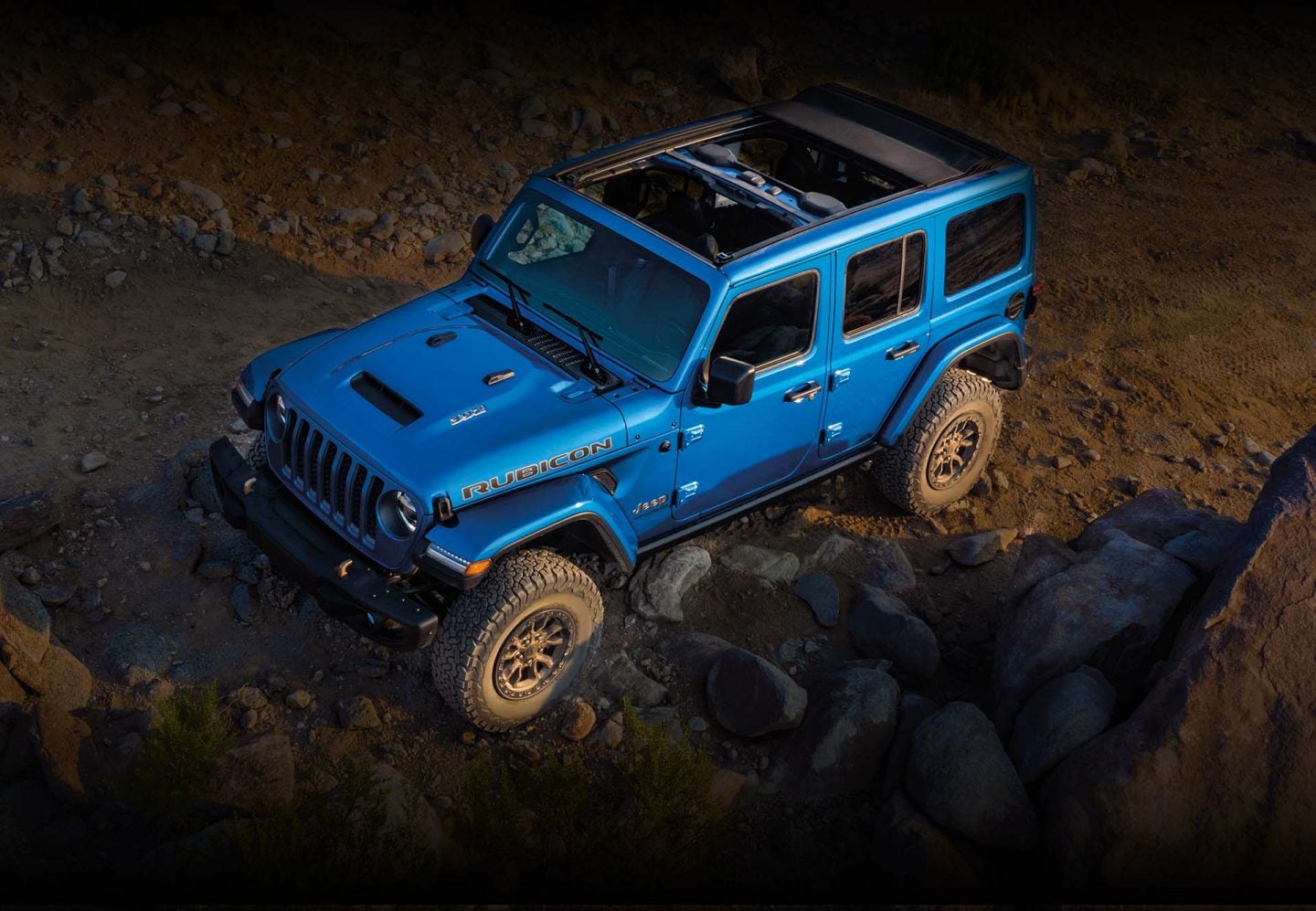
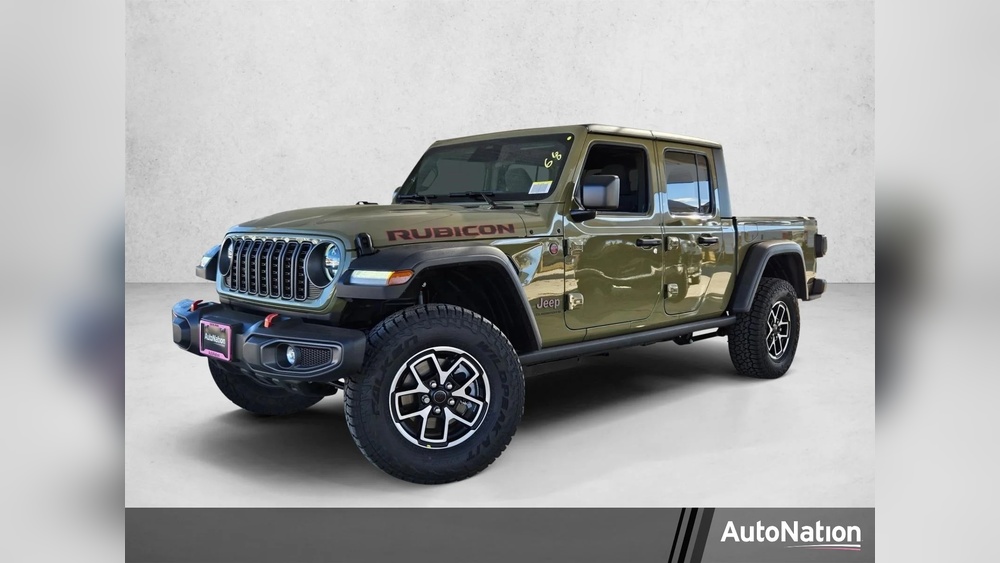
For example, the Jeep Wrangler Rubicon often has its auxiliary light switches grouped together near the main headlight controls.
Aftermarket Switch Placement
Aftermarket lights are usually wired to a custom switch. Installers often put these:
- On the lower dashboard, near the driver’s left knee
- In the center console, close to gear shifters
- As part of an overhead switch panel (common in off-road builds)
If you’re unsure, look for small toggle switches or buttons that look different from the factory controls.
How To Turn On Jeep Outside Top Lights
The process depends on whether your lights are factory or aftermarket.
For Factory-installed Top Lights
- Start your Jeep: Most models require the ignition to be on.
- Locate the switch: Find the button, dial, or switch labeled for auxiliary or top lights.
- Activate the lights: Turn or press the switch. Look for a dashboard indicator confirming the lights are on.
- Check the lights: Exit your Jeep and make sure the top lights are actually illuminated.
For Aftermarket Top Lights
- Turn on the ignition: Most aftermarket setups are wired to only work when the Jeep is running.
- Find the custom switch: Locate the toggle or rocker switch added during installation.
- Flip the switch: Move the switch to the ON position.
- Inspect the lights: Step out and visually confirm the lights are working.
> Pro tip: Some custom switch panels have backlights or labels. If you’re not sure which switch controls the top lights, test them one at a time with the Jeep parked safely.
Jeep Models And Top Light Differences
Different Jeep models have unique lighting setups. The table below compares popular models and how they handle outside top lights:
| Jeep Model | Factory Top Lights | Switch Location | Typical Aftermarket Setup |
|---|---|---|---|
| Wrangler JL | Optional (Rubicon/Overland) | Dashboard/AUX Panel | Dash or Overhead Panel |
| Gladiator JT | Optional (Mojave/Rubicon) | Dashboard | Custom Switch |
| Cherokee | Rare | Near Headlights | Dash or Pillar Switch |
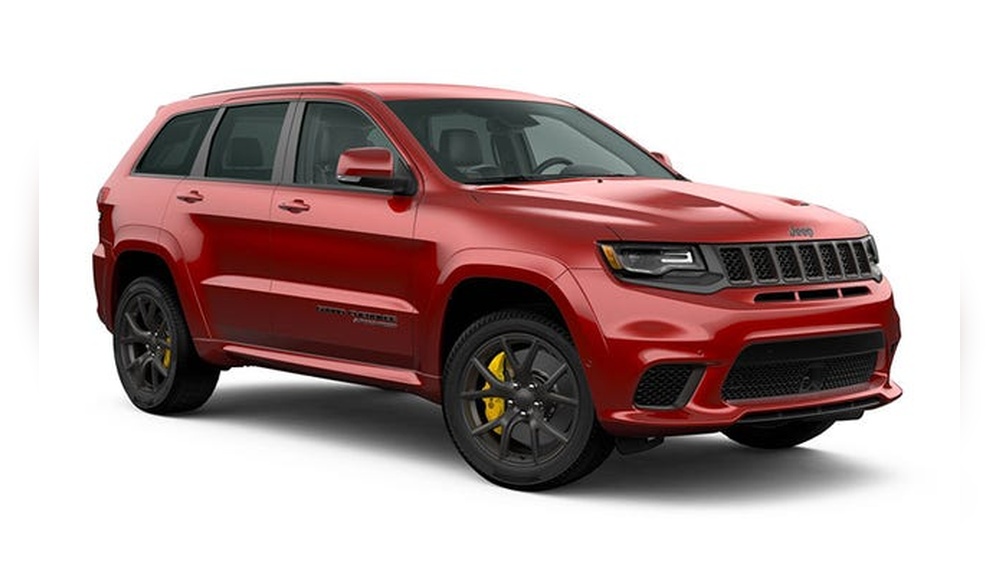
| Grand Cherokee | None (factory) | N/A | Dash or Console Switch |
Knowing your Jeep’s model and trim helps you quickly find the right controls.
Common Issues And Troubleshooting
Sometimes, Jeep outside top lights won’t turn on even when you use the switch. Here are the most common reasons and how to fix them:
Blown Fuse
A blown fuse is a frequent cause. Check your owner’s manual for the correct fuse box and look for a fuse labeled “AUX” or “Lights. ” Replace if necessary.
Faulty Switch
Switches can wear out. If pressing the button does nothing, try wiggling it gently or check for loose wiring behind the panel.
Wiring Problems
Aftermarket installations are prone to wiring issues. Look for:
- Loose connectors behind the switch or lights
- Damaged wires, especially after off-roading
- Poor ground connection
Burned-out Bulb Or Led
Even LEDs can fail. Test the light with a multimeter or swap the bulb/LED if you suspect it’s the cause.
Legal Considerations And Safety Tips
Using outside top lights on public roads is often regulated by law. In many states, bright auxiliary lights must be off when driving on highways to avoid blinding other drivers.
- Check local laws: Some areas allow roof lights only off-road.
- Use only when needed: Avoid turning on outside top lights in traffic.
- Never look directly at the lights: They can be extremely bright and harm your vision.
For a detailed summary of lighting laws by state, see the National Highway Traffic Safety Administration.
Upgrading Or Installing Aftermarket Top Lights
If your Jeep didn’t come with top lights, or you want brighter ones, installing aftermarket lights is popular. Here’s what you should know:
Choosing The Right Top Lights
Consider:
- Light type: Spotlights for distance, floodlights for wide coverage, or combo bars
- Power draw: Make sure your Jeep’s electrical system can handle it
- Mounting method: Brackets, roof racks, or A-pillar mounts
Installation Basics
- Mount the lights: Securely attach to the roof or rack.
- Wire to a switch: Run wires through the firewall to a safe location.
- Connect to power: Use a relay and fuse for safety.
- Test the system: Before hitting the road, check all connections.
Table: Factory Vs. Aftermarket Top Lights
Here’s a quick comparison to help you decide:
| Feature | Factory Top Lights | Aftermarket Top Lights |
|---|---|---|
| Warranty | Covered by Jeep | May void warranty if not installed properly |
| Light Output | Moderate | Can be extremely bright |
| Switch Integration | Seamless, factory look | Custom placement, often visible switches |
| Customization | Limited | Wide range of options |
Mistakes To Avoid When Using Jeep Top Lights
Many Jeep owners make simple but costly mistakes when using or installing outside top lights.
- Using lights illegally: Turning on top lights on public roads can result in fines.
- Overloading the electrical system: Adding too many or high-powered lights without proper relays can damage wiring.
- Poor mounting: Loose lights can fall off during off-roading, causing damage or accidents.
- Neglecting waterproofing: Exposed connections corrode quickly in rain or mud.
- Not using relays: Directly wiring powerful lights to switches without a relay can cause switch failure or fire hazards.
Real-world Example
Imagine you’re taking your Jeep Wrangler off-road at night. You’ve installed a 50-inch LED light bar on the roof.
As you enter a dark trail, you reach up and flip the overhead switch you installed. Instantly, the area ahead lights up, revealing obstacles and making the drive safer.
Later, you return to the highway and turn the lights off, avoiding trouble with the law.
This simple routine boosts safety and confidence but only if the lights are installed and used properly.
Maintaining Your Jeep’s Outside Top Lights
Regular maintenance ensures reliability and safety:
- Clean the lenses: Dirt and mud reduce light output.
- Check wiring: Inspect for frayed or loose wires after off-roading.
- Test switches: Make sure switches respond quickly every time.
- Replace worn components: Even high-quality LEDs have a lifespan.
A quick monthly check can save time and trouble on the trail.
Table: Typical Light Output By Light Type
For those considering upgrades, here’s a look at light output (measured in lumens):
| Light Type | Average Lumen Output | Coverage |
|---|---|---|
| Factory LED Roof Light | 2,500–3,500 | Medium/Wide |
| Aftermarket LED Bar (50″) | 10,000–20,000 | Wide/Long |
| Halogen Spot | 1,200–2,000 | Narrow/Long |
| Aftermarket HID | 8,000–12,000 | Long/Focused |
Higher lumens mean more visibility, but also more power draw and potential legal limits.
Frequently Asked Questions
How Do I Know If My Jeep Has Factory-installed Top Lights?
Check your Jeep’s window sticker, owner’s manual, or trim package details. Look for switches labeled “AUX” or “Lights” on the dashboard or overhead console. Factory top lights are usually listed as part of off-road or lighting packages.
Can I Install Aftermarket Top Lights Myself?
Yes, many Jeep owners do. You’ll need basic tools, wiring kits, and some knowledge of your Jeep’s electrical system.
It’s important to use a relay and fuse for safety. If you’re not comfortable with wiring, a professional installer is a good choice.
Why Won’t My Outside Top Lights Turn On?
The most common reasons are a blown fuse, faulty switch, wiring issue, or burned-out bulb/LED. Start by checking the fuse box, then inspect wiring and switches. If you recently installed new lights, double-check all connections.
Are Outside Top Lights Legal On Public Roads?
In most states, outside top lights must be off when driving on public roads. They are designed for off-road use due to their brightness. Always check your state’s vehicle lighting laws to avoid fines or safety issues.
What’s The Difference Between Spotlights, Floodlights, And Combo Bars?
Spotlights shine a narrow, long beam for distance. Floodlights spread light wide but not as far. Combo bars offer both, with spot and flood sections in one unit. Choose based on your typical driving needs—distance for trails, width for campsites.
Turning on the outside top lights on a Jeep is straightforward once you know where the switches are and understand your model’s setup. Whether factory or aftermarket, these lights greatly improve night driving and off-road experiences.
Always install and use them safely, maintain your lights, and follow local laws.
With the right approach, your Jeep’s outside top lights will be a reliable companion for every adventure.