If you own a Jeep Liberty 4 Wheel Drive, you probably appreciate its ability to handle rough terrain and challenging roads. This SUV is known for its reliability, but like any vehicle, some parts need attention over time. One commonly overlooked component is the linkage kit for the 4WD system. If your shifting feels loose, you struggle to engage four-wheel drive, or the transfer case lever feels disconnected, your linkage kit might be the cause. Understanding this part, its importance, and how to change it can keep your Jeep in top condition.
Let’s break down what the change linkage kit does, why it matters, and how each of the four main items in the kit works together. We’ll also cover practical installation steps, common mistakes, and tips for buying the right kit. By the end, you’ll know how to keep your Jeep Liberty’s 4WD system working smoothly—without a trip to the mechanic.
What Is A Linkage Kit In A Jeep Liberty 4wd?
The linkage kit connects your 4WD shift lever inside the cabin to the transfer case under your Jeep. This connection allows you to switch between two-wheel drive and four-wheel drive. Over time, the parts in this linkage can wear out, leading to missed shifts, grinding noises, or complete failure to engage 4WD.
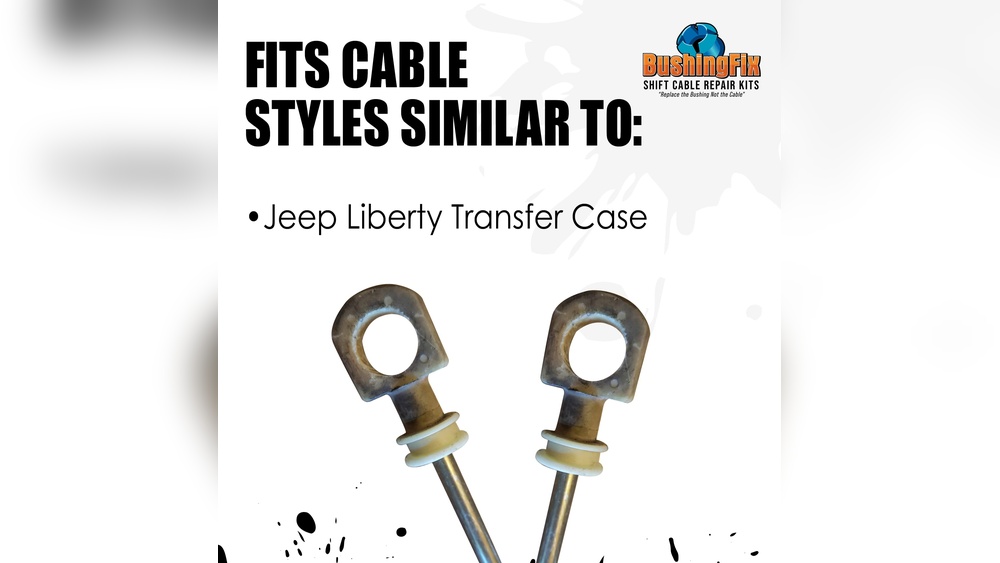
A typical Jeep Liberty 4WD linkage kit includes four main items:
- Shift lever bushing
- Transfer case shift rod
- Retaining clip
- Linkage cable
Each part has a specific role, and replacing the full kit restores precise control over your four-wheel-drive system.
Why The Linkage Kit Matters
Many drivers underestimate the importance of a healthy linkage kit. A worn linkage can lead to:
- Loss of 4WD functionality (leaving you stuck in tough conditions)
- Extra wear on the transfer case
- Potential for sudden disengagement, which can damage the drivetrain
Replacing the linkage kit is preventive maintenance. It gives you peace of mind, especially if you drive off-road or live in areas with snow, mud, or steep hills.
The Four Main Linkage Kit Items Explained
Let’s look closer at each part, why it matters, and what to watch for.
Shift Lever Bushing
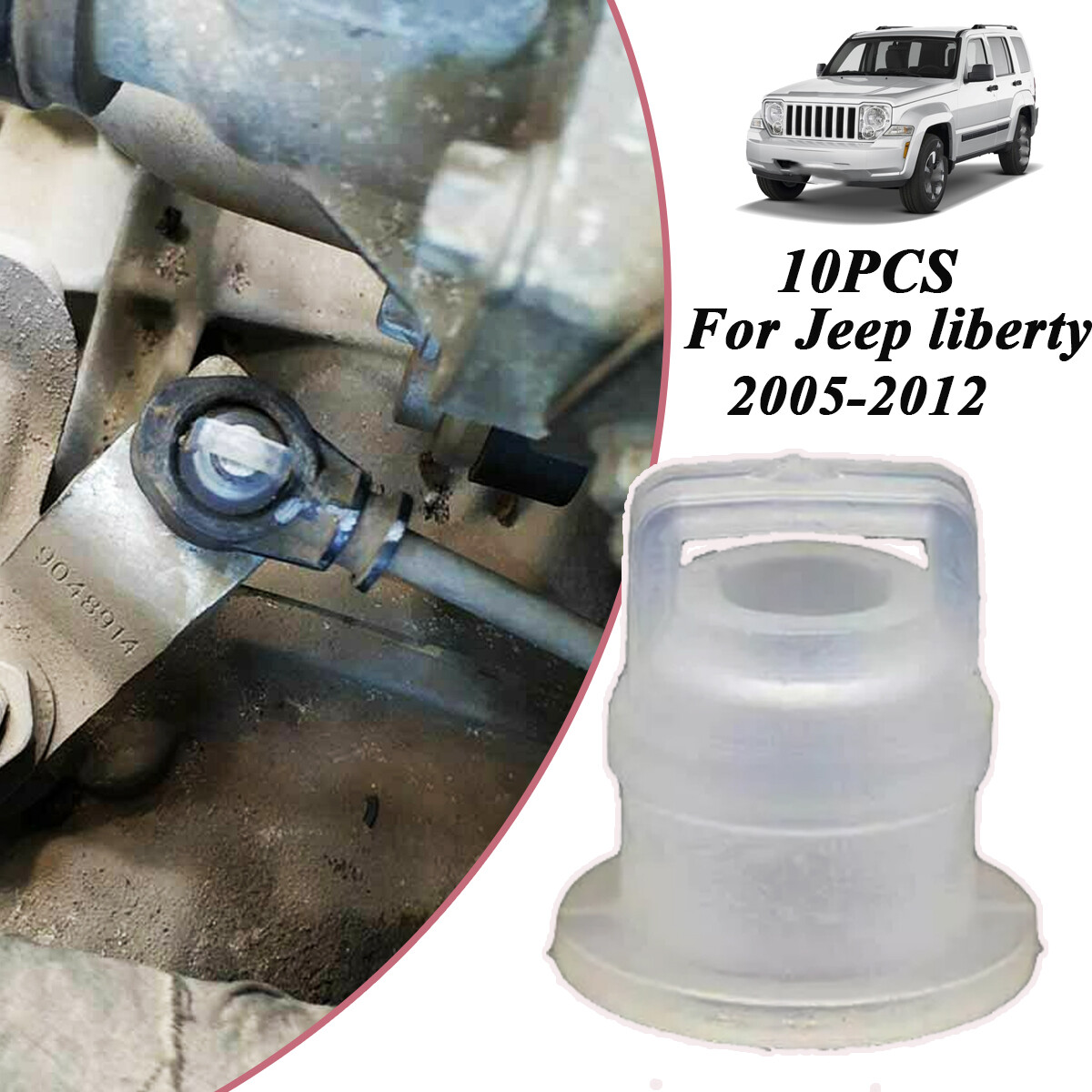
This small, often rubber or plastic part sits where the shift lever meets the linkage cable or rod. The shift lever bushing absorbs vibration and ensures smooth movement.
- Symptoms of failure: Sloppy, loose shifter; hard to engage 4WD; grinding noise
- Replacement tip: Always replace bushings in pairs if possible
A new bushing brings back tight, precise shifting often making the biggest improvement in feel.
Transfer Case Shift Rod
The transfer case shift rod is a metal bar that transmits your shifting motion from the lever to the transfer case itself. It must be straight, strong, and properly adjusted.
- Symptoms of failure: Lever moves but nothing happens; visible bends or rust
- Replacement tip: Lubricate both ends with high-quality grease during installation
Many people miss checking the rod for slight bends, which can cause subtle shifting issues.
Retaining Clip
A small but critical piece, the retaining clip holds the cable or rod securely to the shift lever or transfer case arm. If this clip fails, the whole linkage can come apart.
- Symptoms of failure: Sudden loss of shifter resistance, lever flops freely
- Replacement tip: Always use a new clip; reused clips often lose tension and can pop off
Missing or weak clips cause more breakdowns than most drivers expect.
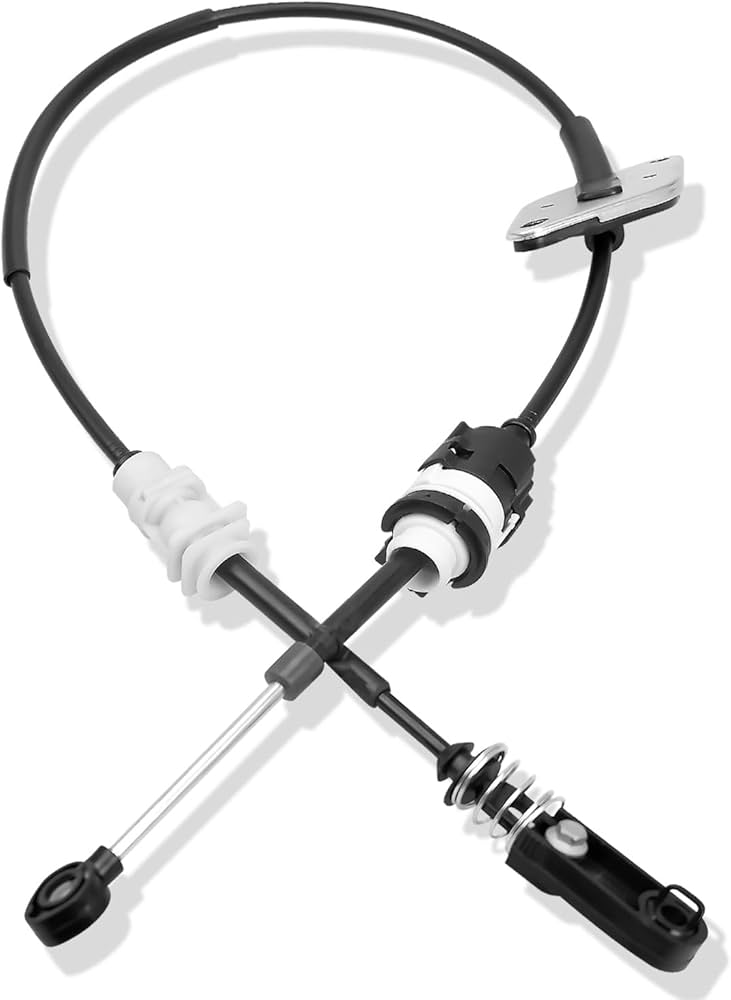
Linkage Cable
The linkage cable is a flexible, steel-reinforced line that connects the shift lever to the transfer case rod. It allows for movement even as the body and drivetrain flex.
- Symptoms of failure: Sticking shifter, hard engagement, visible fraying or rust
- Replacement tip: Route the cable exactly as the factory did to prevent rubbing
Replacing this cable can solve “mystery” shifting problems that come and go.
Comparing Old Vs. New Linkage Kits
A worn linkage kit feels very different from a new one. The table below highlights the main differences:
| Feature | Worn Linkage Kit | New Linkage Kit |
|---|---|---|
| Shifter Feel | Loose, sloppy, sometimes sticks | Tight, precise, smooth motion |
| 4WD Engagement | Delayed, may not engage/disengage | Immediate and reliable response |
| Noises | Rattling, grinding, metal-on-metal | Quiet operation |
| Safety | Risk of 4WD loss while driving | Confident shifting, no surprises |
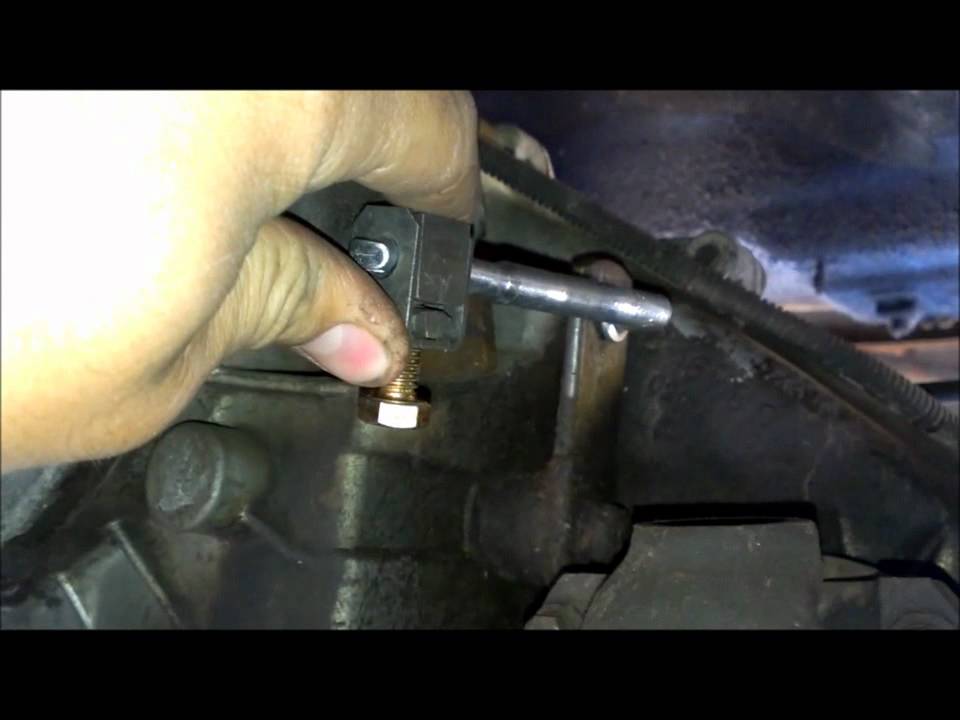
How To Change A Linkage Kit On Jeep Liberty 4wd
Replacing the linkage kit is a job many DIYers can handle with basic tools and some patience.
Tools And Materials Needed
- Jack and jack stands
- Socket set and wrenches
- Screwdrivers
- Pliers
- Grease or lubricant
- New linkage kit
Step-by-step Installation
- Park your Jeep on level ground. Put it in gear, apply the parking brake, and disconnect the battery for safety.
- Lift the vehicle with a jack and secure it on stands. You’ll need access to the area near the transfer case.
- Locate the 4WD linkage. It runs from the shift lever down to the transfer case under the body, on the driver’s side.
- Remove the old linkage. Detach the retaining clip, slide the shift rod or cable off, and remove the bushing. Take care not to lose any hardware.
- Compare old and new parts. Make sure your new kit matches the original in length and design.
- Install the new bushing, rod, and cable. Lubricate contact points, and be sure the cable is routed away from hot exhaust or sharp edges.
- Secure with a new retaining clip. Double-check for a positive “click” when attaching it.
- Test the system. Move the shifter through all positions before lowering the Jeep.
- Lower the vehicle and road test. Try 4WD engagement in a safe area.
Non-obvious insight: Many Jeep Liberty owners forget to realign the transfer case lever after replacing the linkage. Always ensure it lines up perfectly with the new hardware, or shifting may be stiff.
Common Mistakes When Changing Linkage Kits
- Skipping the bushing: Some people reuse the old bushing to save time, but this often leads to sloppy shifting soon after.
- Incorrect cable routing: Placing the cable too close to exhaust parts can melt the outer sheath, leading to rapid failure.
- Not using grease: Dry installations wear out more quickly and can squeak.
- Assuming all kits fit all Libertys: Double-check your Jeep’s year and trim; there are slight differences between models.
How To Choose The Right Linkage Kit
Selecting the correct kit is crucial for a smooth repair.
Key Factors To Consider
- Model year compatibility: Jeep Liberty 4WD linkage kits differ between model years (2002–2007 vs. 2008–2012).
- OEM vs. aftermarket: OEM kits fit perfectly but can be more expensive. High-quality aftermarket kits often work just as well.
- Material quality: Look for reinforced bushings and stainless steel rods for longer life.
- Warranty: A good kit should come with at least a one-year warranty.
Example Comparison Of Popular Kits
Here’s a look at three common options for Jeep Liberty owners:
| Brand | OEM/Aftermarket | Material | Price Range | Warranty |
|---|---|---|---|---|
| Mopar | OEM | Steel, factory bushings | $80–$120 | 12 months |
| Dorman | Aftermarket | Steel, reinforced rubber | $45–$75 | 12 months |
| Crown Automotive | Aftermarket | Stainless steel, polyurethane | $60–$90 | 12 months |
Pro tip: If you drive in salty or wet conditions, stainless steel parts resist rust far better.
Maintenance Tips For Longer Life
Taking care of your new linkage kit extends its life and protects your 4WD system:
- Inspect regularly: Check for looseness or play every 10,000 miles.
- Keep it clean: Wash mud and salt off the underbody after off-roading or winter driving.
- Lubricate moving parts: Use silicone-based grease once a year to prevent binding.
Regular care can prevent most common failures and save you hundreds on repairs.
Signs It’s Time To Replace The Linkage Kit
Don’t wait for a breakdown. If you notice any of these signs, inspect your linkage kit:
- Shifter feels loose or disconnected
- 4WD won’t engage or disengage fully
- Rattling or clunking under the vehicle when shifting
- You see rust, frayed cable, or missing clips
Early replacement is cheaper and safer than waiting for total failure.
Real-world Example: Jeep Liberty Owner’s Experience
Mark, a 2006 Jeep Liberty owner in Colorado, started noticing his 4WD shifter felt loose. One day, it stopped engaging four-wheel drive just as he was about to drive up a snowy mountain road. After changing the linkage kit—including the bushing, rod, cable, and new retaining clip—he reported, “It felt like a new Jeep. I wish I’d done it sooner. The job took me about an hour, and I saved over $200 compared to the dealer quote.”
Non-obvious insight: Many mechanics will only replace the cable or bushing, not the full kit. For best results, always replace all four main items together.
Frequently Asked Questions
How Long Does It Take To Change A Linkage Kit On A Jeep Liberty 4wd?
Most DIYers can finish the job in about 1–2 hours. If it’s your first time, plan for two hours so you can work carefully and check your work as you go.
Can I Drive My Jeep Liberty If The Linkage Kit Is Failing?
It’s not recommended. If the linkage fails, you may lose the ability to shift into or out of 4WD, which can leave you stranded or damage the transfer case. Fix it as soon as possible.
Is There A Difference Between 2wd And 4wd Linkage Kits?
Yes. The 4WD linkage kit has extra parts and is designed specifically for vehicles with a transfer case. Always buy the kit that matches your exact model and drivetrain.
What Are The Signs My Linkage Kit Needs Replacement?
Look for loose shifter movement, trouble engaging 4WD, clunking noises, or visible damage to the cable, rod, or bushing. If in doubt, inspect the linkage underneath your Jeep.
Where Can I Learn More About Jeep Liberty 4wd Systems?
For more technical details, visit the official Jeep website or see the Jeep Liberty Wikipedia page for a comprehensive history and technical overview.
Keeping your Jeep Liberty 4 Wheel Drive in top shape means paying attention to parts like the linkage kit. With a little knowledge and the right tools, you can restore reliable 4WD performance—and enjoy your adventures with confidence.